Best Places to Visit in India in June 2026
June means monsoon across most of India. But the Himalayas are fully open, the Western Ghats are at their most dramatic, and a few destinations are more beautiful in June than at any other time of year. Here is where to go.
Written by
Ananticaa Jaiswal
Published on
April 22, 2026
June is India's monsoon month. The southwest monsoon sweeps across Kerala around June 1, moves up through Karnataka and Maharashtra in the first two weeks, and reaches most of central and northern India by the third week of the month. For much of the country this means heavy rain, humidity, and disrupted travel. But June is also one of the most genuinely beautiful months in India if you know where to be.
The Himalayas are above the monsoon line and in full travel season. Ladakh is the most accessible and dramatic it will be all year. Manali is green and lively. Spiti is open. In the Western Ghats, Kerala, Coorg, and the Konkan coast are transformed by the monsoon into something that photographs cannot fully do justice to. Waterfalls that were dry streams in April are now thundering. The landscape is a green that does not exist at any other time of year. And the crowds are thin because most people do not know to come.
This guide covers the best places to visit in India in June 2026, with honest notes on what the monsoon means for each destination, specific timing guidance, and the things that make June the right month to be there.
June in India has two Indias. The Himalayas above the monsoon line, and the Western Ghats that have given themselves to the rain. Both are extraordinary. Neither is crowded.

Himachal Pradesh: The Himalayas in Full Season
Manali
Manali in June is busy but justified. The Rohtang Pass is fully open, Solang Valley offers a range of adventure activities from paragliding to zorbing, the Beas River is running fast on snowmelt, and the town itself is green and lively. The Old Manali cafes and the Hadimba Temple are at their atmospheric best in the soft June light. Temperatures are a comfortable 15 to 25 degrees in town and noticeably cooler at higher altitudes. Book accommodation at least 4 weeks in advance as Manali is at its most popular during June school holidays.
Temperature: 15 to 25 degrees in Manali town. Cooler at Rohtang and Solang.
Best for: Families, groups, adventure travelers, road trippers.
Do not miss: Rohtang Pass, Solang Valley, Hadimba Temple, Old Manali lanes, Beas River walks, Atal Tunnel drive to Sissu.
How to reach: Fly to Kullu-Manali airport (Bhuntar) from Delhi, Mumbai, or Chandigarh. Or overnight Volvo bus from Delhi, around 14 hours.

Dharamshala and McLeod Ganj
June brings the pre-monsoon to Dharamshala and McLeod Ganj — cooler than the plains, green and clear, with the Dhauladhar range visible on clear mornings before the afternoon clouds build. The Namgyal Monastery, home to the Dalai Lama's personal monastery, is calm and deeply atmospheric. The Triund Trek is at its most beautiful in early June before the heavier monsoon rains make the trail muddy. The cafe culture of McLeod Ganj, with its mix of Tibetan refugees, long-stay travellers, and spiritual seekers, gives the town a completely distinctive character.
Temperature: 18 to 28 degrees. Cloud and occasional showers from mid-June.
Best for: Solo travelers, couples, budget backpackers, those seeking something unhurried.
Do not miss: Namgyal Monastery, Triund Trek (early June), Bhagsu Falls, Dharamkot village, Tibetan food in McLeod Ganj.
Spiti Valley
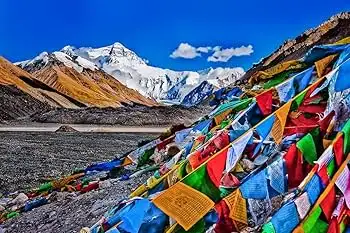
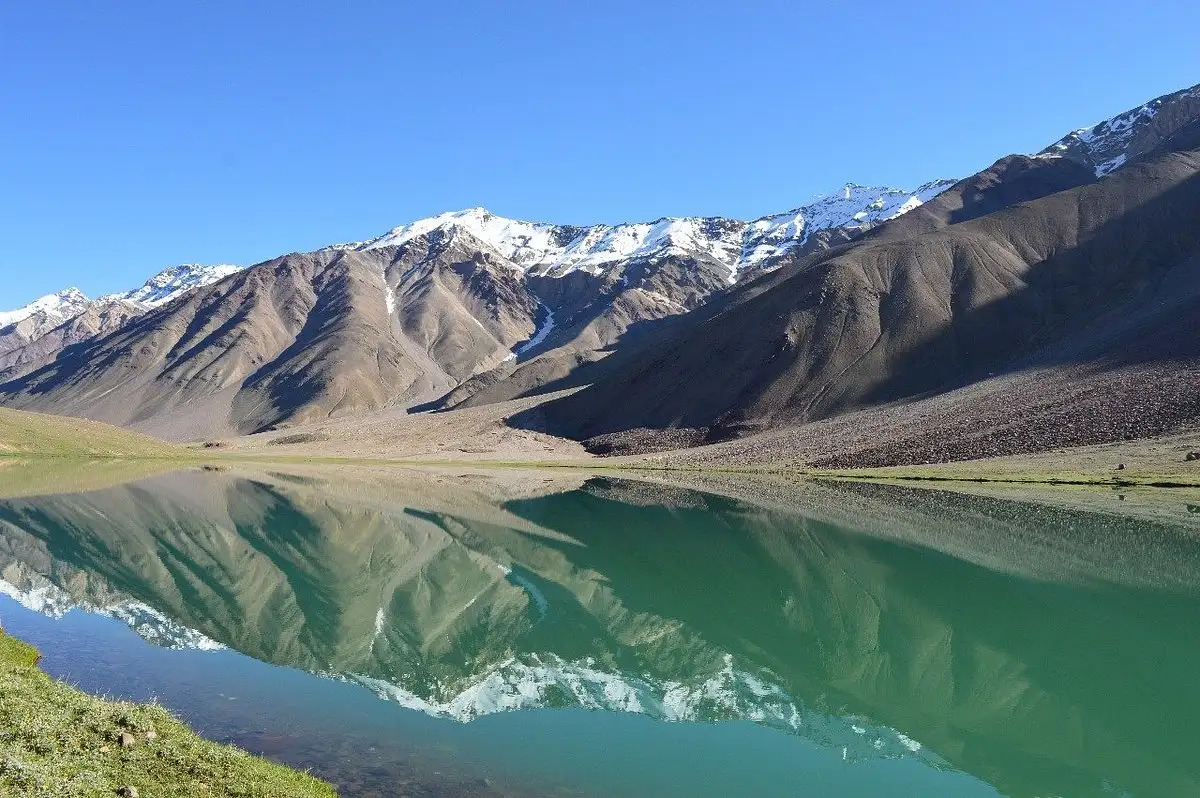
June is Spiti's prime season. The valley is fully accessible from both Manali (via the Rohtang Pass) and Shimla (via Kinnaur), the skies are blue and clear above the monsoon line, and the landscape of barren grey mountains, turquoise rivers, and ancient cliff monasteries is at its most photographically dramatic. Key Monastery, Tabo Monastery with its 1,000-year-old murals, and the remote Dhankar Monastery perched on a rock above the Spiti River are extraordinary. Chandratal Lake, a high-altitude jewel at 4,300 metres, is accessible from late June. Accommodation is basic but the experience is irreplaceable.
Temperature: 8 to 20 degrees. Clear skies, cold nights.
Best for: Adventure travelers, photographers, off-beat seekers.
Do not miss: Key Monastery, Tabo Monastery, Chandratal Lake (late June), Dhankar Monastery, Pin Valley.
Ladakh: The Peak of the Season
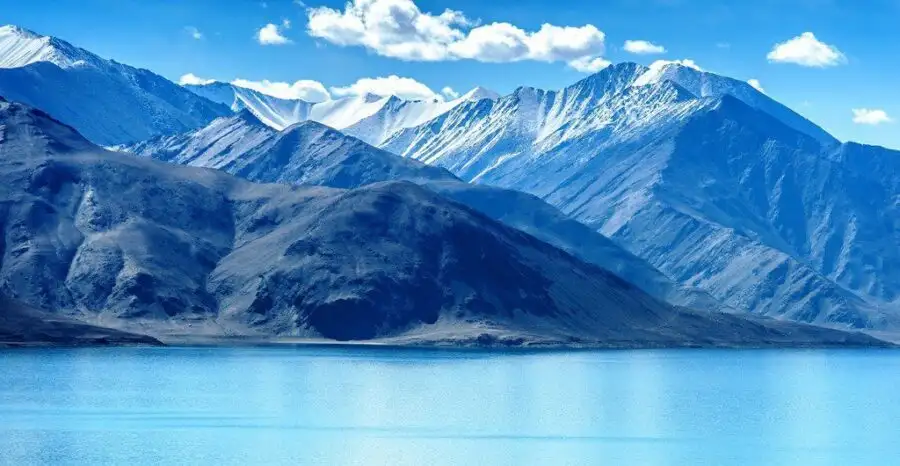
June is one of the finest months to visit Ladakh. The Leh-Manali Highway is fully open and the Leh-Srinagar Highway runs year-round. Roads to Pangong Tso, Nubra Valley, and the Tso Moriri lake are all fully operational. The skies above Ladakh in June are the clearest and deepest blue in the world, the mountain light is extraordinary, and the landscape of brown peaks, turquoise rivers, and ancient gompas under those skies is unlike anything else in India. Crowds are manageable in June before the peak July and August rush.
Two critical notes. First, acclimatisation is non-negotiable. Arrive in Leh and rest for two full days before heading to high-altitude destinations. Do not exercise heavily, avoid alcohol for the first 48 hours, and drink large quantities of water. Second, Inner Line Permits are required for Pangong Tso, Nubra Valley, and Tso Moriri. These can be arranged in Leh at the DC office or through a registered travel agent.
Temperature: 12 to 25 degrees in Leh. Colder at passes and high-altitude lakes.
Best for: Adventure travelers, photographers, solo travelers, everyone who has been meaning to go.
Do not miss: Pangong Tso, Nubra Valley and Bactrian camels at Hunder, Thiksey and Hemis monasteries, Khardung La Pass, Tso Moriri lake.
How to reach: Direct flights from Delhi, Mumbai, Srinagar, and Jammu. Book early Leh flights fill quickly in June. Drive via Manali Highway or Srinagar Highway.
Permits: ILP required for Pangong Tso, Nubra Valley, and Tso Moriri. Arrange in Leh or in advance through a travel agent.

Uttarakhand: Char Dham and Mountain Meadows
Char Dham Yatra
June is the heart of the Char Dham pilgrimage season. Badrinath, Kedarnath, Gangotri, and Yamunotri are all open and accessible, with Kedarnath reached by a 16-kilometre trek from Gaurikund or by helicopter from Phata or Guptkashi. The temples themselves are surrounded by extraordinary mountain scenery glacial rivers, high alpine meadows, and Himalayan peaks that dominate the skyline. Even for non-pilgrims, the Char Dham route through Uttarakhand is among the most dramatically beautiful drives in India. Book accommodation in advance as the Yatra is at its peak in June.
Temperature: Badrinath 8 to 18 degrees. Kedarnath cooler. Check weather before the trek.
Best for: Pilgrims, spiritual travelers, mountain scenery lovers.
How to reach: Road from Haridwar or Rishikesh. Helicopter services available to Kedarnath from Phata, Guptkashi, and Sitapur.

Valley of Flowers and Hemkund Sahib
The Valley of Flowers National Park, a UNESCO World Heritage Site in Uttarakhand, begins to bloom in late June as the snow melts and hundreds of species of Himalayan wildflowers emerge across the valley floor. The trek from Govindghat to Ghangaria (13 kilometres) and then up to the Valley of Flowers (a further 4 kilometres) is moderate and one of the most beautiful walks in India. Hemkund Sahib, the sacred Sikh shrine at 4,329 metres, is reached from the same base. Both require good fitness and a willingness to trek in changeable weather. June is the opening month fewer visitors than July and August.
Temperature: Cool and variable. Be prepared for rain and cold.
Best for: Trekkers, nature lovers, pilgrims, wildflower enthusiasts.
How to reach: Bus or taxi to Govindghat from Haridwar or Rishikesh. Trek from Govindghat to Ghangaria.

Jim Corbett National Park
June is one of the better months for a wildlife safari at Jim Corbett. The early monsoon rains bring animals to water sources, making sightings more reliable than the dry months when wildlife is dispersed. The lush green forest in June feels completely different from the dusty landscape of April tigers, elephants, deer, and leopards all move through the undergrowth and the park is significantly less crowded than October to March peak season. The Dhikala zone is partially open in June depending on rainfall. Book a certified jeep safari in advance and plan morning departures for the best sightings.
Temperature: 28 to 34 degrees. Warm and increasingly humid. Plan safaris for early morning.
Best for: Wildlife enthusiasts, photography, nature lovers, families.
How to reach: Drive from Delhi (approximately 6 hours) or train to Ramnagar station followed by road transfer.

The Western Ghats: India's Monsoon at Its Most Beautiful
The Western Ghats in June are in full monsoon and genuinely extraordinary. The landscape transforms in a way that photographs do not fully capture every slope is an intense green, waterfalls that were dry in April are now crashing off cliffs, the air smells of wet earth and coffee, and the silence between the rain showers is absolute. For travelers who have only seen the Western Ghats in the dry season, June is a revelation.
Kerala: Munnar, Wayanad, and the Backwaters
The Kerala monsoon arrives around June 1 and transforms the state into a vivid green world. Munnar's tea estates in the monsoon rain are one of the most beautiful sights in South India the mist rolls through the valley, the tea bushes are the deepest green, and the waterfalls including Attukal and Lakkam are in spectacular flow. Wayanad's forests and coffee estates are similarly transformed. The backwaters of Alleppey (Alappuzha) take on a completely different character in the monsoon quiet, lush, and deeply atmospheric on a houseboat with rain on the roof. Ayurvedic resorts across Kerala offer monsoon packages at their best pricing of the year, using the monsoon specifically for treatments.
Temperature: 24 to 30 degrees. Warm, very humid, heavy rain.
Best for: Nature lovers, couples, Ayurveda seekers, houseboat enthusiasts.
Do not miss: Munnar tea estates in the mist, Wayanad Chembra Peak (trek), Alleppey houseboat, Ayurvedic monsoon package, Athirapally Falls in full monsoon flow.
Practical note: Sea and river conditions can be rough. Check before booking water activities. Some trekking routes may be restricted in heavy rain.

Coorg (Kodagu), Karnataka
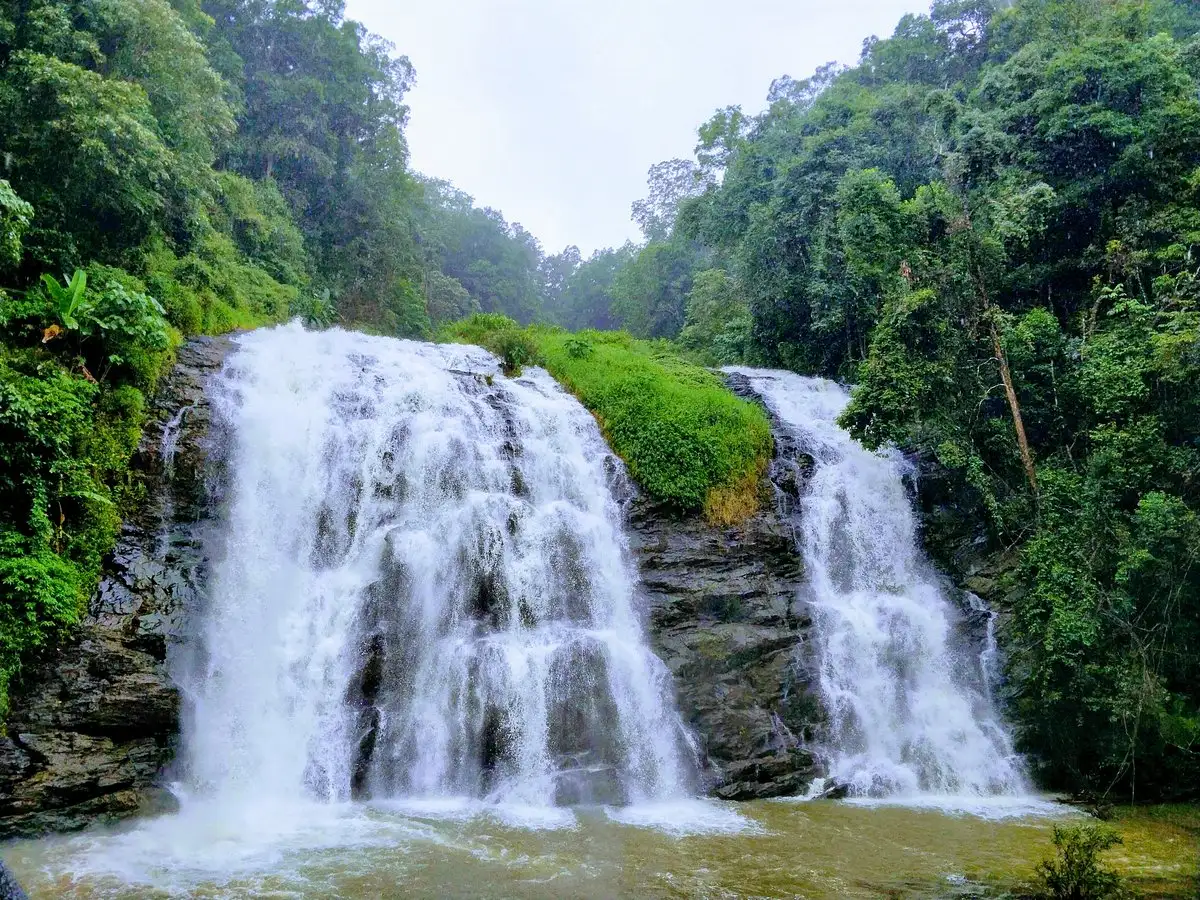
Coorg in June is the monsoon at its most atmospheric. The coffee plantations are a vivid green, the air is cool and scented, Abbey Falls is in full and thundering flow, and the Kodagu hills are wrapped in mist for much of the day. Estate stays with covered verandahs, home-cooked Kodagu food including pandi curry and kadumbuttu, and the sound of rain on coffee leaves make this one of the most distinctive and unhurried travel experiences in India. June is specifically the right month for Coorg for those who want the experience of the Western Ghats in full monsoon without the extremity of Kerala's coastal rain.
Temperature: 18 to 26 degrees. Green, misty, and cool.
Best for: Couples, honeymooners, those wanting a quiet monsoon retreat.
Do not miss: Abbey Falls, coffee estate stays, Raja's Seat viewpoint in the mist, Dubare Elephant Camp, Namdroling Monastery at Bylakuppe.
Lonavala and Mahabaleshwar, Maharashtra
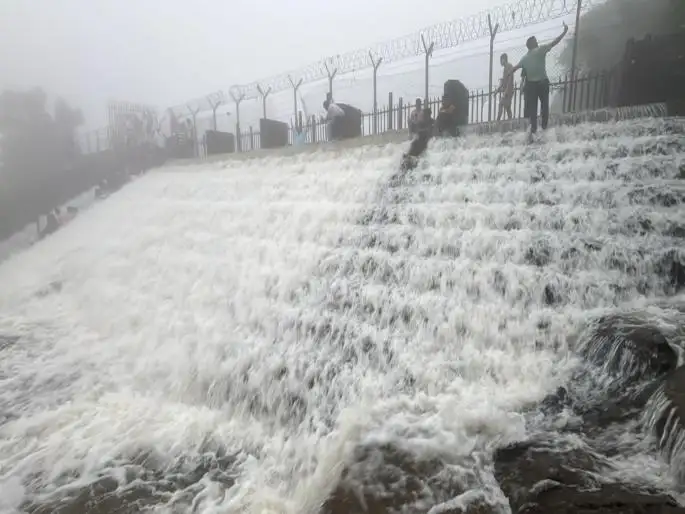
For travelers from Mumbai and Pune, Lonavala and Mahabaleshwar are the definitive June destinations. The Western Ghats here receive heavy rain and the hillsides transform with dozens of waterfalls that are simply not there in the dry months. The view from the ghats at Lonavala during a monsoon sunset is one of those genuinely surprising moments of beauty that domestic travel can produce. Mahabaleshwar's strawberry farms are at their best in the pre-monsoon and early monsoon, and the valley views from Wilson Point are dramatic when the mist moves through. Book on weekdays to avoid the crowds that descend from Mumbai on weekends.
Temperature: 18 to 24 degrees. Cool, rainy, atmospheric.
Best for: Quick getaway from Mumbai or Pune, families, nature lovers.
Do not miss: Bhushi Dam (Lonavala), Tiger's Leap viewpoint, Wilson Point (Mahabaleshwar), Venna Lake, strawberry farms.
Best timing: Weekdays. Weekends see heavy crowds from Mumbai.
Northeast India: Lush and Undervisited
Meghalaya
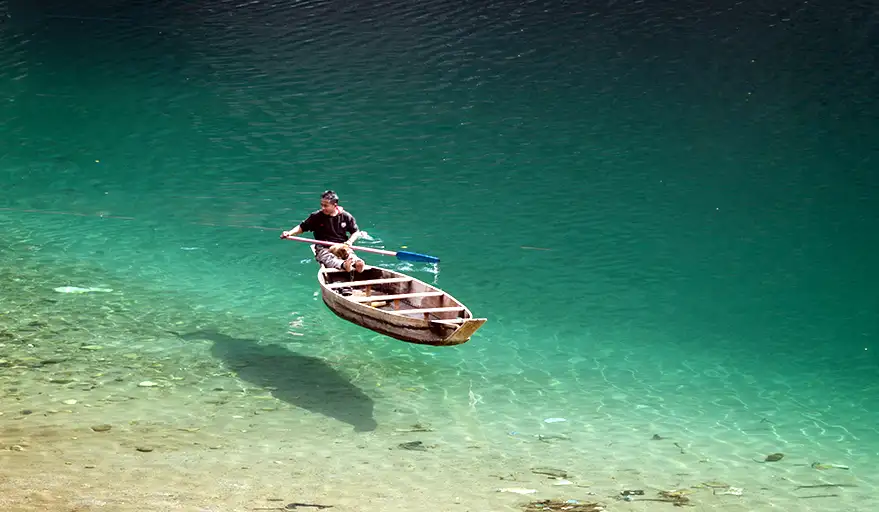
June is a remarkable month in Meghalaya, which is one of the wettest places on earth and deeply beautiful because of it. Cherrapunji and Mawsynram, the world's wettest villages, receive extraordinary rainfall and the landscape around them is a vivid green with waterfalls on every hillside. The living root bridges near Nongriat are at their most dramatic in the monsoon. The Dawki river retains its extraordinary clarity for much of early June before the heavy rains cloud it later in the month. Shillong itself is cool, vibrant, and atmospheric in the monsoon. Pack waterproof gear thoroughly this is not a destination for those who dislike rain.
Temperature: Shillong 16 to 24 degrees. Expect significant rain.
Best for: Monsoon lovers, nature photographers, off-beat travelers.
Do not miss: Living root bridges, Nohkalikai Falls (spectacular in monsoon), Dawki river (early June), Mawlynnong village, Umiam Lake.
Sikkim
Sikkim in June is lush and green, with the monsoon bringing dramatic clouds over the Kanchenjunga range. Gangtok is pleasant and Tsomgo Lake is accessible. The lower valleys are vivid green and the waterfalls along the Teesta River corridor are magnificent. Some high-altitude roads including the route to Gurudongmar Lake may be affected by rain check conditions before planning high-altitude excursions. For travelers who want to combine Darjeeling and Sikkim, June offers an interesting and less crowded window.
Temperature: Gangtok 16 to 24 degrees. Lush and occasionally rainy.
Best for: Nature lovers, those combining with Darjeeling, cultural travelers.
Do not miss: Gangtok MG Marg, Tsomgo Lake (check road conditions), Rumtek Monastery, Teesta River valley drives.

Kashmir: Gulmarg and the Valley in Summer
June is one of the finest months to visit Kashmir. The Dal Lake in Srinagar is at its most beautiful, with shikaras gliding through lotus-covered water and the surrounding mountains clear and snow-capped. Gulmarg at 2,650 metres is extraordinary in June the alpine meadows are carpeted with wildflowers, the cable car to Kongdori and Apharwat Peak is fully operational, and the temperatures are a comfortable 12 to 20 degrees. The gondola ride at Gulmarg is one of the highest cable car rides in the world and the views from the top across the entire Kashmir Valley and toward the high Himalayas are genuinely among the finest in India. Pahalgam, with its pine forests and the Lidder River, is a peaceful and beautiful alternative base.
Temperature: Srinagar 18 to 28 degrees. Gulmarg 12 to 20 degrees.
Best for: Families, honeymooners, nature lovers, those wanting Himalayan scenery without high altitude stress.
Do not miss: Gulmarg gondola, wildflower meadows, Dal Lake shikara, Pahalgam Lidder River walks, Mughal Gardens.
How to reach: Direct flights to Srinagar from Delhi, Mumbai, and other major cities. Book early for June.

Places to Avoid in India in June
The monsoon makes large parts of India difficult or genuinely unpleasant in June. These destinations are best saved for October to March.
Rajasthan (except Udaipur): The desert states are still extremely hot in early June before the monsoon arrives late in the month. Jaisalmer, Jodhpur, and Bikaner remain brutal. Udaipur is the exception the monsoon fills Lake Pichola and the City Palace reflected in the water is genuinely beautiful. But Udaipur in June requires accepting that it will rain and planning accordingly.
Delhi and the Golden Triangle: Hot, humid, and increasingly stormy as the monsoon approaches. The Taj Mahal exists in every month but June is not when you want to be standing in front of it.
Goa: The monsoon hits Goa hard in June with heavy and persistent rain, rough seas, and most beach shacks closed. Goa in the monsoon has its own beauty but it is not a beach holiday. Book Goa for November to February.
Andaman Islands: The monsoon arrives in late May and June and sea conditions deteriorate significantly. Boat trips to Havelock and Neil Island become unreliable. Save the Andamans for December to February.
Northeast states during peak monsoon: Parts of Assam, Arunachal Pradesh, and Manipur receive very heavy rainfall in June and landslides can disrupt road travel. Research current road conditions before planning remote northeast trips.
Practical Tips for Traveling in India in June
Monsoon gear is essential
Pack a lightweight waterproof jacket or poncho, quick-dry clothing, waterproof footwear or sandals that can get wet, and a dry bag for electronics and documents. In Meghalaya and Kerala particularly, an umbrella is genuinely non-negotiable.
Book early
June is peak domestic travel season because of school holidays. Ladakh flights from Delhi fill up 6 to 8 weeks ahead. Manali and Coorg hotels get booked out on weekends several weeks in advance. Do not plan a June trip without confirmed accommodation and transport.
Check road conditions
The monsoon causes landslides on mountain roads across Himachal, Uttarakhand, and the northeast. Check the BRO (Border Roads Organisation) road status for any Himalayan route before departing. The Manali to Leh highway and routes into Spiti can close temporarily after heavy rain. Keep buffer days in your itinerary for Himalayan road travel.
Altitude acclimatisation for Ladakh
If visiting Ladakh, rest for two full days in Leh on arrival before heading to Pangong Tso or Nubra Valley. Do not exercise heavily, avoid alcohol for the first 48 hours, and drink large quantities of water. Altitude sickness is serious and the acclimatisation requirement is not optional.
Monsoon is a feature not a bug
For Western Ghats destinations like Coorg, Kerala, and Lonavala, the monsoon is the reason to go in June. These places are at their most beautiful when it is raining. Adjust your mindset accordingly plan for slower days, covered verandahs, estate walks in light rain, and the extraordinary sounds and smells of a proper Indian monsoon.
Frequently Asked Questions
Which is the best place for a honeymoon in India in June?
Kashmir and Gulmarg are the finest honeymoon destinations in India in June wildflower meadows, gondola rides, Dal Lake shikara rides, and a general romance in the landscape that is hard to match anywhere else in the country at this time of year. Coorg is a strong second choice for couples who want the monsoon experience estate stays, Abbey Falls in full flow, and the intimacy of a misty hill destination with thin crowds. Munnar in Kerala in early June, before the heavy rains intensify, is similarly beautiful and well set up for couples.
Which is the best place to visit in India in June 2026?
Ladakh is the top overall choice fully open, best weather of the year for high-altitude travel, clear skies, and all roads accessible. For those who cannot do high altitude, Manali and Kashmir (Gulmarg and Srinagar) are excellent. For monsoon lovers, Coorg and Kerala in the Western Ghats are extraordinary in June. For the northeast, Meghalaya is spectacular.
Is Ladakh good to visit in June?
Yes, June is one of Ladakh's finest months. All roads are open, skies are clear, temperatures are comfortable, and crowds are lower than July and August. Acclimatise for two full days in Leh before heading to high-altitude destinations. Inner Line Permits are required for Pangong Tso, Nubra Valley, and Tso Moriri.
Which hill stations are best in India in June?
The best hill stations in June are Manali and Spiti in Himachal (above the monsoon, clear and cool), Leh Ladakh (best of the season), Gulmarg in Kashmir (wildflowers and gondola), Coorg in Karnataka (monsoon at its most atmospheric), and Munnar in Kerala (tea estates in the mist). For Western Ghats, Lonavala and Mahabaleshwar work well for quick breaks from Mumbai.
Is Goa good to visit in June?
No. The monsoon hits Goa hard in June with heavy and persistent rain, rough seas, and most beach shacks closed for the season. Goa in the monsoon is not a beach holiday. The best time to visit Goa is November to February when the weather is dry, the sea is calm, and the beach experience is what you came for.
Is Kerala good to visit in June?
Yes, for the right traveler. Kerala in June is in full monsoon and is genuinely beautiful if you embrace it vivid green landscapes, spectacular waterfalls, atmospheric backwaters, and Ayurvedic resorts at their best monsoon pricing. Munnar's tea estates in the mist, Wayanad's forests, and Alleppey's backwaters are all excellent. Avoid beach activities as sea conditions are rough.
Is Coorg good in June?
Yes, June is one of the finest months for Coorg. The monsoon transforms the coffee plantations into an intense green, Abbey Falls is in spectacular flow, and the mist over the Kodagu hills creates an atmosphere that does not exist at any other time of year. Estate stays, covered walks, and Kodagu home cooking in the rain make for a genuinely memorable and different kind of travel experience.
Is May or June better for Manali?
Both are excellent but in different ways. May has more reliable weather and slightly less crowded roads. June is greener, the Rohtang Pass is fully open, and the valley is at its most lush. June is busier because of school holidays. If you can go in either month, May offers more consistent conditions. If June is your only option, it is still a very good choice.
Is June a good time for a family trip in India?
Yes. The best family destinations in June are Manali (comfortable temperatures, adventure activities, snow still visible), Gulmarg and Kashmir (wildflower meadows, gondola rides, beautiful scenery), and Ladakh (for families comfortable with altitude and acclimatisation). Avoid beach destinations and low-lying plains. Book accommodation well in advance as June is peak family travel season.

June in India asks something of you that most months do not. It asks you to understand that the best India in this month is not the India most people plan for. It is the high desert of Ladakh under that extraordinary blue sky. It is the coffee plantation in Coorg when the rain is falling and the smell of wet earth is everywhere. It is the tea estates of Munnar in the mist, and the living root bridges of Meghalaya in a landscape so green it seems impossible. Go to those places. Go before everyone realises they should have.