Sardinia Travel Guide for Indian Travelers: Everything You Need to Know
Beaches that rival the Maldives, a mysterious ancient civilisation that nobody has fully explained, food rooted in one of Europe's genuine Blue Zones, and landscapes that look like they belong in a film. Sardinia is Lonely Planet's top European destination for 2026 and one of the most rewarding islands you can visit from India.
Written by
Ananticaa Jaiswal
Published on
April 11, 2026
Why Visit Sardinia?
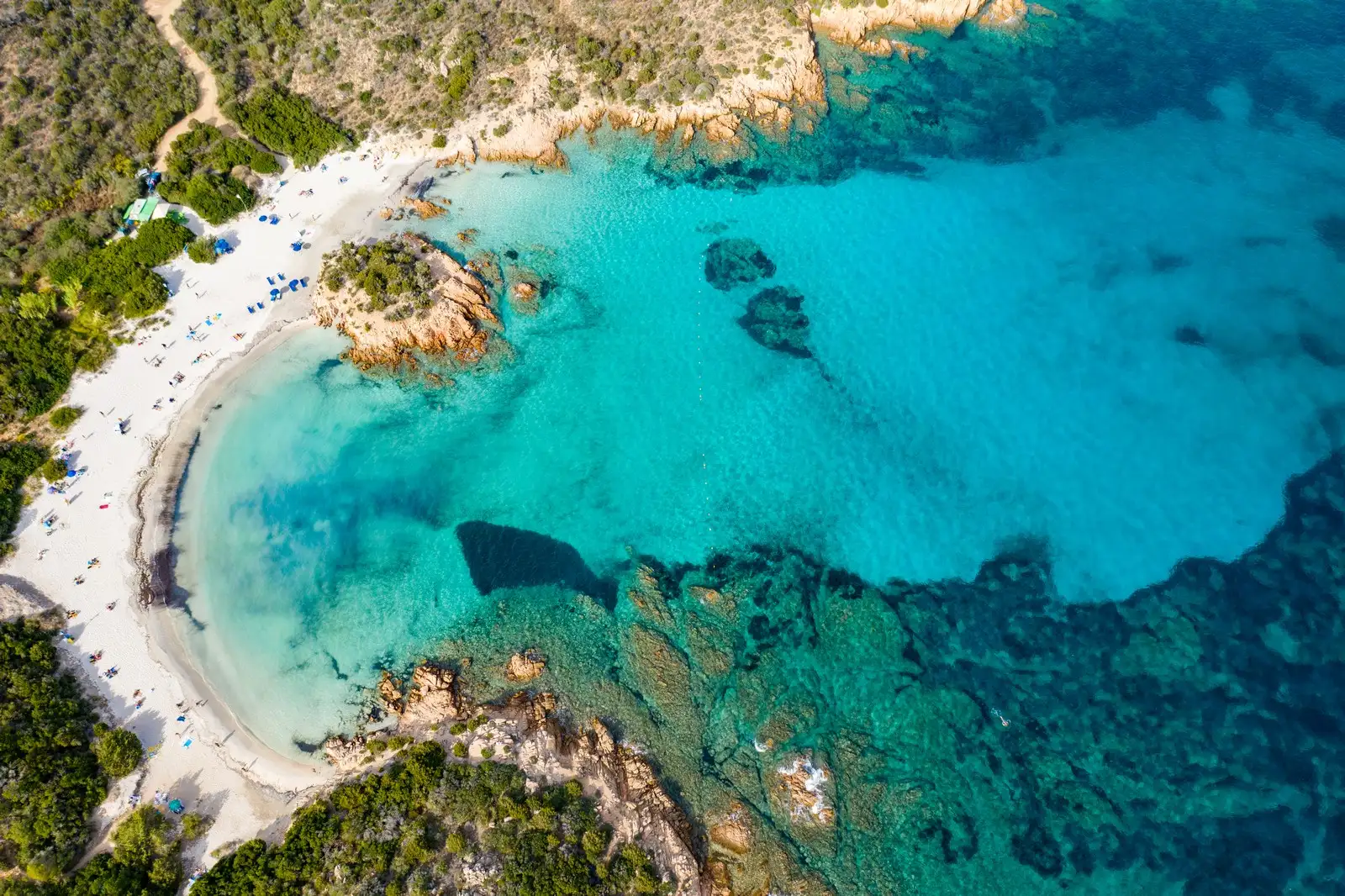
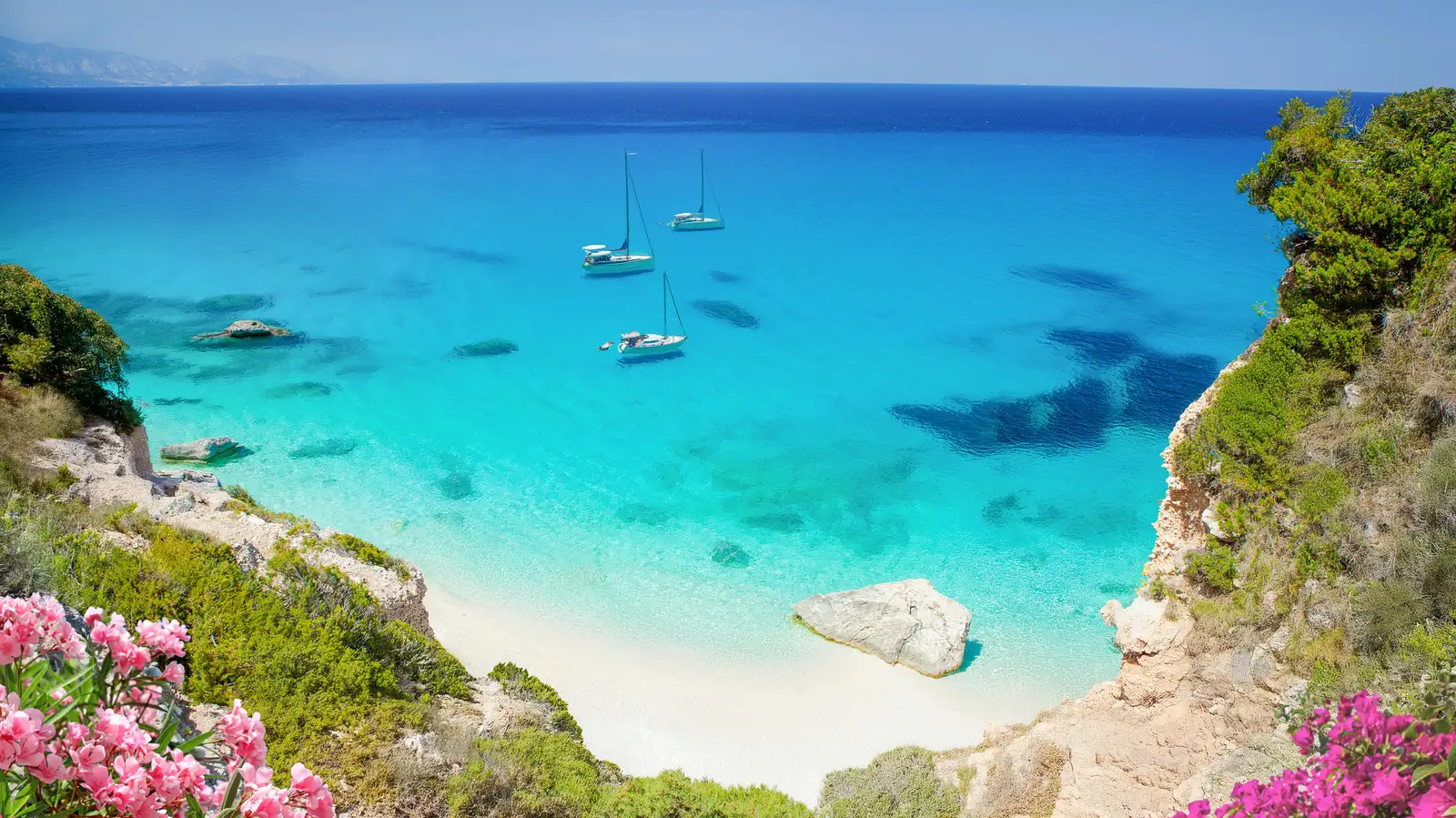
Sardinia is not a quieter version of mainland Italy. It is something entirely different: its own language, its own ancient civilisation, its own food culture, and a coastline that is genuinely and not hyperbolically among the finest in the world. The water along the Costa Smeralda and the Gulf of Orosei is the shade of turquoise that people associate with the Maldives or the Caribbean, and that comparison is accurate, not marketing.
Lonely Planet named Sardinia its only European pick in Best in Travel 2026, recognising not just the famous beaches but the island's interior archaeology, hiking routes through the Gennargentu mountains, the tradition of slow travel through villages that still function on their own rhythms, and a food culture linked to one of the world's most significant Blue Zones. The Ogliastra region of Sardinia has one of the world's highest concentrations of centenarians and researchers link this partly to the Cannonau wine, the olive oil, the diet, and the pace of life.
For Indian travelers, Sardinia rewards a specific kind of trip: one built around switching off, driving through wild and largely empty landscapes, eating at agriturismi with views across the sea, and finding beaches that feel private. It is not a destination for those who want to sprint between sites. It is a destination for those who want to slow down and be somewhere that is quietly extraordinary.
Sardinia is the island that makes you wonder why you ever spent your beach holidays anywhere else.
Top reasons to visit Sardinia
• Lonely Planet's only European Best in Travel 2026 pick, cited for beaches, interior archaeology, and slow-travel culture.
• Beaches ranked among the finest in Europe, with water clarity and sand quality that accurately rival the Maldives at a fraction of the price.
• The Nuragic civilisation, which built over 7,000 prehistoric stone towers between 1800 and 500 BC, more ancient monuments per square kilometre than almost anywhere else in the Mediterranean.
• A Blue Zone food culture linked to extraordinary longevity, centred on Cannonau wine, olive oil, pecorino, and traditional pastoral cooking.
• One of the safest destinations in Italy with warm, genuinely unhurried hospitality.
• Road trip potential through landscapes ranging from dramatic limestone sea cliffs to high mountain interior plateaux, including named drives like the SS125 Orientale Sarda and the SP17 panoramic road.
• Among the best honeymoon destinations in Europe with world-class coastal resort hotels and private coves accessible only by boat.
Best Time to Visit Sardinia from India
Sardinia is a strongly seasonal destination. Unlike Sicily, which works year-round, Sardinia is primarily a May to October island. Outside this window, many restaurants, beach clubs, and accommodation options in smaller coastal towns close completely.
January to March — Off Season
Most of coastal Sardinia is effectively closed. Smaller beach towns are largely shut, agriturismi stop operating, and ferry and flight connections thin out considerably. Cagliari, the capital, functions year-round and is a genuinely good city to visit in any month. The Barbagia region in the interior holds Carnival celebrations in February that are among the most distinctive and genuine in Italy, with traditional masks and costumes. For Indian travelers, this is not the recommended window unless the trip is specifically built around Cagliari and the interior.
April — Shoulder Season Opening
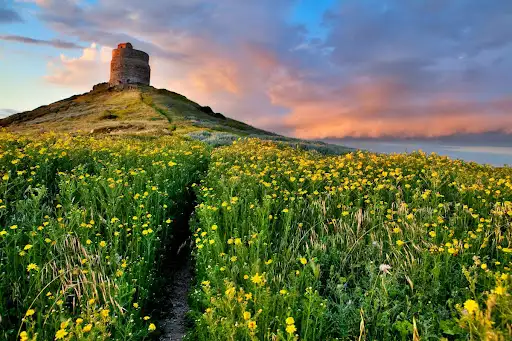
The island begins to open up. Temperatures reach 17 to 21 degrees, the landscape is at its greenest and most lush, and wildflowers bloom across the interior. Some coastal businesses reopen from Easter onward. The sea is still too cold for most people at around 18 degrees but the archaeological sites and the interior are excellent. Prices are low and crowds are minimal.
May and June — The Best Overall Window
This is the sweet spot for Sardinia and the window Travel Tailor most recommends for Indian travelers visiting for the first time. Temperatures between 22 and 28 degrees, the sea swimmable from mid-May at 20 to 21 degrees, the island at its greenest, and prices 30 to 40 percent below the August peak. Beaches that will be crowded in August are almost empty in May. The wildflower season is spectacular on the coastal paths and the interior drives. Book accommodation a few weeks ahead for the north coast, which starts filling from June.
July and August — Peak Season
The island is at its most expensive and most visited. The Costa Smeralda in the north is fully booked two to three months in advance and accommodation prices double or triple compared to shoulder season. Temperatures reach 32 to 36 degrees and can feel relentless, particularly inland. La Pelosa beach near Stintino introduced a daily visitor cap because of the volume of summer visitors. With that said, the sea reaches 26 to 28 degrees, the energy is extraordinary, and if this is the only window available, booking very far in advance is the key.
September — Arguably the Single Best Month
September is when Sardinia is at its absolute best. The summer crowds have largely gone, the sea is at its peak warmth at 25 to 26 degrees, prices drop from the August high, and the beaches feel largely your own. The light in September is softer and more beautiful than in the harsh midsummer. Agriturismo availability improves and the drives through the interior in early autumn are particularly wonderful. This is the month that regular Sardinia visitors return for repeatedly.
October — Easing Down
Still warm at 21 to 25 degrees with sea temperature swimmable in early October at around 22 to 23 degrees. Coastal businesses begin closing in the second half of the month. Excellent for cultural sightseeing, archaeological sites, and the interior. Good value and very few tourists. A genuinely underrated window for Indian travelers who can travel outside peak Indian holiday periods.
November to December — Mostly Closed
Cagliari functions well year-round. The interior and mountain regions are accessible and beautiful in autumn light. Most coastal Sardinia closes. Not recommended for a first visit from India.
Top Destinations in Sardinia
Sardinia is large, roughly comparable to Goa and Karnataka combined in area, and the regions feel quite different from each other in character and landscape. A car is essential for getting between them. Here are the places that deserve the most time.
Cagliari
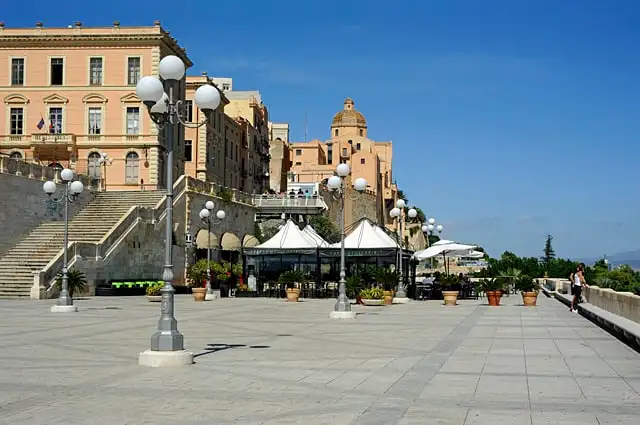
The capital of Sardinia and the island's main southern entry point by air. Cagliari is a genuinely enjoyable city that most visitors spend too little time in. The Castello quarter sits on a hilltop above the rest of the city with medieval walls, panoramic views over the Gulf of Cagliari, and some of the island's best restaurants hidden in narrow lanes. The National Archaeological Museum contains an extraordinary collection of Nuragic bronzes, the finest in existence. The waterfront at Poetto is a wide stretch of fine sand just minutes from the city centre where locals swim and eat at beach cafes. Cagliari has a lively food scene and a relaxed, unhurried energy that feels distinctly Sardinian. Allow at least a full day here.
Costa Smeralda
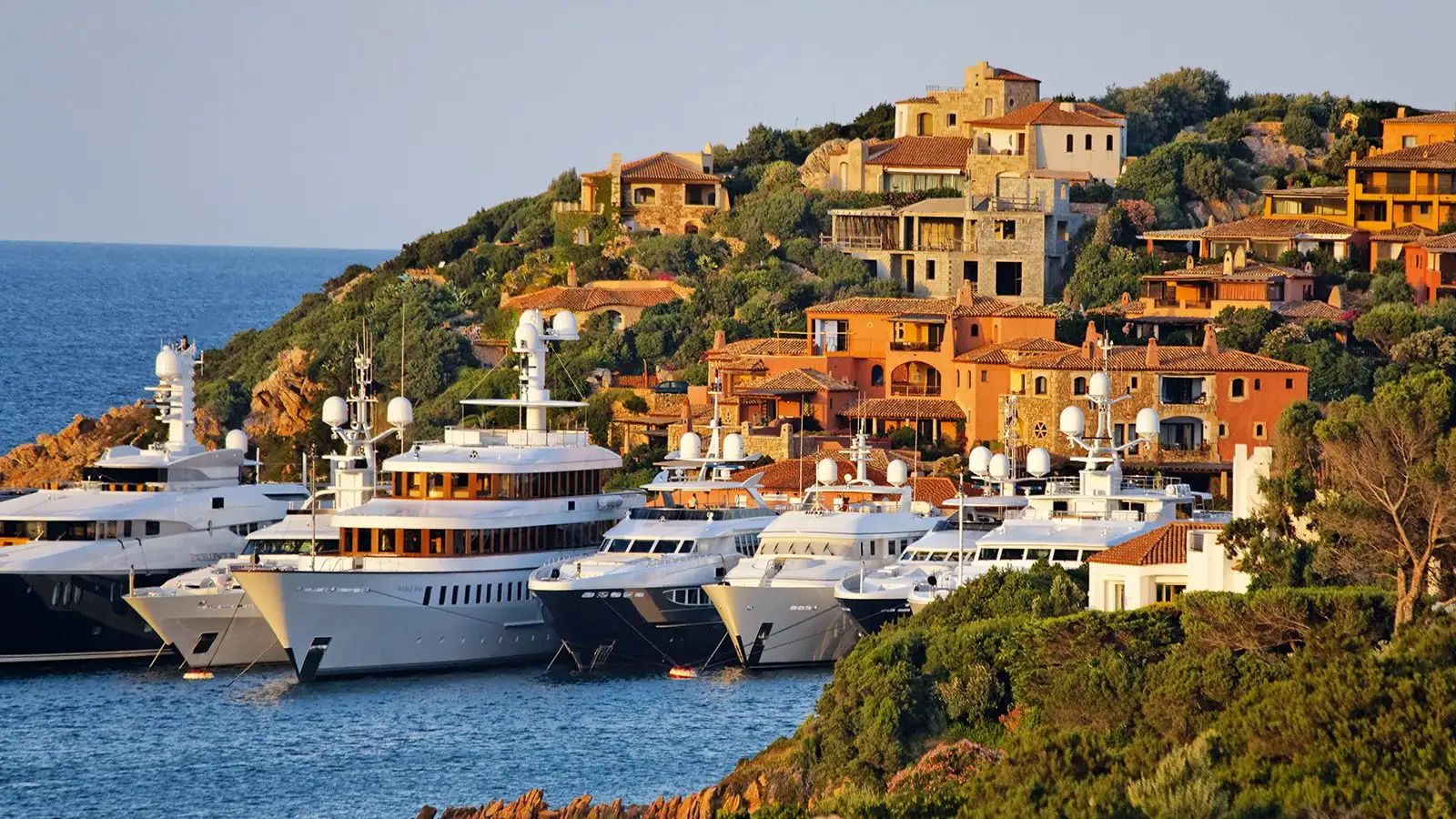
The world-famous stretch of north-east Sardinian coastline where the emerald-green water gave the region its name. Porto Cervo, the main town, is one of the most exclusive resort areas in the Mediterranean, with luxury hotels, super yachts in the marina, and designer boutiques. The beaches here, Capriccioli, Liscia Ruja, Pevero, and Cala di Volpe, are extraordinary. In July and August this area is the haunt of wealthy Europeans and international celebrities. In June and September it is equally beautiful and considerably more accessible in terms of both availability and price. For Indian travelers planning a honeymoon or a luxury beach trip, this is where the finest resort hotels in Sardinia are concentrated.
Alghero
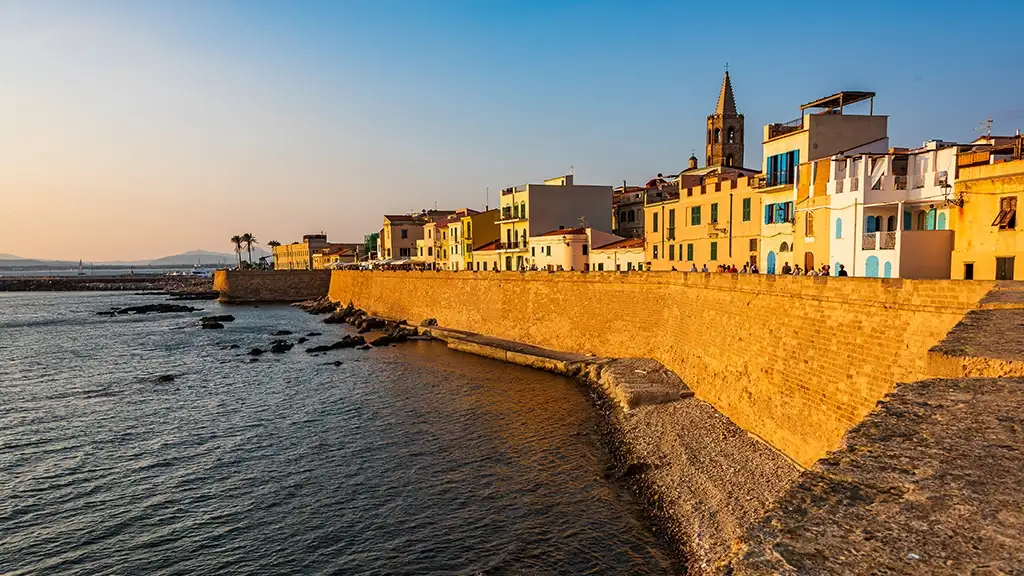
A walled medieval town on the north-west coast with a completely distinctive character. Alghero was under Catalan rule for centuries and a dialect of Catalan is still spoken by some older locals, giving the town a unique identity unlike anywhere else in Sardinia. The old town within the sea walls is beautiful, with good restaurants, a coral jewellery tradition, and views over the sea from the ramparts at sunset. Neptune's Grotto, a spectacular sea cave accessible by boat from the harbour or down a long staircase carved into the cliff, is one of the most impressive natural attractions on the island. The surrounding wine country produces excellent Vermentino. Alghero has its own airport and makes an excellent base for the north-west.
Golfo di Orosei
The stretch of coastline along the Gulf of Orosei in central-eastern Sardinia is widely considered the most beautiful in the Mediterranean. Limestone cliffs plunge directly into turquoise water, with coves accessible only by boat or by long hikes through the Supramonte mountains. Base yourself in Cala Gonone and book boat trips to Cala Goloritzè, Cala Luna, and Cala Fuili in advance. The boat weaves between cliffs and drops you at coves with water so clear the depth is impossible to judge. This section of coastline is the single experience most likely to make you understand why Sardinia is considered one of the finest destinations in the Mediterranean.
Villasimius and the South Coast
The south coast around Villasimius offers some of the finest beaches in Sardinia at prices considerably lower than the Costa Smeralda. Punta Molentis, Simius, and the beaches of the Capo Carbonara Marine Protected Area have water clarity that rivals anything in the north. The snorkelling at Capo Carbonara is excellent and the marine reserve protects an extraordinary variety of sea life. Villasimius is a pleasant town with good accommodation and a lively summer atmosphere. This area is ideal for Indian travelers who want Sardinia's exceptional beach quality without the Costa Smeralda price tag.
Su Nuraxi di Barumini
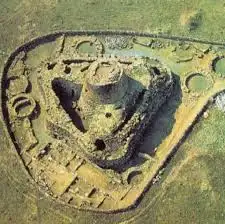
The most important and best-preserved Nuragic site on the island and a UNESCO World Heritage Site. Su Nuraxi is a Bronze Age fortified settlement built from 1500 BC, predating many of the famous ancient sites of the Mediterranean. The central tower and surrounding village have been partially excavated and the scale is genuinely impressive. A guided tour, which runs in English, is strongly recommended. Su Nuraxi sits in the agricultural interior roughly halfway between Cagliari and the Gulf of Orosei, making it a natural stop on a north-south road trip through the island.
Top 5 Beaches in Sardinia
Sardinia's beaches are the finest in Europe by most measures. These five represent the best of what the island offers at different levels of accessibility and different characters.
1. Cala Goloritzè
A UNESCO-protected cove in the Ogliastra region, reachable only by boat from Cala Gonone or by a two-hour hike down through the Supramonte forest. The water is so clear you can see the bottom at 12 metres depth. A white limestone arch rises above the cove on one side. It is cited by multiple publications as the most beautiful beach in Europe and the experience of arriving by boat to find this cove waiting is one of those genuinely unforgettable travel moments. Book your boat trip from Cala Gonone in advance.
2. La Pelosa, Stintino
Located at the far north-west tip of Sardinia near the town of Stintino, La Pelosa is a shallow lagoon of powder-white sand and water that shifts from pale jade to deep turquoise over fifty metres. The comparison with the Maldives is not an exaggeration. Because of the volume of summer visitors, daily entry is now managed and visitor numbers are capped in summer. Arrive before 9am to secure access and a good position, or visit in May or June when the restrictions are lighter and the beach is genuinely uncrowded.
3. Spiaggia Rosa, Budelli Island
The pink-tinged sand beach of Budelli Island in the La Maddalena Archipelago is one of the most distinctive beaches in Italy. The pink colour comes from fragments of coral and shell mixed with the white sand. Landing is prohibited to protect it but you see it clearly from the water during boat tours of the archipelago, which is arresting enough. Book a day trip from La Maddalena town to see the archipelago islands including Budelli.
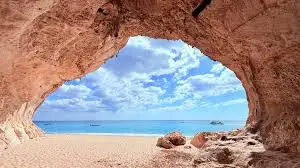
4. Cala Luna
A wide crescent of white sand backed by limestone caves near Cala Gonone. Accessible by boat from Cala Gonone, which takes about thirty minutes along the cliff-lined coast, or by a long walk through the Codula di Luna gorge. The cave mouth at the back of the beach is large enough to walk into and the rock formations inside are extraordinary. One of the most dramatic beach settings in the Mediterranean.
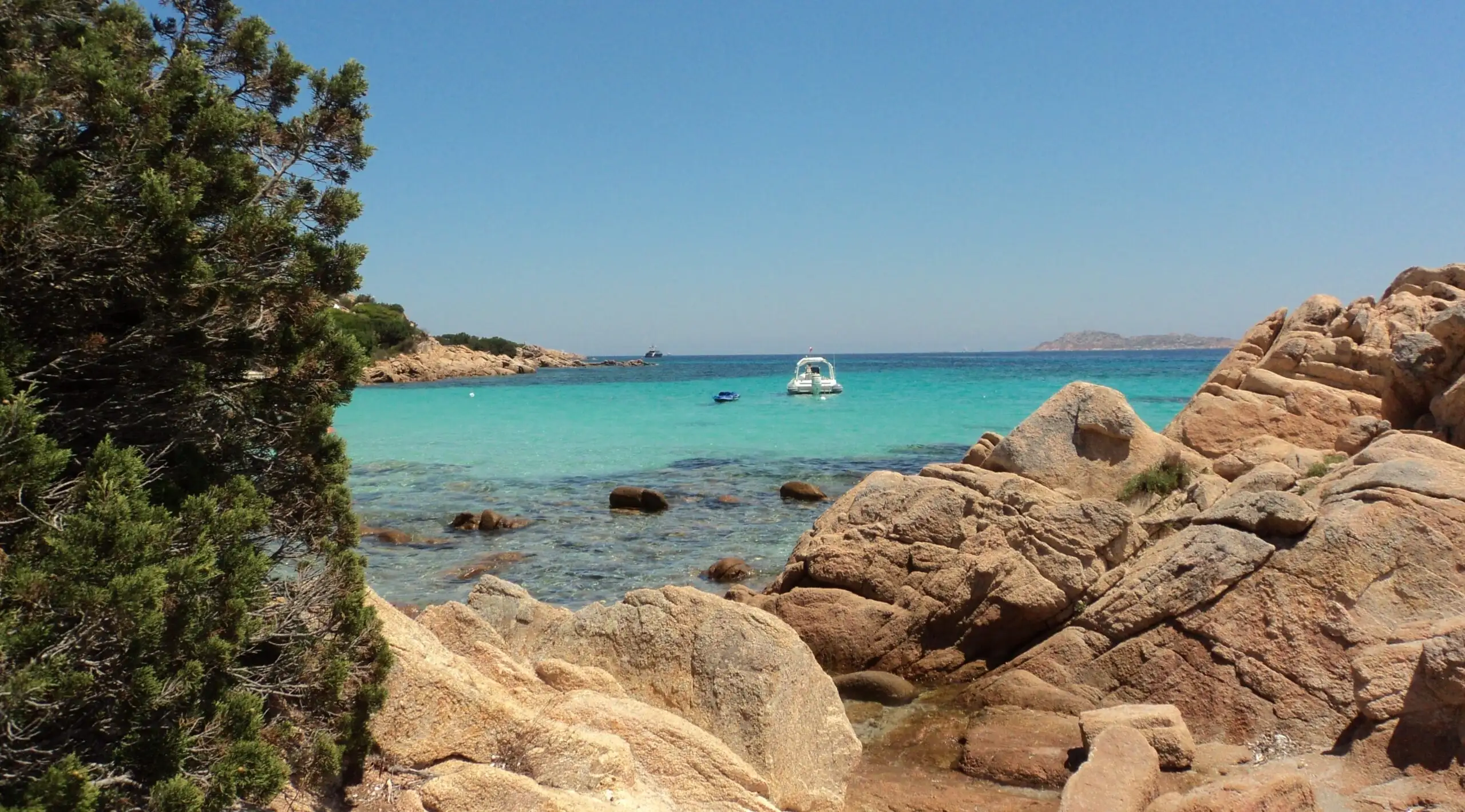
5. Capriccioli, Costa Smeralda
One of the more accessible beaches of the Costa Smeralda and consistently ranked among the finest in northern Sardinia. The water is the intense emerald-green that named the entire region, the granite rocks around the bay create a sheltered and visually dramatic setting, and the beach avoids the extreme exclusivity of some neighbouring Costa Smeralda spots. Accessible by road, which is rare for the best beaches in the north.
Sardinia for Indian Honeymooners
Sardinia is one of the finest honeymoon destinations in Europe and this is widely recognised. The combination of world-class beaches, genuinely luxurious resort hotels, private coves accessible only by boat, and the island's general quietness and natural beauty make it exceptional for couples.
Why Sardinia works so well for honeymooners
The Costa Smeralda in the north has a concentration of resort hotels that are among the finest in the Mediterranean. Cala di Volpe, designed by Jacques Couelle in 1963 with its distinctive curved architecture on a private bay, is one of the most beautiful and recognisable hotels in Europe. Romazzino is quieter and more intimate with a private beach. The Forte Village Resort in the south is a genuinely different concept, more like a small town than a resort, with eight hotels, multiple restaurants, a thalassotherapy spa, and its own beach. For couples who want something less stratospheric in price, the boutique hotels around Villasimius in the south offer the same extraordinary water quality in a more grounded, less ostentatious setting.
Honeymoon budget from India
South Sardinia boutique resort (Villasimius area): 1,40,000 to 2,00,000 INR per couple including flights. The beaches are equally good as the north but the hotels are much more affordable.
Mid-range Costa Smeralda (4-star hotel, not the iconic names): 2,00,000 to 3,00,000 INR per couple including flights.
Luxury Costa Smeralda (Cala di Volpe, Romazzino, or equivalent): 3,50,000 to 5,50,000 INR per couple including flights. These are genuinely world-class properties with prices to match.
Forte Village Resort, south Sardinia: 2,50,000 to 3,50,000 INR per couple including flights. A genuinely extraordinary experience at a more manageable price than the Costa Smeralda top hotels.
Sardinia Visa for Indian Passport Holders
Sardinia is part of Italy and the Schengen Area. Indian citizens need a Schengen visa before travel. One visa covers Sardinia, Sicily, mainland Italy, and all other Schengen countries on the same trip.
How to apply
Apply through the Italian VFS Global centre in your city: Mumbai, Delhi, Bengaluru, Chennai, Hyderabad, or Kolkata. The visa fee is 90 euros, approximately 8,200 rupees at April 2026 rates, and is non-refundable regardless of outcome. Allow a minimum of four weeks and ideally six weeks during the peak April to July application season. Travel insurance must provide minimum 30,000 euros of Schengen-compliant medical coverage.
Documents typically required
• Passport valid for at least three months beyond your return date with at least two blank pages.
• Completed Schengen visa application form.
• Two recent passport-size photographs to Schengen specifications.
• Confirmed return flight booking and hotel or agriturismo reservations for the full trip.
• Bank statements for the last three to six months.
• Travel insurance with minimum 30,000 euro Schengen-compliant medical coverage.
• Proof of employment or business ownership plus leave sanction letter.
• Income tax returns for the previous two years in most cases.
How to Get to Sardinia from India
International flights
There are no direct flights from India to Sardinia. Fly into Rome Fiumicino (FCO) or Milan Malpensa (MXP) and connect to Sardinia by domestic flight. Air India, IndiGo, Lufthansa, Emirates, Qatar Airways, and Etihad operate India to Rome routes from Delhi, Mumbai, Bengaluru, Chennai, and Hyderabad. Return fares from major Indian cities to Rome typically range from 40,000 to 75,000 rupees per person. Book 8 to 12 weeks ahead for summer travel.
Which Sardinia airport to use
• Cagliari-Elmas (CAG): Southern Sardinia. Best gateway for Villasimius, the south coast beaches, Su Nuraxi, and the road north through the interior. Most affordable flights from Rome.
• Olbia-Costa Smeralda (OLB): North-east Sardinia. Best gateway for the Costa Smeralda, La Maddalena Archipelago, and the Gulf of Orosei. The airport name reflects its primary market.
• Alghero-Fertilia (AHO): North-west Sardinia. Best for Alghero, Stintino and La Pelosa, and the western interior. Useful if Alghero is your primary base.
Domestic flights from Rome to any of the three airports take between one hour ten minutes and one hour thirty minutes. ITA Airways, Ryanair, and easyJet all cover the routes. Fares from 3,000 to 7,000 rupees one way if booked in advance.
Getting around Sardinia
A car is not optional in Sardinia. This is the single most important practical point about the island. The best beaches are not reachable by public transport. The interior is not navigable without a car. Bus services connect the main cities but run infrequently and miss most of what makes Sardinia worth visiting. Collect your hire car at the airport on arrival day and return it at the end. Car hire costs approximately 2,800 to 5,500 rupees per day including basic insurance. Full cover insurance is strongly recommended, particularly on the narrow coastal roads in the north and around the Gulf of Orosei.
Two of the finest drives in Sardinia are worth naming. The SS125 Orientale Sarda runs along the east coast from Cagliari to Olbia, passing through some of the most dramatic coastal and mountain scenery on the island. The SP17 panoramic road near Cagliari runs along the coast south toward Villasimius through granite rocks and turquoise water views. Both are best driven slowly.
Sardinia Travel Budget in INR
Sardinia varies significantly in cost depending on where you go and when. The Costa Smeralda is one of Europe's most expensive beach destinations. The south and interior are considerably more affordable. Here is a realistic breakdown per person per day, not including international flights.
Budget traveler — 7,000 to 10,000 INR per day
• Accommodation: Agriturismo in the interior or small guesthouses in Cagliari and Villasimius at 3,500 to 6,000 INR per night.
• Food: Agriturismo half-board meals at 1,500 to 2,500 INR per person. Local restaurants with pasta, seafood, and grilled meat at 1,200 to 2,000 INR per person.
• Transport: Car hire at 2,800 to 4,000 INR per day, split between two people.
• Activities: Public beaches are free. Su Nuraxi entry approximately 1,300 INR. Boat trips from Cala Gonone at 2,500 to 4,000 INR per person.
Mid-range traveler — 13,000 to 20,000 INR per day
• Accommodation: Three-star coastal hotels or boutique B&Bs at 7,000 to 14,000 INR per night.
• Food: One good sit-down meal per day at 2,000 to 4,000 INR per person. Self-catering or agriturismo for other meals.
• Transport: Full car hire at 3,500 to 5,500 INR per day including full cover insurance.
• Activities: Boat trips, guided Nuragic site tours, snorkelling at Capo Carbonara.
Comfortable traveler — 25,000 to 45,000 INR per day
• Accommodation: Boutique coastal hotels in Villasimius or 4-star properties in the Costa Smeralda area at 14,000 to 35,000 INR per night.
• Food: Fine dining at coastal restaurants at 3,500 to 7,000 INR per person per meal.
• Activities: Private boat charter, guided archaeological tours, wine tasting at Cannonau and Vermentino estates.
Overall 7-day trip budget including flights
Budget: 80,000 to 1,05,000 INR per person.
Mid-range: 1,00,000 to 1,40,000 INR per person.
Comfortable: 1,60,000 to 2,50,000 INR per person. Costa Smeralda luxury significantly higher.
Sample 7-Day Sardinia Itinerary for Indian Travelers
This route runs south to north and covers the main highlights: the capital, the best south coast beaches, the Nuragic heritage, the extraordinary Gulf of Orosei, and the north coast. A car is essential throughout and should be collected at Cagliari airport on arrival.
Day 1 — Arrive Cagliari
Arrive at Cagliari airport, collect hire car. Check into accommodation in the city. Afternoon walk through the Castello quarter and the waterfront at the Marina. Dinner in Cagliari. The city's seafood restaurants in the Marina district are among the best on the island. Try fregola with clams or bottarga with butter and pasta.
Day 2 — South Coast Beaches
Drive east from Cagliari to Villasimius. Morning at Punta Molentis, one of the most beautiful beaches in southern Sardinia, a sheltered cove with turquoise water accessible on foot in fifteen minutes. Afternoon at Simius beach or a boat snorkelling trip at Capo Carbonara Marine Reserve. Return to Cagliari or overnight in Villasimius.
Day 3 — Su Nuraxi and the Interior
Drive north through the agricultural interior to Su Nuraxi di Barumini. Allow two hours for a guided tour of the UNESCO Nuragic site. Continue north through the Barbagia region, one of the most distinctive and least visited parts of Sardinia. The villages here have maintained traditions of crafts, food, and costume that feel genuinely unchanged. Overnight in Nuoro or Dorgali.
Day 4 — Gulf of Orosei Boat Trip
This is the highlight of the entire trip for most visitors to Sardinia. Book a full-day boat trip from Cala Gonone to Cala Goloritzè, Cala Luna, and Cala Fuili at least two days in advance, more in summer when they sell out. The boat weaves between limestone cliffs dropping you at coves with water that looks almost impossibly clear. Pack lunch and swimming things. This is non-negotiable.
Day 5 — Drive North
Drive north along the spectacular SS125 Orientale Sarda, one of the finest roads in Sardinia. Stop at the beaches of Arbatax with their extraordinary red porphyry rock formations. Continue to the Costa Smeralda area. Stop at Capriccioli beach on the way to Porto Cervo. Walk around Porto Cervo marina in the late afternoon. Overnight in the Olbia area or on the Costa Smeralda depending on budget.
Day 6 — La Pelosa and Alghero
Morning drive to La Pelosa beach at Stintino in the far north-west. Arrive before 9am to secure a spot. Allow two to three hours at one of the finest beaches in Europe. Then drive south to Alghero for the afternoon. Walk the old town sea walls, visit Neptune's Grotto by boat if the timing works, and eat in the old town in the evening. Overnight in Alghero.
Day 7 — Depart
Morning free in Alghero, a genuinely enjoyable town to spend a final morning in. Fly from Alghero airport (AHO) to Rome and connect home, or drive to Olbia if your return flight uses that airport. Allow sufficient time for the drive.
Sardinia Food Guide: What to Eat and Drink
Sardinian cuisine is rooted in centuries of shepherd and coastal life and is unlike anything you find on the Italian mainland or anywhere else in the Mediterranean. It is rustic, deeply satisfying, and in many cases entirely unique to the island. The food traditions of the Barbagia region in the interior are specifically linked to the island's Blue Zone status and the extraordinary longevity of the local population.
Must-try food
• Porceddu is whole suckling pig slow-roasted over an open fire of myrtle and juniper wood. The skin is crisp, the meat is tender, and the aromatic wood smoke gives it a flavour that is impossible to replicate elsewhere. Eaten at agriturismi and at traditional festivals, particularly in the interior. Order it in advance as it takes hours to prepare.
• Culurgiones are stuffed pasta parcels from the Ogliastra region in the east, filled with potato, pecorino cheese, and fresh mint, sealed with an intricate ear-shaped fold that is entirely specific to this dish. Unlike any other pasta in Italy and worth seeking out specifically.
• Pane carasau is the paper-thin crisp flatbread of Sardinia, eaten with everything. Dipped in olive oil and salt, topped with cheese and local honey, or crumbled into soups. It keeps for months, which is why it was made for shepherds going into the mountains for long periods.
• Malloreddus are small ridged pasta shells, the shape created by rolling over a straw basket, typically served with a sausage and tomato sauce called alla Campidanese. The most distinctively Sardinian pasta shape.
• Bottarga is the cured and dried roe of grey mullet, produced around the lagoons of Cabras on the west coast. Grated over pasta with butter, or sliced thin and eaten with bread, it has an intense briny flavour that is either immediately addictive or an acquired taste. Buy a vacuum-packed piece to take home.
• Fresh seafood along the coast: sea urchins from the crystal waters, clams and mussels from the lagoons around Cagliari, fresh lobster from Alghero where it is cooked alla catalana with tomato and onion.
• Seadas are the signature Sardinian dessert: large ravioli-shaped pastries filled with fresh pecorino and lemon zest, deep-fried and served drizzled with bitter honey from the local strawberry tree. Sweet and savoury at once in a way that is distinctive and genuinely delicious.
Drinks
• Cannonau is Sardinia's indigenous Grenache grape, producing full-bodied, deeply coloured reds with high antioxidant content. Researchers studying the Ogliastra Blue Zone have linked moderate daily consumption of Cannonau to the region's extraordinary longevity rates. It is widely available across the island and excellent value.
• Vermentino di Gallura is the premium white wine of northern Sardinia, crisp, mineral, and slightly aromatic. It is the ideal pairing for seafood and is at its best at a beachside restaurant with a view of the Costa Smeralda.
• Mirto is the traditional digestif made from myrtle berries, dark, sweet, and served ice-cold after dinner. In summer, mirto sorbet appears at good restaurants and is one of the great local pleasures. A bottle to take home is worth the luggage space.
For vegetarians: Sardinia requires some planning but is manageable. Culurgiones, malloreddus with vegetable sauces, pane carasau, the extraordinary variety of local cheeses including fresh and aged pecorino, and the inland vegetable dishes of the Barbagia region are all excellent options. Agriturismi often have strong vegetarian traditions.
Sardinia Travel Tips: What Indian Travelers Need to Know
Book boat trips in advance
Boat trips to the coves of the Gulf of Orosei, particularly Cala Goloritzè, fill up days and sometimes weeks in advance in summer. Book as soon as you know your travel dates. Even in May and June it is worth booking a day or two ahead. Operators on Uppuveli beach in Cala Gonone sell tickets directly.
La Pelosa visitor cap
La Pelosa beach near Stintino operates a daily visitor cap in the summer months with a booking requirement and a small environmental fee. Check the current system before visiting and book online if the system is active for your travel period. Arriving before 9am remains the most reliable strategy and the morning light on the beach at that hour is genuinely spectacular.
Car insurance
Full cover car insurance is strongly recommended in Sardinia, particularly on the narrow coastal roads of the north and the steep mountain roads of the Supramonte and Gennargentu. Basic hire car insurance typically carries a high excess payment. Paying for full cover at the time of hire is consistently the better decision.
Agriturismo accommodation
Agriturismi, working farms that offer accommodation and often half-board meals using their own produce, are one of the most rewarding and affordable ways to experience Sardinia beyond the beaches. Many offer genuine Sardinian cooking, wine from their own vines, and a view across the interior that no hotel can match. They are primarily located away from the coast and work especially well as a base for visiting Su Nuraxi and the Barbagia villages.
Cash
Carry cash in Sardinia. Beach vendors, smaller restaurants, rural agriturismi, and many local businesses in the interior do not accept cards. ATMs are available in all towns but less common in remote coastal and mountain areas. Carry 50 to 100 euros in cash per person per day when in remote areas.
Language
English is spoken at most hotels and tourist-facing businesses in the main coastal towns and the Costa Smeralda. In smaller inland villages and at agriturismi, Italian is necessary. Sardinian, which is a distinct Romance language closely related to Latin, is still spoken by many older locals and you will hear it in the interior villages.
Safety
Sardinia is one of the safest destinations in Italy. Petty crime is minimal compared to mainland Italian cities. The main practical concern is road safety on narrow coastal roads, particularly the northern coastal roads which can be steep and winding. Drive carefully, particularly at night, and do not underestimate journey times.
Frequently Asked Questions About Sardinia Travel
Is Sardinia worth visiting from India?
Absolutely. Sardinia offers world-class beaches, a genuinely ancient and mysterious history, extraordinary food linked to one of the world's great longevity cultures, and wild landscapes unlike anything in mainland Europe. It requires more logistical planning than Sicily in terms of car hire and internal navigation, but the reward is an island that feels genuinely unspoiled and deeply beautiful.
Do I need a car in Sardinia?
Yes. A car is not optional unless you plan to stay exclusively in Cagliari or Alghero. The best beaches are not accessible by public transport. The interior is not navigable without a car. Driving through Sardinia, particularly along the SS125 coastal road and the mountain roads of the Barbagia, is one of the highlights of any visit. Hire from the airport on arrival.
How many days do I need in Sardinia?
Seven days covers the main highlights including the south coast, Su Nuraxi, the Gulf of Orosei, the north coast, and La Pelosa. Ten days gives you space to go properly slow and explore the interior. For a honeymoon focused on beach and resort time, five to seven days in one area is deeply satisfying.
What is the best area to stay in Sardinia?
For the best beaches and luxury resorts, the Costa Smeralda. For affordability with excellent beaches, Villasimius in the south. For a good city base with day trip access to the south coast, Cagliari. For the Gulf of Orosei and boat trips, Cala Gonone. For the north-west and a beautiful old town, Alghero.
Is Sardinia good for a honeymoon from India?
It is one of the best honeymoon destinations in Europe. The combination of world-class beaches, luxury coastal hotels, private coves accessible only by boat, and the island's general quietness and natural beauty make it exceptional for couples. The Costa Smeralda has some of the finest resort hotels in the Mediterranean. South Sardinia boutique hotels with flights from India typically cost 1,40,000 to 2,00,000 rupees per couple. The Costa Smeralda luxury tier runs from 3,50,000 to 5,50,000 rupees per couple.
Is Sardinia more expensive than Sicily?
Generally yes, but less so than many people assume. The Costa Smeralda is among the most expensive beach destinations in Europe. However, south Sardinia and the interior are considerably more affordable. Traveling in May, June, or September cuts costs by 30 to 50 percent compared to August. With smart planning a good Sardinia trip is achievable at a mid-range budget.
What makes Sardinia's food culture unique?
Sardinia is one of the world's Blue Zones, a region where people live significantly longer than average. Researchers have linked this partly to the Cannonau wine, the olive oil, the sheep's milk cheese, the traditional pastoral diet, and the relaxed pace of life in the interior. The food culture is genuinely distinct from mainland Italy and reflects centuries of isolation and self-sufficiency.
What is the Schengen visa fee for Sardinia from India?
The Schengen visa fee is 90 euros, approximately 8,200 rupees at April 2026 rates. Apply through Italian VFS Global in Mumbai, Delhi, Bengaluru, Chennai, Hyderabad, or Kolkata. Allow four to six weeks. One visa covers Sardinia, Sicily, mainland Italy, and all Schengen countries.
Sardinia rewards the traveler who arrives without a full agenda. The best days on the island are the ones where the plan is simply to drive until you find a beach that takes your breath away, swim until the afternoon turns golden, and eat that evening at the agriturismo where the owner brings you food that was not on the menu and which turns out to be the best thing you eat on the entire trip. It is a different Italy from the one most people know. And for many travelers who make the trip, it becomes the Italy they always come back to.