
Offbeat
10 Famous Historical Monuments in India and Their Hidden Stories
Explore 10 historic monuments in India—from the Taj Mahal to Victoria Memorial and Jallianwala Bagh—and uncover the fascinating tales behind these must-see historic places in India.
In this story 11
How many historical sites have you visited so far in India? Have you managed just 2, 3, or even a maximum of 5 such sites? But you would be surprised to find out that there are actually many historical sites around the country, and each of them consists of fabulous stories that can tell the history of such monuments. Some stories carry you on a trip back in time, and some can send chills down your spine. However, all these have a special place in India's history. Here are 10 incredible historical monuments in India and the hidden enigmatic stories behind them.
1. Taj Mahal, Agra
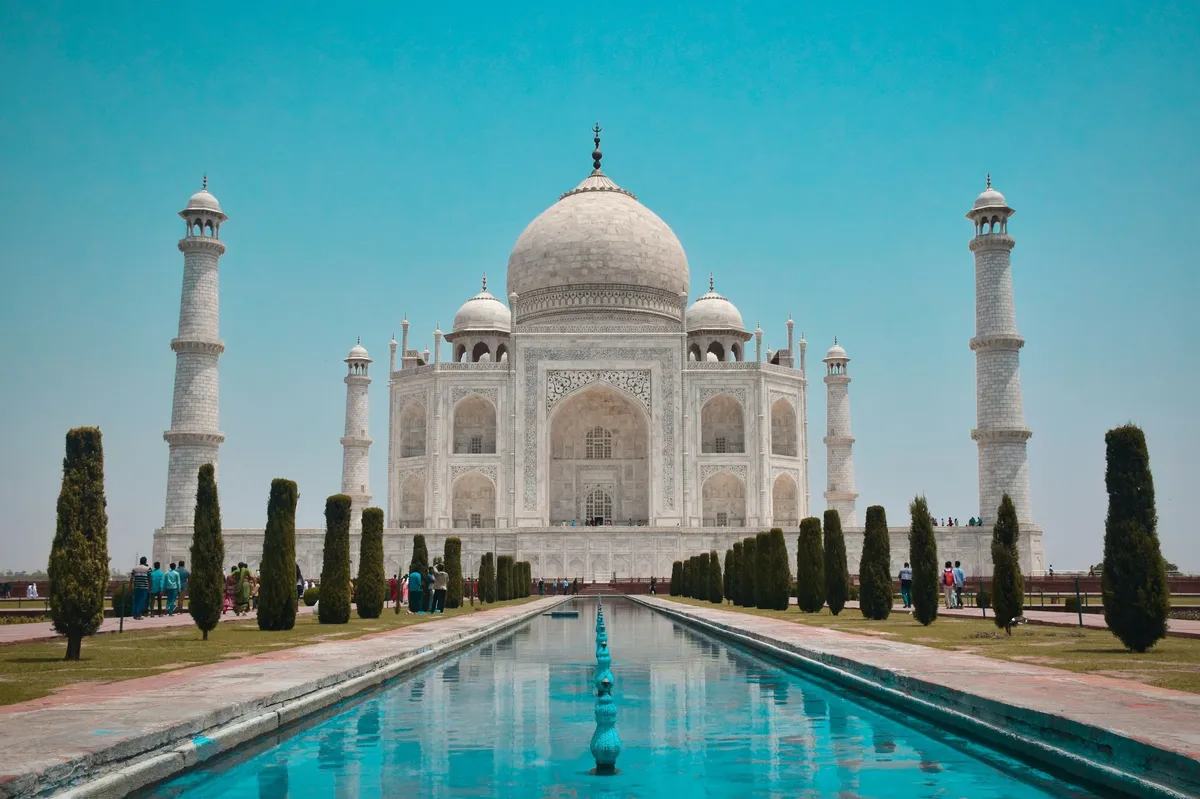
The Taj Mahal, located in Agra, is among the most renowned historical places in India. Constructed by the Mughal Emperor Shah Jahan in memory of his beloved wife, Mumtaz Mahal, it ranks highly on the list of India's historical landmarks and symbolizes beauty and love.
Initiated in 1632, the construction of this magnificent monument took nearly 22 years to complete, and it continues to stand majestically, captivating hundreds of visitors each week who come to admire this historical masterpiece.
As an ideal destination for a weekend escape from Delhi, the Taj Mahal significantly contributes to India's historical tourism. It is recognized as one of the seven wonders of the world. According to legend, after the monument's completion, the Mughal emperor ordered the hands of all the workers to be severed to prevent anyone from replicating such a creation. As you visit the Taj Mahal, soak in its timeless beauty and tragic romance.
2. Agra Fort, Agra
The Agra Fort is a must-visit if you wish to have a better perspective of the Mughal history. This imposing red sandstone historic monument in India was built by Emperor Akbar in 1665. It has two main entrances; the Amar Singh Gate and the Delhi Gate. For an interesting view of the ancient city studded with mosques, gateways, courts, and passages, an entry through Amar Singh Gate would be your best bet.
3. Red Fort
The construction of the Red Fort commenced in 1638 and was completed nearly a decade later in 1648. This monumental fort was built when Shah Jahan relocated the capital from Agra to Delhi, and it was originally referred to as Qila-e-Mubarak.
Today, the Red Fort stands as one of India's most renowned historical landmarks, playing a significant role in the country's historical tourism. It is also notable for being the site where the President of India delivers the annual address on Independence Day.
Originally, the fort was white, but during British rule, it was painted red due to the deterioration of the white limestone. It is recognized as one of India's premier historical sites. Visitors can explore the Rang Mahal, the residence of the wives, concubines, and attendants of the Mughal emperor.
4. Qutub Minar, Delhi
Constructed by the Mughal Emperor Qutub Uddin Aibak, the Qutub Minar is regarded as a prime example of Indo-Muslim architecture. The building reveals remarkable patterns of ornamentation on its tiered levels of red sandstone. Decorations generally consist of inscriptions in Nagari and Arabic, most of which are verses from the Quran inscribed on the walls.
The first mosque set up in India, Quwattul Islam, also lies at the base of the Qutub Minar, thereby enhancing its status from historical accounts. A perfect example of historic places in India blending beauty and mystery. It is the iron pillars which are very interesting since they have remained free from rust for 2000 years, quite astonishing indeed. During the Qutub Minar Festival, an enthralling light show is open for public viewing every evening throughout October and November from 6:30 PM until 8 PM.
5. Humayun’s Tomb, Delhi
Interestingly, the construction of Humayun's Tomb was initiated in the 15th century by Hamida Banu Begum, Humayun's spouse. This impressive structure is recognized as a gem of Indian architecture, characterized by its narrow corridors, charming kiosks, magnificent domes, and exquisite detailing. These features have established Humayun's Tomb as a prominent Indian Historic Site, playing a crucial role in enhancing the heritage tourism experience and attracting a multitude of tourists. Additionally, it is said that the design of Humayun's Tomb had a significant impact on the Taj Mahal, which is itself a key Indian heritage site and one of the most visited architectural wonders in India, thereby fostering the development of historical tourism throughout the country.
Plan this trip
Want a trip like this?
We build every trip from scratch around you. Tell us your dates and we take it from there.
Start Planning WhatsApp us6. Fatehpur Sikri, Uttar Pradesh
Fatehpur Sikri, a historic city in Uttar Pradesh, was once the capital of the Mughal Empire during the reign of Emperor Akbar. Currently, it is recognized as a royal city, featuring an array of palaces, mosques, and other significant historical landmarks that highlight the cultural importance of the era, thus making it a favored historical site in India. The city is believed to have been established between 1571 and 1573 AD, but it was eventually abandoned due to a lack of water supply. Legend says infertile women visit Salim Chisti’s tomb here to seek blessings—one of India’s more touching historic places in India.
7. Hawa Mahal, Jaipur
While many are aware of Jaipur's pink city and the famous Hawa Mahal, how well do you understand its historical context and its contribution to Jaipur's status as a significant Indian landmark? Among the many historical sites in India, Hawa Mahal is distinct.
The palace was commissioned by Maharaja Sawai Pratap Singh, with its upper portion designed to resemble a crown, reflecting the ruler's reverence for Lord Krishna. Notably, Hawa Mahal is recognized as the tallest structure in the world without a foundation. Its slightly curved form remains upright due to its pyramid shape. Legend has it that the multitude of windows was intended for the royal women, allowing them to gaze outside while they were confined by the tradition of 'purdah.' It stands as a whimsical yet powerful historic monument in India.
8. Mahabodhi Temple, Bodh Gaya
It is widely accepted that the Maha Bodhi Temple was erected at the very site where Lord Buddha reached enlightenment while meditating under the Bodhi Tree. This revered tree still exists near the temple, making it one of India's important historical landmarks. According to tradition, the location of the Bodhi Tree is expected to be the final place to fade away when the world concludes. The Mahabodhi Temple is considered one of the four principal holy sites of Buddhism, significantly enhancing the historical tourism landscape in India.
9. Victoria Memorial, Kolkata
The Victoria Memorial is one of the most esteemed historical sites in India, constructed during the peak of British colonialism. The monument was conceived by Lord Curzon, with its design attributed to Sir William Emerson, which contributes to its reputation as a significant historical location. The memorial is set amidst a beautifully landscaped garden, and visitors to the museum will discover a diverse assortment of historical items, including weapons, ornaments, attire, and paintings from the British era in India. Notably, the memorial features a prominent painting of the Prince of Wales, executed in 1876 in Jaipur by the Russian artist Vasili Verestchagen.
10. Jallianwala Bagh, Punjab
The Jallianwala Bagh is undoubtedly one of India's most tragic historical sites. It lies in close vicinity to places of greater importance, like the Golden Temple, and solidly leaves its imprint on the history of this nation, as the massacre was one outstanding bloodshed. It covers a space of nearly 6.5 acres that now stands as the living monument to the mass shooting ordered by General Dyer and the thousands of innocent lives lost. A revulsion was stirred in the wake of this immediate outrage, calling forth the spirit of Independence that was to follow. The memorial was designed by Benjamin Polk and completed in the year 1961.
Why These Are India's Must-See Historical Monuments
They reflect diverse eras: Mughal, Rajput, British, and Buddhist.
Each site tells a story—love, conquest, faith, sacrifice.
Visiting the Taj Mahal or Humayun’s Tomb isn’t just sightseeing—it’s stepping into India’s past.
Questions travellers ask
Which is the most famous monument in India?
The Taj Mahal in Agra, built by Shah Jahan in memory of Mumtaz Mahal, is India's most famous monument and one of the New Seven Wonders of the World.
Which historical monuments are in Delhi?
The Red Fort, Qutub Minar and Humayun's Tomb, all three UNESCO World Heritage Sites.
Which monuments can I see on one trip?
Delhi, Agra and Jaipur, the Golden Triangle, cover six of the ten in about a week: Red Fort, Qutub Minar, Humayun's Tomb, Taj Mahal, Agra Fort, Fatehpur Sikri and Hawa Mahal.
When is the best time to visit India's monuments?
October to March, when North India is cool and dry.
Know someone who should read this?
Send on WhatsAppKeep reading
All stories-
 Read
Destination guides
Wayanad Travel Guide: Treks, Wildlife and Waterfalls
Explore Wayanad with this travel guide—covering Kerala waterfalls, wildlife safaris, spice plantation visits, and serene treks for heart and soul.
Read the story
Read
Destination guides
Wayanad Travel Guide: Treks, Wildlife and Waterfalls
Explore Wayanad with this travel guide—covering Kerala waterfalls, wildlife safaris, spice plantation visits, and serene treks for heart and soul.
Read the story
-
 Read
Destination guides
Tawang Tour Guide: How to Reach, Highlights and Best Time
Discover Tawang, a serene Himalayan town in Arunachal Pradesh, famed for its monastery, Sela Pass, and tranquil beauty. Experience soulful chants, snow-draped peaks, and local tales in this enchanting destination.
Read the story
Read
Destination guides
Tawang Tour Guide: How to Reach, Highlights and Best Time
Discover Tawang, a serene Himalayan town in Arunachal Pradesh, famed for its monastery, Sela Pass, and tranquil beauty. Experience soulful chants, snow-draped peaks, and local tales in this enchanting destination.
Read the story
-
 Read
Culture
10 Best Places to Visit in Europe in Summer
What are the best European destinations to spend your summer in the most idyllic way? Read on as we unravel!
Read the story
Read
Culture
10 Best Places to Visit in Europe in Summer
What are the best European destinations to spend your summer in the most idyllic way? Read on as we unravel!
Read the story
-
 Read
Destination guides
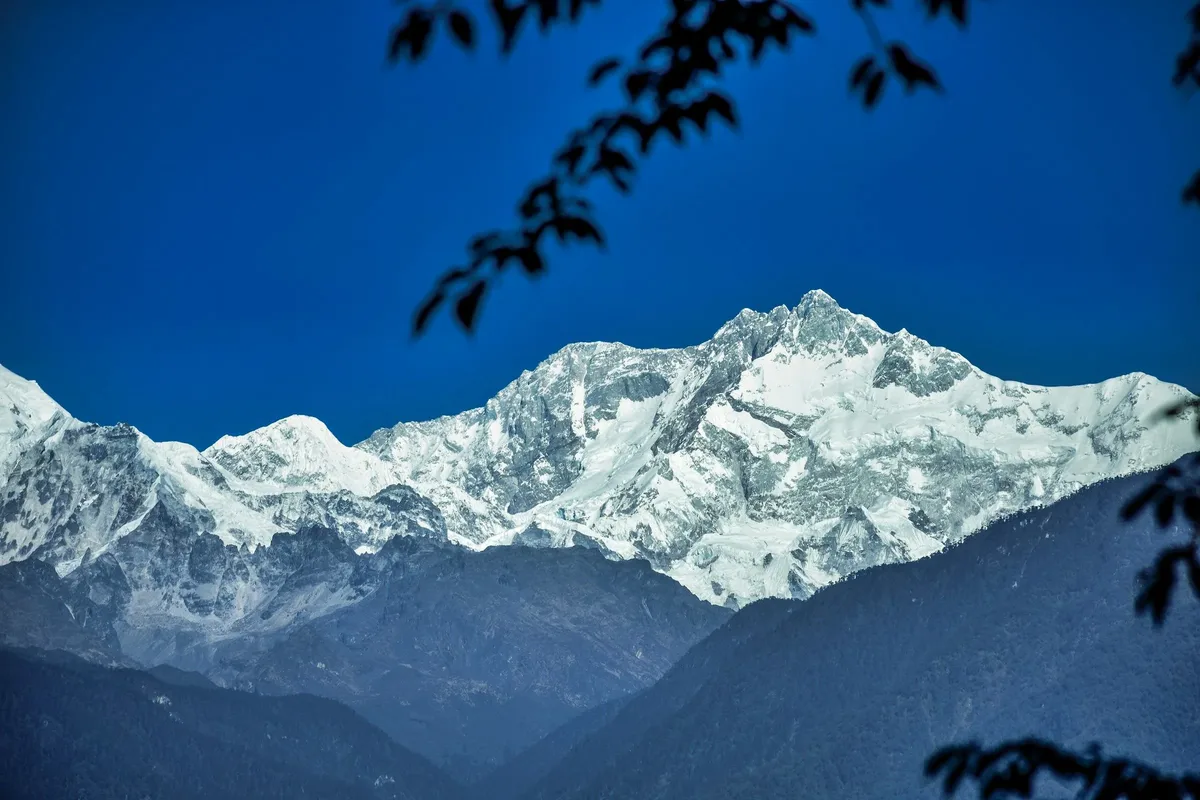
Pelling, Sikkim: Kanchenjunga Views and Hidden Gems
Explore Pelling with our Sikkim travel guide—from sunrise Kanchenjunga views, monasteries & waterfalls to Pelling’s hidden gems in Sikkim. Perfect for slow-paced, soulful mountain escapes.
Read the story
Read
Destination guides
Pelling, Sikkim: Kanchenjunga Views and Hidden Gems
Explore Pelling with our Sikkim travel guide—from sunrise Kanchenjunga views, monasteries & waterfalls to Pelling’s hidden gems in Sikkim. Perfect for slow-paced, soulful mountain escapes.
Read the story
-
 Read
Offbeat
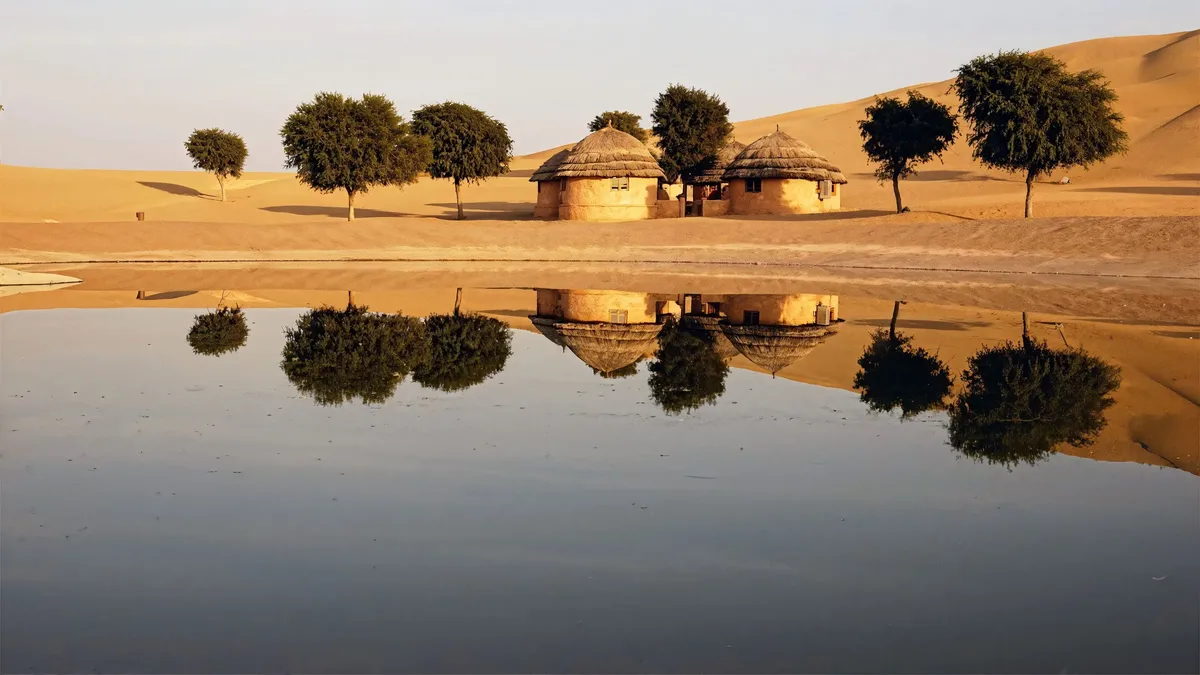
Khimsar, Rajasthan: A Quiet Desert Escape
Khimsar in Rajasthan is a hidden desert retreat where ancient forts meet golden dunes. Far from the crowds, it’s a place to watch sunsets, ride camels, and discover the raw, untouched magic of the Thar Desert.
Read the story
Read
Offbeat
Khimsar, Rajasthan: A Quiet Desert Escape
Khimsar in Rajasthan is a hidden desert retreat where ancient forts meet golden dunes. Far from the crowds, it’s a place to watch sunsets, ride camels, and discover the raw, untouched magic of the Thar Desert.
Read the story
-
 Read
Bali · Offbeat
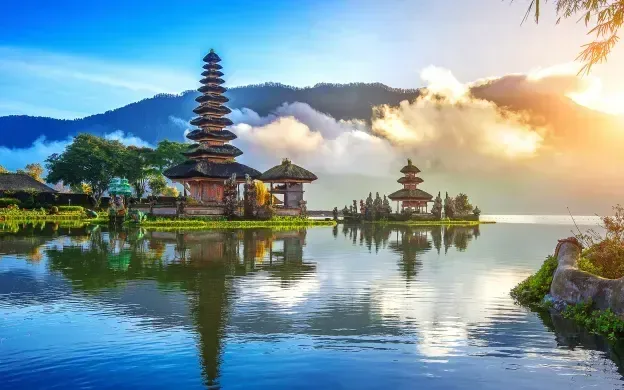
5 Offbeat Places in Bali Worth Finding
Discover offbeat Bali destinations beyond the crowds. From jungle waterfalls and mountain viewpoints to sacred cliffside temples, explore hidden places in Bali that offer tranquility, adventure, and unforgettable…
Read the story
Read
Bali · Offbeat
5 Offbeat Places in Bali Worth Finding
Discover offbeat Bali destinations beyond the crowds. From jungle waterfalls and mountain viewpoints to sacred cliffside temples, explore hidden places in Bali that offer tranquility, adventure, and unforgettable…
Read the story
-
 Read
Adventure
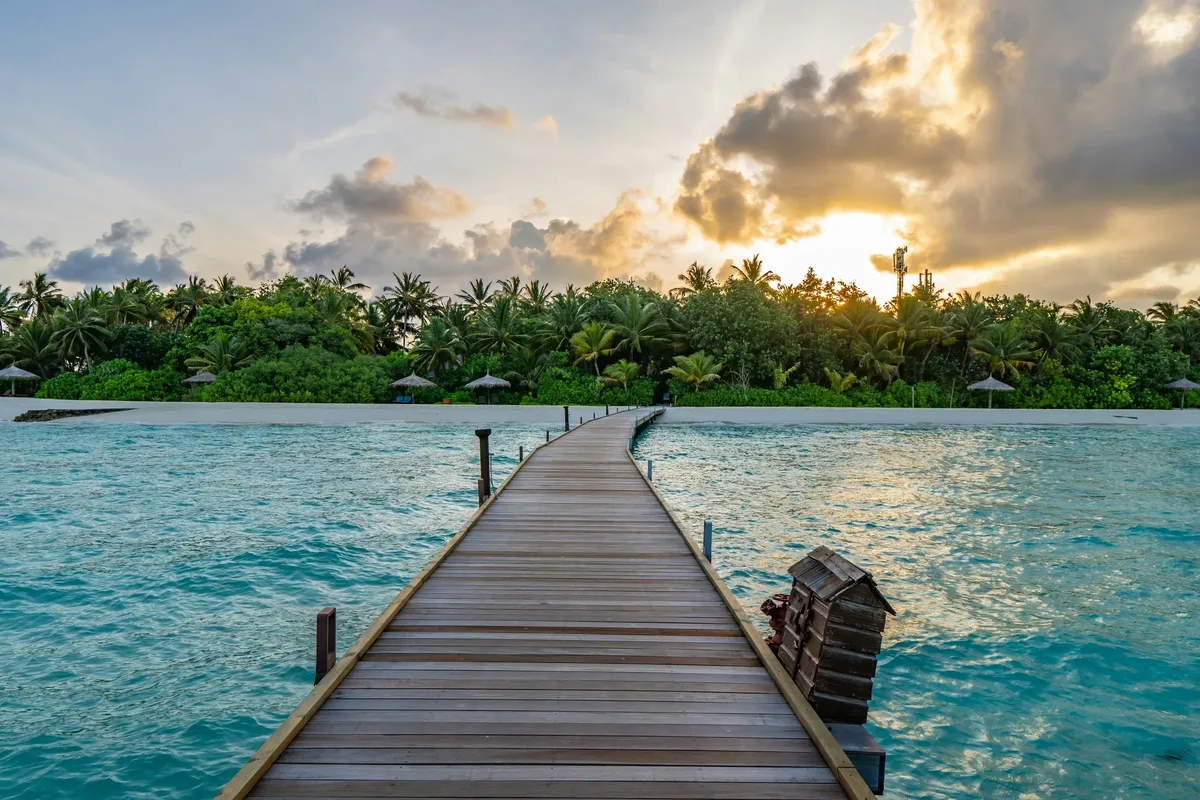
Maldives on a Budget: 6 Ways to Save
From flights to hotels and island activities, holidaying in the Maldives comes with a hefty price tag. So, how do you cut back on the cost and still enjoy the best? Read on!
Read the story
Read
Adventure
Maldives on a Budget: 6 Ways to Save
From flights to hotels and island activities, holidaying in the Maldives comes with a hefty price tag. So, how do you cut back on the cost and still enjoy the best? Read on!
Read the story
-
 Read
Destination guides
Majuli, Assam: A Guide to the World's Largest River Island
Step into Majuli, the world’s largest river island in Assam, where satras echo with chants, sunsets melt into the Brahmaputra, and life flows gently.
Read the story
Read
Destination guides
Majuli, Assam: A Guide to the World's Largest River Island
Step into Majuli, the world’s largest river island in Assam, where satras echo with chants, sunsets melt into the Brahmaputra, and life flows gently.
Read the story
-
 Read
Offbeat
Lauterbrunnen, Switzerland: The Fairy-Tale Valley of 72 Waterfalls
Lauterbrunnen, tucked in the Swiss Alps, is a dreamy valley of 72 waterfalls, alpine meadows, and cliffside villages. Known for Staubbach Falls and scenic hikes to Mürren and Wengen, it’s a peaceful, picture-perfect…
Read the story
Read
Offbeat
Lauterbrunnen, Switzerland: The Fairy-Tale Valley of 72 Waterfalls
Lauterbrunnen, tucked in the Swiss Alps, is a dreamy valley of 72 waterfalls, alpine meadows, and cliffside villages. Known for Staubbach Falls and scenic hikes to Mürren and Wengen, it’s a peaceful, picture-perfect…
Read the story
This starts with a conversation.
Tell us where you're headed — we'll take it from there.