
Culture
Winter Traditions Around the World: How Different Cultures Celebrate the Cold
Did you know that people around the world observe different winter traditions, yet they’re all celebrating the same underlying theme?
On 21st December, the shortest day of the year, on a fine winter afternoon, women in a Chinese household gather to prepare a feast. Along with loud chatter, the house is filled with the fresh aroma of glutinous rice balls and round white dumplings, which they are lovingly preparing for the guests who are about to arrive in a few hours. On the night of Dongzhi, the most auspicious day of the Chinese calendar, a shift in cosmic energy is taking place. Yin, which signifies darkness, cold, stillness and inward energy is slowly fading on the longest and darkest night of the year. Yang, which signifies light, warmth, growth and outward energy is gradually rising, representing a turning point in the cosmic balance.
Miles away from China, on the same day, another family in Iran is travelling to the home of the eldest person in their family to celebrate the festival of Shab-e-yalda. They’re carrying cut watermelons, peeled pomegranates and a basket of citrus fruits with them. When they reach their destination, they’re welcomed with hugs and kisses, by their other family members, to a home which is adorned in red coloured decor. The family now plans to have a hearty meal around a candlelit table (referred to as Yalda) and stay up until midnight to recite the poems, stories, folk tales and anecdotes by elderly members of the family.
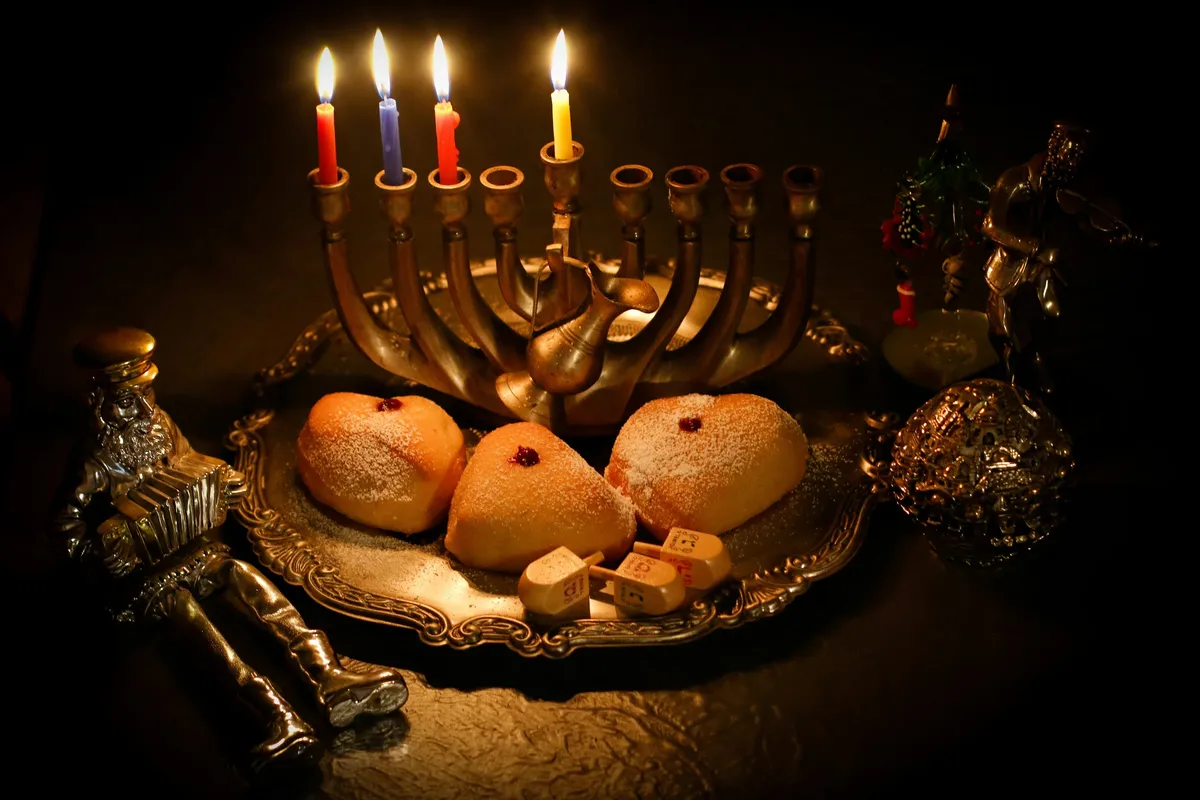
Around the same time, week-long rituals are taking place in Israel and other parts of the world, amongst Jewish communities. Jews around the world are lighting menorahs, while narrating the story of the oil miracle to their children. Elders are telling children about the time when the Maccabees reclaimed the Temple of Jerusalem to find only a day’s supply of oil to light the Temple’s menorah. To everyone’s surprise, it lasted eight days until more oil could be prepared. This is why Hanukkah lasts eight nights, and why lighting candles is at the heart of the celebration. And while this story is being narrated, a huge tray of fried foods is being served. Potato pancakes and jelly doughnuts are the first items to go off the table.
A few weeks later, on new year’s eve, the skies of Scotland are illuminated with fireworks, and the streets are filled with the sounds of church bells and people holding bright torchlights. People have joined hands to make a circle and sing the famous song – “Auld Lang Syne” to honour friendships, love and memories. Meanwhile, Scottish homes are celebrating the cherished tradition of first-footing, where dark-haired men are carrying symbolic gifts like coal (for warmth), whiskey (for good cheer) and shortbreads or black buns (for prosperity) to influence their household’s luck. Inside, the home is filled with the aroma of steak pies, shortbreads, and haggis. It’s the festival of Hogmanay and the Scottish are all set to welcome the new year and get on to beautiful new beginnings.
Plan this trip
Want a trip like this?
We build every trip from scratch around you. Tell us your dates and we take it from there.
Start Planning WhatsApp usFarther from Scotland, across the Atlantic Ocean, Guatemalans are cleaning their homes during the day to prepare for the Feast of the Immaculate Conception. In the evening, they plan to gather around their neighbourhoods for the burning of the devil-shaped puppet, representing everything people want to get rid of spiritually. La Quema del Diablo is finally here!
It’s the month of December, and something unbelievable is happening around the world. But what exactly is happening? And why?
Remember when Ned Stark said “Winter is Coming”? He was warning his sons of the harsh and unpredictable times that lay ahead. Much like GOT, winters around the world bring long nights, darkness, and cold. They’re gloomy and isolated, and can shake even the strongest spirits unless we find warmth – in each other, in small rituals, and in the promise that light always returns.
For thousands of years, across many civilizations and despite traditions looking very different, people have developed winter rituals for the same core reasons – to bring some light in the darkness, to strengthen communities during the cruel weather, to enjoy the stored harvests and to lift spirits during a difficult season. Winter hence, is a season that calls people together to celebrate, to endure, to reflect, and to hope.
So if you’re a traveller seeking to truly understand cultures, winter is your cue to pack your bags and embark on a festive journey.
Questions travellers ask
What is the Dongzhi festival?
China's winter solstice festival around 21 December, when families gather to eat glutinous rice balls and dumplings.
Why do so many winter traditions fall around 21 December?
It is the shortest day of the year in the northern hemisphere, so many cultures celebrate the return of longer days.
Where can I see winter traditions while travelling?
Plan a December or January trip around a local festival; ask us and we will match one to your dates.
Know someone who should read this?
Send on WhatsAppKeep reading
All stories-
 Read
Culture
10 Best Places to Visit in Europe in Summer
What are the best European destinations to spend your summer in the most idyllic way? Read on as we unravel!
Read the story
Read
Culture
10 Best Places to Visit in Europe in Summer
What are the best European destinations to spend your summer in the most idyllic way? Read on as we unravel!
Read the story
-
 Read
Culture
Gokarna Trip Guide: Beaches, Temples and How to Get There
Discover the essence of a Gokarna trip: top places to visit in Gokarna, how to get there, what to do, and the best season for authentic Gokarna travel.
Read the story
Read
Culture
Gokarna Trip Guide: Beaches, Temples and How to Get There
Discover the essence of a Gokarna trip: top places to visit in Gokarna, how to get there, what to do, and the best season for authentic Gokarna travel.
Read the story
-
 Read
Destination guides
Best Places to Visit in India in August and September 2027
Monsoon green and post-monsoon calm: where to go in India in August and September 2027, from Ladakh and Spiti to Meghalaya, Ziro, Hampi and the Andamans.
Read the story
Read
Destination guides
Best Places to Visit in India in August and September 2027
Monsoon green and post-monsoon calm: where to go in India in August and September 2027, from Ladakh and Spiti to Meghalaya, Ziro, Hampi and the Andamans.
Read the story
-
 Read
Planning tips
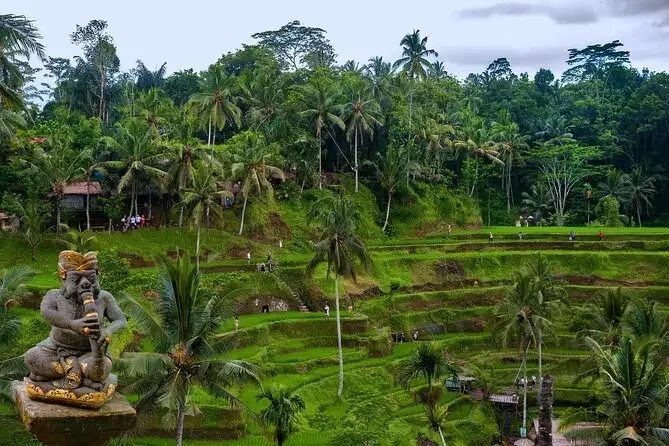
Best Countries to Visit in August and September from India (2027)
August is peak season, September the smart month: the best countries to visit from India in August and September 2027, with visas, flights and budgets for each.
Read the story
Read
Planning tips
Best Countries to Visit in August and September from India (2027)
August is peak season, September the smart month: the best countries to visit from India in August and September 2027, with visas, flights and budgets for each.
Read the story
-
 Read
Destination guides
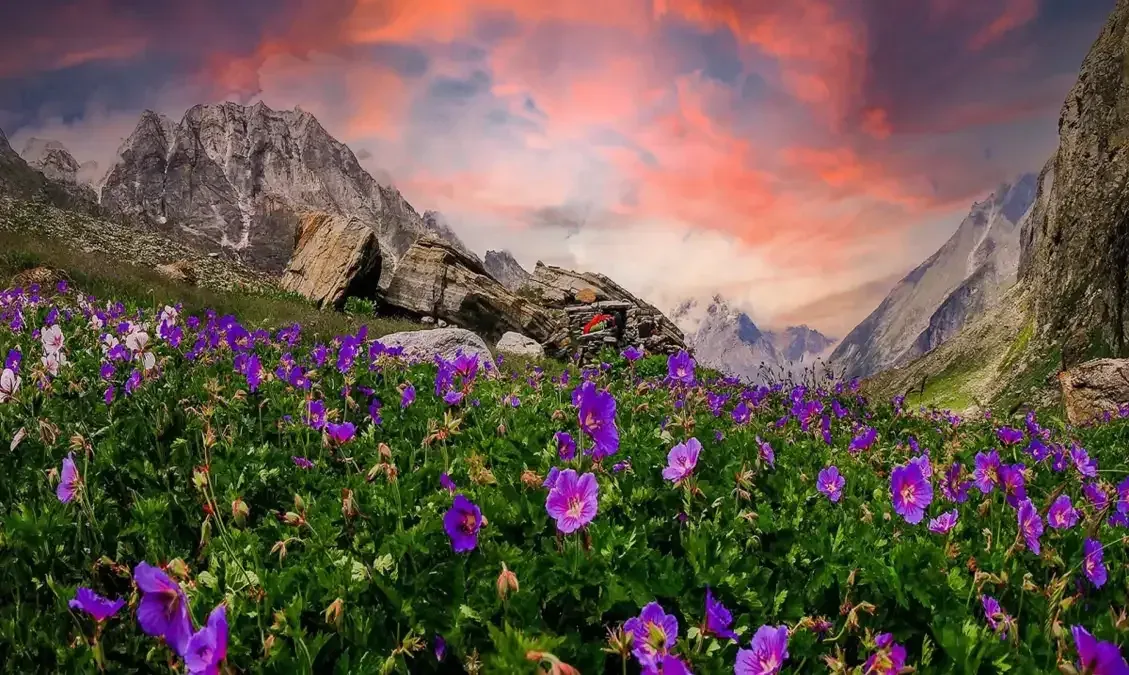
Best Places to Visit in India in July 2027
Valley of Flowers, the Hemis festival on 13 and 14 July, Rath Yatra on 5 July and the monsoon Ghats: the best places to visit in India in July 2027.
Read the story
Read
Destination guides
Best Places to Visit in India in July 2027
Valley of Flowers, the Hemis festival on 13 and 14 July, Rath Yatra on 5 July and the monsoon Ghats: the best places to visit in India in July 2027.
Read the story
-
 Read
Planning tips
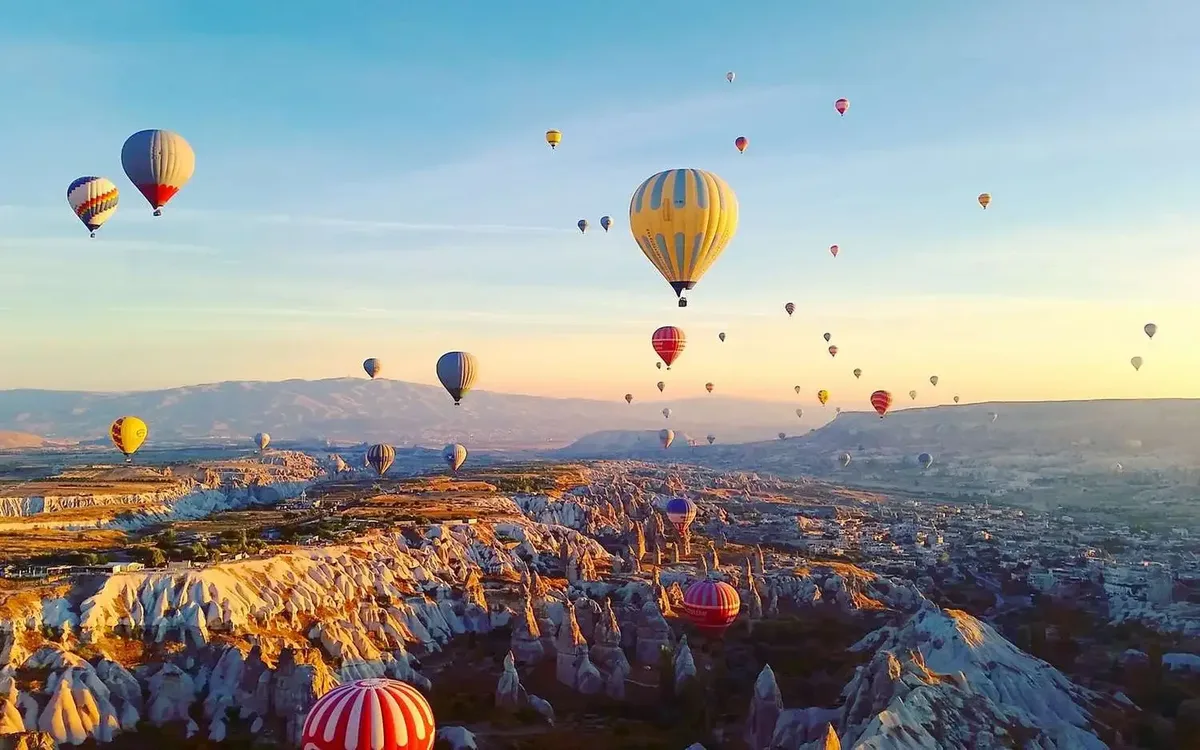
Best Countries to Visit in July from India (2027)
Where to go abroad in July 2027 from India: Bali at its driest, Mauritius in its best month, Sri Lanka's east coast, the Maldives off-season, and Europe done smartly.
Read the story
Read
Planning tips
Best Countries to Visit in July from India (2027)
Where to go abroad in July 2027 from India: Bali at its driest, Mauritius in its best month, Sri Lanka's east coast, the Maldives off-season, and Europe done smartly.
Read the story
-
 Read
Destination guides
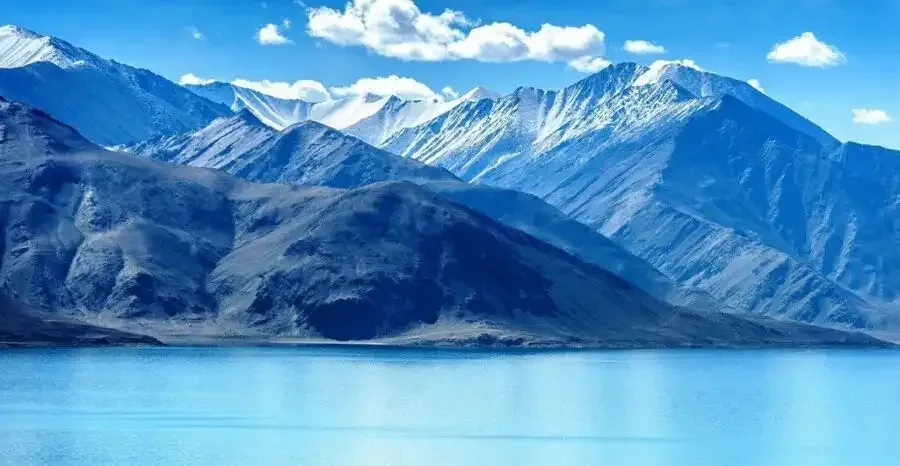
Best Places to Visit in India in June 2027
Himachal, Ladakh, Kashmir, the Western Ghats and the Northeast: where to go in India in June 2027, and what the monsoon means for each place.
Read the story
Read
Destination guides
Best Places to Visit in India in June 2027
Himachal, Ladakh, Kashmir, the Western Ghats and the Northeast: where to go in India in June 2027, and what the monsoon means for each place.
Read the story
-
 Read
Planning tips
Best Countries to Visit in June from India (2027)
Where to travel abroad in June 2027 from India: Europe in early summer, Bali's dry season, the Maldives and Mauritius at good prices, Japan, Turkey and Singapore, with visa rules.
Read the story
Read
Planning tips
Best Countries to Visit in June from India (2027)
Where to travel abroad in June 2027 from India: Europe in early summer, Bali's dry season, the Maldives and Mauritius at good prices, Japan, Turkey and Singapore, with visa rules.
Read the story
-
 Read
Destination guides
Best Places to Visit in India in May 2027
Escape the May heat: the hill stations, Himalayan valleys, Northeast getaways and islands that are at their best in May 2027, and the places to skip.
Read the story
Read
Destination guides
Best Places to Visit in India in May 2027
Escape the May heat: the hill stations, Himalayan valleys, Northeast getaways and islands that are at their best in May 2027, and the places to skip.
Read the story
This starts with a conversation.
Tell us where you're headed — we'll take it from there.