
Vietnam · Destination guides
How to plan a Vietnam trip: street food, noisy cities and quiet mornings
Plan a Vietnam trip around street food, noisy cities and quiet early mornings. It covers where to base yourself, when to go, getting around and the visa you need as an Indian passport holder.
In this story 9
Months from now, you probably won't remember the checklist. You'll remember a bowl of noodles on a plastic stool, a city that never lowers its volume, and a still morning by the water before the day began. Plan for those three things and the rest of the trip gets easier. Base yourself in a few walkable places, eat at street stalls, and save early mornings for lakes and water.
Street food you will actually remember
[photo blog_posts/12936500e3204d4a.webp | Hanoi's mornings start on the sidewalk, over bowls of pho on plastic stools. Photo: Anh Tuấn Lê / Pexels.]
In Hanoi, mornings start at the sidewalk. Office workers in formal suits sit on plastic stools by the pavement, chatting over steaming bowls of pho. Pull up a stool beside them and you are eating breakfast the way the city does.
Hanoi plates worth planning around
- Bún chả: grilled pork served with a dipping sauce, rice vermicelli and fresh herbs. It is a Hanoi signature, so eat it here rather than anywhere else.
- Bánh cuốn: steamed rice rolls, typically ₹110–180 (30,000–50,000 VND) a plate at street stalls and up to ₹290 (80,000 VND) at restaurants.
The price gap is the practical point. A street-stall plate typically costs ₹110–180, while a restaurant plate can cost up to ₹290.
Beyond Hanoi
Da Nang has bún chả cá, rice vermicelli with fish cake, sold at an eatery on Le Hong Phong Street that dates from the 1970s. Ho Chi Minh City pairs street food with nightlife.
Vegetarian eating
In Ho Chi Minh City, Du Yen is a Michelin-selected vegetarian restaurant that opened in mid-2023. It is the one to book if you want a sit-down vegetarian meal in the south.
The noisy cities
[photo blog_posts/33cc745ad21948c1.webp | Ho Chi Minh City is louder and wider than Hanoi, with street food and nightlife at its core. Photo: Charlie Nuñez / Pexels.]
Hanoi's Old Quarter is 36 streets in a single square kilometre. Since the 15th century, each street has been home to artisans and craftsmen who traded in the one thing the street was named for. The names still tell you where you are, and the trades still cluster.
Ho Chi Minh City is louder and wider. Its street food and nightlife mix is the reason to come. Between meals, the Reunification Palace and the War Remnants Museum give the city some weight. April and September are good months for its historic sights.
Our view: spend a full day on foot in the Old Quarter with no plan. The wandering is the sight, and a fixed list of stops would only get in its way.
Quiet mornings
[photo blog_posts/943a0c243f4d4bb8.webp | Early mornings bring calm water and quiet hours before the city wakes. Photo: Nguyễn Du / Pexels.]
The noise has an off switch if you get up early enough.
- Hoan Kiem Lake, Hanoi: locals exercise and practise tai chi in the gardens by the water's edge. Go early and watch the city's daily routine before the traffic builds.
- Ninh Binh: water lilies bloom along the Ngo Dong River in Tam Coc from October to December. The best hours are 7–11 a.m.
- Ha Long Bay: winter mornings often bring mist. A cruise of two or more nights lets the boat travel further into the bay, or into neighbouring Bai Tu Long Bay or Lan Ha Bay, where it is quieter.
Wherever you stay, book the early slot rather than the late one. The lake and the river are calmer at that hour than at any other.

Plan this trip
Thinking about Vietnam?
We build every trip from scratch around you. Tell us your dates and we take it from there.
Plan my trip WhatsApp us Read the full guide: VietnamThe pleasure of wandering
[photo blog_posts/7ffb8d3fb4ce49d8.webp | Wandering the Old Quarter without a fixed plan is the sight itself. Photo: bún bò bún đậu / Pexels.]
Hoi An's Ancient Town is best on a lantern-lit evening. On the 14th day of each lunar month, the Ancient Town turns off its electric lights and thousands of colourful lanterns light the streets. If you can match your dates to that night, do.
Da Nang rewards a slower day. Spend a morning at My Khe Beach, or follow the winding forest roads of the Son Tra Peninsula, with viewpoints over the sea.
Best time to go
[photo blog_posts/1b5bd68df3964ffd.webp | Spring and autumn bring milder weather to the north, when the countryside is at its best. Photo: thanhhoa tran / Pexels.]
- North (Hanoi, Ninh Binh, Ha Long Bay): spring (February–April) or autumn (September–November), when the weather is milder at 18–25°C. Summer (May–August) is hot, humid and wet.
- Ho Chi Minh City: most comfortable from December to April, in the dry season. May to November brings short, heavy showers, and temperatures generally stay around 25–34°C.
- Central Coast: November is in the rainy season, and the dry season begins in February. If you are travelling between November and March, put Da Nang and Hoi An late in the trip.
Getting around without stress
[photo blog_posts/fdb2261e735c4e44.webp | Ride-hailing apps such as Grab work in the major cities, and taxis at airports should be metered or pre-booked. Photo: Pew Nguyen / Pexels.]
Ride-hailing apps such as Grab work in Vietnam's major cities. Short city rides typically cost ₹110–370 (30,000–100,000 VND).
For Ninh Binh, take the morning train from Hanoi, which takes 2 hours 13 minutes. A limousine van from the Old Quarter takes 2 to 3 hours.
At airports, use metered or pre-booked taxis. Taxi scams are a known problem.
Visa and entry
Indian ordinary-passport holders are not visa-exempt, so you need a visa. Apply through Vietnam's official e-visa portal. Your passport must expire at least six months after you arrive. An e-visa has a maximum validity of 90 days, and the dates on your approved visa govern how long you can stay.
How much per day
These cover stay, local transport, meals and activities, as city averages for Da Nang, Hanoi and Ho Chi Minh City.
Send us your dates, your budget and what you want to feel, and we'll take it from there. Tell us about your trip
Questions travellers ask
Do I need a visa for Vietnam?
Yes. Indian ordinary-passport holders are not visa-exempt. Your passport must expire at least six months after you arrive.
How long can I stay on an e-visa?
An e-visa has a maximum validity of 90 days. The dates on your approved visa set the stay you are allowed.
When is the best time for Hanoi and Ninh Binh?
Spring (February–April) or autumn (September–November), when the weather is milder at 18–25°C.
Is street food safe to eat?
Drink only boiled or bottled water, and wash your hands well and often.
Are there vegetarian options?
Yes. Du Yen in Ho Chi Minh City is a Michelin-selected vegetarian restaurant that opened in mid-2023.
How do I get from Hanoi to Ninh Binh?
The morning train takes 2 hours 13 minutes. A limousine van from the Old Quarter takes 2 to 3 hours.
Destination guidesFood & culinaryCulture
Know someone who should read this?
Send on WhatsAppKeep reading
All stories-
 Read
Vietnam · Destination guides
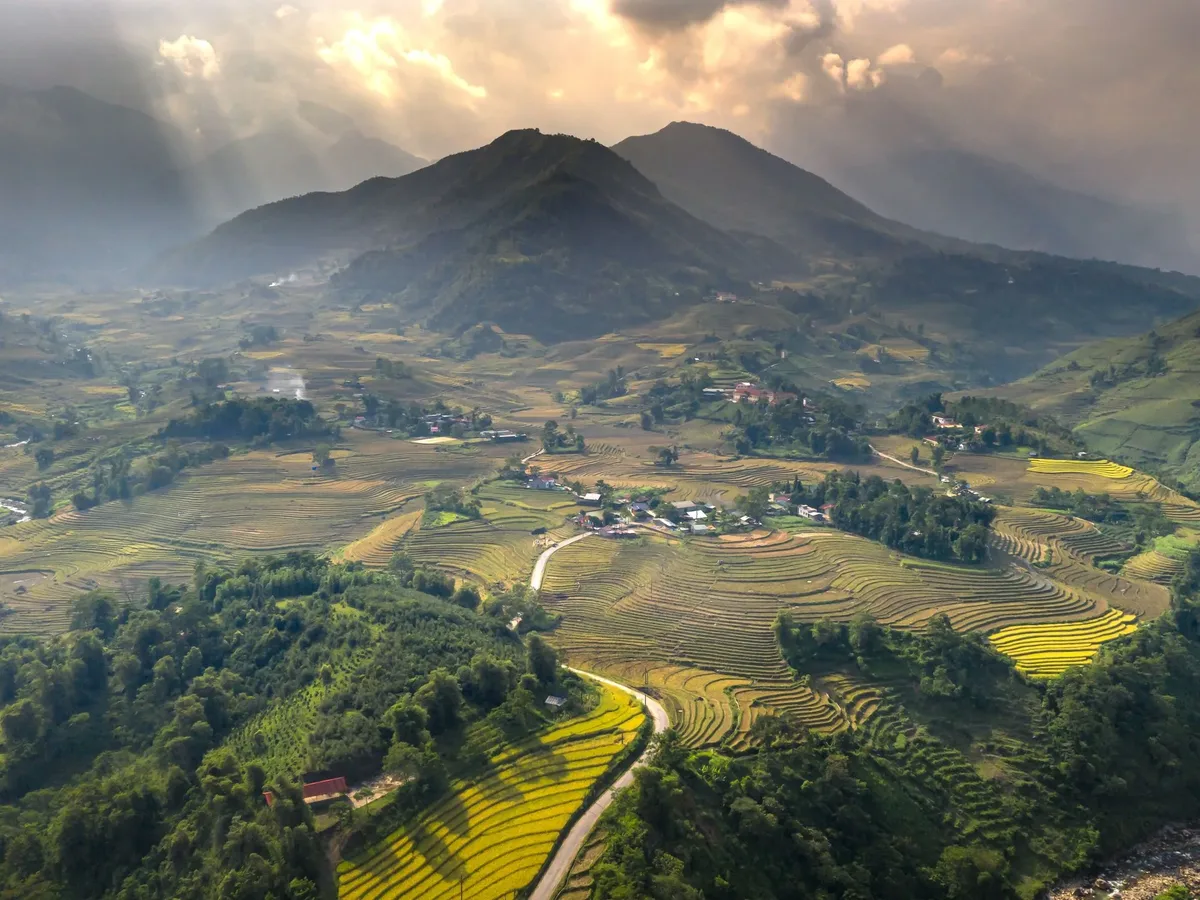
Vietnam Itinerary for a First Trip: 7, 10 or 14 Days, Day by Day
Choose a 7, 10 or 14-day Vietnam route by the time you have, with a day-by-day plan from Hanoi to Ho Chi Minh City. The guide covers Ha Long Bay, Ninh Binh, Hue, Hoi An and Sapa.
Read the story
Read
Vietnam · Destination guides
Vietnam Itinerary for a First Trip: 7, 10 or 14 Days, Day by Day
Choose a 7, 10 or 14-day Vietnam route by the time you have, with a day-by-day plan from Hanoi to Ho Chi Minh City. The guide covers Ha Long Bay, Ninh Binh, Hue, Hoi An and Sapa.
Read the story
-
 Read
Destination guides
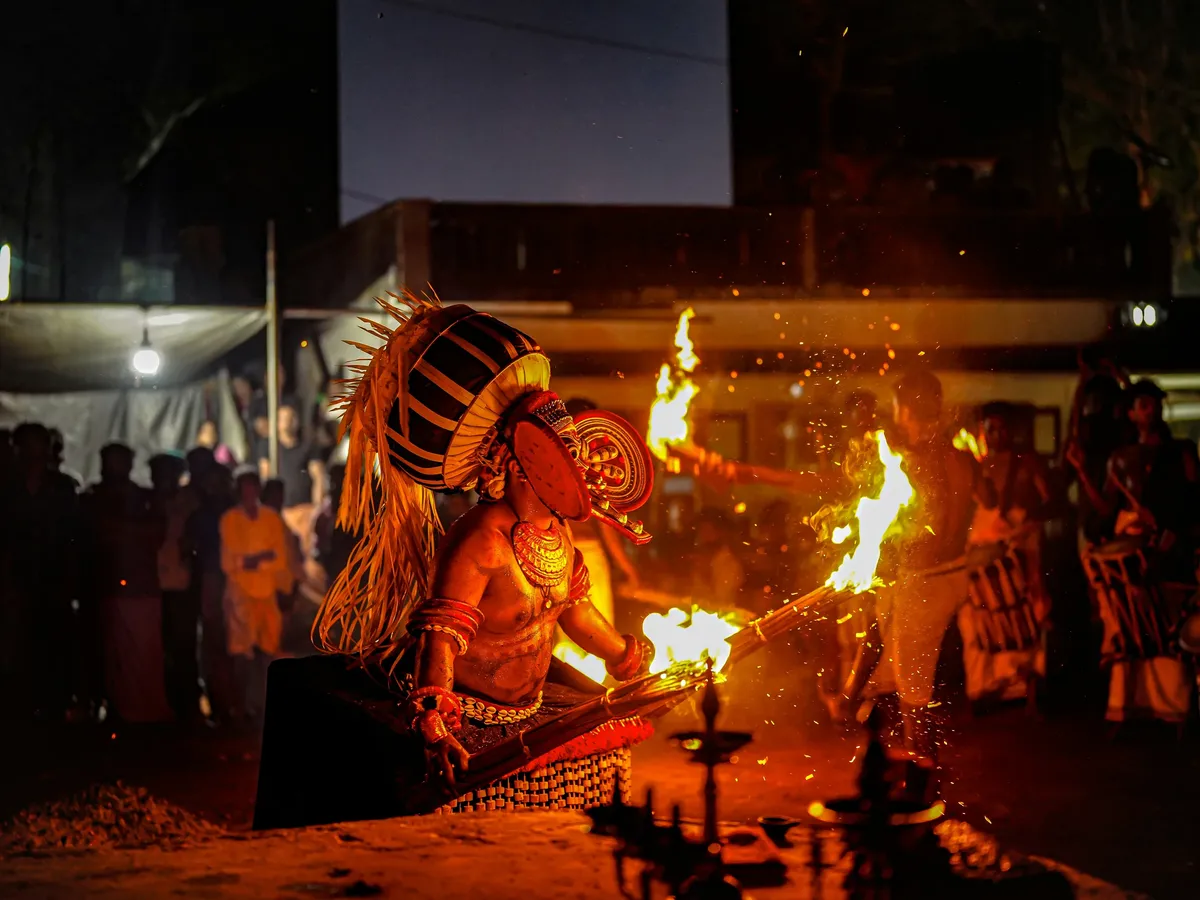
Winter Festivals in India: Rann Utsav, Hornbill and More
Discover the real India through these vibrant cultural festivals
Read the story
Read
Destination guides
Winter Festivals in India: Rann Utsav, Hornbill and More
Discover the real India through these vibrant cultural festivals
Read the story
-
 Read
Malaysia · Destination guides
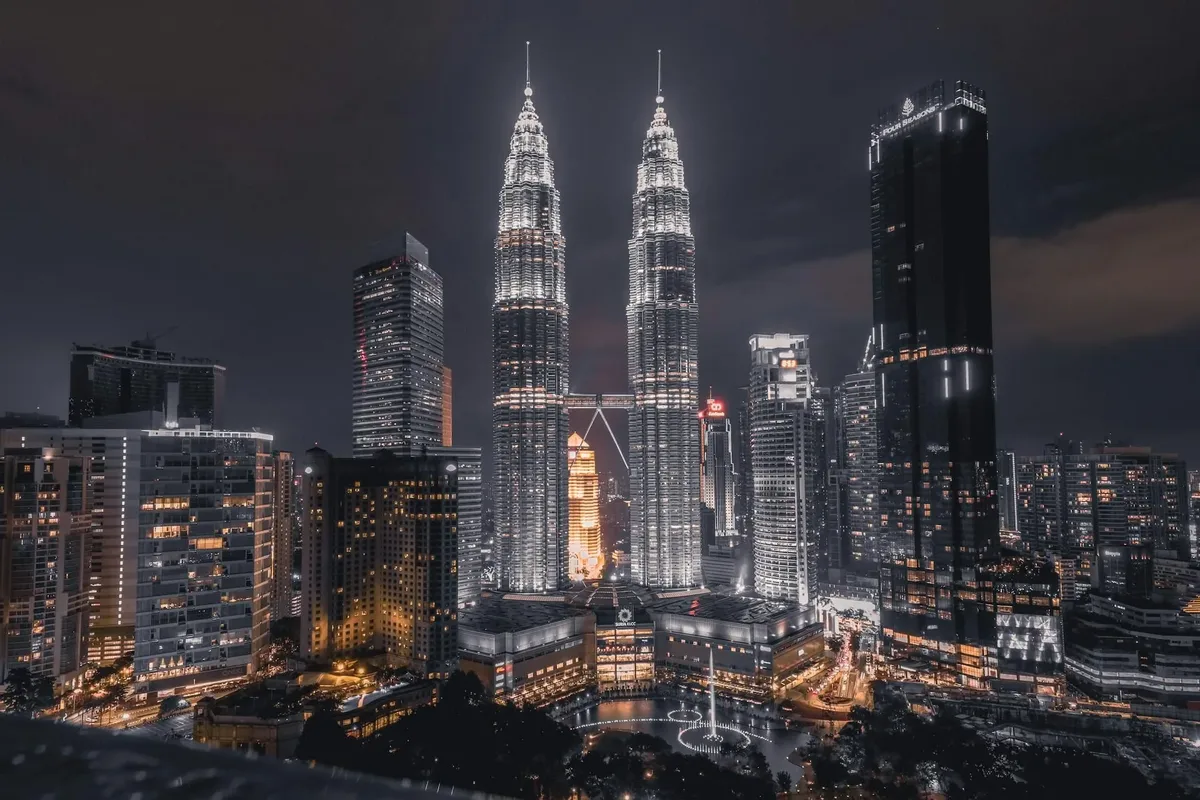
Things to Do in Malaysia: Cities, Culture and Rainforests
Malaysia blends buzzing cities, lush rainforests, and dreamy beaches—plus the food is out of this world! From KL’s towers to Borneo’s rainforests, there’s something for every traveler.
Read the story
Read
Malaysia · Destination guides
Things to Do in Malaysia: Cities, Culture and Rainforests
Malaysia blends buzzing cities, lush rainforests, and dreamy beaches—plus the food is out of this world! From KL’s towers to Borneo’s rainforests, there’s something for every traveler.
Read the story
-
 Read
Destination guides
5 Offbeat Places to Visit in Karnataka
Escape the crowds with these unique places to visit in Karnataka—from silent lakes and ancient forts to mystical rainforests and sacred towns. Perfect for your off-the-grid Karnataka destinations list.
Read the story
Read
Destination guides
5 Offbeat Places to Visit in Karnataka
Escape the crowds with these unique places to visit in Karnataka—from silent lakes and ancient forts to mystical rainforests and sacred towns. Perfect for your off-the-grid Karnataka destinations list.
Read the story
-
 Read
Destination guides
Best Places to Visit in India in August and September 2027
Monsoon green and post-monsoon calm: where to go in India in August and September 2027, from Ladakh and Spiti to Meghalaya, Ziro, Hampi and the Andamans.
Read the story
Read
Destination guides
Best Places to Visit in India in August and September 2027
Monsoon green and post-monsoon calm: where to go in India in August and September 2027, from Ladakh and Spiti to Meghalaya, Ziro, Hampi and the Andamans.
Read the story
-
 Read
Destination guides
Georgia Travel Guide for Indians: Visa, Itinerary and Budget
Georgia is one of the most rewarding destinations Indian travellers can visit in 2026. From the charming streets of Tbilisi and the dramatic Caucasus Mountains to ancient monasteries, world-famous wine regions, and warm…
Read the story
Read
Destination guides
Georgia Travel Guide for Indians: Visa, Itinerary and Budget
Georgia is one of the most rewarding destinations Indian travellers can visit in 2026. From the charming streets of Tbilisi and the dramatic Caucasus Mountains to ancient monasteries, world-famous wine regions, and warm…
Read the story
-
 Read
Destination guides
Where to Go If You Hate Tourists (But Love Travelling)
Skip the crowds. Keep the soul. 13 destinations for Indian travelers who want the real thing and yes, all of them are safe for solo women.
Read the story
Read
Destination guides
Where to Go If You Hate Tourists (But Love Travelling)
Skip the crowds. Keep the soul. 13 destinations for Indian travelers who want the real thing and yes, all of them are safe for solo women.
Read the story
-
 Read
Destination guides
Best Places to Visit in India in July 2027
Valley of Flowers, the Hemis festival on 13 and 14 July, Rath Yatra on 5 July and the monsoon Ghats: the best places to visit in India in July 2027.
Read the story
Read
Destination guides
Best Places to Visit in India in July 2027
Valley of Flowers, the Hemis festival on 13 and 14 July, Rath Yatra on 5 July and the monsoon Ghats: the best places to visit in India in July 2027.
Read the story
-
 Read
Destination guides
Best Places to Visit in India in June 2027
Himachal, Ladakh, Kashmir, the Western Ghats and the Northeast: where to go in India in June 2027, and what the monsoon means for each place.
Read the story
Read
Destination guides
Best Places to Visit in India in June 2027
Himachal, Ladakh, Kashmir, the Western Ghats and the Northeast: where to go in India in June 2027, and what the monsoon means for each place.
Read the story
This starts with a conversation.
Tell us where you're headed — we'll take it from there.