Vietnam
Limestone bays in the north, lantern-lit Hoi An in the middle and the Mekong in the south, with great food all the way.
- Best time to visit
- Feb–Apr (whole country)
- Getting around
- Domestic flights, trains and car with driver
- Currency
- Vietnamese Dong (VND)
- Ideal length
- 10–14 days
Vietnam is three trips in one long country
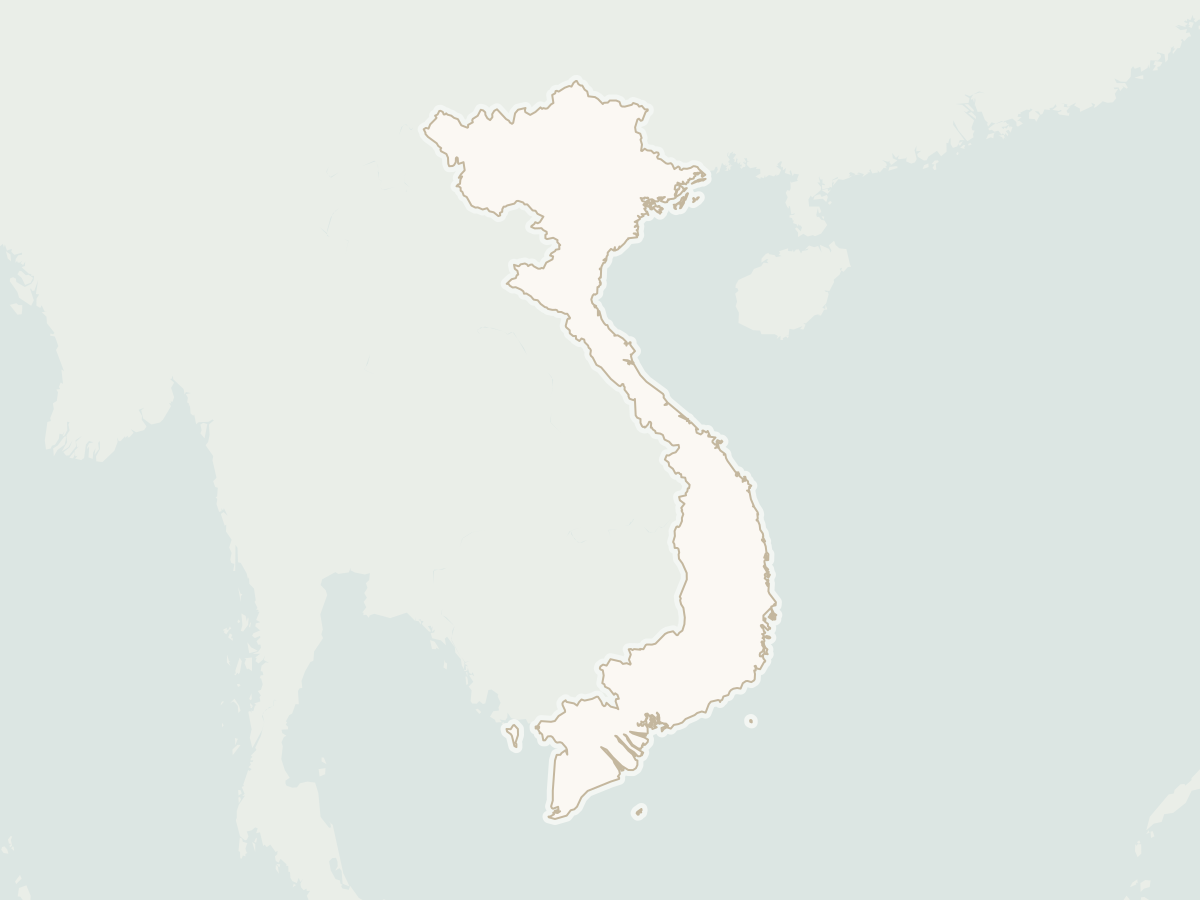
Vietnam runs 1,650 kilometres from the mountains on the Chinese border to the Mekong Delta, and each part has its own weather. The north is Hanoi's old quarter, a night on Ha Long Bay and the rice terraces of Sapa. The centre is Hoi An's lantern-lit streets, Da Nang's beaches and the imperial city of Hue. The south is Ho Chi Minh City, the Mekong and the islands.
February to April is good almost everywhere. Later in the year it's about choosing: the north is at its best from October to December, while the central coast gets its heavy rain then. Ten days covers north and centre comfortably; two weeks lets you add the south. Couples, families, food lovers and adventurous travellers all find their Vietnam.
The country, north to south
-
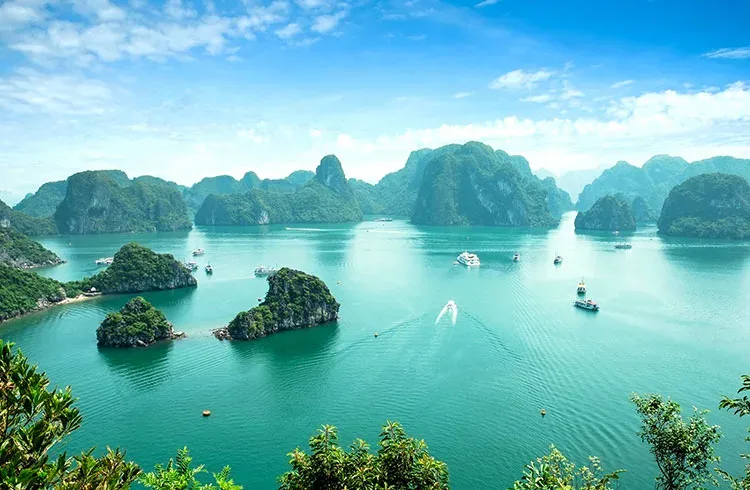
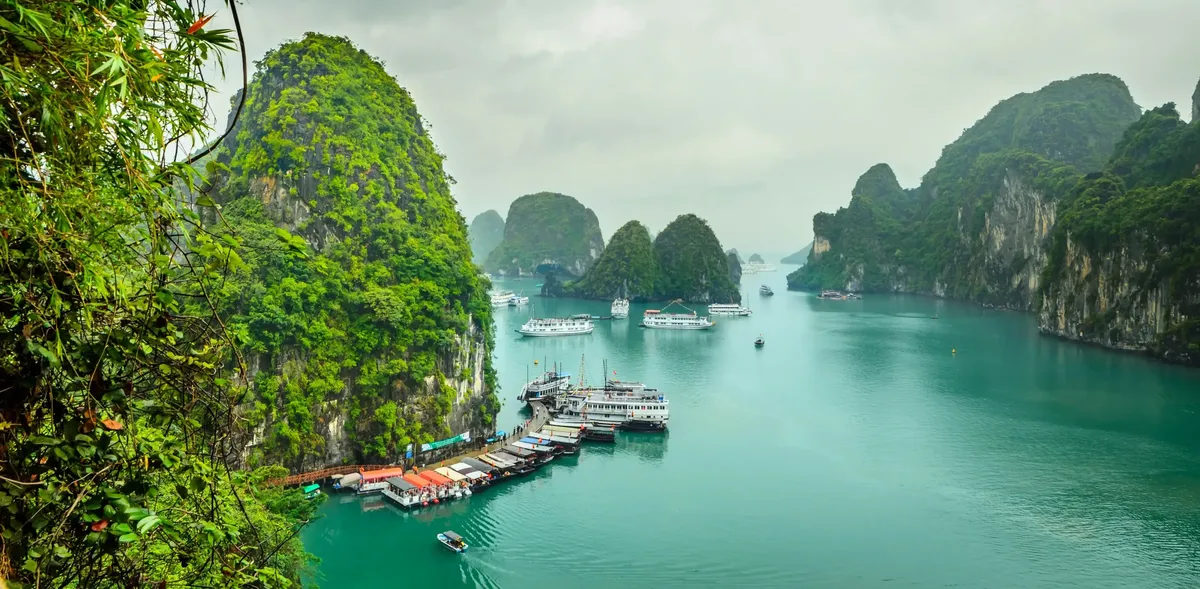
Hanoi's old quarter, Hoan Kiem Lake, temples, colonial buildings, street food and coffee on tiny stools, then a night on a boat among the limestone islands of Ha Long Bay, or quieter Lan Ha Bay from Cat Ba Island, with kayaking, caves and hikes in Cat Ba National Park.
-

'Ha Long Bay on land': rowing boats through river caves under limestone peaks at Trang An and Tam Coc, with old temples on the banks. Further west, Pu Luong is rice terraces, stilt-house villages and almost no one else.
-
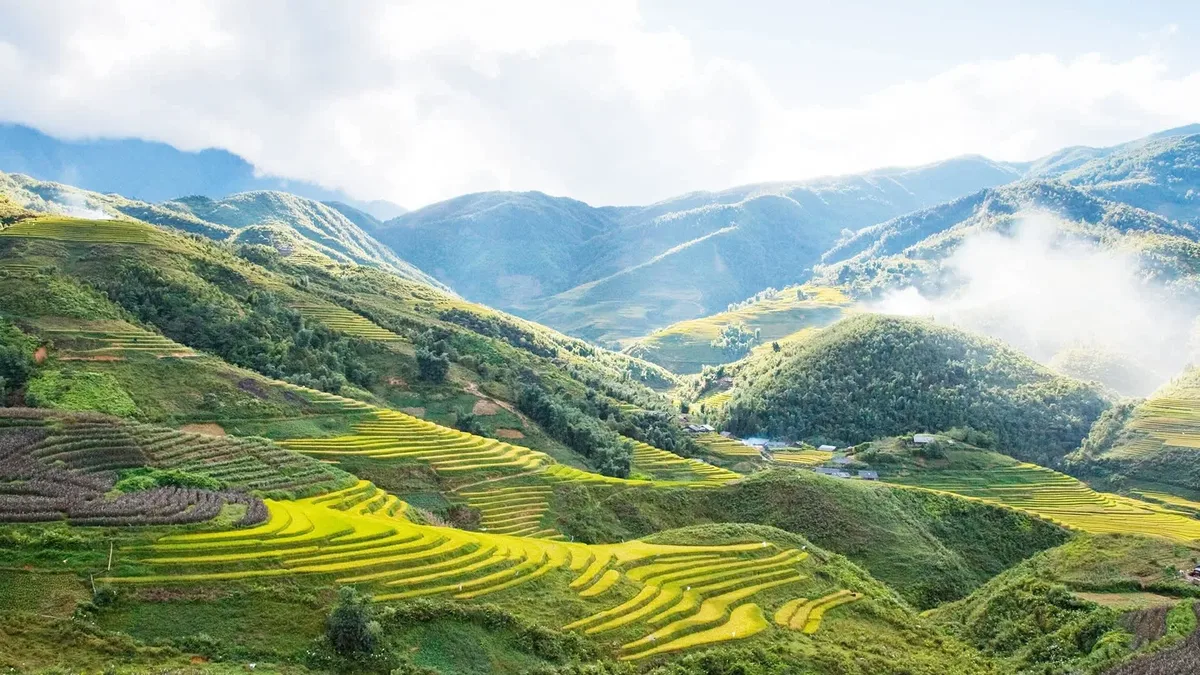
In the far north, Sapa's rice terraces and hill-tribe villages are best walked with a local guide. The Ha Giang Loop has the most dramatic mountain roads in the country, and Ban Gioc, on the border, is Vietnam's biggest waterfall.
-
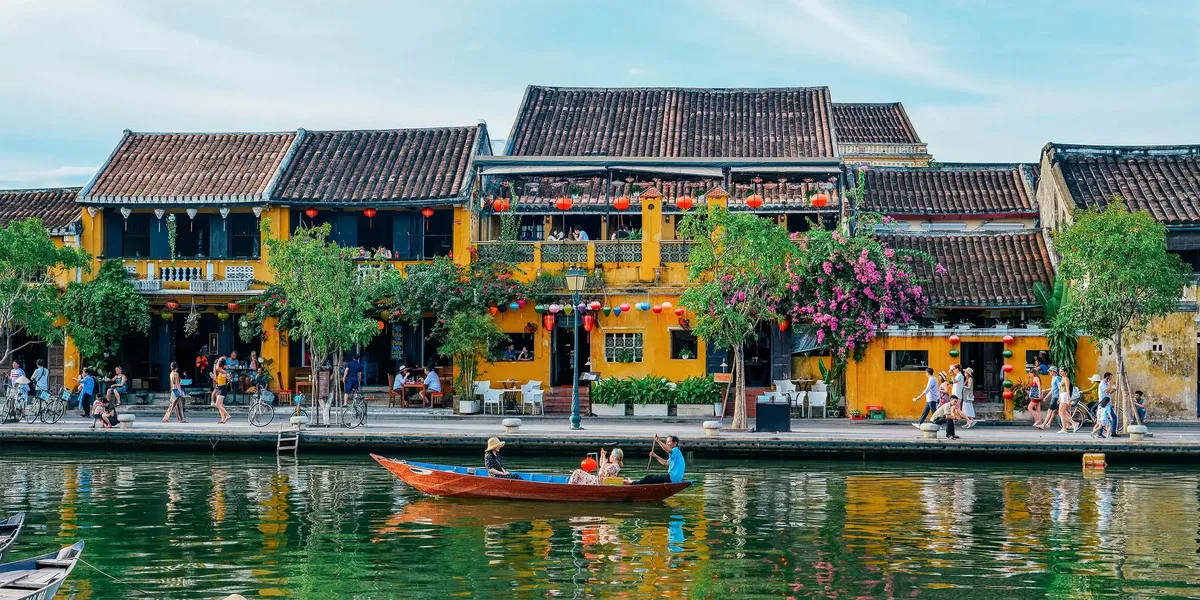
Hoi An's old town of lanterns, tailors and riverside cafés; Da Nang's long beaches, resorts and the Dragon Bridge; and, up a long cable car in the hills behind, Ba Na Hills and the Golden Bridge held up by giant stone hands.
-
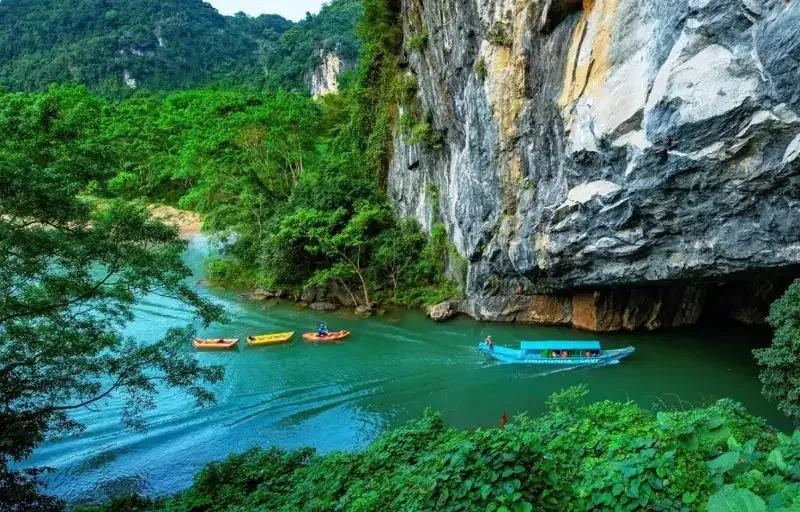
Phong Nha-Ke Bang National Park has some of the largest caves in the world, from boat trips into Phong Nha Cave to the long boardwalk of Paradise Cave, among green jungle hills. A few hours south, Hue was the imperial capital, with its walled citadel and royal tombs along the Perfume River.
-
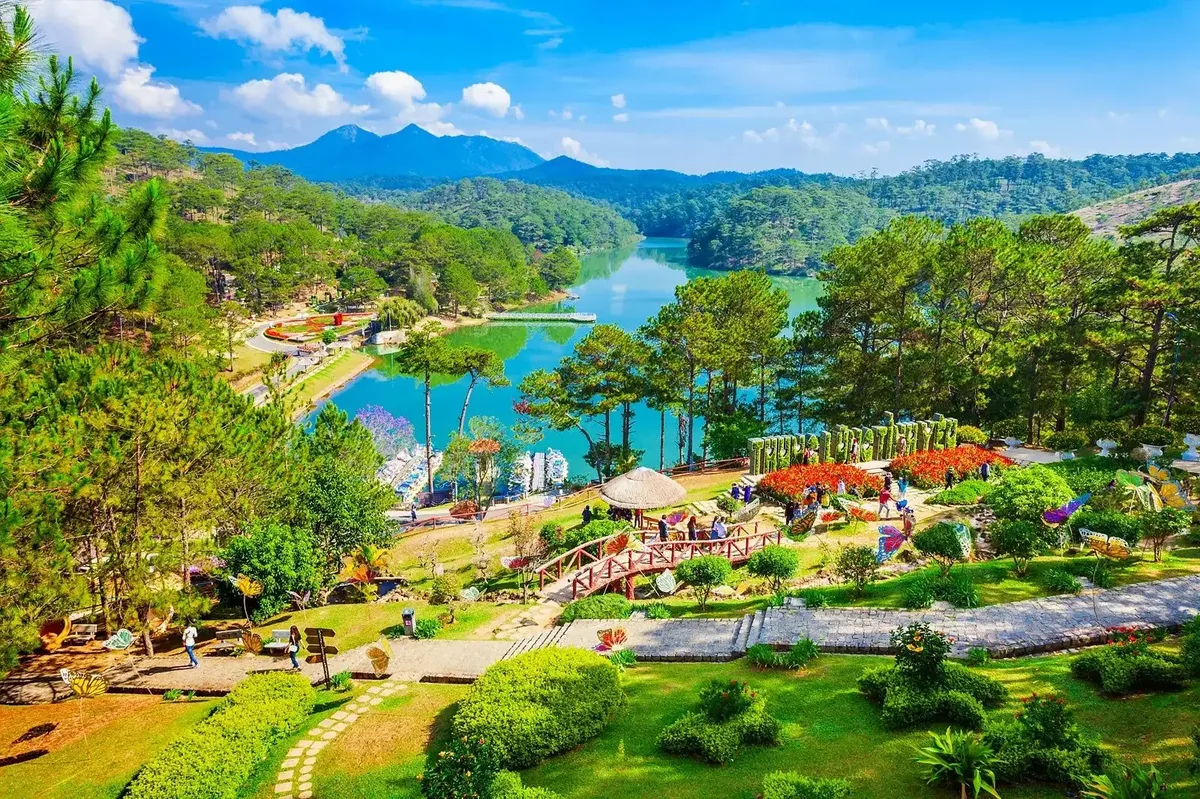
Da Lat is a cool hill town of pine forests, lakes and waterfalls. Down on the coast, Nha Trang is beaches and island boat trips, and Mui Ne has red and white sand dunes by the sea.
-
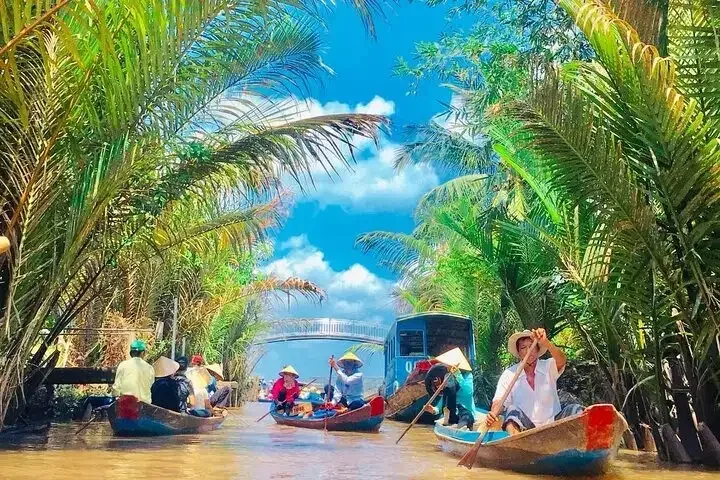
Saigon is the energetic south: French colonial buildings, the War Remnants Museum, rooftop bars and night markets. A day or two in the Mekong Delta means boats through palm-lined canals, floating markets and fruit orchards.
-
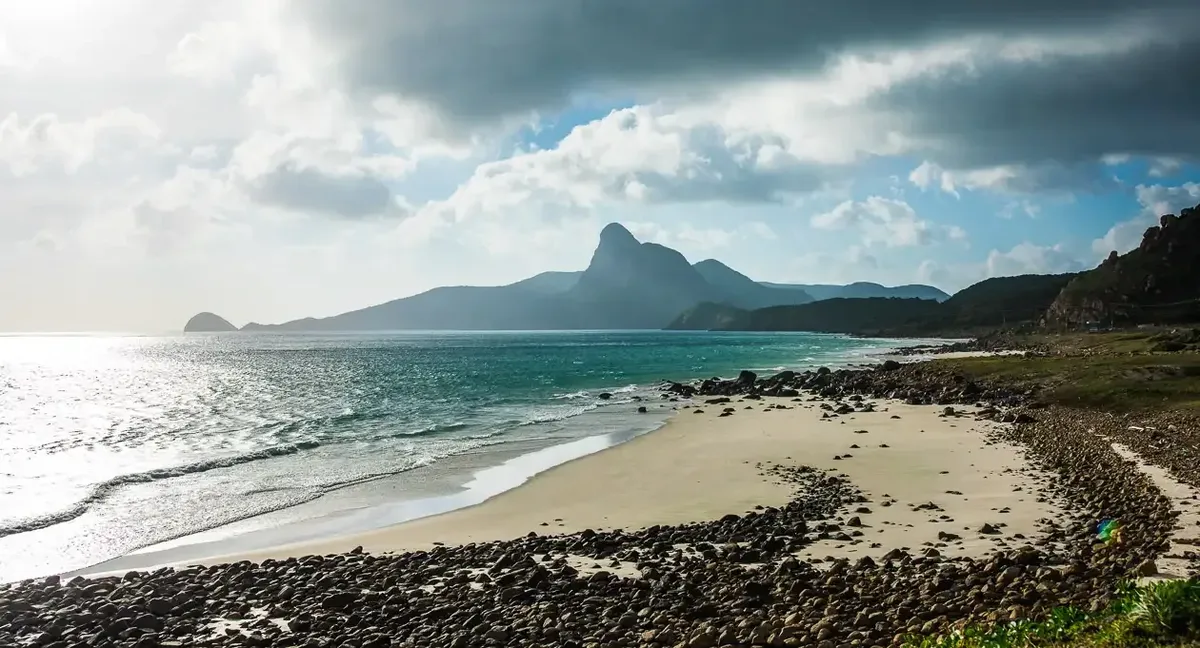
Vietnam's best beaches. Phu Quoc has white sand, resorts and sunsets over the Gulf of Thailand; Con Dao is wilder and quieter, with turtles and few visitors.
Things worth actually doing
Tap the ones you would like on your trip.
Good to know before you go
Apply for the e-visa online
Indian passport holders need an e-visa: up to 90 days, US$25 single entry or US$50 multiple. Apply on the official evisa.gov.vn site, not a lookalike, about two weeks ahead.
Every region has its own weather
The north can be cold in winter, and the central coast gets heavy rain from September to December. We order the route around your month.
Vegetarian? Look for "chay"
Buddhist vegetarian restaurants (quán chay) are in every city, and most dishes can be made without fish sauce if you ask.
Carry small notes
Cash still rules at markets and street stalls; cards work in hotels and city restaurants.