South Korea
Palaces and K-pop in Seoul, temples by the sea in Busan and volcanic coast on Jeju, joined by fast trains.
- Best time to visit
- Apr–May and Sep–Nov
- Getting around
- KTX fast trains and the metro
- Currency
- South Korean Won (KRW)
- Ideal length
- 8–10 days
South Korea moves fast, then slows right down
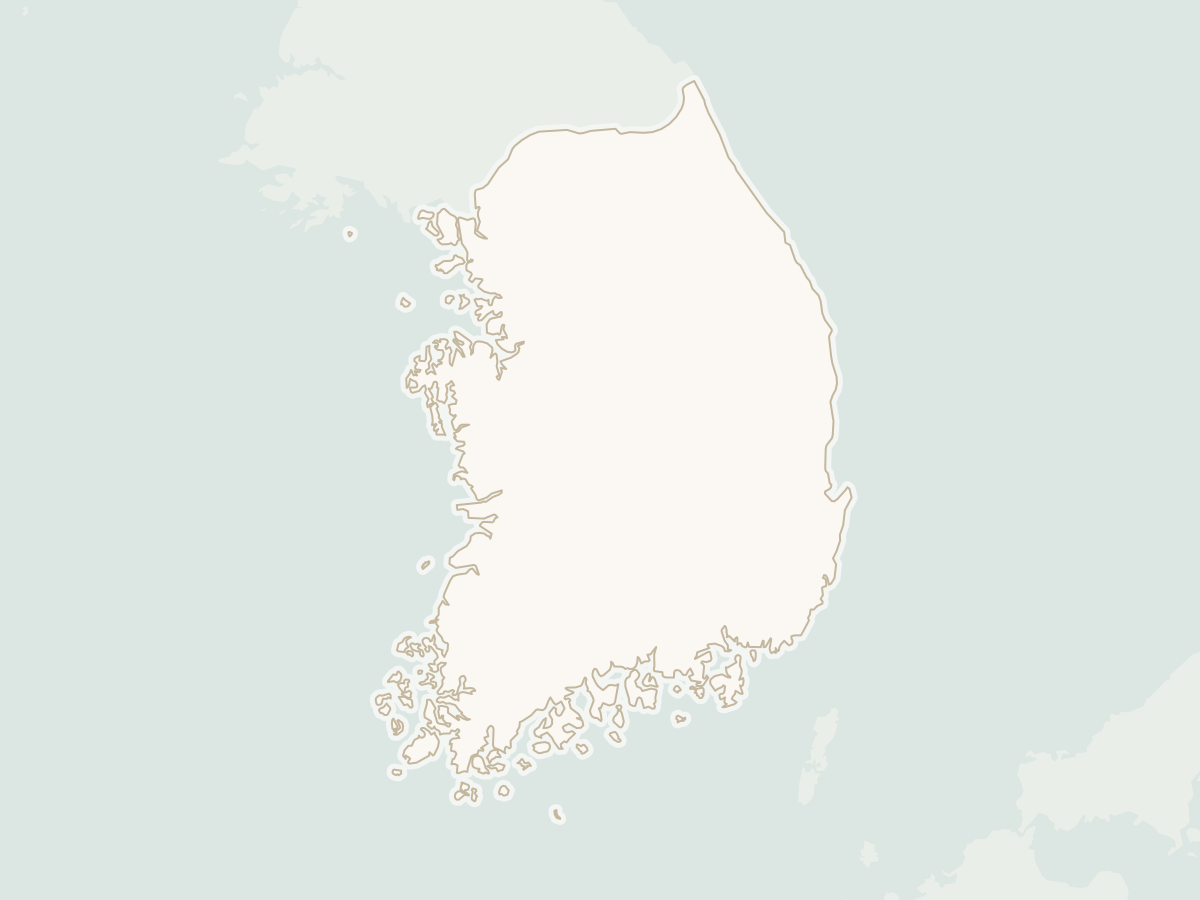
Seoul is the draw: royal palaces, hanok lanes, late-night food markets and the neighbourhoods behind K-pop and K-drama. But the country is small and the trains are quick, so it's easy to add Busan's beaches and seaside temple, Gyeongju's ancient royal tombs and a flight to volcanic Jeju.
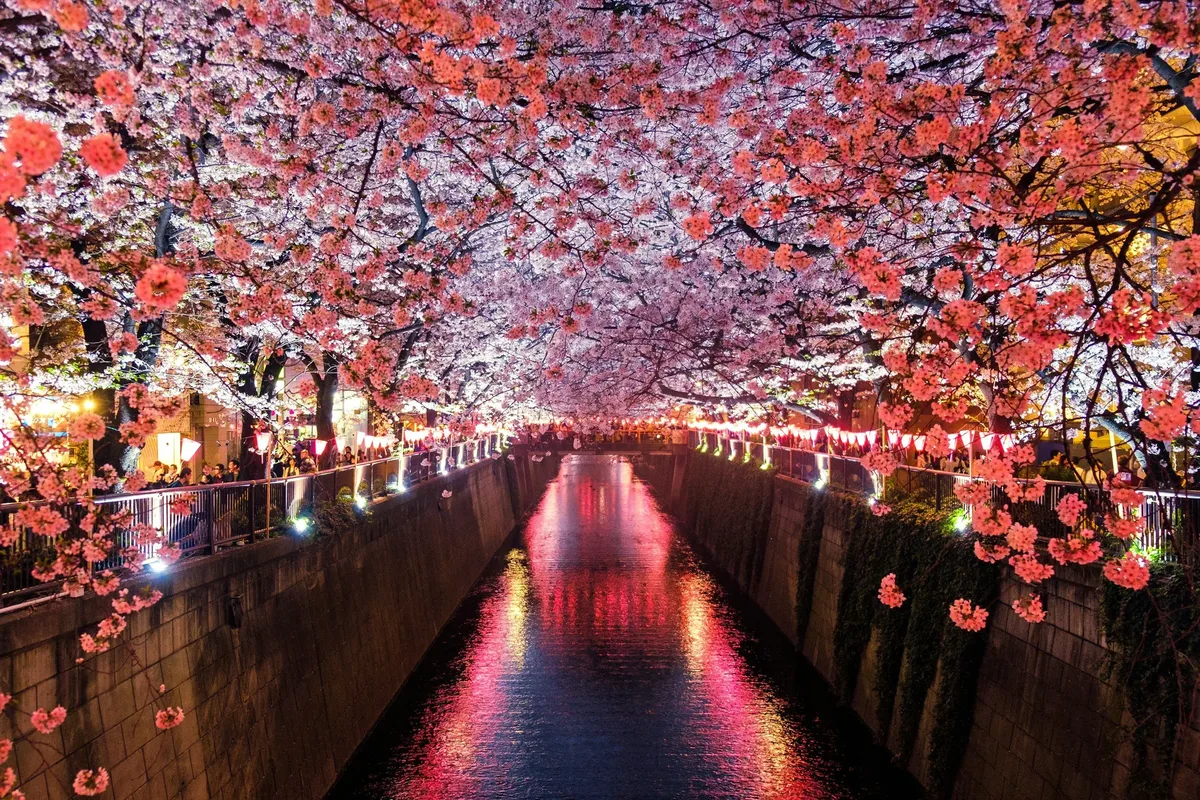
Spring brings cherry blossom in early April; autumn colour (October to early November) is just as beautiful and drier. Summer is hot and wet, winter cold enough for skiing. Vegetarian travellers need a plan here, because fish stock hides in many dishes, and we make that plan with you.
The country, region by region
-
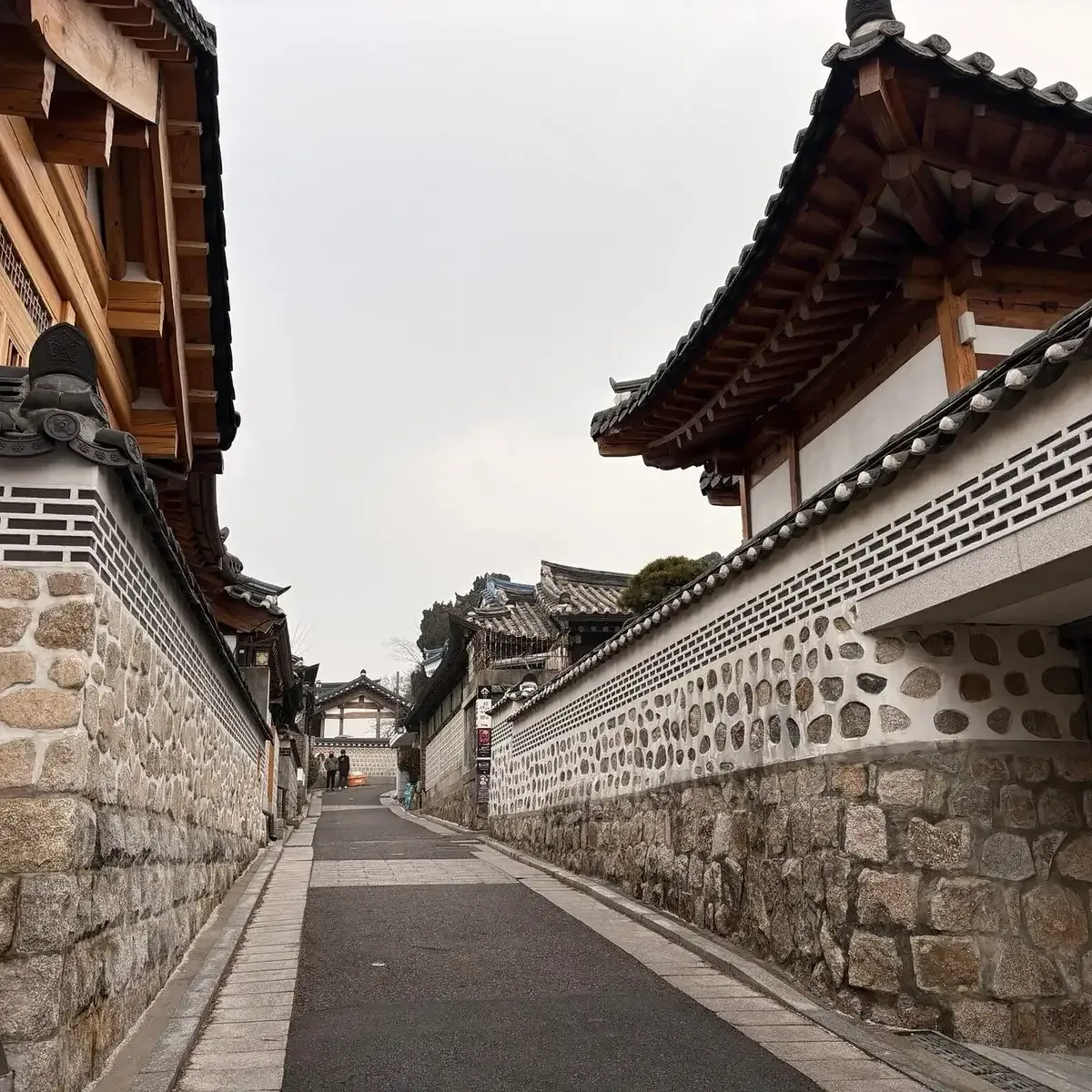
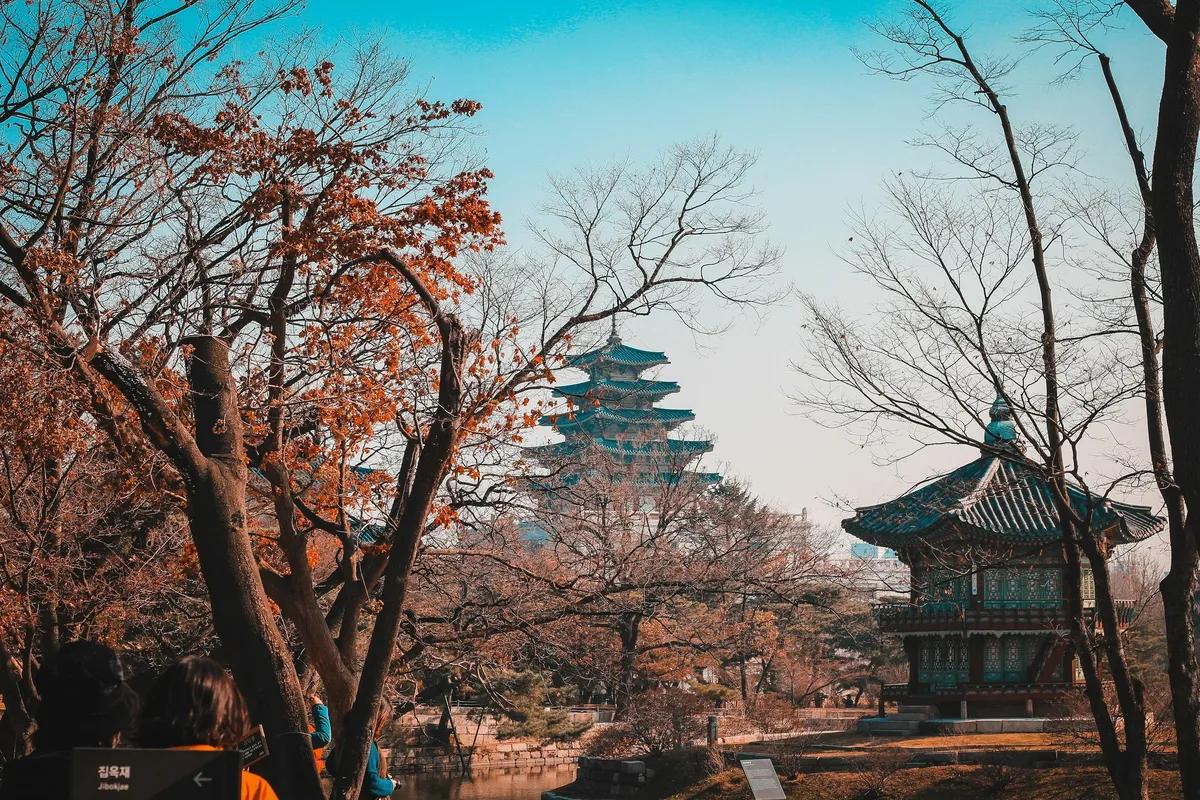
Gyeongbokgung and Changdeokgung palaces, the hanok lanes of Bukchon and Ikseon-dong, tea houses in Insadong and the view from N Seoul Tower. Shop in Myeongdong, eat your way round Itaewon and go out in Hongdae and Gangnam. Modern Seoul is Dongdaemun Design Plaza, the Cheonggyecheon stream walk, the Banpo Bridge rainbow fountain, Lotte World and the Starfield Library in COEX Mall. Give it four nights.
-
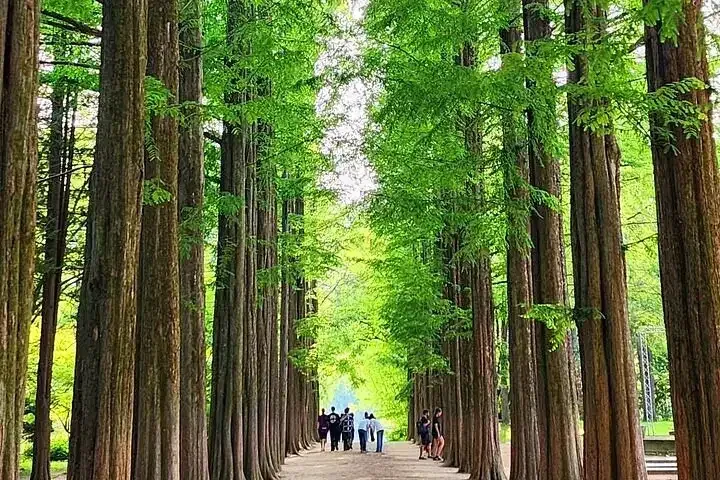
Green days out from Seoul: the tree-lined paths of Nami Island, lovely in every season; hikes to the granite viewpoints of Bukhansan National Park, with the quiet Eunpyeong Hanok Village at its foot; and the Garden of Morning Calm, whose gardens light up on winter evenings.
-
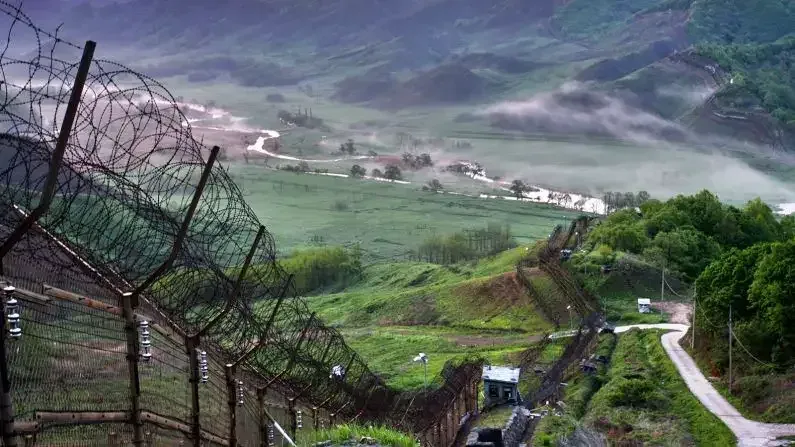
A guided tour to the DMZ, the border with the North, often paired with the book town and art village of Paju. South of Seoul, the walls of Hwaseong Fortress in Suwon are a UNESCO site, with Everland theme park nearby. Incheon, by the airport, has a waterfront, a Chinatown and a modern seaside district.
-
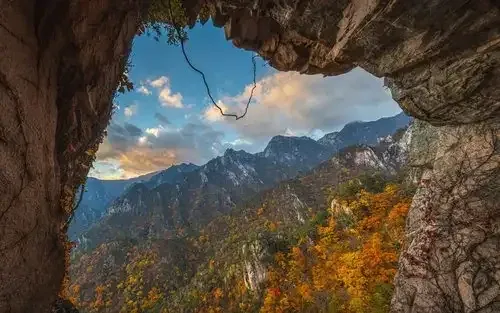
The east coast: the granite peaks and autumn colours of Seoraksan National Park, the beaches and coffee street of Gangneung, surfing at nearby Yangyang and, by ferry, the cliffs of Ulleungdo, one of Korea's wildest islands.
-
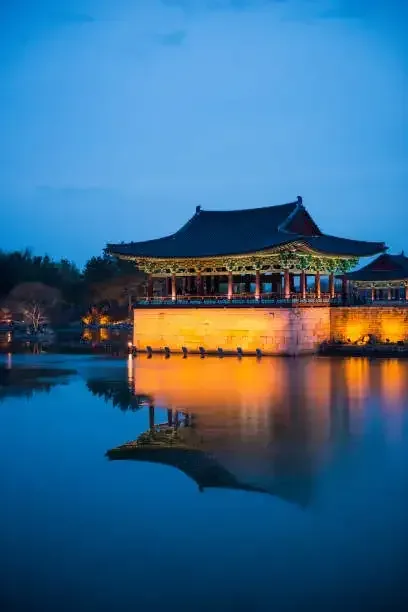
Gyeongju, the 'museum without walls', was a royal capital for a thousand years: Bulguksa Temple and Seokguram Grotto, both UNESCO-listed, the grassy royal tombs of Daereungwon, the Cheomseongdae observatory and Anapji Pond, lit up at night. Daegu, an hour away, is a quieter big city with temples in the mountains around it.
-
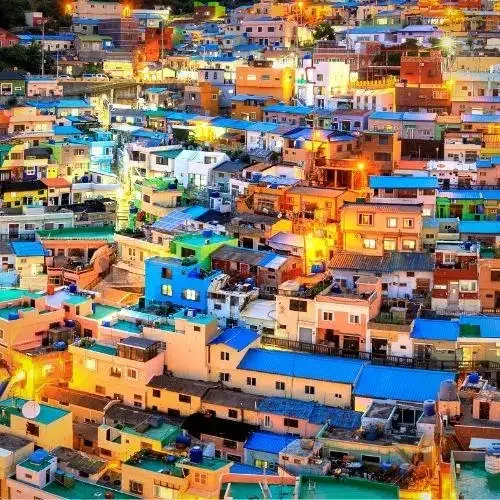
Busan is Haeundae and Gwangalli beaches, the hillside colours of Gamcheon Culture Village, Jagalchi fish market, the cliffs of Taejongdae and Haedong Yonggungsa, a temple on the rocks above the sea. West along the coast, Tongyeong has a cable car over its island-dotted harbour, and from Geoje Island boats go to the garden island of Oedo Botania.
-
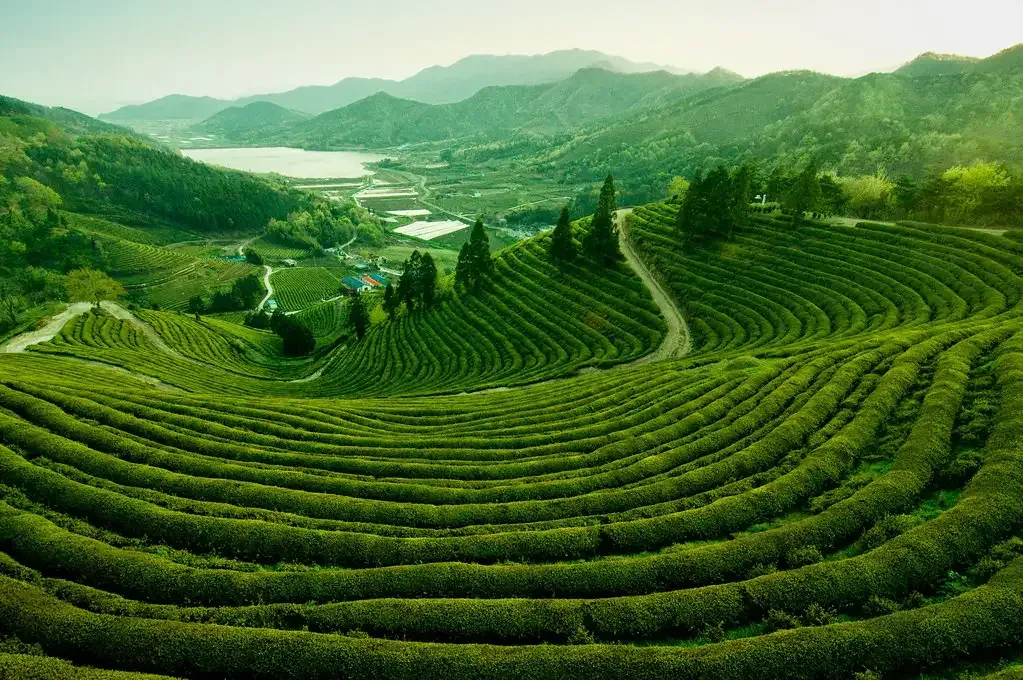
Slower Korea in the south-west: Jeonju's hanok village and its famous bibimbap, Damyang's bamboo forest and the green tea terraces of Boseong rolling down the hills. The wetlands of Suncheon Bay and the trails of Jirisan National Park are close by.
-
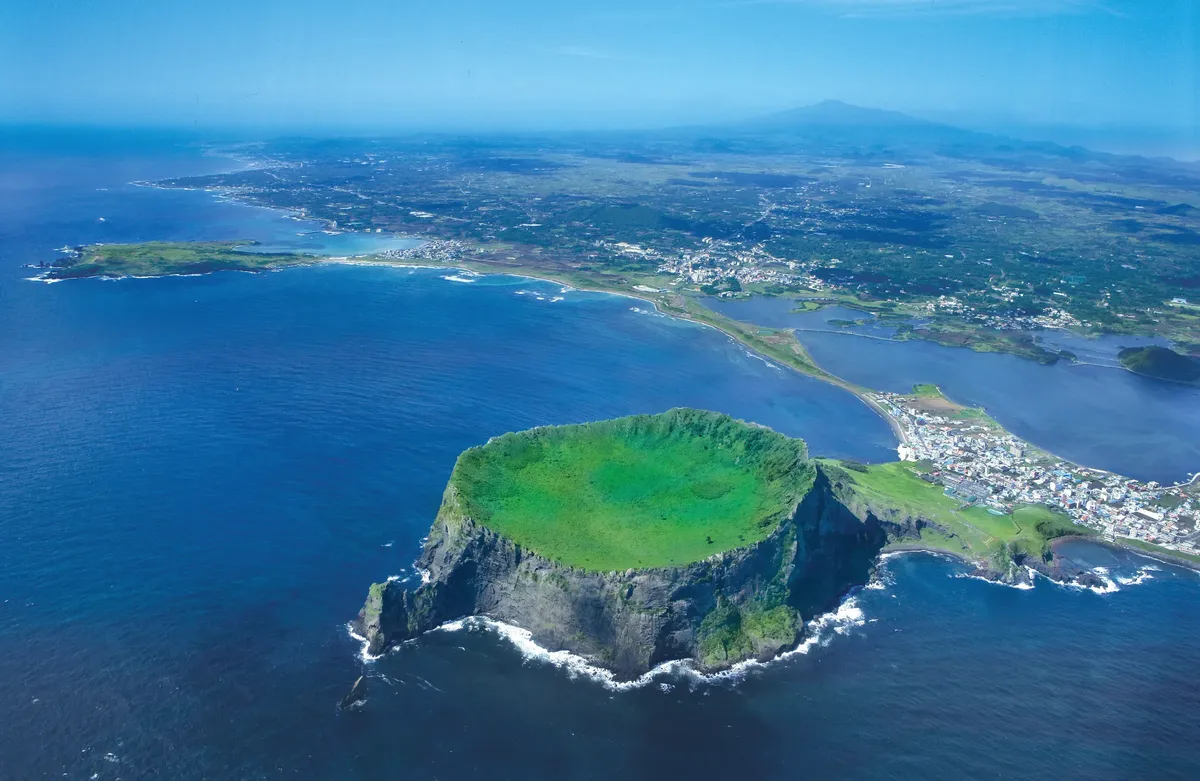
A volcanic island an hour's flight south: sunrise from Seongsan Ilchulbong, the Manjanggul lava tube, a hike up Hallasan, and the Cheonjiyeon and Jeongbang waterfalls, Jeongbang dropping straight into the sea. Udo, a short ferry away, has the best beaches.
Things worth actually doing
Tap the ones you would like on your trip.
Good to know before you go
Apply for the visa in India
Indian passport holders need a tourist visa, applied for through the Korea visa application centres in India; allow about two weeks. K-ETA is not open to Indian passports.
Fill in the e-Arrival Card
Submit the free e-Arrival Card online within 72 hours before landing. Paper arrival cards ended in 2025.
Vegetarian? Ask about the stock
Anchovy stock and fish sauce hide in soups and kimchi. Temple food and Seoul's vegetarian restaurants are the safe bet, and we plan meals around them.
Use Naver Map or KakaoMap
Google Maps is patchy in Korea; the local apps give far better walking and transit directions. A T-money card covers metro, buses and convenience stores.