
Vietnam · Destination guides
Vietnam Itinerary for a First Trip: 7, 10 or 14 Days, Day by Day
Choose a 7, 10 or 14-day Vietnam route by the time you have, with a day-by-day plan from Hanoi to Ho Chi Minh City. The guide covers Ha Long Bay, Ninh Binh, Hue, Hoi An and Sapa.
In this story 9
Plan your first Vietnam trip
A first trip to Vietnam fails when it tries to cover the whole country. The Vietnam that suits you is one line from north to south with only as many stops as your days can hold. Pick the route by the days you have:
- 7 days: stay in the north, with Hanoi, Ha Long Bay and Ninh Binh.
- 10 days: add the central coast, with Hue, Hoi An and Da Nang.
- 14 days: add Sapa at the start and Ho Chi Minh City at the end.
For the 10 and 14-day routes, book an open-jaw ticket (arrive in one city, leave from another). Fly into Hanoi and out of Da Nang or Ho Chi Minh City, so you never backtrack. If you eat vegetarian, Ho Chi Minh City has the only Michelin-selected vegetarian restaurant in the city, Du Yen.
What each region offers
The north has the most stops, so a first-timer has to choose.
Hanoi
[photo blog_posts/ae26a8c5c9b84304.webp | Locals gather for tai chi and morning exercise beside the lake. Photo: Nguyen Ngoc Tien / Pexels.]
Wander the Old Quarter's 36 streets, where each street has traded in one kind of craft since the 15th century. Then watch locals do tai chi and morning exercise beside Hoan Kiem Lake. The Temple of Literature became home to the city's first university in 1076. Bún chả, grilled pork meatballs in fish-sauce broth with rice noodles and herbs, is Hanoi's signature lunch. Go in spring (February to April) or autumn (September to November).
Ha Long Bay
[photo blog_posts/03b6727b974c425b.webp | Two nights let the boat reach quieter sites and neighbouring bays. Photo: Valeria Drozdova / Pexels.]
Ha Long Bay is limestone islands, caves, beaches and outdoor activities. An overnight cruise can include a cave visit, a beach or floating pearl farm, a cooking demonstration and night squid fishing. Choose two nights if you can, because the boat reaches quieter sites and neighbouring bays. Summer suits kayaking and swimming, but June to August are the wettest months. Winter mornings often bring mist.
Ninh Binh
[photo blog_posts/7de1f7f1797648cc.webp | Water lilies bloom along the Ngo Dong River from October to December. Photo: Bid / Pexels.]
Ride a boat through the Tam Coc caves, then cycle through the fields to the Bich Dong Pagoda cave temples. You can also try rural life: riding a water buffalo, planting rice, catching fish. Water lilies bloom along the Ngo Dong River from October to December, and the ideal time to see the flowers is 7 to 11 a.m.
Sapa
[photo blog_posts/cfc74c300fdd4f64.webp | It is worth the travel time only with at least two full days on the ground. Photo: HONG SON / Pexels.]
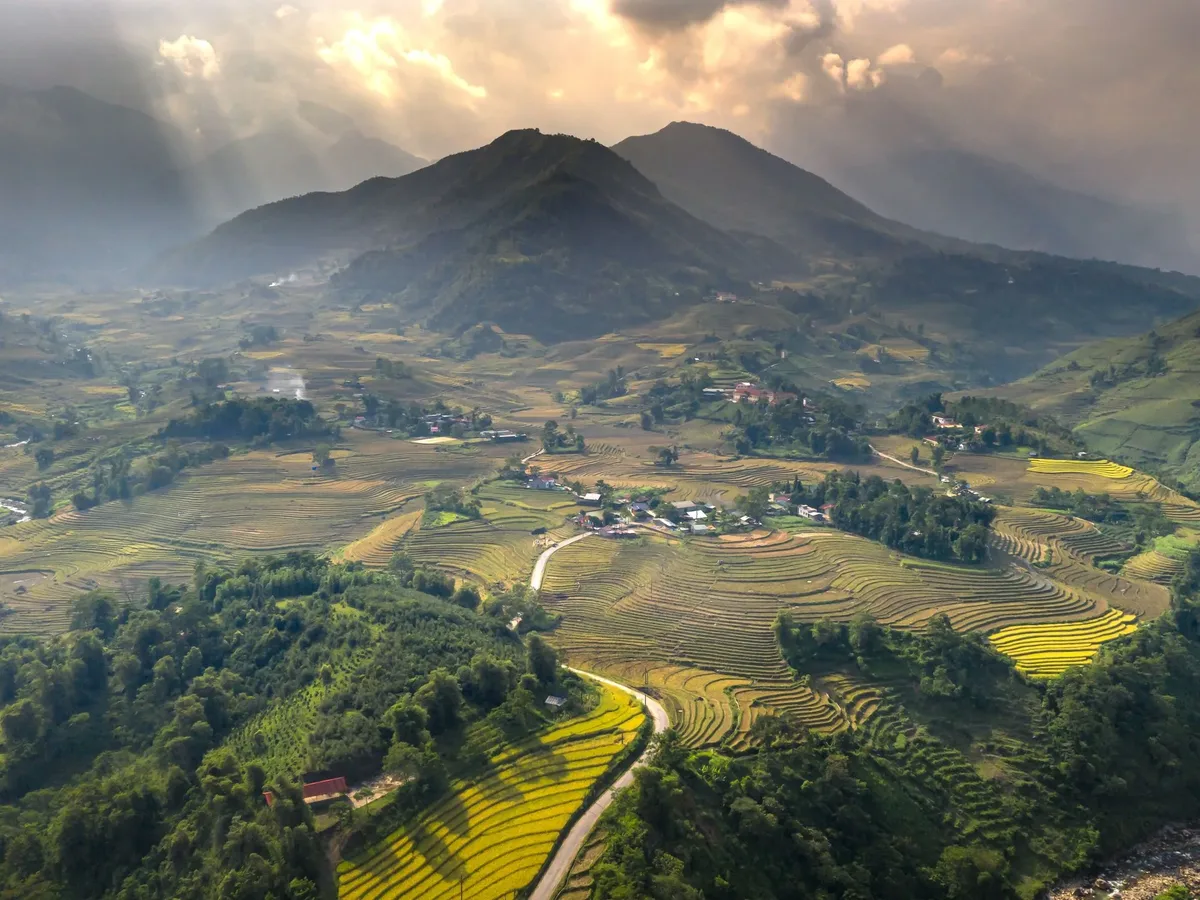
Sapa is worth its travel time only with at least 2 full days, so it is cut from the 7 and 10-day routes. Go in autumn for golden rice terraces and cool trekking weather, or in spring for clear skies and flowers on the hillsides. The usual way in is the overnight sleeper train from Hanoi to Lao Cai, then a one-hour bus. A direct bus from Hanoi takes about six hours.
Hue
[photo blog_posts/66657041cee743a5.webp | April to August are the suitable months to visit Hue. Photo: Vũ Bảo Lê / Pexels.]
Hue is the Imperial City. On the 10 and 14-day routes you arrive from Hanoi, by flight or by the 12 to 13 hour overnight train. April to August are suitable months to visit Hue. The last months of the year bring floods and heavy rain.
Da Nang and Hoi An
Hoi An's Ancient Town is at its best in the evening, when lanterns light the streets. On the 14th day of each lunar month the town turns off its electric lights and runs on lanterns alone. Da Nang is the beach-and-sights half: a morning at My Khe Beach, or the Marble Mountains with their caves, pagodas and rock landscapes. The road between the two takes 45 to 60 minutes. March and April are among the best months for Hoi An.
Ho Chi Minh City
[photo blog_posts/ca763e1ba0b541fb.webp | Street food and nightlife define the city, alongside the Reunification Palace. Photo: Tuan Vy / Pexels.]
Ho Chi Minh City is street food and nightlife, plus the Reunification Palace and the War Remnants Museum. Du Yen is the only Michelin-selected vegetarian restaurant in the city. The dry season, December to April, is the most comfortable time.
Best time to visit Vietnam
February and March generally bring drier conditions in the north and on the Central Coast. The Central Coast begins its dry season in February and is in its dry season in March, while the north is typically 16 to 24°C and more likely dry. November to January is the weak stretch for this route. The Central Coast is in its rainy season, though January may have some dry days. Summer in the north (May to August) is hot, humid and wet.

Plan this trip
Thinking about Vietnam?
We build every trip from scratch around you. Tell us your dates and we take it from there.
Plan my trip WhatsApp us Read the full guide: Vietnam7 days in Vietnam, day by day
For a first trip that feels unhurried: old streets, one night on the water, rice fields. Pace: Balanced.
Hanoi 2 · Ha Long Bay 1 (cruise) · Ninh Binh 2 · Hanoi 1
Seven days is for the north only. Adding the coast would turn it into a transit trip, and Sapa needs two full days you don't have. You end where you started, so a return ticket to Hanoi works here.
- Day 1: Hanoi. Arrive and keep it light: an evening walk through the Old Quarter's craft streets. Sleep in a small hotel in the Old Quarter. No transfer.
- Day 2: Hanoi. Tai chi at Hoan Kiem Lake early, then the Temple of Literature and bún chả for lunch. Nothing booked, no transfer.
- Day 3: Hanoi to Ha Long Bay, about 2.5 hours by expressway. Board an overnight cruise: a cave visit, then night squid fishing.
- Day 4: Ha Long Bay to Ninh Binh. A morning on the water, then about 4 hours by private car or shared shuttle. Sleep in a homestay among the fields.
- Day 5: Ninh Binh. Hoa Lu, the Mua Cave viewpoint, the Tam Coc boat ride and cycling through the fields to Bich Dong. From October to December, take the boat between 7 and 11 a.m. for the water lilies. No transfer.
- Day 6: Ninh Binh to Hanoi. A rural-life morning (a water-buffalo ride, planting rice, catching fish), then 2 to 3 hours back by limousine van.
- Day 7: Hanoi. A last breakfast in the Old Quarter. Plan nothing in the last 3 hours before your flight.
The trade-off: one night on the boat keeps you in the busier part of the bay. The hardest leg is Ha Long Bay to Ninh Binh, and a private car is the easier choice over the shared shuttle.
10 days in Vietnam, day by day
For a first trip that wants the north and the old centre without rushing either. Pace: Balanced.
Hanoi 1 · Ninh Binh 2 · Ha Long Bay 1 (cruise) · night train · Hue 2 · Hoi An 2
This is not the 7-day route with three days added. The order changes so you pass back through Hanoi only once, to catch the night train south: Ninh Binh first, then the bay. Fly into Hanoi and out of Da Nang. The trade-off is Hanoi, which gets an arrival evening and one afternoon instead of a full day. Sapa stays out, because its two full days don't fit.
- Day 1: Hanoi. Arrive, then an evening walk through the Old Quarter and round Hoan Kiem Lake. No transfer.
- Day 2: Hanoi to Ninh Binh by the morning train, 2 hours 13 minutes. In the afternoon, Hoa Lu and the view from above Mua Cave. Sleep in a homestay among the fields.
- Day 3: Ninh Binh. The Tam Coc boat ride in the morning (7 to 11 a.m. for the water lilies from October to December), then cycle the fields to Bich Dong or do nothing at all. No transfer.
- Day 4: Ninh Binh to Ha Long Bay, about 4 hours by private car or shared shuttle. Board an overnight cruise: a cave visit, then night squid fishing.
- Day 5: Ha Long Bay to Hanoi, about 2.5 hours by expressway. An afternoon for the Temple of Literature and bún chả, then the 12 to 13 hour overnight train to Hue. Long day.
- Day 6: Hue. Sleep off the train and keep the day easy. No transfer.
- Day 7: Hue. The Imperial City in the morning, then a free afternoon. No transfer.
- Day 8: Hue to Hoi An, 3 to 4 hours by road over the Hai Van Pass. The evening in the lantern-lit Ancient Town. Sleep somewhere you can walk back from.
- Day 9: Hoi An. A slow day in the Ancient Town, or a morning at My Khe Beach or the Marble Mountains in Da Nang, 45 to 60 minutes away.
- Day 10: Hoi An to Da Nang airport, up to about 75 minutes by road. Plan nothing in the last 3 hours before your flight.
The hardest leg is the night train. The flight from Hanoi to Hue is the easier option, and the train is the slower, cheaper one.
14 days in Vietnam, day by day
For a first trip with time for the mountains and the south: terraces, a night on the water, lanterns and street food. Pace: Full.
Hanoi 2 · Sapa 3 · Hanoi 1 · Ha Long Bay 1 (cruise) · night train · Hue 1 · Hoi An 2 · Ho Chi Minh City 2
This is not the 10-day route with four days added. Sapa takes Ninh Binh's place: its terraces and village walks are rural Vietnam on a bigger scale, and two full days there is the minimum. Ho Chi Minh City closes the trip, so fly into Hanoi and out of Ho Chi Minh City. You pass through Hanoi three times, because it is the hub for the bus to Sapa, the road to the bay and the train south. The trade-off: Hue gets one afternoon, and the two 6-hour bus days are the price of Sapa.
- Day 1: Hanoi. Arrive, then an evening walk through the Old Quarter. No transfer.
- Day 2: Hanoi. Tai chi at Hoan Kiem Lake early, the Temple of Literature, bún chả for lunch. Nothing booked, no transfer.
- Day 3: Hanoi to Sapa, about 6 hours by direct bus. Long day. Sleep in a homestay in the hills.
- Day 4: Sapa. A full day on the terraces and village walks. No transfer.
- Day 5: Sapa. A morning walk, then a free afternoon. No transfer.
- Day 6: Sapa to Hanoi, about 6 hours by bus. Long day. An easy evening in the Old Quarter.
- Day 7: Hanoi to Ha Long Bay, about 2.5 hours by expressway. Board an overnight cruise: a cave visit, then night squid fishing.
- Day 8: Ha Long Bay to Hanoi, about 2.5 hours. A free afternoon in the city, then the 12 to 13 hour overnight train to Hue.
- Day 9: Hue. A slow morning after the train, then the Imperial City in the afternoon. No transfer.
- Day 10: Hue to Hoi An, 3 to 4 hours over the Hai Van Pass. The evening in the lantern-lit Ancient Town.
- Day 11: Hoi An. A slow day in the Ancient Town. No transfer.
- Day 12: Hoi An to Ho Chi Minh City. A morning at the Marble Mountains or My Khe Beach in Da Nang, 45 to 60 minutes away, then the 1 hour 20 minute flight. Long day.
- Day 13: Ho Chi Minh City. The Reunification Palace and the War Remnants Museum, street food in the evening, and Du Yen if you eat vegetarian. No transfer.
- Day 14: Ho Chi Minh City. A slow morning. Plan nothing in the last 3 hours before your flight.
The hardest leg is the 6-hour bus to Sapa. The easier option is the overnight sleeper train to Lao Cai, then a one-hour bus up, so you sleep through the distance. Fly from Da Nang to Ho Chi Minh City: the Reunification Express covers the whole country in 32 to 36 hours, and is worth it only if the journey itself is the point.
How much per day
Set a daily budget before you choose a route.
These cover stay, local transport, meals and activities. They are city averages for Da Nang, Hanoi and Ho Chi Minh City.
Visa for Vietnam
Indian ordinary-passport holders are not visa-exempt, so you need a visa, and you apply through Vietnam's official e-visa portal. Your passport must expire at least six months after your arrival. An e-visa has a maximum validity of 90 days, and the dates on your approved visa set how long you can stay.
Send us your dates, your budget and what you want to feel, and we'll take it from there. Tell us about your trip
Questions travellers ask
Do I need a visa for Vietnam?
Yes. Indian ordinary-passport holders need one, and your passport must expire at least six months after arrival. An e-visa is valid for a maximum of 90 days.
What is the best month for a first trip?
February or March. The north is typically 16 to 24°C and more likely dry, and the Central Coast begins its dry season in February. Ho Chi Minh City's dry season runs December to April.
How do I get from Hanoi to Ninh Binh?
A limousine van from the Old Quarter takes 2 to 3 hours. A morning train takes 2 hours 13 minutes.
Is 7 days enough, and is Sapa worth adding?
Seven days is enough for Hanoi, Ha Long Bay and Ninh Binh. Sapa needs at least two full days on the ground, and three to four if you want village trekking or a Fansipan climb, so add it only on the 14-day route.
How do I get around cities safely?
Ride-hailing apps such as Grab are used in the major cities, and short rides typically cost about ₹110–370 (30,000–100,000 VND). Australia's travel advisory warns of taxi scams and recommends metered or pre-booked taxis, especially at airports.
What health and safety basics matter?
The CDC recommends hepatitis A vaccination for unvaccinated travellers aged one year and older. Australia's advisory says measles and diphtheria are a risk, so keep your vaccinations up to date, and drink only boiled or bottled water. Dial 115 for an ambulance, 114 for fire and 113 for police.
Destination guidesPlanning tips
Know someone who should read this?
Send on WhatsAppKeep reading
All stories-
 Read
Destination guides
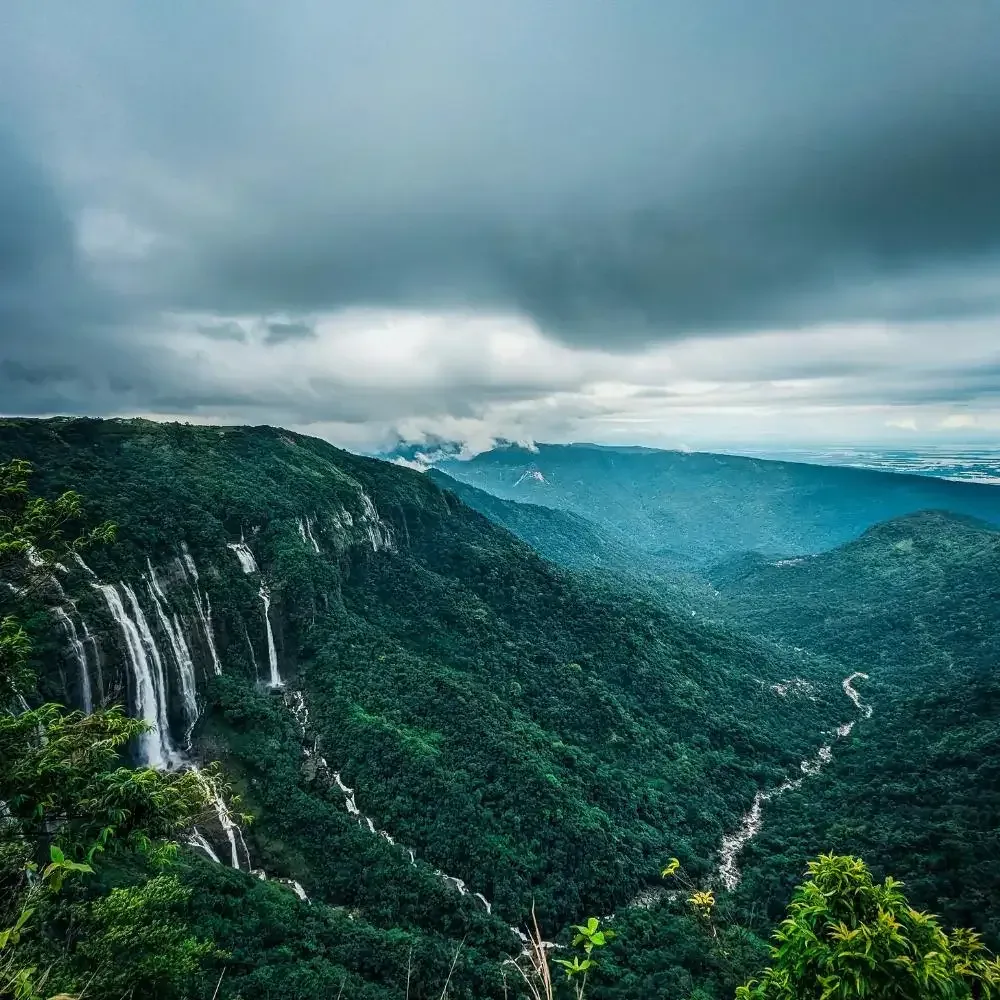
Best Places to Visit in India in August and September 2027
Monsoon green and post-monsoon calm: where to go in India in August and September 2027, from Ladakh and Spiti to Meghalaya, Ziro, Hampi and the Andamans.
Read the story
Read
Destination guides
Best Places to Visit in India in August and September 2027
Monsoon green and post-monsoon calm: where to go in India in August and September 2027, from Ladakh and Spiti to Meghalaya, Ziro, Hampi and the Andamans.
Read the story
-
 Read
Destination guides
Best Places to Visit in India in July 2027
Valley of Flowers, the Hemis festival on 13 and 14 July, Rath Yatra on 5 July and the monsoon Ghats: the best places to visit in India in July 2027.
Read the story
Read
Destination guides
Best Places to Visit in India in July 2027
Valley of Flowers, the Hemis festival on 13 and 14 July, Rath Yatra on 5 July and the monsoon Ghats: the best places to visit in India in July 2027.
Read the story
-
 Read
Destination guides
Best Places to Visit in India in June 2027
Himachal, Ladakh, Kashmir, the Western Ghats and the Northeast: where to go in India in June 2027, and what the monsoon means for each place.
Read the story
Read
Destination guides
Best Places to Visit in India in June 2027
Himachal, Ladakh, Kashmir, the Western Ghats and the Northeast: where to go in India in June 2027, and what the monsoon means for each place.
Read the story
-
 Read
Destination guides
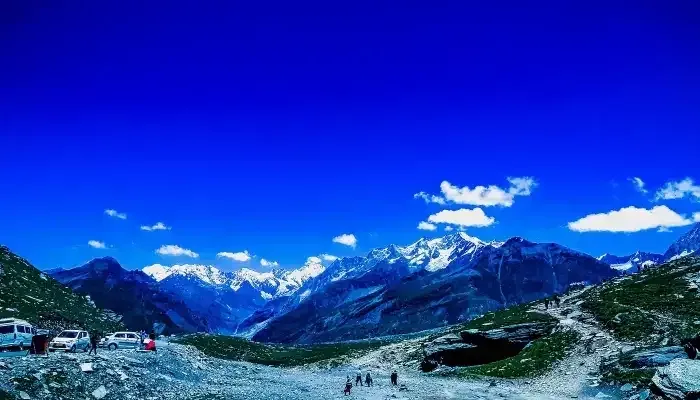
Best Places to Visit in India in May 2027
Escape the May heat: the hill stations, Himalayan valleys, Northeast getaways and islands that are at their best in May 2027, and the places to skip.
Read the story
Read
Destination guides
Best Places to Visit in India in May 2027
Escape the May heat: the hill stations, Himalayan valleys, Northeast getaways and islands that are at their best in May 2027, and the places to skip.
Read the story
-
 Read
Bhutan · Destination guides
Bhutan in 7 Days: Itinerary, Permit and Budget for Indians
Bhutan doesn't just welcome you it transforms you. From the cliffside Tiger's Nest to the serene Punakha Dzong, this complete 2026 guide helps Indian travellers explore the Land of Happiness with ease.
Read the story
Read
Bhutan · Destination guides
Bhutan in 7 Days: Itinerary, Permit and Budget for Indians
Bhutan doesn't just welcome you it transforms you. From the cliffside Tiger's Nest to the serene Punakha Dzong, this complete 2026 guide helps Indian travellers explore the Land of Happiness with ease.
Read the story
-
 Read
Destination guides
How to Travel Without Feeling Rushed: Slow Travel Tips
A practical guide to traveling at a comfortable pace without losing the joy of exploration.
Read the story
Read
Destination guides
How to Travel Without Feeling Rushed: Slow Travel Tips
A practical guide to traveling at a comfortable pace without losing the joy of exploration.
Read the story
-
 Read
Destination guides
How to Plan a Trip Like a Pro: From Research to Packing
Plan better trips with clarity, balance, and flexibility.
Read the story
Read
Destination guides
How to Plan a Trip Like a Pro: From Research to Packing
Plan better trips with clarity, balance, and flexibility.
Read the story
-
 Read
Destination guides
Long Weekends in India 2027: Dates and Trip Ideas
Plan your 2027 escapes with every long weekend in India, the days of leave that stretch them, and the best trips in India and abroad for each.
Read the story
Read
Destination guides
Long Weekends in India 2027: Dates and Trip Ideas
Plan your 2027 escapes with every long weekend in India, the days of leave that stretch them, and the best trips in India and abroad for each.
Read the story
-
 Read
Destination guides
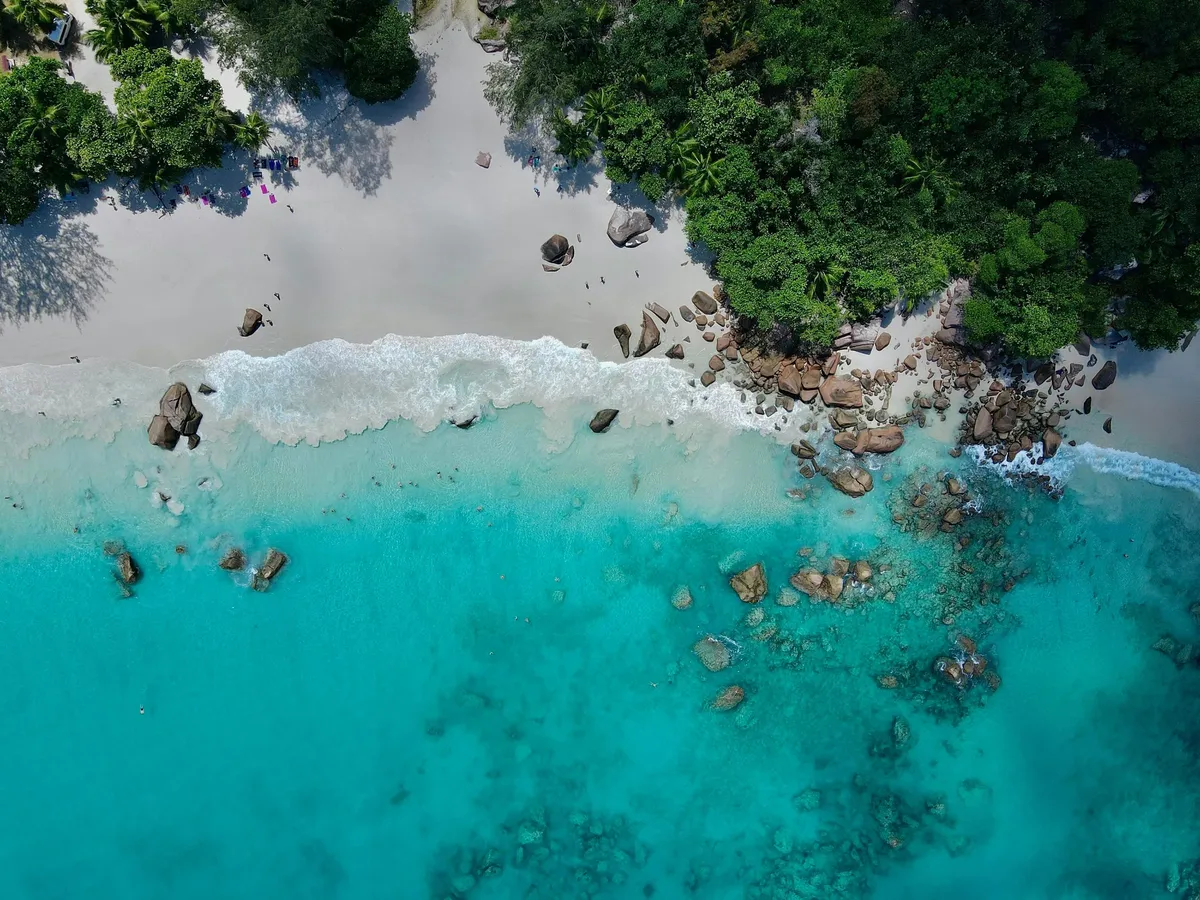
Seychelles Holiday from India: How to Plan the Perfect Trip
Plan your ideal Seychelles vacation with our comprehensive guide. Learn about must-see attractions, accommodations, and local insights for a memorable trip.
Read the story
Read
Destination guides
Seychelles Holiday from India: How to Plan the Perfect Trip
Plan your ideal Seychelles vacation with our comprehensive guide. Learn about must-see attractions, accommodations, and local insights for a memorable trip.
Read the story

This starts with a conversation.
Tell us where you're headed — we'll take it from there.