
Destination guides
How to Travel Without Feeling Rushed: Slow Travel Tips
A practical guide to traveling at a comfortable pace without losing the joy of exploration.

In this story 10
- Understand Your Natural Travel Rhythm
- Choose Fewer Destinations and Stay Longer
- Plan With Flexibility
- Respect Travel Time
- Invest in Comfort Strategically
- Embrace Rest as Part of Your Journey
- Let Go of the Pressure to See Everything
- Focus on Presence Over Perfection
- Make Your Trip Memorable
- Questions travellers ask
Travel is meant to refresh you, not leave you drained. Yet many trips end with long days, tight schedules, and the feeling that you barely had time to breathe. In the rush to see everything, the joy of travel often gets lost.
Traveling smart is not about skipping experiences. It is about planning with awareness, pacing yourself, and creating space for rest and spontaneity. When your trips are designed this way, they become calmer, more enjoyable, and truly memorable.
Understand Your Natural Travel Rhythm
Everyone has a unique pace. Some thrive on early mornings and packed schedules, while others prefer slower starts and flexible evenings.
Knowing what suits you helps avoid fatigue and stress. If your daily plan matches your energy levels, you can focus on enjoying each moment instead of constantly rushing. This awareness is the first step toward stress-free travel.
Choose Fewer Destinations and Stay Longer
Trying to fit too many destinations into a short trip is a common cause of stress. Constant packing, hotel changes, and long transfers can drain your energy and reduce the enjoyment of your trip.
Focusing on fewer destinations allows you to settle in, explore at a comfortable pace, and notice details often missed in rushed travel. Spending more time in one place lets you connect with the local culture, scenery, and people, creating richer memories.
Plan With Flexibility
While planning is important, overplanning can turn travel into a rigid checklist. Instead, select one or two key activities per day and leave space for spontaneity.
Flexible itineraries allow for wandering, resting, or discovering unexpected moments. Some of the most memorable experiences happen when you allow your day to unfold naturally, rather than sticking strictly to a timetable.
Respect Travel Time
Travel time is more than just the hours spent moving from one place to another. It includes airport procedures, traffic delays, waiting periods, hotel check-ins, walking distances, and even the mental effort of staying alert in unfamiliar places.
When travel time is underestimated, days quickly start to feel rushed. You may arrive at attractions tired, feel pressured to hurry, or lose enjoyment because you are constantly watching the clock. This is one of the most common reasons trips feel exhausting.
Smart travel planning means building realistic buffers between activities. Avoid scheduling back-to-back plans in different parts of a city. Allow time to slow down, refresh, and transition comfortably. When travel time is respected, experiences feel calmer, more enjoyable, and far less stressful.
Plan this trip
Want a trip like this?
We build every trip from scratch around you. Tell us your dates and we take it from there.
Start Planning WhatsApp usInvest in Comfort Strategically
Comfort is not indulgent; it is essential for stress-free travel.
A well-located hotel, convenient transfers, and sensible flight schedules can save hours of unnecessary fatigue. Investing in comfort helps preserve your energy for experiences that truly matter, making your journey more enjoyable and less tiring.
Embrace Rest as Part of Your Journey
Rest is not wasted time, it is essential for fully enjoying travel. Slow mornings, quiet afternoons, or breaks at a café give your body and mind a chance to reset.
These moments often become some of the most cherished memories. Accepting rest as part of your journey ensures you return home recharged and fulfilled.
Let Go of the Pressure to See Everything
One of the biggest mistakes travelers make is trying to see too much in too little time. Packing every day with multiple attractions creates pressure and leaves little room to actually enjoy where you are.
Instead of trying to cover everything, focus on visiting one or two, or at most three, key places in a day. This allows you to explore without rushing, spend meaningful time at each location, and still have space for rest or spontaneous discoveries.
Missing a few attractions does not mean missing the essence of a destination. Often, slowing down leads to deeper connections, better memories, and a more satisfying travel experience. Quality moments matter far more than the number of places visited.
Focus on Presence Over Perfection
Travel today often becomes performative, dominated by photos, social media, or checklists.
Shifting your focus to presence allows for authentic experiences. A quiet walk, a conversation with a local, or a shared meal can leave a stronger impression than rushing to see every landmark. Meaningful travel comes from attention and immersion, not accumulation.
Make Your Trip Memorable
Traveling smart without feeling rushed is about ease, balance, and mindful planning. Respect your limits, plan thoughtfully, and allow space for the journey to unfold.
The most satisfying trips are not the busiest. They are the ones that let you slow down, stay present, and return home enriched. When travel feels unhurried, memories stay vivid, and the experience truly becomes your own.
Questions travellers ask
What is slow travel?
Travelling to fewer places for longer, at a pace that leaves room for rest, local life and unplanned moments, instead of ticking off as many sights as possible.
How many places should I visit in a day?
One or two key places, three at most, with buffer time between them for travel, meals and rest.
How many destinations should a one-week trip have?
Usually two, three at most. Each hotel change costs about half a day of packing, checking out and travelling.
Is slow travel more expensive?
Not necessarily. Longer stays often get better hotel rates, and fewer transfers save on flights and taxis.
Destination guidesPlanning tips
Know someone who should read this?
Send on WhatsAppKeep reading
All stories-
 Read
Destination guides
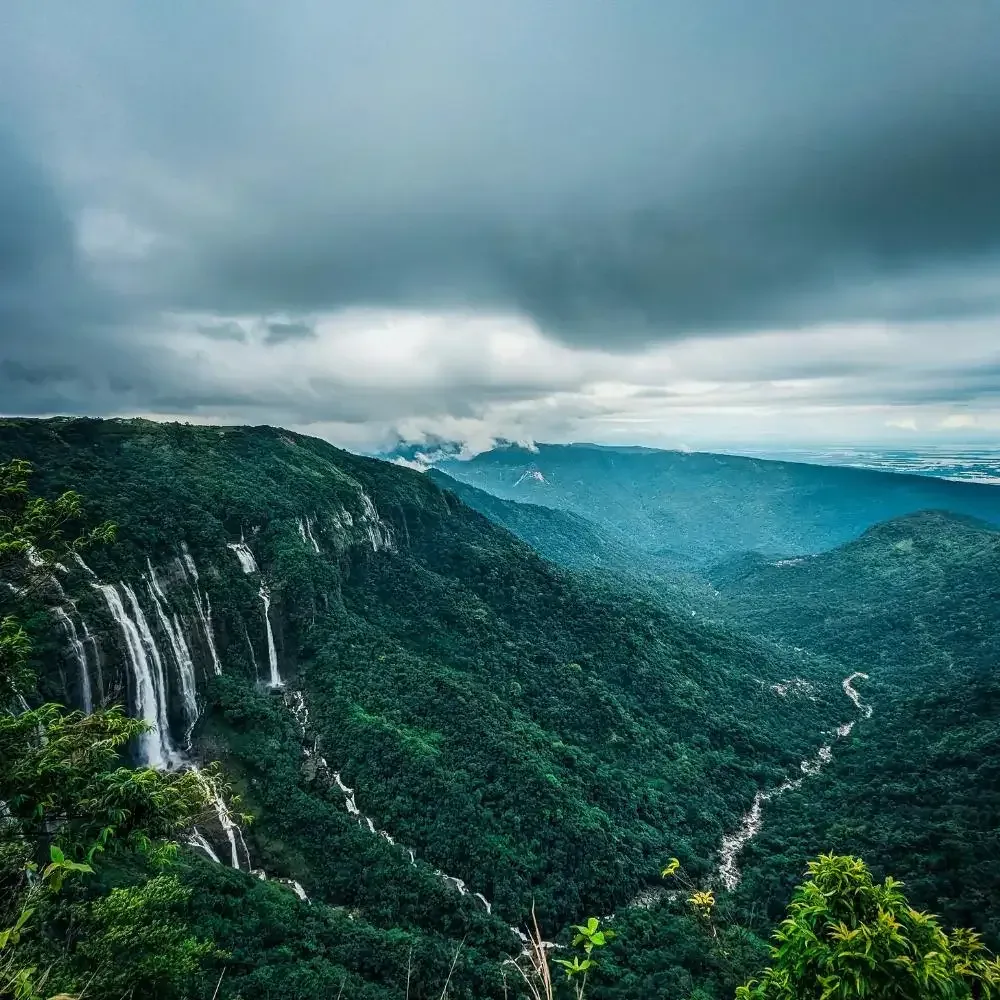
Best Places to Visit in India in August and September 2027
Monsoon green and post-monsoon calm: where to go in India in August and September 2027, from Ladakh and Spiti to Meghalaya, Ziro, Hampi and the Andamans.
Read the story
Read
Destination guides
Best Places to Visit in India in August and September 2027
Monsoon green and post-monsoon calm: where to go in India in August and September 2027, from Ladakh and Spiti to Meghalaya, Ziro, Hampi and the Andamans.
Read the story
-
 Read
Destination guides
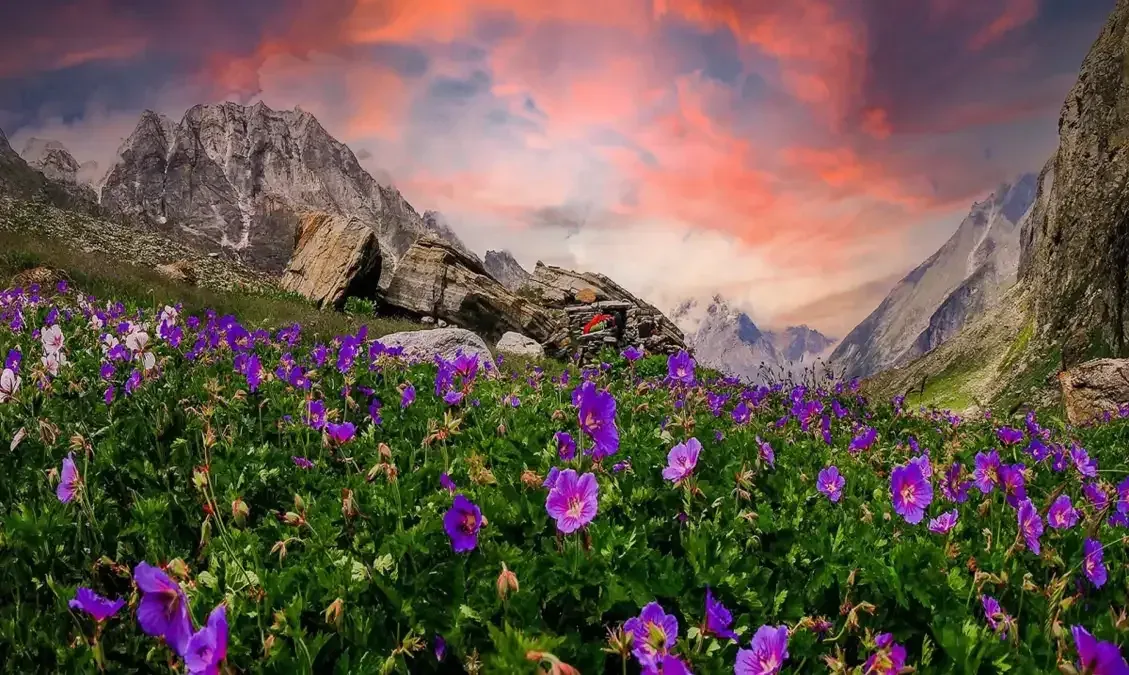
Best Places to Visit in India in July 2027
Valley of Flowers, the Hemis festival on 13 and 14 July, Rath Yatra on 5 July and the monsoon Ghats: the best places to visit in India in July 2027.
Read the story
Read
Destination guides
Best Places to Visit in India in July 2027
Valley of Flowers, the Hemis festival on 13 and 14 July, Rath Yatra on 5 July and the monsoon Ghats: the best places to visit in India in July 2027.
Read the story
-
 Read
Destination guides
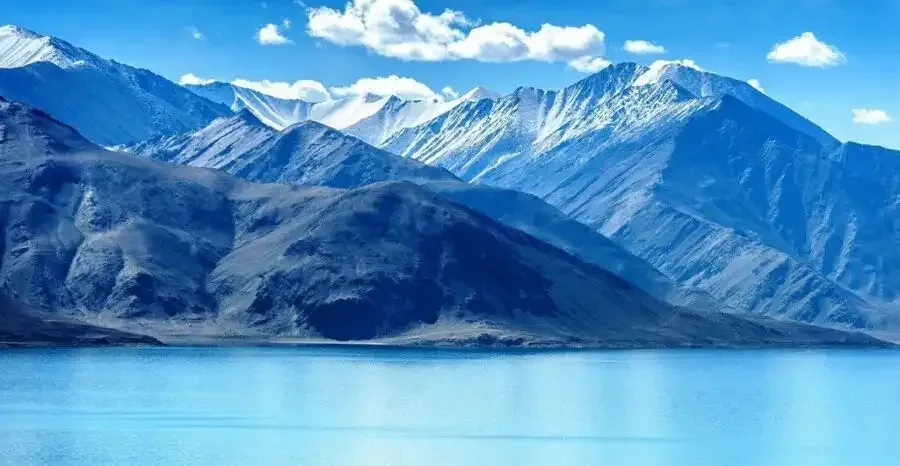
Best Places to Visit in India in June 2027
Himachal, Ladakh, Kashmir, the Western Ghats and the Northeast: where to go in India in June 2027, and what the monsoon means for each place.
Read the story
Read
Destination guides
Best Places to Visit in India in June 2027
Himachal, Ladakh, Kashmir, the Western Ghats and the Northeast: where to go in India in June 2027, and what the monsoon means for each place.
Read the story
-
 Read
Destination guides
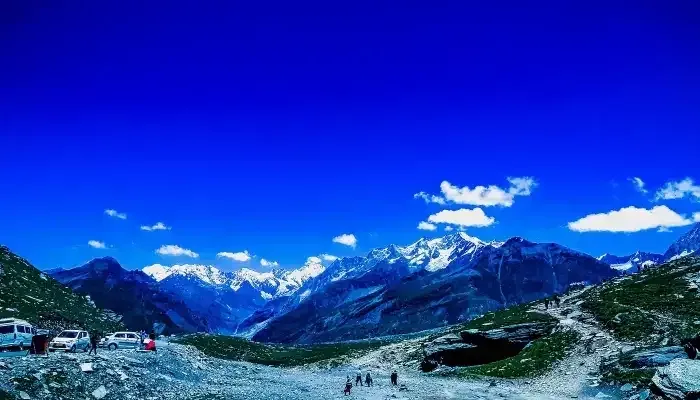
Best Places to Visit in India in May 2027
Escape the May heat: the hill stations, Himalayan valleys, Northeast getaways and islands that are at their best in May 2027, and the places to skip.
Read the story
Read
Destination guides
Best Places to Visit in India in May 2027
Escape the May heat: the hill stations, Himalayan valleys, Northeast getaways and islands that are at their best in May 2027, and the places to skip.
Read the story
-
 Read
Destination guides
How to Plan a Trip Like a Pro: From Research to Packing
Plan better trips with clarity, balance, and flexibility.
Read the story
Read
Destination guides
How to Plan a Trip Like a Pro: From Research to Packing
Plan better trips with clarity, balance, and flexibility.
Read the story
-
 Read
Destination guides
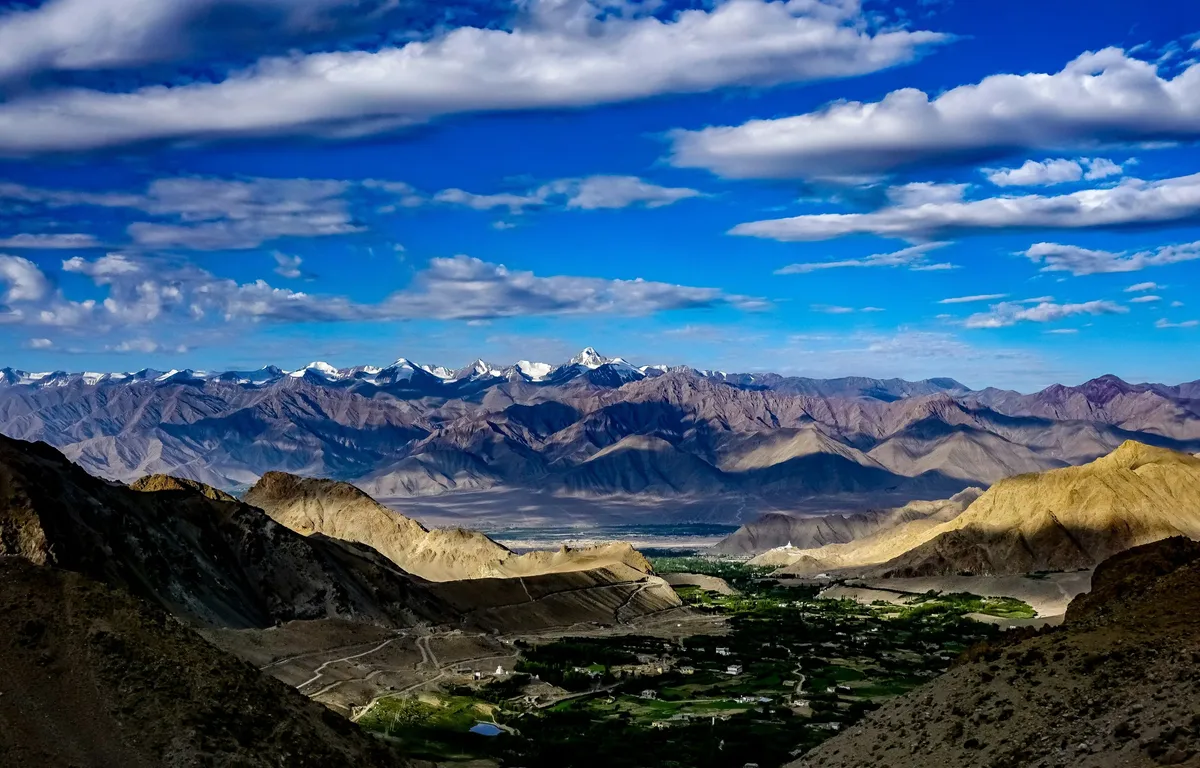
Places to Visit in Ladakh: Your First Leh Ladakh Trip Plan
Plan your dream Ladakh trip with this guide to places to visit in Ladakh, from Pangong and Nubra Valley to high-altitude prep, permits, and acclimatization tips for a smooth Leh Ladakh trip.
Read the story
Read
Destination guides
Places to Visit in Ladakh: Your First Leh Ladakh Trip Plan
Plan your dream Ladakh trip with this guide to places to visit in Ladakh, from Pangong and Nubra Valley to high-altitude prep, permits, and acclimatization tips for a smooth Leh Ladakh trip.
Read the story
-
 Read
Destination guides
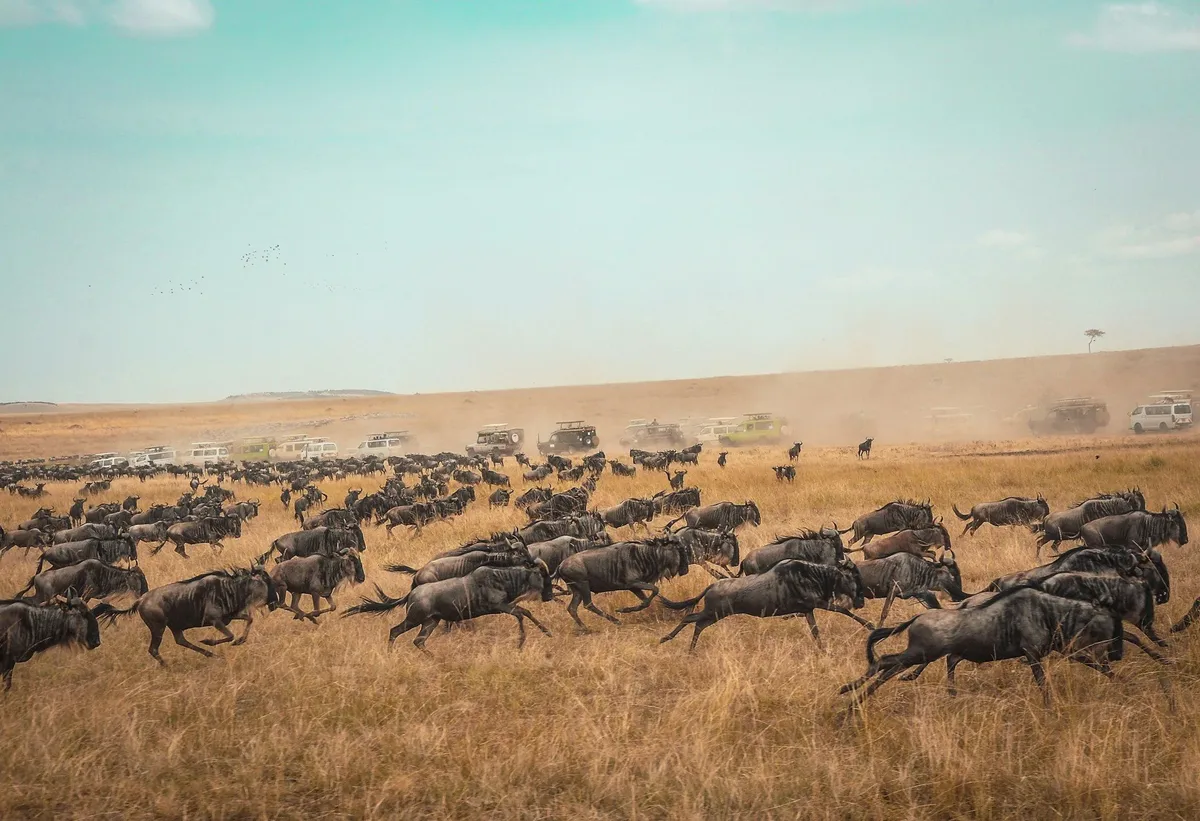
Masai Mara Safari Guide: How to Plan Your Kenya Safari
Plan your Africa safari with our Masai Mara guide! Discover when to visit, what to pack, and how to experience Kenya’s wildlife intimately.
Read the story
Read
Destination guides
Masai Mara Safari Guide: How to Plan Your Kenya Safari
Plan your Africa safari with our Masai Mara guide! Discover when to visit, what to pack, and how to experience Kenya’s wildlife intimately.
Read the story
-
 Read
Destination guides
Long Weekends in India 2027: Dates and Trip Ideas
Plan your 2027 escapes with every long weekend in India, the days of leave that stretch them, and the best trips in India and abroad for each.
Read the story
Read
Destination guides
Long Weekends in India 2027: Dates and Trip Ideas
Plan your 2027 escapes with every long weekend in India, the days of leave that stretch them, and the best trips in India and abroad for each.
Read the story
-
 Read
Destination guides
Things to Do in Kashmir: Shikaras, Houseboats, Gondolas and More
Craft your ideal Kashmir trip plan with shikara rides, gondola views, pony treks, mountain camping, rafting, Mughal gardens, and Wazwan feasts—top must do things in Kashmir.
Read the story
Read
Destination guides
Things to Do in Kashmir: Shikaras, Houseboats, Gondolas and More
Craft your ideal Kashmir trip plan with shikara rides, gondola views, pony treks, mountain camping, rafting, Mughal gardens, and Wazwan feasts—top must do things in Kashmir.
Read the story
This starts with a conversation.
Tell us where you're headed — we'll take it from there.