
Indonesia & Bali · Destination guides
Places to Visit in Bali, from Ubud to the Nusa Islands
Most Bali trips work best with two or three bases: Ubud for the green highlands, a southern beach base and a Nusa island if you have the nights.
In this story 7
Most Bali trips work best with two or three bases: Ubud for the green highlands, one southern beach base, and a Nusa island if you have the nights. We've planned 12 trips to Bali for travellers, and our usual 5-night route is three nights in Seminyak, then two in Ubud. Start your sightseeing in Ubud with Tegalalang's rice terraces at sunrise, the purification pools at Tirta Empul and the Monkey Forest. Then head south to the cliffs and finish on an island. One tip before you plan the days: give the Lempuyang gate photo a miss. Travellers have reported queues of around two hours for about ten seconds in front of the camera, and those hours buy you a whole morning somewhere else.
Ubud and the rice terraces around it
Every Bali trip we plan includes Ubud. It is a town in the middle of the countryside, where the day starts with canang sari on the doorsteps. These are small woven trays of flowers, rice and incense, set out by early morning as a daily Balinese Hindu offering. You'll step around them on the pavements and at the base of shrines.
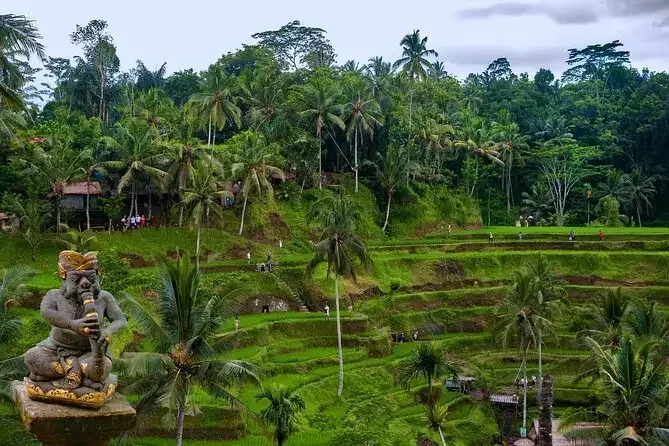
The first morning belongs to Tegalalang. The terraces sit about 15 minutes from the centre of town, and sunrise is the hour to go, when the low light turns the rice bright green and the paths are still quiet. An hour or two is plenty. From there, Tirta Empul makes a natural next stop. It is a 10th-century temple built around purification pools, where Balinese families come to bathe under a row of spouts as part of their prayers. Give it an hour or two and go with a sarong and an unhurried pace.
The Sacred Monkey Forest is back in town, home to more than 700 macaques. Entry is about ₹500. Keep sunglasses and snacks tucked away, because the monkeys are quick and curious, and the visit is far more fun when you are simply watching them.
Where you sleep in Ubud shapes the stay. Travellers who know the town suggest staying about a 10 to 15 minute walk from the Ubud Palace, close enough to walk to everything but much quieter at night. Stays range from bamboo pods at Bambu Indah to the Como Shambhala wellness estate, and Locavore is where the town's food-minded crowd books dinner.
Ubud is also the easiest base in Bali if you eat vegetarian. Indian kitchens such as Queen's Tandoor, Aunty Ji's and Ayodhya are all here. Expect Bali-Indian flavours rather than home cooking, which is half the fun after a week of travel.
Mount Batur at dawn, or the cooler north
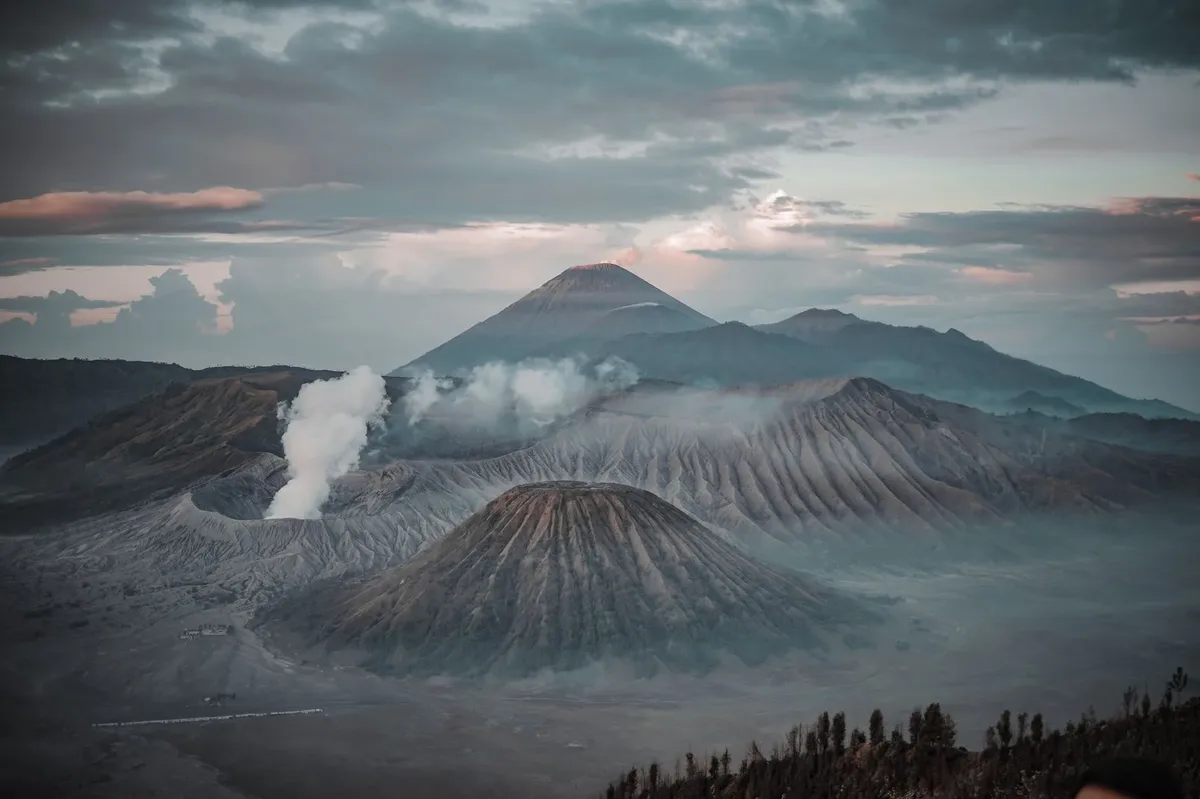
From Ubud, the one early start we'd make is the Mount Batur sunrise trek. It is a half-day outing that starts in the dark, and sunrise treks start from about ₹2,000 per person. Travellers who have done it call it the highlight of their trip, with a sky full of stars before dawn and the light coming up over the volcano. It also leaves the rest of the day free, and people who did it love the slow coffee in a café afterwards.
The highlands run several degrees cooler than the coast, around 23 to 25°C in the wet season, and colder still before dawn. Pack a light layer for the climb.
If you have a longer trip, the north rewards an extra night. Munduk has waterfalls, rice terraces and the Twin Lake viewpoint at Wanagiri, and the Ulun Danu Beratan lake temple sits at Bedugul nearby. Travellers who stayed in Munduk found the waterfalls and the lake temple far easier to reach from there than from Ubud. That is the trade-off: the north works as a stay, not a day trip, so it suits trips of a week or more.
Uluwatu: cliffs, beaches and the Kecak at sunset
As the sun drops, a circle of dancers sits around a fire and begins to chant, with the clifftop temple at Uluwatu behind them and the sea far below. This is the Kecak, and the evening is the reason most people come down to the Bukit peninsula. Temple entry alone is about ₹325, and a combined temple-and-Kecak ticket starts from about ₹2,735. The seating is solid rock, so a parent who took a toddler suggests bringing a sit pad or a padded jacket. The same parent says the little one loved every minute.
Keep the days for the beaches below the cliffs. Padang Padang and Bingin are reached by steps down the rock face, and they open onto small coves with clear water. A morning swim, a long lunch and a slow walk back up fills a day nicely before the evening at the temple.
One or two nights here is enough for most trips. Clifftop stays range from Uluwatu Surf Villas, with its modern tropical design and wide views, to Alila Villas Uluwatu, an all-villa resort set high on the cliff. Either way, you wake up to the sea.
Seminyak, Canggu or Nusa Dua: pick one beach base
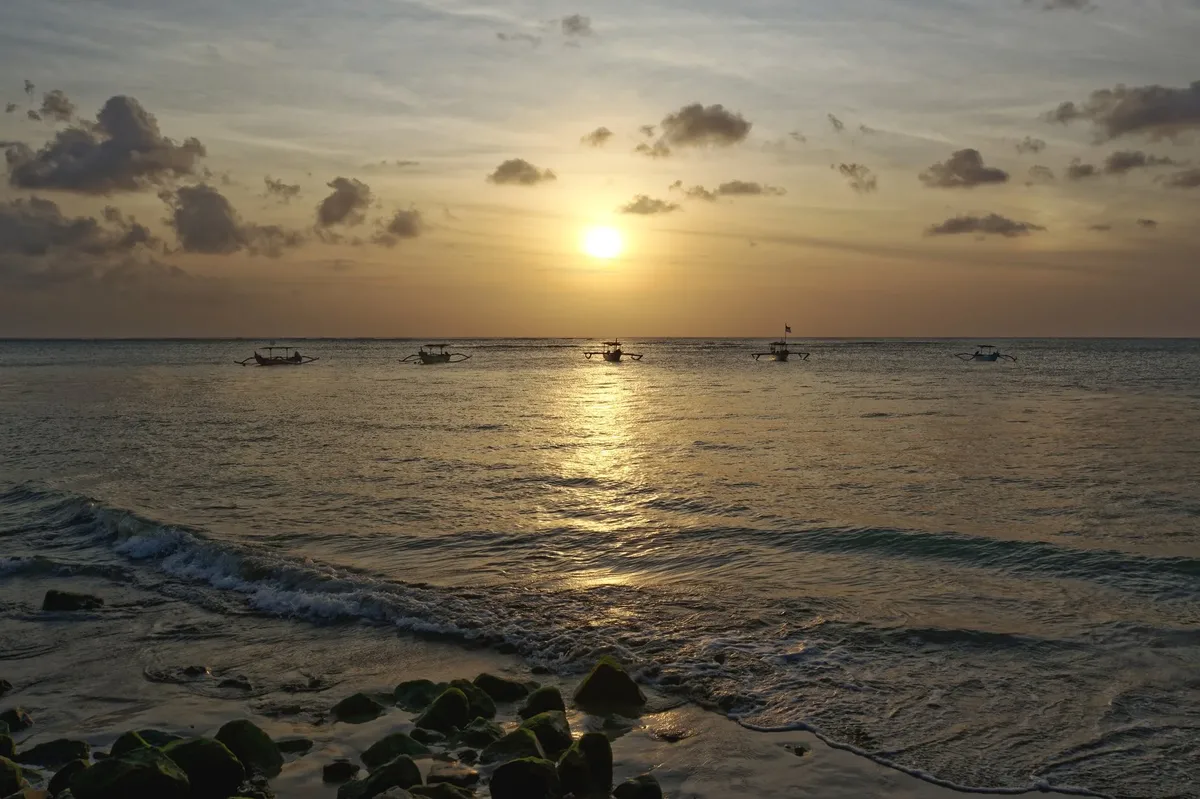
Each southern area does one thing well, and the trip is smoother when you pick the one that suits you and stay put.
Seminyak is the one we use most after Ubud. It is the base for beach clubs, good dining and evenings out, with a style-conscious surf crowd. Three nights here and two in Ubud is the route we plan most often for a 5-night trip, because it pairs the south's easy beach days with the highlands.
Canggu suits a younger crowd. It is a surfer and digital-nomad area, with surf lessons, sunset beach clubs, street art and plenty of cafés. The Slow, a tropical-brutalist hotel, captures its laid-back, design-minded side well.
Nusa Dua is the family pick. It is a resort town with calm, organised beachfronts, and the St. Regis Bali Resort shows its classic, polished side.
Choose one, though. Adding all three turns the trip into hours in a car, and Canggu to Ubud alone takes about an hour and a half.
Nusa Penida or Lembongan, across from Sanur
The islands are where you decide how much time you have. Nusa Penida is rugged and dramatic, and its big sights are Kelingking Beach, Broken Beach and snorkelling at Crystal Bay. It works as a long day trip from the mainland, with day trips costing roughly ₹3,200 to ₹8,100 depending on how private you want it. If you want the island unrushed, though, it deserves nights of its own, ideally three or more.
Lembongan and its neighbour Ceningan suit couples who would rather stay over. They are quieter, good for snorkelling and pottering about on the island, with Dream Beach for the afternoon and Devil's Tears at sunset, where the waves throw spray up through the rocks.
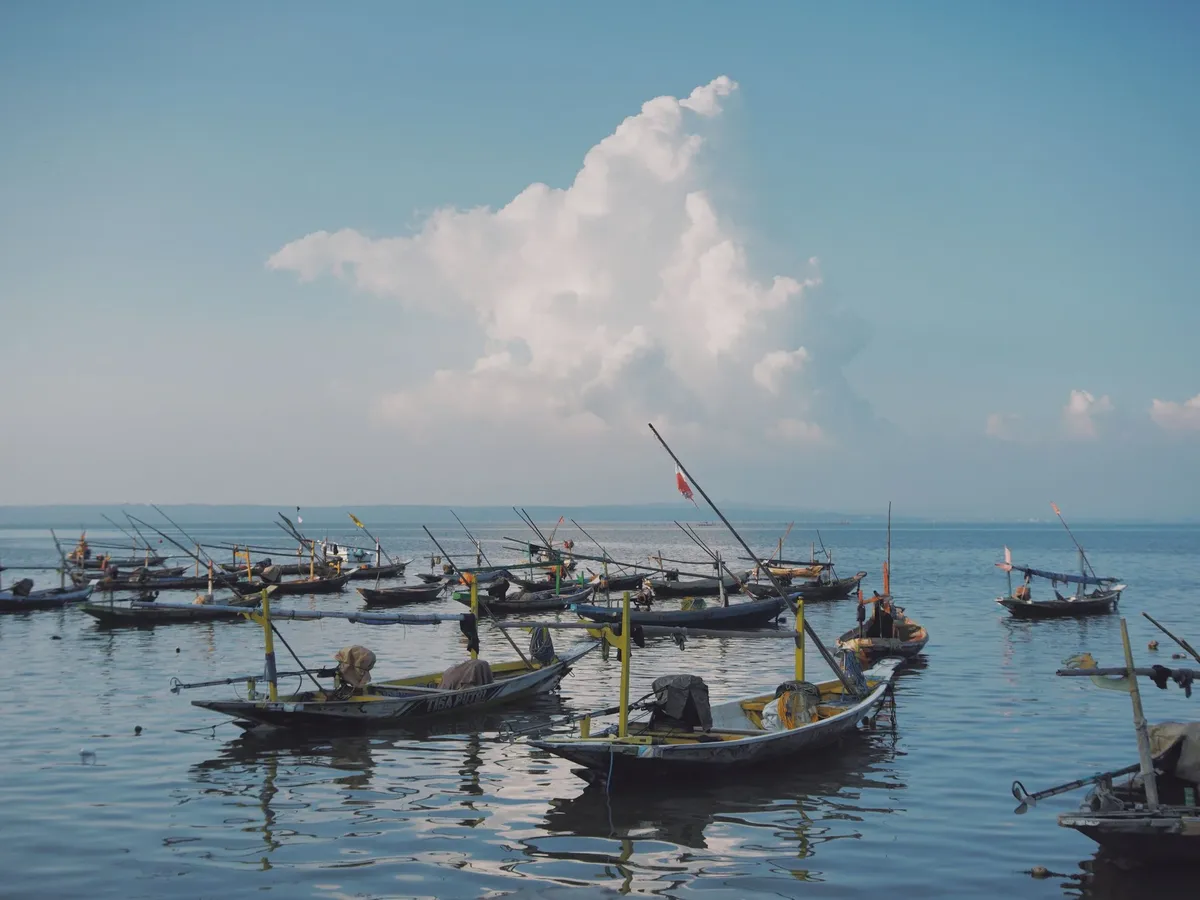
Sanur is the ferry port, and it earns a night in its own right. It is a relaxed, family-friendly town with a sunrise promenade along the beach and night-market street food in the evening, which makes a gentle last stop before you fly home. The ferry to Lembongan takes about 30 minutes, so you can leave after breakfast and be on the sand by mid-morning.
Getting around and fitting it together
A private car with a driver is how we'd link these bases. It costs about ₹3,500 to ₹5,500 a day, and the driver handles the roads, the parking and the early Batur pickups. Scooters are popular, but we'd leave them out and let your driver handle the roads.
If your trip falls in November, plan sights for the mornings. That is the start of the rainy season, and mornings are often clear, with a short, heavy shower after lunch. The terraces are at their greenest then, and the Nusa islands stay a little drier than the mainland.
For the practical side: Indian passport holders need a Visa on Arrival, best applied for online as an e-VoA at evisa.imigrasi.go.id before you fly, for IDR 500,000 (about ₹2,700); our Bali visa guide covers the arrival card and the tourist levy too. Air India and IndiGo fly direct from Delhi in about eight hours. Our cost guide covers budgets, and our when-to-go guide sets out a good window for each month.
Questions travellers ask
Is 5 days enough for Bali?
Five days covers two bases well, with three nights in Seminyak and two in Ubud as our usual route.
Ubud or Seminyak, which is better?
Ubud is for terraces, temples and culture, Seminyak for beaches and dining, and most trips are happiest with both.
Is Nusa Penida worth a day trip from Bali?
Yes, if a long day suits you, with day trips from about ₹3,200. For a slower pace, stay a few nights on Penida or choose quieter Lembongan.
Can Indians get vegetarian food in Bali?
Easily, especially in Ubud, where Indian kitchens such as Queen's Tandoor and Aunty Ji's cook Bali-Indian dishes.
Destination guidesPlanning tips
Know someone who should read this?
Send on WhatsAppKeep reading
All stories-
 Read
Bali, Georgia +2 · Planning tips
Best Countries to Visit in August and September from India (2027)
August is peak season, September the smart month: the best countries to visit from India in August and September 2027, with visas, flights and budgets for each.
Read the story
-
 Read
Bali, Oman +1 · Destination guides
Where to Go If You Hate Tourists (But Love Travelling)
Skip the crowds. Keep the soul. 13 destinations for Indian travelers who want the real thing and yes, all of them are safe for solo women.
Read the story
-
 Read
Bali, Sri Lanka +1 · Planning tips
Best Countries to Visit in July from India (2027)
Where to go abroad in July 2027 from India: Bali at its driest, Mauritius in its best month, Sri Lanka's east coast, the Maldives off-season, and Europe done smartly.
Read the story
-
 Read
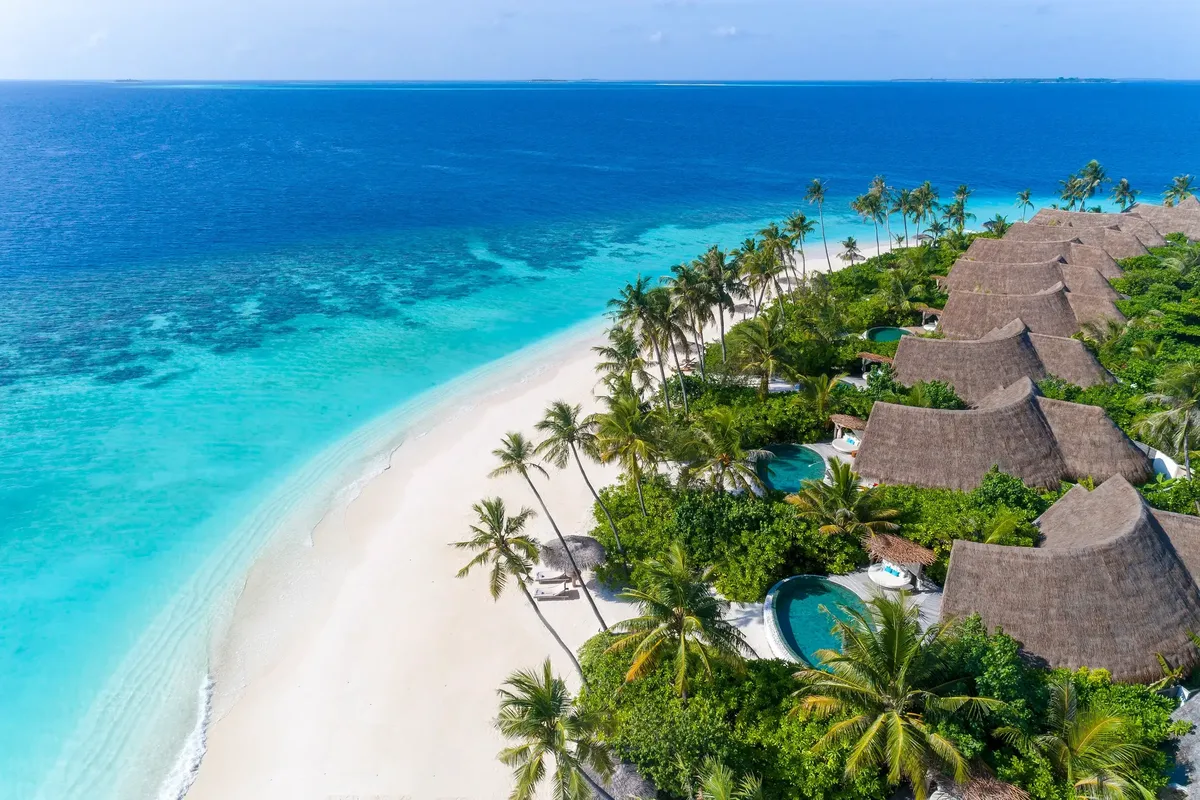
Bali, Maldives +2 · Planning tips
Best Countries to Visit in June from India (2027)
Where to travel abroad in June 2027 from India: Europe in early summer, Bali's dry season, the Maldives and Mauritius at good prices, Japan, Turkey and Singapore, with visa rules.
Read the story
-
 Read
Bali, Japan +2 · Planning tips
Best Countries to Visit in May from India (2027)
Where to go abroad in May 2027 from India: Europe's sweet spot, Bali and Vietnam for value, Japan after Golden Week and Sri Lanka's east coast, with 2027 visa rules.
Read the story
-
 Read
Japan · Destination guides
A 7-Day Japan Itinerary Through Tokyo and Osaka
A seven-day Japan itinerary with three nights each in Tokyo and Osaka, plus Mt. Fuji, Kyoto and Nara as day trips. Two bases mean fewer hotel changes.
Read the story
-
 Read
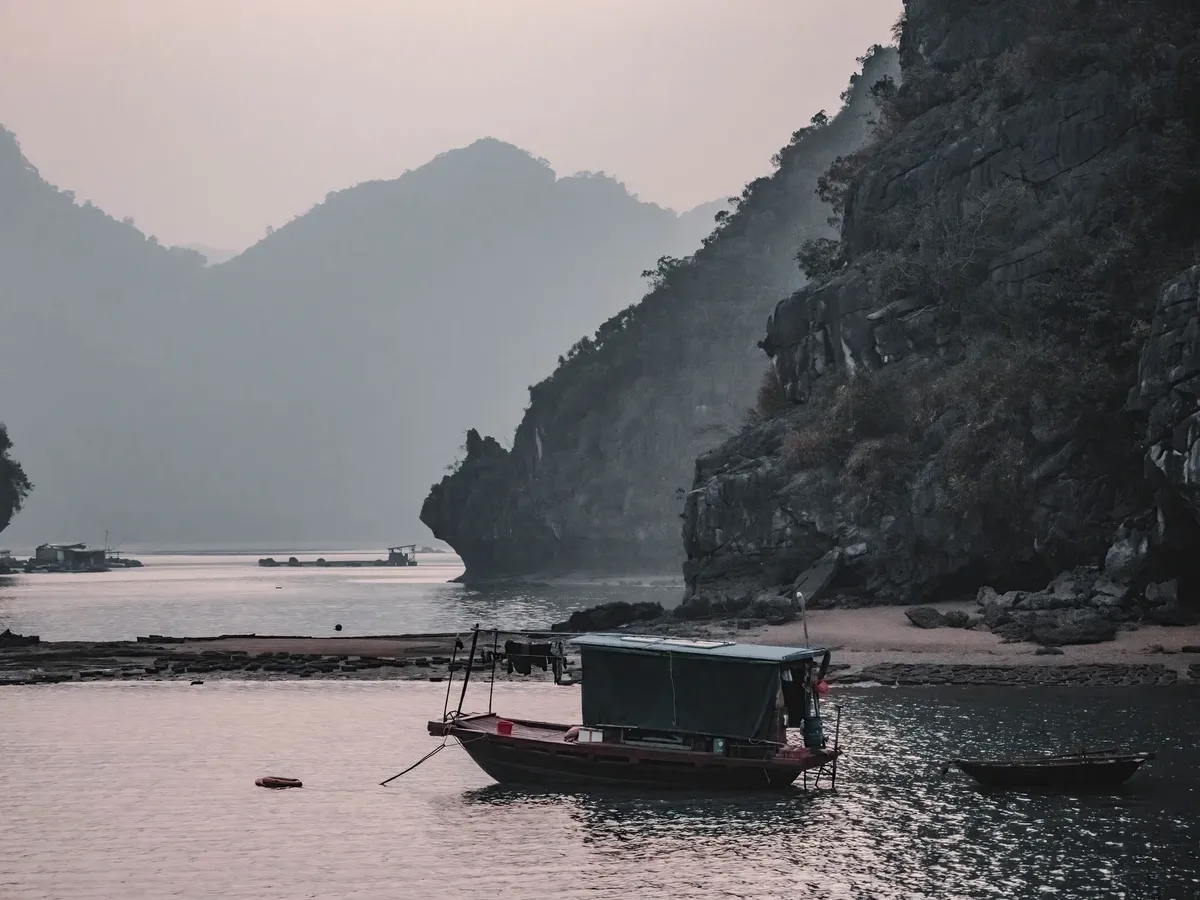
Vietnam · Destination guides
How Much a Vietnam Trip Costs from India
A comfortable week in Vietnam costs about ₹85,000 to ₹1,10,000 per person from India, return flights included. Flights and the cruise set the budget.
Read the story
-
 Read
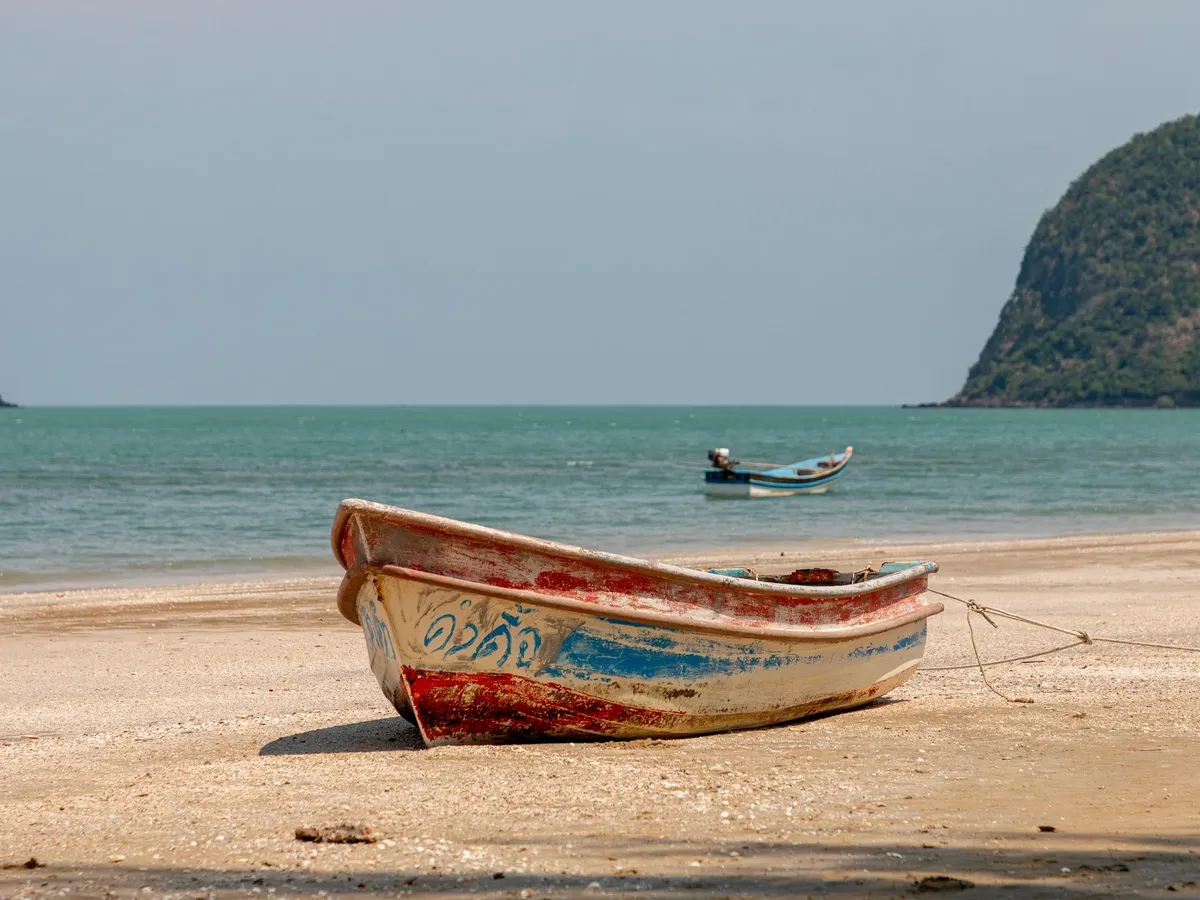
Thailand & Vietnam · Destination guides
Best Honeymoon Destinations for First-Time Travellers Abroad
Thailand, Vietnam and Dubai compared for a first international honeymoon, with entry rules, trip lengths and month-by-month weather for each.
Read the story
-
 Read
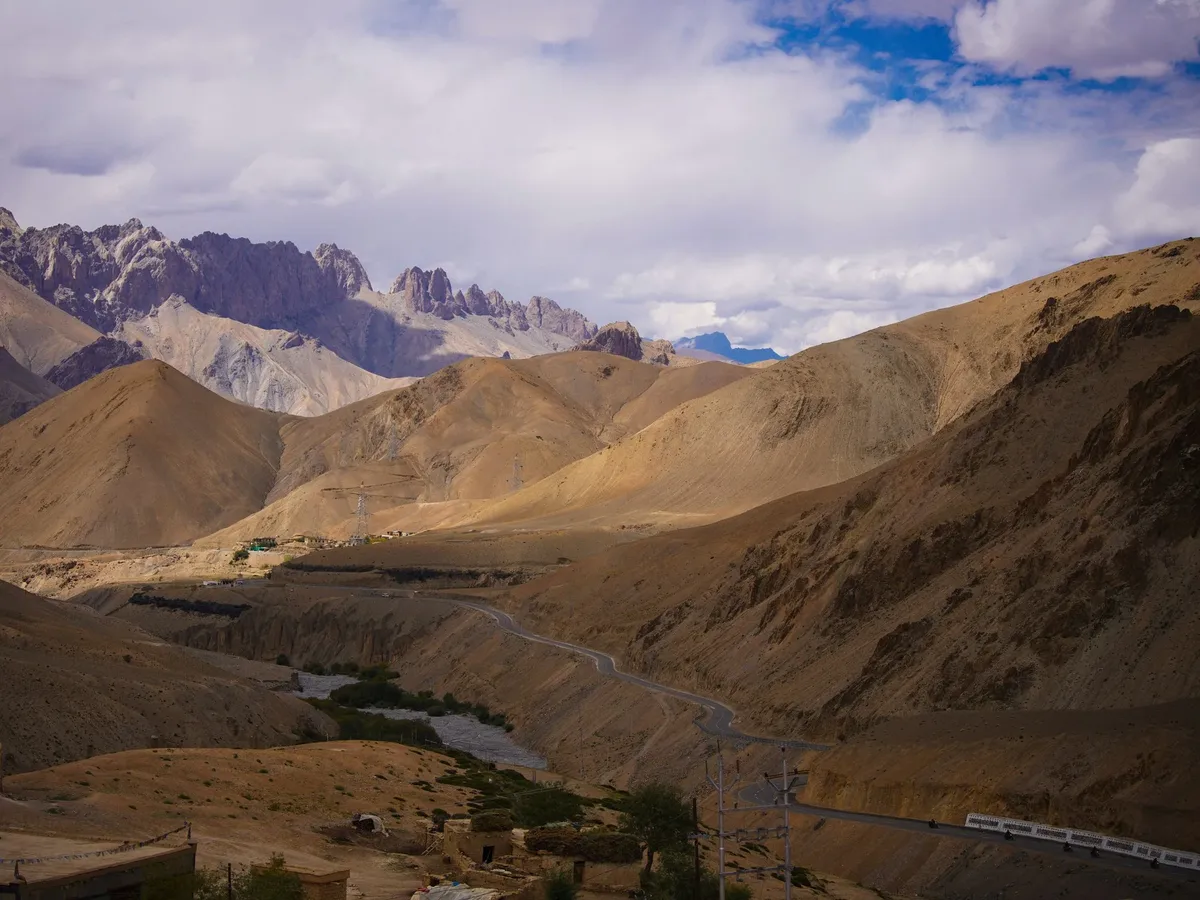
Destination guides
Ladakh Trip Guide: Leh, Nubra and Pangong in 7 or 10 Days
Plan a Ladakh trip in 7 or 10 days: acclimatise in Leh, cross Khardung La to Nubra Valley, and add Pangong Lake with ten days.
Read the story


This starts with a conversation.
Tell us where you're headed — we'll take it from there.