
Destination guides
Best Places to Visit in India in August and September 2027
Monsoon green and post-monsoon calm: where to go in India in August and September 2027, from Ladakh and Spiti to Meghalaya, Ziro, Hampi and the Andamans.
In this story 5
August and September are not the same month in different clothes. August is the monsoon at its most insistent: green and wet across most of India, while Ladakh, in the rain shadow, sits under clear skies at the height of its season. September is the turning point. The rain eases from about mid-month, the landscape stays deep green, the crowds have not yet come back and the light softens into the kind photographers plan trips around.
August rewards places that embrace the rain, or sit above it. September opens up a wider map, with the Andamans calming down, Spiti at its finest and Varanasi pleasant before the October rush.
August gives you India without the crowds and with the rain. September gives you India without the crowds and, increasingly, without the rain.
Best Places to Visit in India in August
Think of August as a journey from the top of the map downwards: Ladakh above the monsoon, then Himachal, east to Arunachal, into Meghalaya where the rain is loudest, and south to Hampi's empty ruins.
1. Ladakh
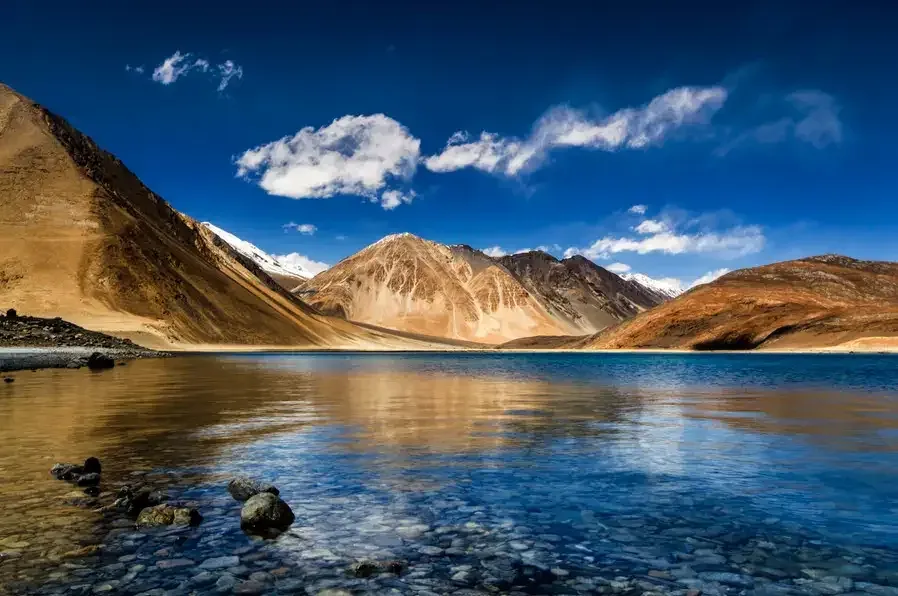
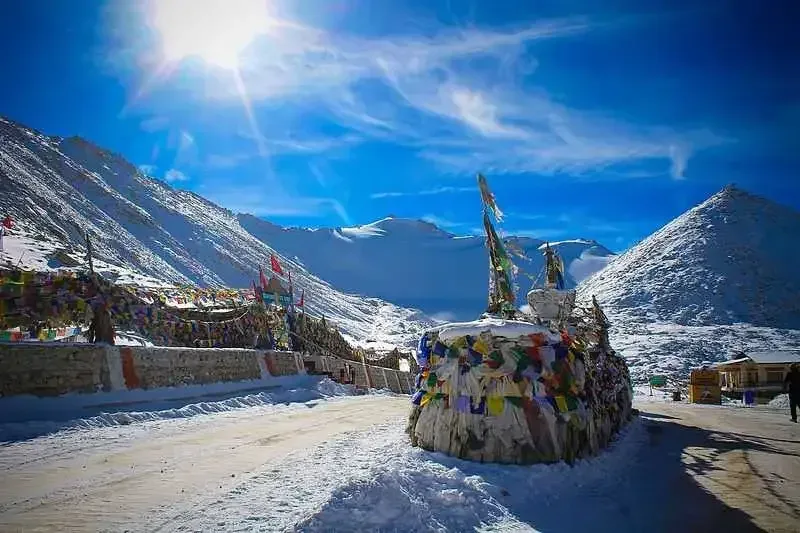
August is Ladakh's busiest month and its most open. Pangong Tso, Nubra, Tso Moriri and Hanle are all reachable and Leh sits at a warm 20 to 28°C. The weak spot is the Manali–Leh road, where monsoon rain on the Himachal side brings the highest landslide risk of the year, so many travellers fly into Leh and drive out later. The Ladakh Festival in Leh, with polo, archery and dance, is usually held in the third week of September, so a late August arrival can stretch to include it.
Indians no longer need an Inner Line Permit for Ladakh: pay the environment fee online at lahdclehpermit.in (₹400 plus ₹20 a day) before heading to the lakes and valleys.
From Ladakh, come down from the sky into Himachal, where the monsoon arrives but the hills handle it well.
2. Khajjiar and Chamba, Himachal Pradesh
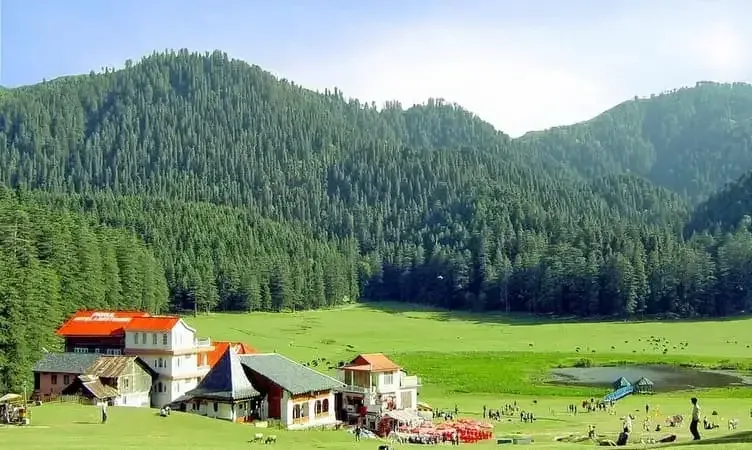
Khajjiar has been sold as the "mini Switzerland of India" since a Swiss diplomat gave it the label in 1992. The comparison is a stretch, but the place is lovely in August: a saucer-shaped meadow at about 1,900 metres, ringed by deodar forest around a small lake, at its greenest in the rain.
Pair it with Chamba, the old royal capital 24 km away, whose Lakshmi Narayan temple group dates back over a thousand years and is one of the finest in the western Himalaya. The Minjar fair, Chamba's monsoon festival, usually falls in late July or early August. Two or three days here feel very different from the Manali and Dharamshala circuit.
Leave Himachal and go east, to Arunachal Pradesh, where the crowds stop entirely.
3. Ziro Valley, Arunachal Pradesh
Ziro appears on every list of hidden India and stays hidden because getting there is a commitment. That is its charm. The wide valley at about 1,500 metres is home to the Apatani people, known for their rice and fish farming in hand-tended fields, a landscape on UNESCO's tentative World Heritage list. Pine and bamboo hills ring the valley.
In August the paddy is at full green and the valley belongs to the Apatani and the few visitors who make the trip. The Ziro Festival of Music, one of India's best independent music festivals, is usually held in late September if you would rather go then.
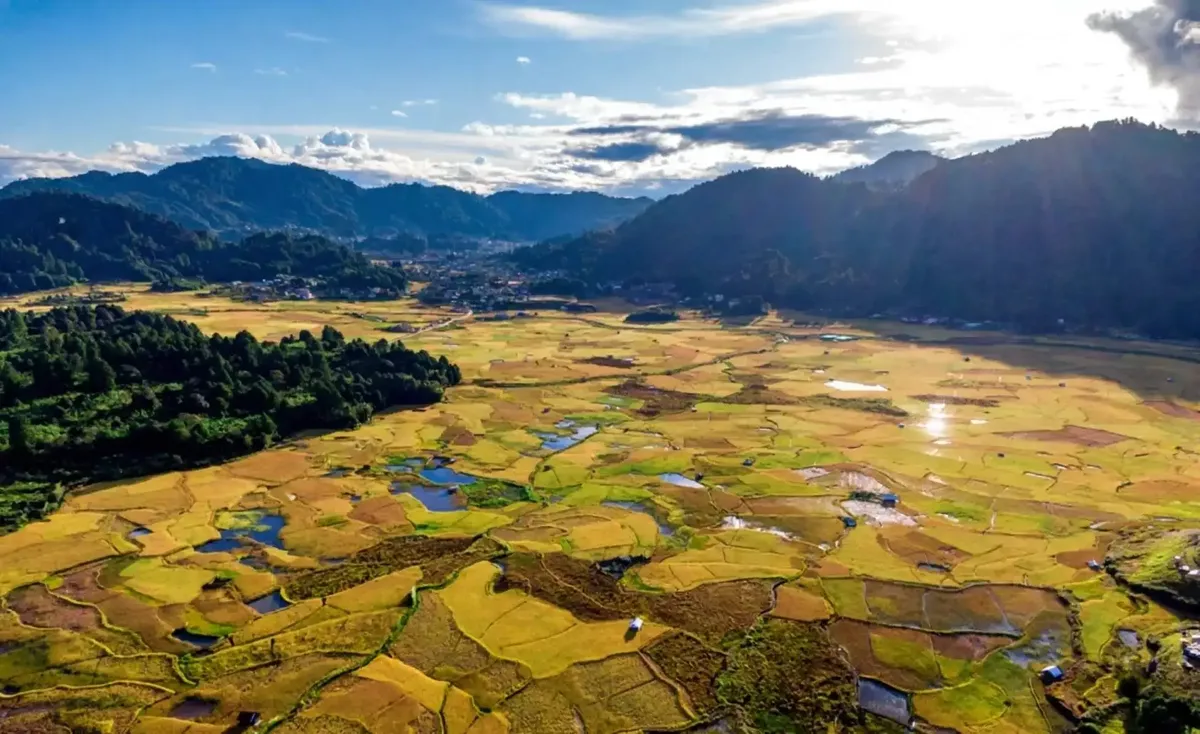
Stay in Arunachal and go higher. Ziro was the valley. Tawang is the mountain.
4. Tawang, Arunachal Pradesh
At about 3,000 metres, Tawang gets far less rain than the Arunachal foothills. Its monastery, founded in the 1680s, is the largest in India, home to hundreds of monks, with a prayer hall full of thangkas and a giant gilded Buddha.
The drive from Tezpur via Bomdila is one of India's great mountain roads. The Sela Tunnel, opened in 2024, now keeps the route open in winter, but in August you can still drive over Sela Pass (about 4,170 metres) for the lake and the views. Nuranang (Jang) Falls is at its most powerful in the monsoon.
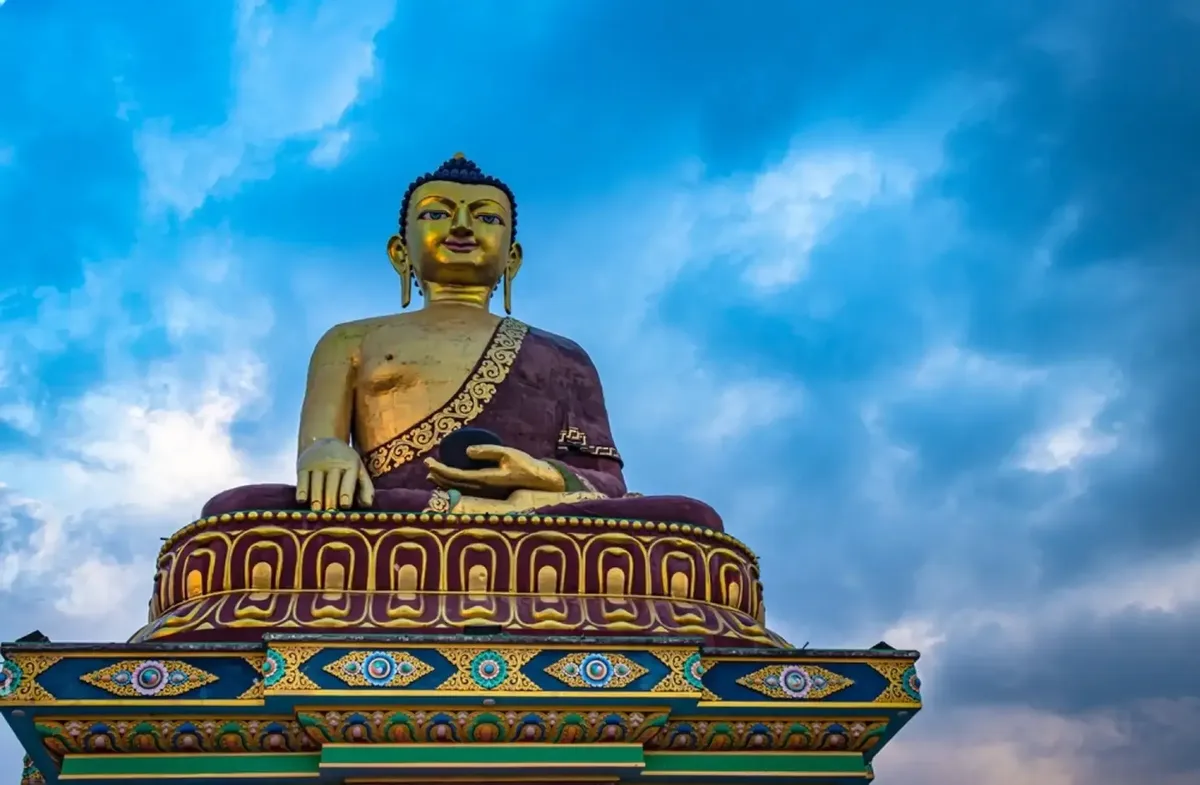
Come west into Meghalaya, where the monsoon stops being something that happens to you and becomes the whole point.
5. Meghalaya
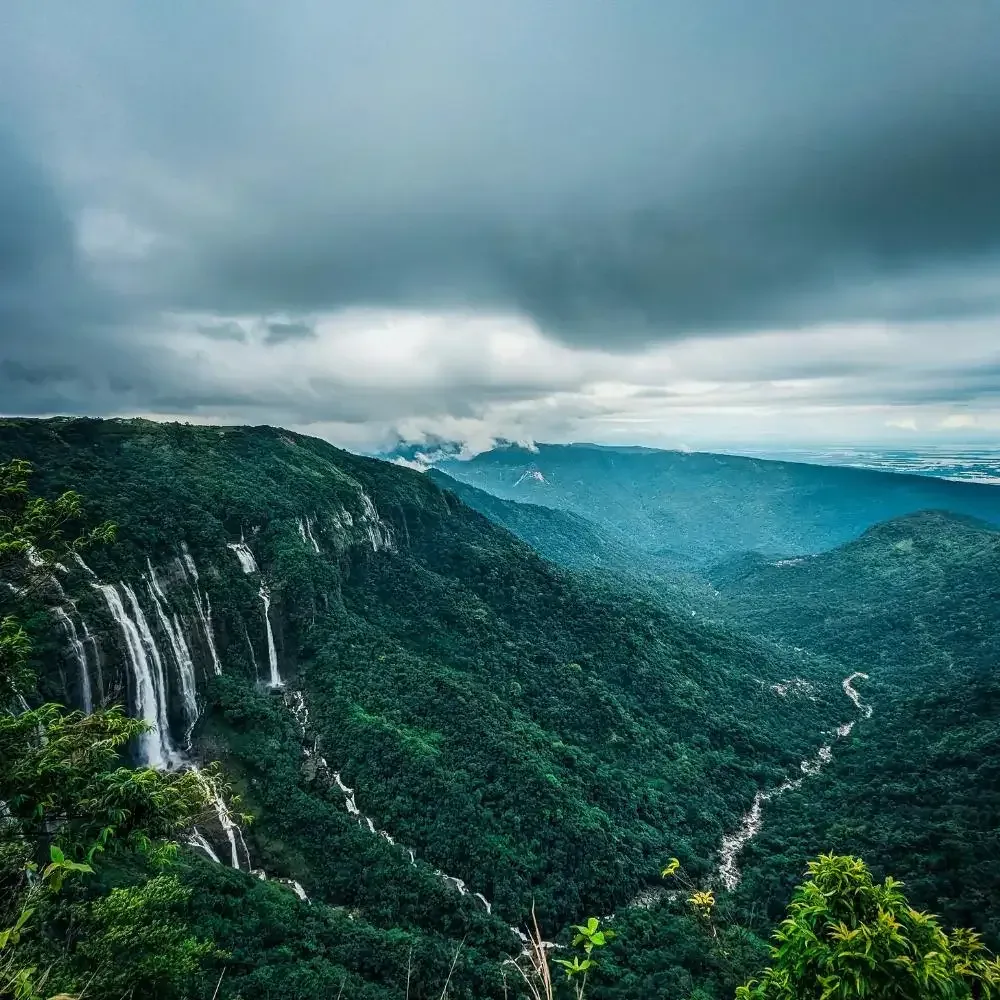
If any place in India is worth visiting in August because of the monsoon, it is Meghalaya. Mawsynram and Cherrapunji (Sohra) trade the title of wettest place on earth, and in August that rain feeds waterfalls and forest on a scale you will not see elsewhere in India.
Nohkalikai is at full volume, Seven Sisters Falls run in a white wall down the Khasi Hills, and the double-decker root bridge at Nongriat, about 3,500 steps down and back up, sits in forest so green it looks lit from inside. Mawlynnong, often called Asia's cleanest village, is lovely in the soft monsoon light.
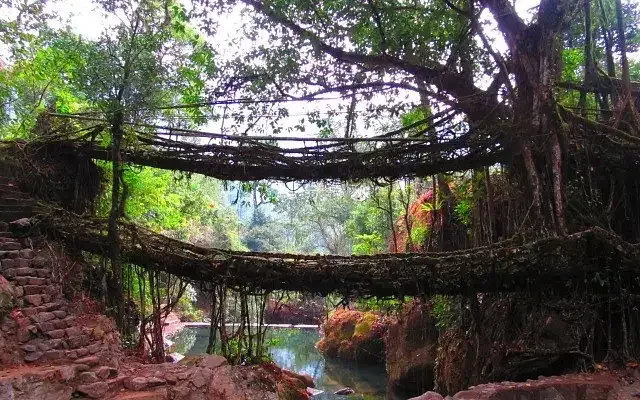
End in the south. From the wettest place on earth, go to Karnataka, where the monsoon softens the ruins and empties them.
6. Hampi, Karnataka
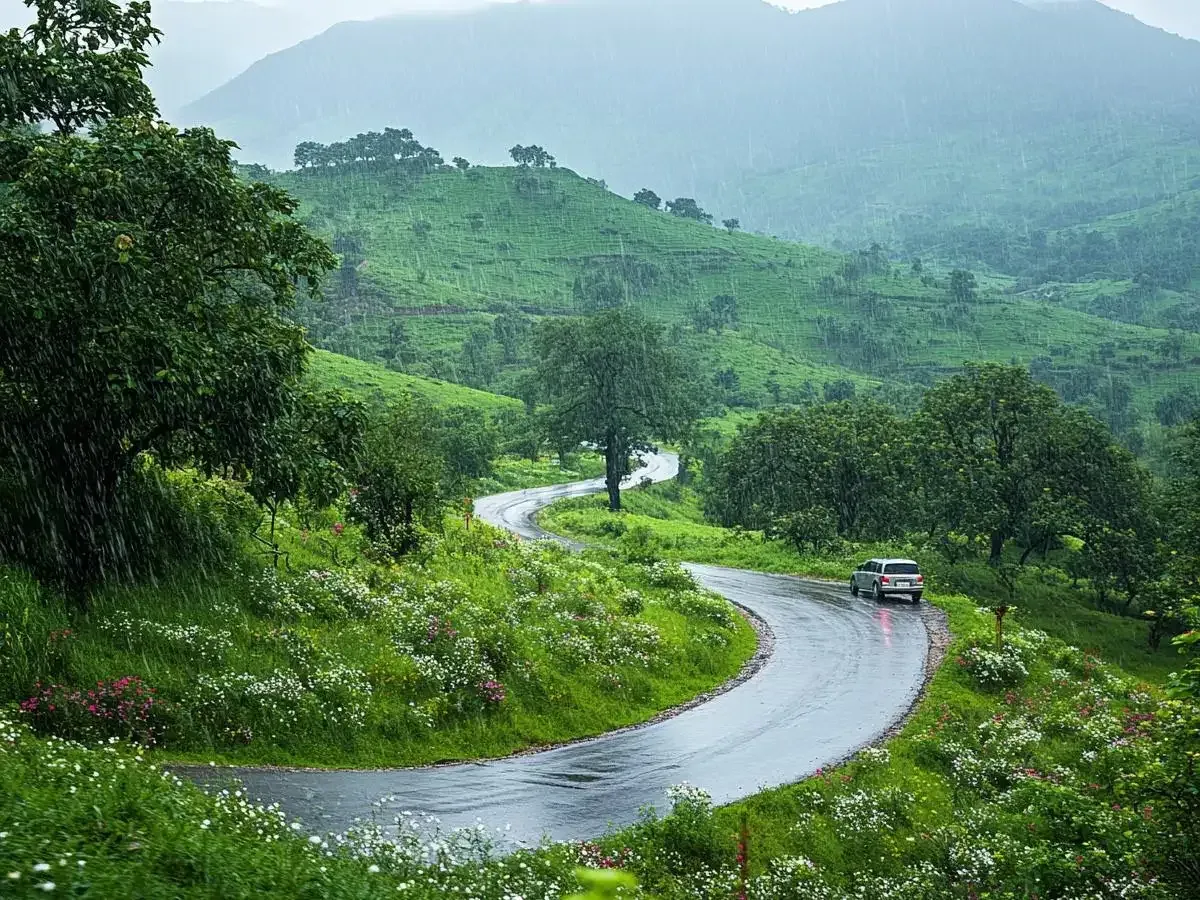
Most people see Hampi between November and February. In August it is a different, quieter place. The ruins of the Vijayanagara Empire spread across a boulder landscape by the Tungabhadra, which runs full, and the grass between the rocks turns green. Hampi lies in the rain shadow, so showers are lighter than on the coast.
The Virupaksha Temple is still in worship, and the Vittala Temple with its stone chariot, the Lotus Mahal and the Queen's Bath feel more atmospheric wet and empty than surrounded by December tour groups.
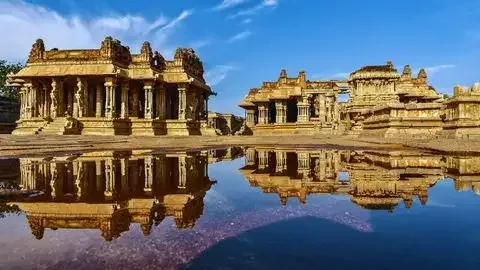
Plan this trip
Want a trip like this?
We build every trip from scratch around you. Tell us your dates and we take it from there.
Start Planning WhatsApp usBest Places to Visit in India in September
September runs the other way, from south to north, as the monsoon retreats: Kerala's hills, then the Andamans as the sea calms, Kutch as the desert emerges, Varanasi before the October crowds and finally Spiti in autumn light.
7. Munnar, Kerala
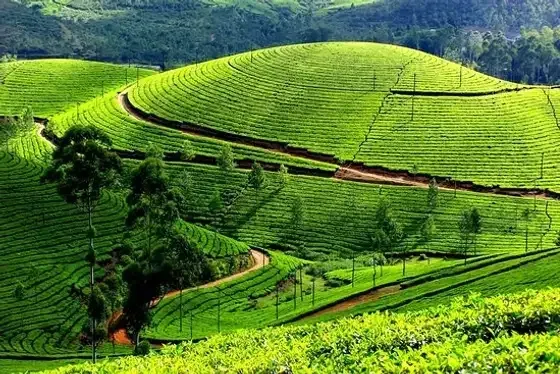
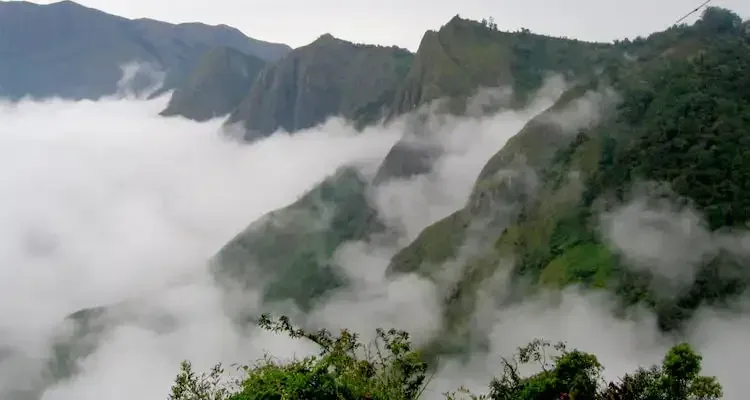
June and July in Munnar are beautiful but very wet. September is the sweet spot: the rain eases, the tea estates are at their greenest and Attukal and the other waterfalls still run well. The drive up from Kochi through tea and cardamom country is one of South India's best.
From the Ghats, go to the water. The Andamans have been waiting since May for days like these.
8. Andaman Islands
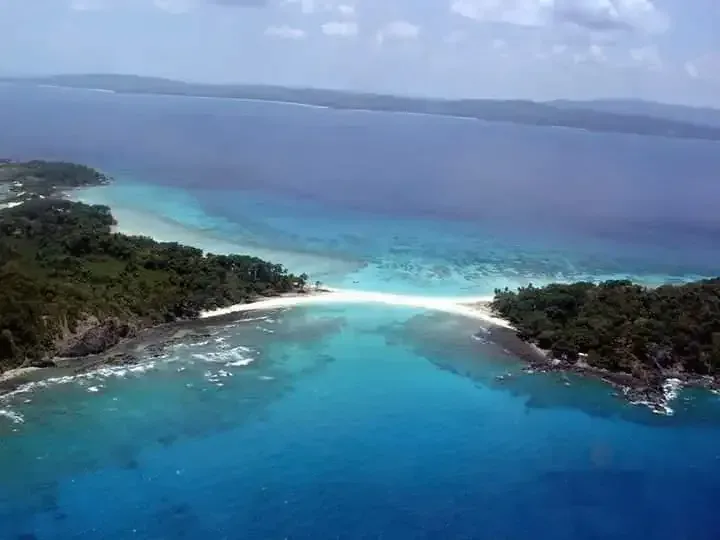
From late September the monsoon eases, the sea settles and underwater visibility starts to return. Radhanagar Beach on Havelock (Swaraj Dweep) is green-fringed and nearly empty. This is the start of the shoulder season: ferries and hotels are running, prices are below the winter peak and the December crowds are weeks away.
Back on the mainland, cross to Gujarat, where the desert is waking from its monsoon sleep.
9. Kutch, Gujarat
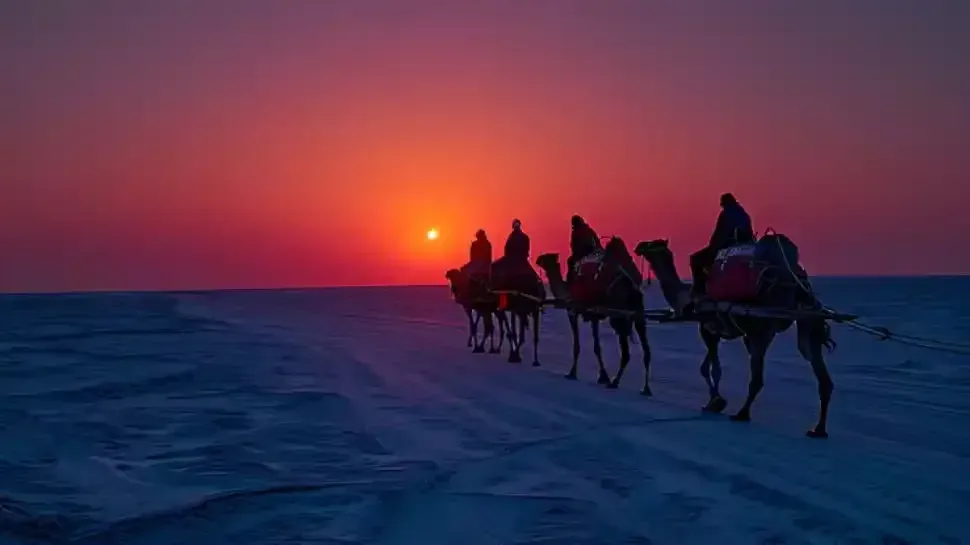
The Rann Utsav tent city runs from November to February. September is something else: the monsoon water is retreating from the Great Rann, the Banni grasslands north of Bhuj are at their greenest and flamingos gather in the shallows. It is a landscape between lake and salt desert. Note that the Wild Ass Sanctuary in the Little Rann is closed for the monsoon until mid-October, and the white desert itself is still wet, so this is a trip for birds, crafts and green Kutch rather than the salt flats.
Bhuj, rebuilt after the 2001 earthquake, has the Aina Mahal and the Prag Mahal, and nearby villages like Bhujodi and Hodka are known for weaving, embroidery and mud-walled bhunga houses.
Move north and east, into one of the oldest living cities in the world.
10. Varanasi, Uttar Pradesh
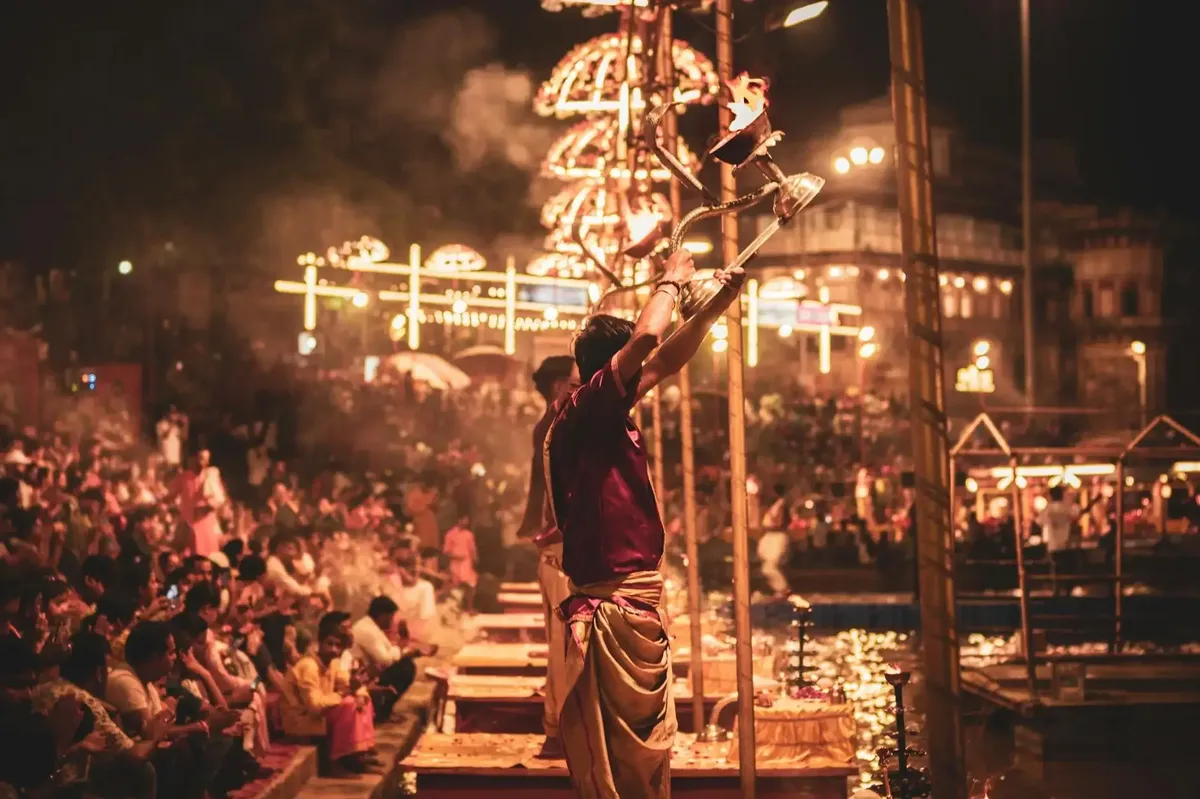
Varanasi works all year, but September has a particular appeal: the rain has washed the air, the Ganga runs full and the pilgrims and tourists of October onwards have not yet arrived. Note that when the river is very high, the evening aarti sometimes moves up the ghat steps or to rooftops. A slow walk through the old city's lanes, ghats and weaving workshops is the best way in.
Sarnath, about 10 km away, where the Buddha gave his first sermon, has the Dhamek Stupa and the Sarnath Museum with the Ashoka lion capital, India's national emblem.
End where August began, in the mountains, but with different light.
11. Spiti Valley, Himachal Pradesh
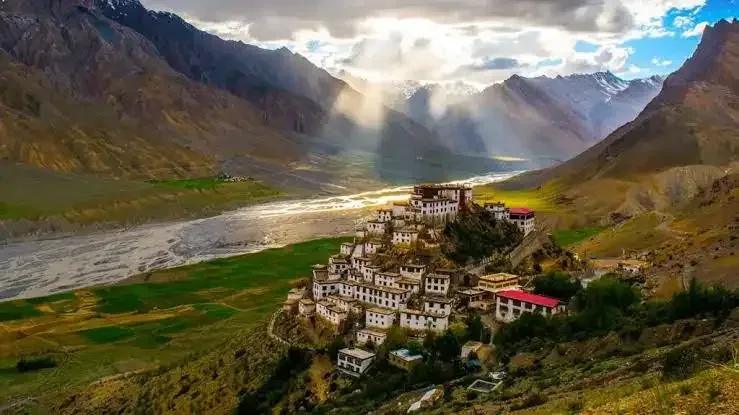
Spiti in September is the trip for anyone who has done Manali and wants something more. Skies are at their clearest, the August crowds have gone and grey-brown mountains, turquoise rivers and whitewashed monasteries glow in golden light. Chandratal Lake, at 4,300 metres, mirrors the sky.
Key Monastery stands above the Spiti river near Kaza. Near Langza, at about 4,400 metres, fossils of sea creatures from the ancient Tethys Sea lie in the rocks. September is harvest time, and the villages are busy and warm.
What to Avoid in August and September
August
- Rajasthan's desert cities: hot and humid. Save them for November to February.
- Goa: still deep monsoon, with closed shacks and rough seas.
- The Andamans: ferries and boat trips are unreliable until late September.
- Driving Manali to Leh: landslide risk peaks. Fly in, or use the Srinagar road.
September
- The Andamans before about 20 September: the sea can still be rough.
- Kutch's white desert: still wet until October.
- High passes late in the month: early snow can close Kunzum, Baralacha La and others. Check before you set out.
Tips for Travelling in August and September
- Rain gear for August: a waterproof jacket, quick-dry clothes, shoes with grip and a dry bag.
- September changes week by week. The first half is closer to August; the second half is closer to October. For clear weather, go late in the month.
- Northeast permits: Arunachal needs an Inner Line Permit for Ziro and Tawang, and parts of Nagaland, Mizoram and Manipur need one too. Apply online.
- Book Ladakh in advance. August flights and Pangong camps fill early.
- National parks: many close for the monsoon. Kaziranga usually reopens on 1 October and Corbett's Bijrani zone in mid-October, with Dhikala following in mid-November. Corbett's Jhirna and Dhela zones stay open through the monsoon.
August and September bridge India's monsoon and its peak season. Ladakh above the rain, Meghalaya in it, the Andamans as their season opens and Spiti in autumn light are not second choices for months nobody wants. They are the right places for exactly these months.
Two months, a dozen destinations, almost no queues.
Questions travellers ask
Which is the best place to visit in India in August?
Ladakh, for clear skies and open roads above the monsoon. For the rain itself, Meghalaya; for quiet monuments, Hampi; for somewhere different, Ziro or Tawang in Arunachal.
Which is the best place to visit in India in September?
Spiti for golden light and empty roads, Munnar for green hills without the heavy rain, Varanasi before the October crowds, and the Andamans from the last week of the month.
Is the Andaman Islands good in September?
From late September, yes. The sea calms, ferries run reliably and prices are below the winter peak. The first half of the month can still be rough.
Do I need a permit for Ziro or Tawang?
Yes. Indians from outside Arunachal Pradesh need an Inner Line Permit, which you can apply for online before you go.
Destination guidesPlanning tips
Know someone who should read this?
Send on WhatsAppKeep reading
All stories-
 Read
Destination guides
Best Places to Visit in India in July 2027
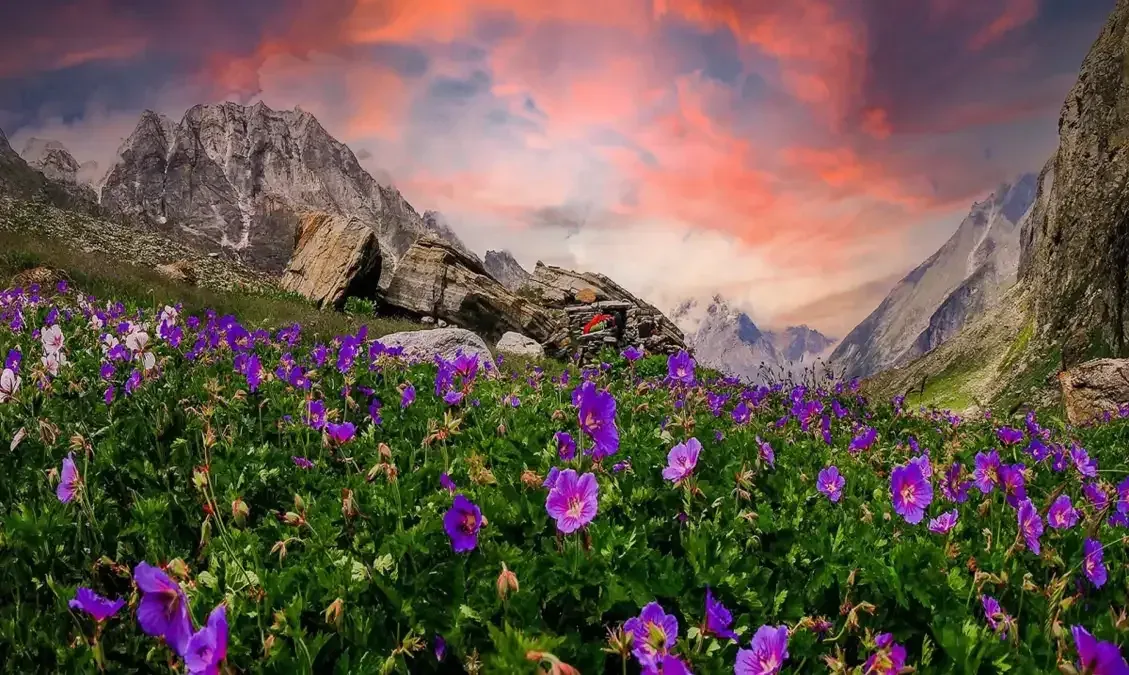
Valley of Flowers, the Hemis festival on 13 and 14 July, Rath Yatra on 5 July and the monsoon Ghats: the best places to visit in India in July 2027.
Read the story
Read
Destination guides
Best Places to Visit in India in July 2027
Valley of Flowers, the Hemis festival on 13 and 14 July, Rath Yatra on 5 July and the monsoon Ghats: the best places to visit in India in July 2027.
Read the story
-
 Read
Destination guides
Best Places to Visit in India in June 2027
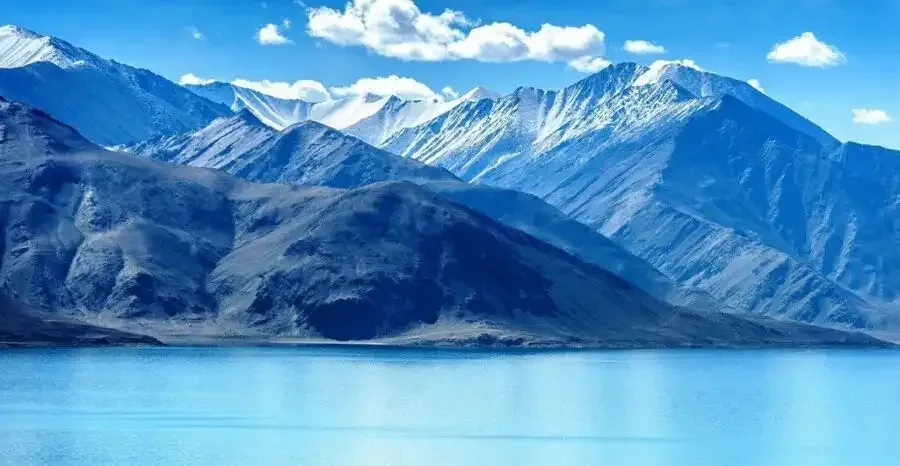
Himachal, Ladakh, Kashmir, the Western Ghats and the Northeast: where to go in India in June 2027, and what the monsoon means for each place.
Read the story
Read
Destination guides
Best Places to Visit in India in June 2027
Himachal, Ladakh, Kashmir, the Western Ghats and the Northeast: where to go in India in June 2027, and what the monsoon means for each place.
Read the story
-
 Read
Destination guides
Best Places to Visit in India in May 2027
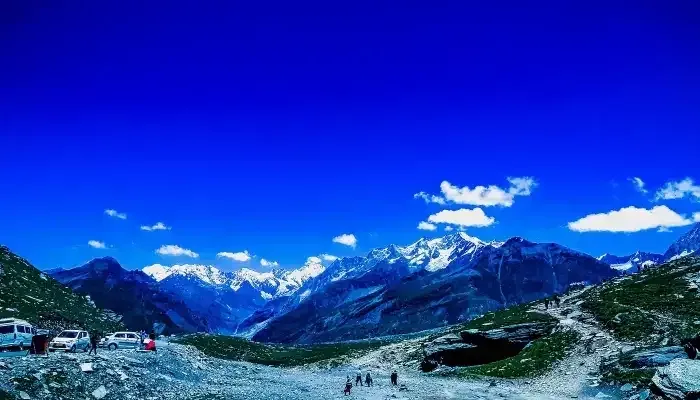
Escape the May heat: the hill stations, Himalayan valleys, Northeast getaways and islands that are at their best in May 2027, and the places to skip.
Read the story
Read
Destination guides
Best Places to Visit in India in May 2027
Escape the May heat: the hill stations, Himalayan valleys, Northeast getaways and islands that are at their best in May 2027, and the places to skip.
Read the story
-
 Read
Destination guides
How to Travel Without Feeling Rushed: Slow Travel Tips
A practical guide to traveling at a comfortable pace without losing the joy of exploration.
Read the story
Read
Destination guides
How to Travel Without Feeling Rushed: Slow Travel Tips
A practical guide to traveling at a comfortable pace without losing the joy of exploration.
Read the story
-
 Read
Destination guides
How to Plan a Trip Like a Pro: From Research to Packing
Plan better trips with clarity, balance, and flexibility.
Read the story
Read
Destination guides
How to Plan a Trip Like a Pro: From Research to Packing
Plan better trips with clarity, balance, and flexibility.
Read the story
-
 Read
Destination guides
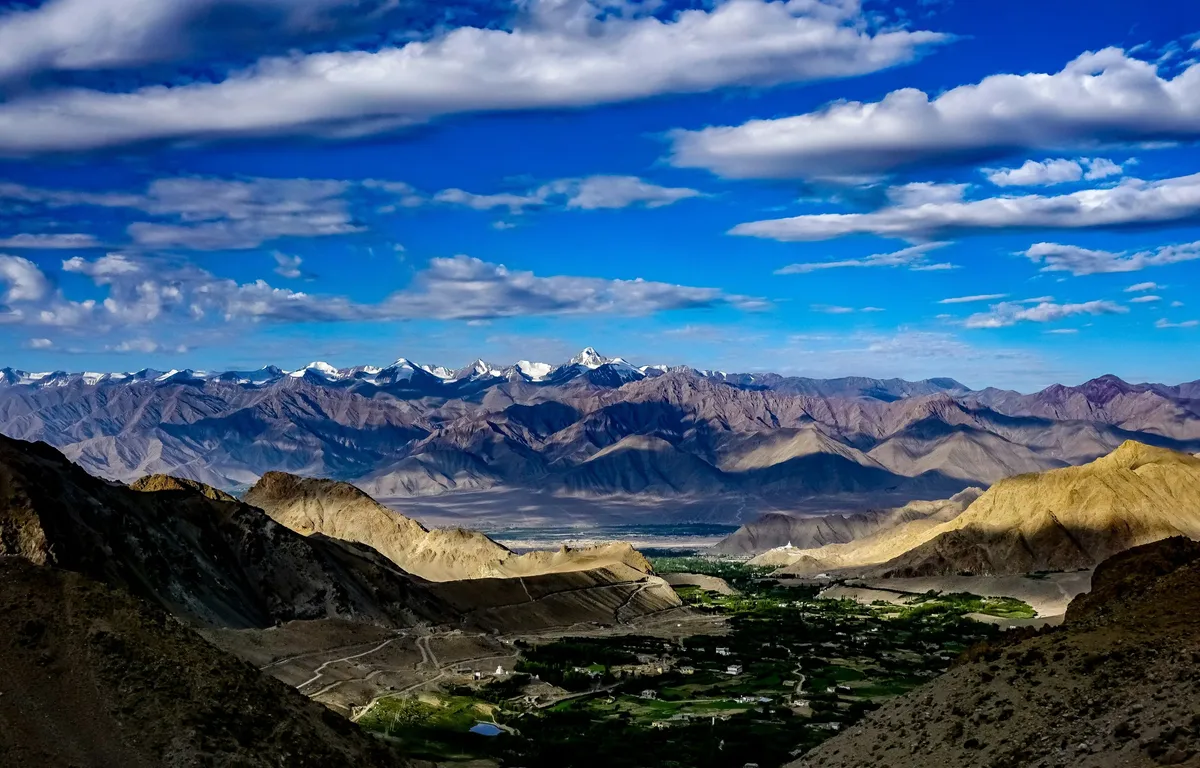
Places to Visit in Ladakh: Your First Leh Ladakh Trip Plan
Plan your dream Ladakh trip with this guide to places to visit in Ladakh, from Pangong and Nubra Valley to high-altitude prep, permits, and acclimatization tips for a smooth Leh Ladakh trip.
Read the story
Read
Destination guides
Places to Visit in Ladakh: Your First Leh Ladakh Trip Plan
Plan your dream Ladakh trip with this guide to places to visit in Ladakh, from Pangong and Nubra Valley to high-altitude prep, permits, and acclimatization tips for a smooth Leh Ladakh trip.
Read the story
-
 Read
Destination guides
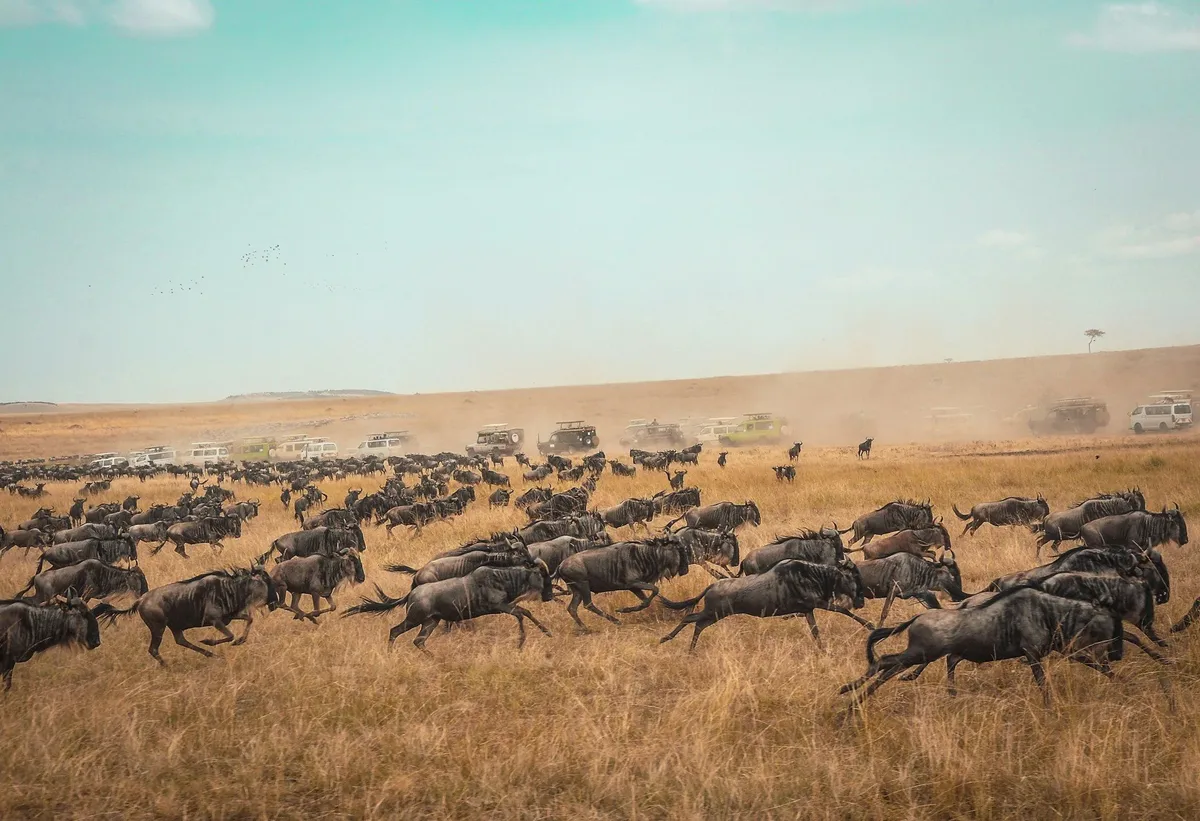
Masai Mara Safari Guide: How to Plan Your Kenya Safari
Plan your Africa safari with our Masai Mara guide! Discover when to visit, what to pack, and how to experience Kenya’s wildlife intimately.
Read the story
Read
Destination guides
Masai Mara Safari Guide: How to Plan Your Kenya Safari
Plan your Africa safari with our Masai Mara guide! Discover when to visit, what to pack, and how to experience Kenya’s wildlife intimately.
Read the story
-
 Read
Destination guides
Long Weekends in India 2027: Dates and Trip Ideas
Plan your 2027 escapes with every long weekend in India, the days of leave that stretch them, and the best trips in India and abroad for each.
Read the story
Read
Destination guides
Long Weekends in India 2027: Dates and Trip Ideas
Plan your 2027 escapes with every long weekend in India, the days of leave that stretch them, and the best trips in India and abroad for each.
Read the story
-
 Read
Destination guides
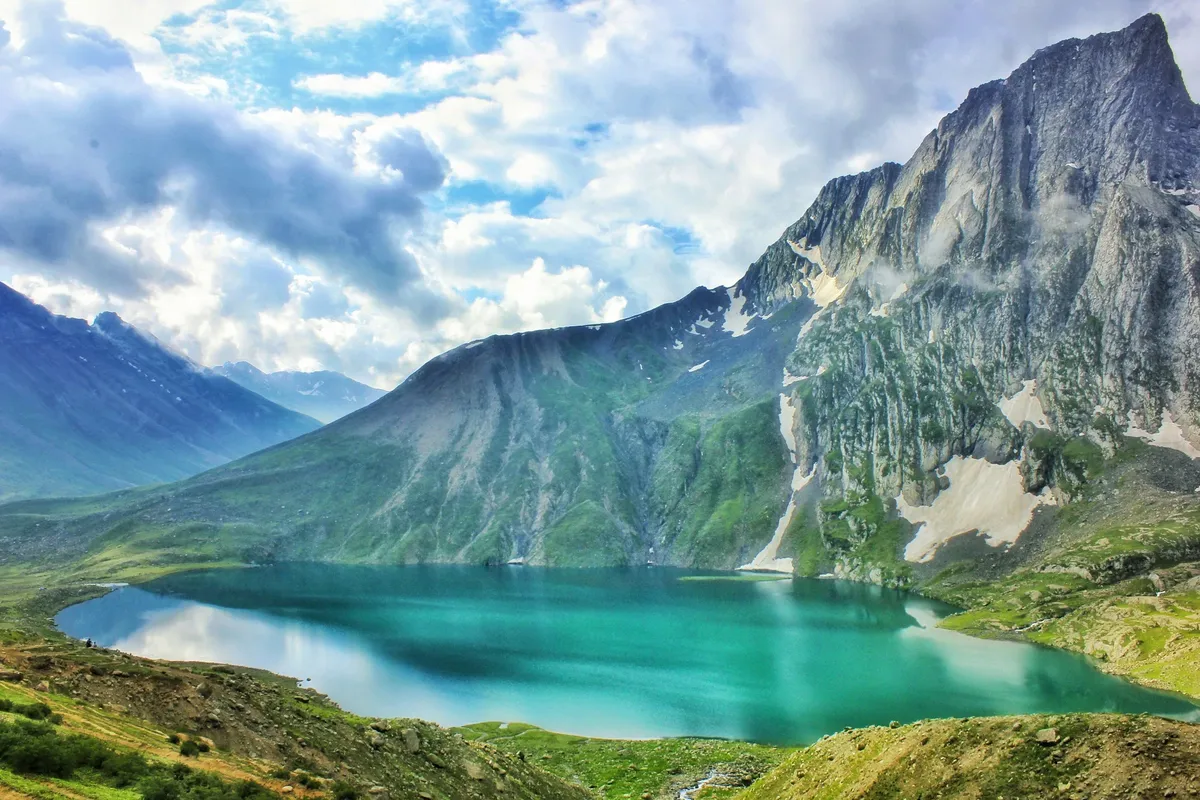
Things to Do in Kashmir: Shikaras, Houseboats, Gondolas and More
Craft your ideal Kashmir trip plan with shikara rides, gondola views, pony treks, mountain camping, rafting, Mughal gardens, and Wazwan feasts—top must do things in Kashmir.
Read the story
Read
Destination guides
Things to Do in Kashmir: Shikaras, Houseboats, Gondolas and More
Craft your ideal Kashmir trip plan with shikara rides, gondola views, pony treks, mountain camping, rafting, Mughal gardens, and Wazwan feasts—top must do things in Kashmir.
Read the story
This starts with a conversation.
Tell us where you're headed — we'll take it from there.