
Adventure
Chitkul, Himachal: A Quiet Trek to India's Last Village
Chitkul trek is one of Himachal’s quietest journeys—perfect for slow travel, alpine views, and a taste of untouched village life.
In this story 6
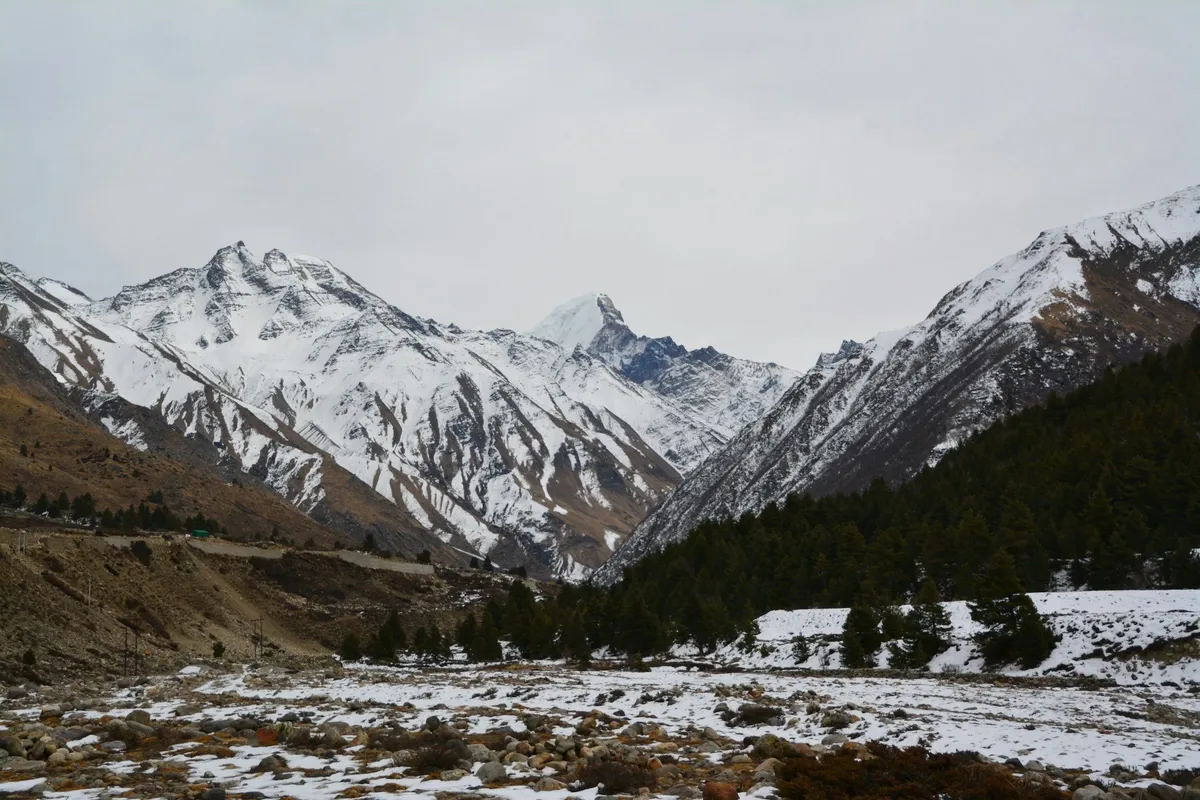
Chitkul doesn’t announce itself. It doesn’t need to. Sitting quietly in the Kinnaur district of Himachal Pradesh, Known as the last inhabited village before the Indo-Tibet border, it’s also a peaceful gateway to one of the most soul-nourishing experiences in Himachal trekking—the Chitkul trek. Framed by snow-covered peaks and guarded by the Baspa River that runs like melted glass, the village is more of a soft breath than a booming destination. Wooden houses lean into each other like old friends, apple trees rustle with whispers, and even the wind seems to tread gently here. It’s one of those places that doesn’t try to impress — it just is.
How To Reach Chitkul
Getting to Chitkul isn’t a straight shot, but every twist in the road makes the journey worth remembering.
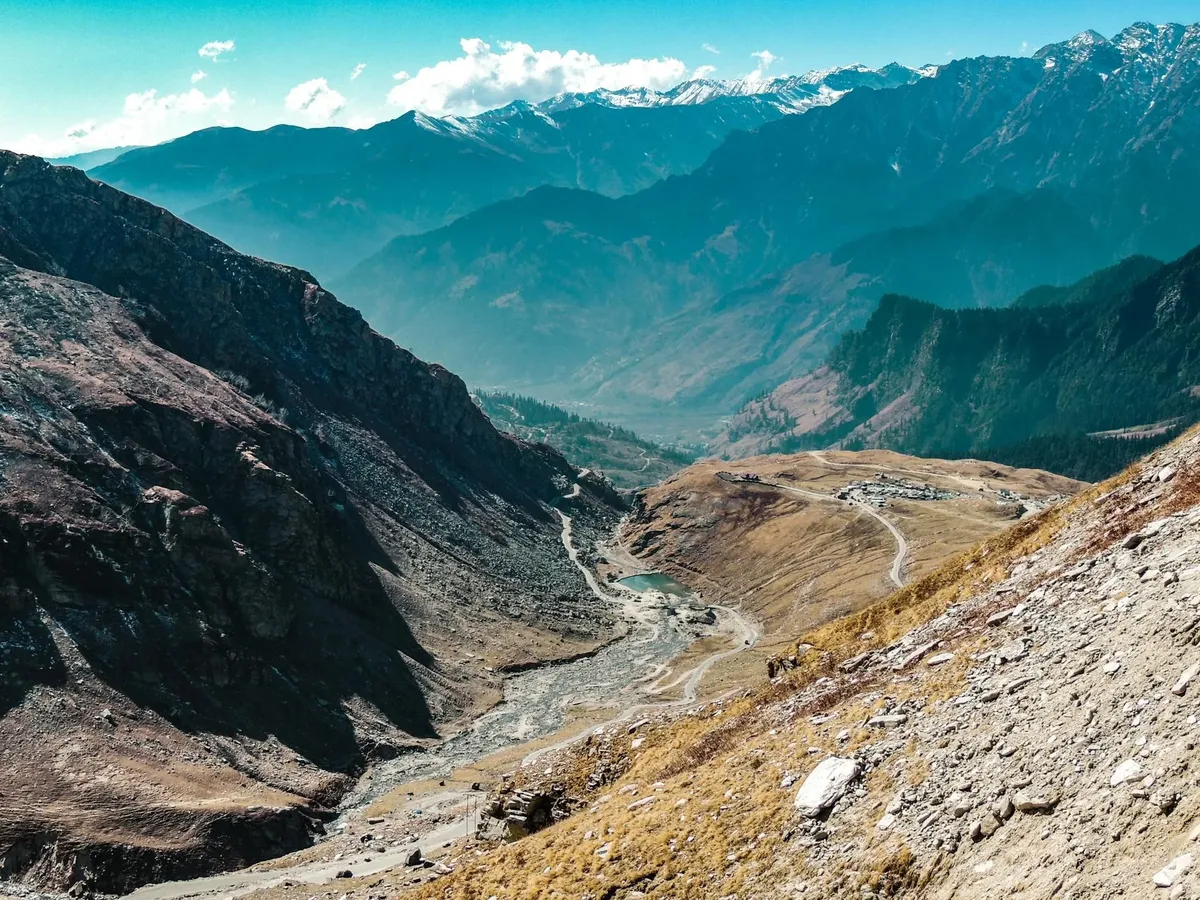
By Road : Start from Shimla and head towards Sangla Valley — a drive of about 220 km. Sangla acts as your last proper base before the quiet takes over. From Sangla, Chitkul is just 22 km ahead, but this part of the road is narrow, often one-way, and always beautiful. Every bend opens to pine forests, gushing brooks, and sudden glimpses of snow.
By Bus : If you’re traveling by public transport, reach Reckong Peo first — that’s the district HQ. From there, local buses go up to Sangla. Beyond Sangla, it’s usually a local cab or shared taxi ride. There are no direct buses to Chitkul, which honestly adds to its untouched charm.
By Train or Air : There’s no train station nearby. The nearest airport is in Shimla, but don’t expect direct flights from everywhere. The rest of the trip is road-based, and that’s part of the magic. You drive through sleepy hamlets, mountain passes, and cliff-hugging paths that test your nerves and reward your eyes.
Things To Do In Chitkul
Truth is, you don’t do a lot in Chitkul. You feel a lot.
Wander the Village - Chitkul’s charm lies in its details — carved wooden homes, old Himachali women sitting outside with wool and stories, and narrow trails that lead you to unexpected viewpoints. Walking is the best way to take it all in.
Visit the Mathi Temple - This small temple, dedicated to goddess Mathi Devi, stands quietly at the village center. It’s not grand, but locals swear by its power. The wooden structure is ancient, and if you stand still, you might feel the weight of centuries inside it.
Sit by the Baspa River - The river doesn’t roar — it hums. Find a flat rock, pour some chai into a steel cup, and just sit. Watch the water twist through stones while the mountains keep watch in silence.
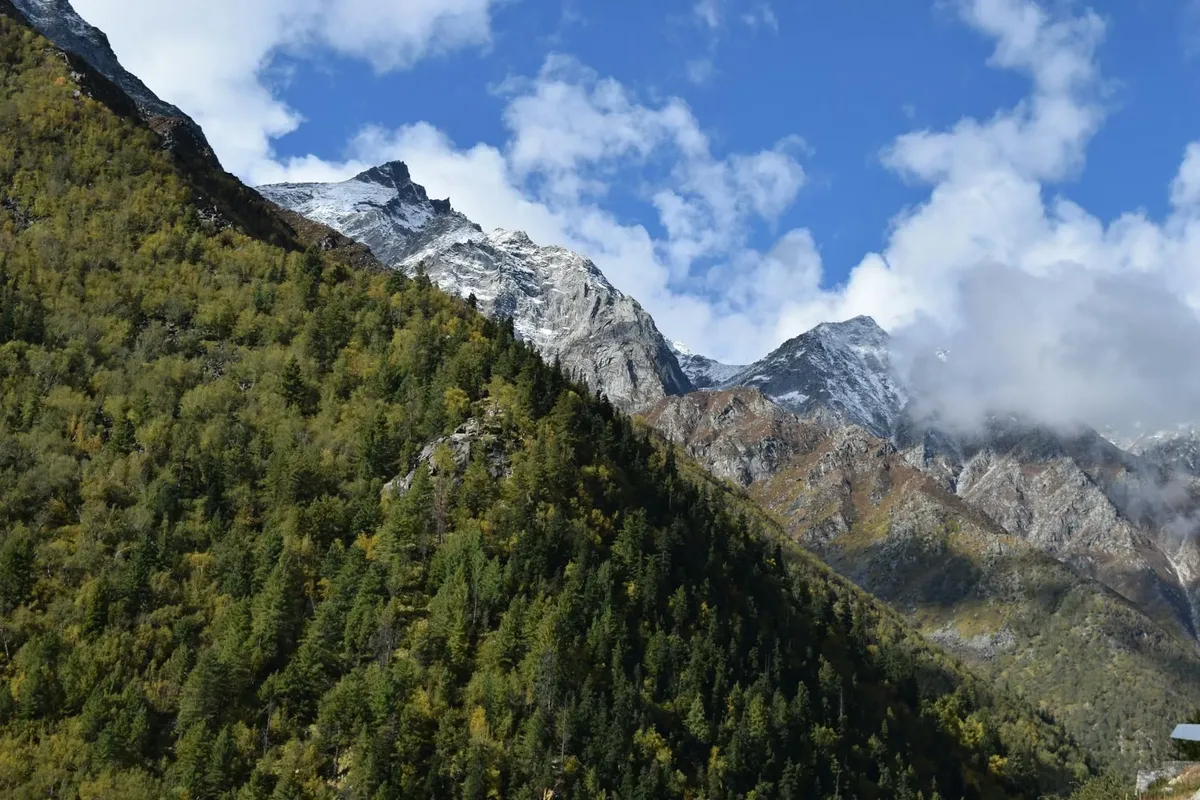
Trekking Base For the adventure - Chitkul is the starting point for high passes such as Lamkhaga and Borasu, which are serious treks for experienced walkers. Even if you’re not trekking the full route, short hikes from the village offer some of the most untouched alpine views you’ll ever see. Meadows, wildflowers, grazing cattle, and the kind of quiet that city folks can’t imagine.
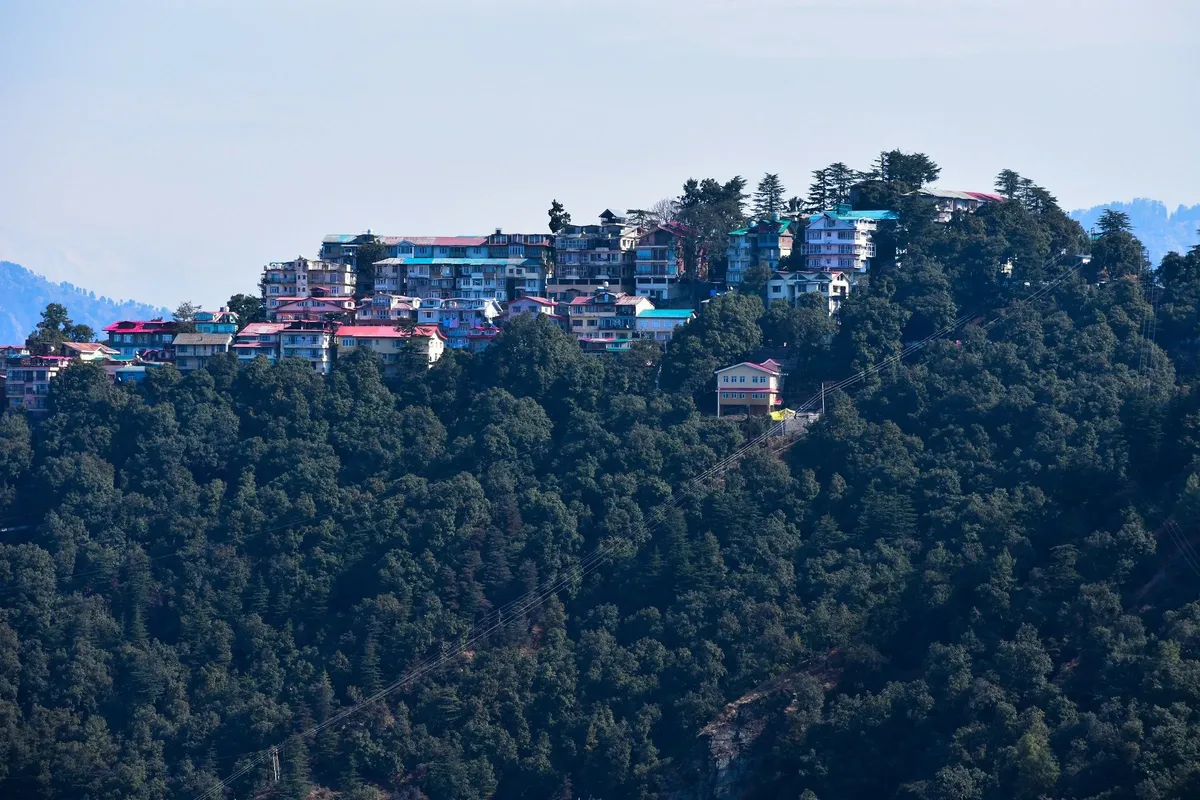
Shoja, like Chitkul, is one of those peaceful, offbeat places that defines true Himalayan calm.
Plan this trip
Want a trip like this?
We build every trip from scratch around you. Tell us your dates and we take it from there.
Start Planning WhatsApp usWhy Choose the Chitkul Trek?
For those seeking less touristy Himachal trekking options, Chitkul is perfect. Whether you're easing into your first trek or adding this route to a larger Kinnaur adventure, the Chitkul trek checks all the boxes—nature, peace, and alpine landscapes.
What’s Famous In Chitkul
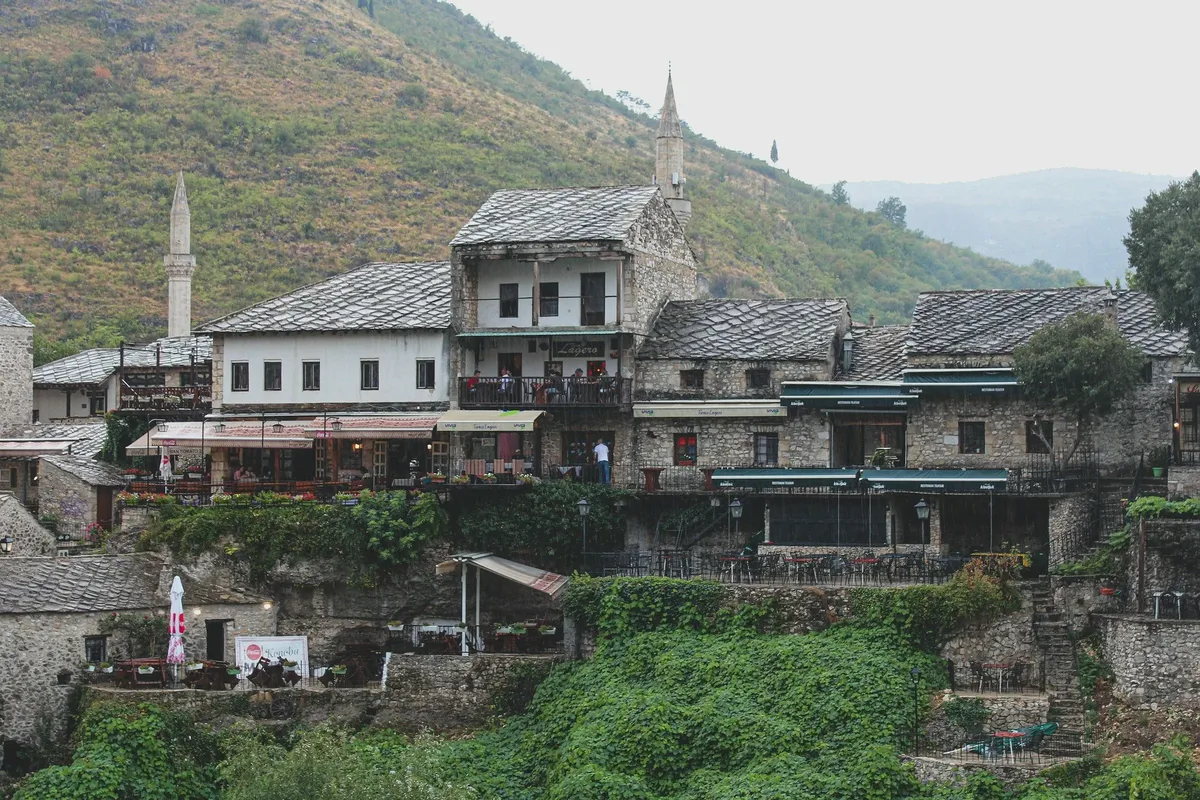
Chitkul isn’t selling itself — and maybe that’s what makes it unforgettable. It’s the last inhabited village before the Indo-Tibet border, and yes, there’s a board at the edge that marks this fact — many tourists take a photo there, but the real memory is in how small and far you feel when you stand near it. The wooden houses here are something else. Their tilted roofs and etched balconies speak of centuries of weather, tradition, and patience. Many are built without nails — just wooden joinery and faith. And then there’s the Baspa River — cold, clean, and full of mood. It flows right beside the village, sometimes rising with snowmelt, sometimes hiding under mist.
In summer, pea and potato fields blanket the land, and by late July, you see bursts of color from wildflowers in full bloom. No loud colors, no neon signs — just nature showing off in soft pastels.
Best Time To Visit Chitkul
Chitkul isn’t open year-round, so timing matters.
April to June is ideal. The snow has mostly melted, the roads are open, and days stay comfortably cool. Skies remain mostly clear, giving you clean mountain views and perfect picnic weather.
July to September though green, isn’t the best call — monsoon brings landslides and road closures.
October to early November is when snow starts whispering again. If you want that postcard scene — snow-dusted rooftops, smoke curling from chimneys, and biting mountain air — this is your window.
After mid-November, heavy snowfall usually shuts the roads, and Chitkul becomes a white dream, inaccessible till spring.
In a world that moves too fast, the Chitkul trek is your permission to slow down. To trade itineraries for instincts, resorts for homestays, and selfies for stillness. Whether you come for the silence, the snow, or the stories, Chitkul wraps around you gently—like mountain mist over pine. If you’re planning a meaningful Himachal trekking experience, let this quiet village be your trailhead. Because sometimes, the edge of India is exactly where you find the center of yourself.
Questions travellers ask
How do I reach Chitkul?
Drive from Shimla to Sangla (about 8 to 9 hours), then 22 km to Chitkul. HRTC buses run from Shimla and Reckong Peo to Sangla, and a daily bus or shared taxi covers the last stretch.
Do Indians need a permit for Chitkul?
No. Indian visitors don't need a permit for Chitkul or Sangla. Foreign nationals need an Inner Line Permit for some parts of Kinnaur.
What is the best time to visit Chitkul?
April to June and mid-September to October. Avoid July and August, when landslides often block the Kinnaur road, and expect closures from mid-November to March.
Is Chitkul good for beginner treks?
Yes for day walks along the Baspa and to nearby meadows. Lamkhaga and Borasu passes start here too, but they are serious multi-day treks for experienced trekkers with a guide.
Know someone who should read this?
Send on WhatsAppKeep reading
All stories-
 Read
Food & culinary
What a Wellness Retreat Does to Your Body and Mind
A wellness retreat offers more than rest. It helps reset the nervous system, reduce digital overload, improve sleep, and restore balance to both body and mind.
Read the story
Read
Food & culinary
What a Wellness Retreat Does to Your Body and Mind
A wellness retreat offers more than rest. It helps reset the nervous system, reduce digital overload, improve sleep, and restore balance to both body and mind.
Read the story
-
 Read
Destination guides
How to Plan a Trip Like a Pro: From Research to Packing
Plan better trips with clarity, balance, and flexibility.
Read the story
Read
Destination guides
How to Plan a Trip Like a Pro: From Research to Packing
Plan better trips with clarity, balance, and flexibility.
Read the story
-
 Read
Destination guides
Wayanad Travel Guide: Treks, Wildlife and Waterfalls
Explore Wayanad with this travel guide—covering Kerala waterfalls, wildlife safaris, spice plantation visits, and serene treks for heart and soul.
Read the story
Read
Destination guides
Wayanad Travel Guide: Treks, Wildlife and Waterfalls
Explore Wayanad with this travel guide—covering Kerala waterfalls, wildlife safaris, spice plantation visits, and serene treks for heart and soul.
Read the story
-
 Read
Adventure
Tirthan Valley, Himachal: The Best Place to Start Trekking
Tirthan Valley is a dream for anyone craving peaceful trekking in Himachal. Discover serene trails, local homestays, and the best trek in Himachal for slow travelers.
Read the story
Read
Adventure
Tirthan Valley, Himachal: The Best Place to Start Trekking
Tirthan Valley is a dream for anyone craving peaceful trekking in Himachal. Discover serene trails, local homestays, and the best trek in Himachal for slow travelers.
Read the story
-
 Read
Destination guides
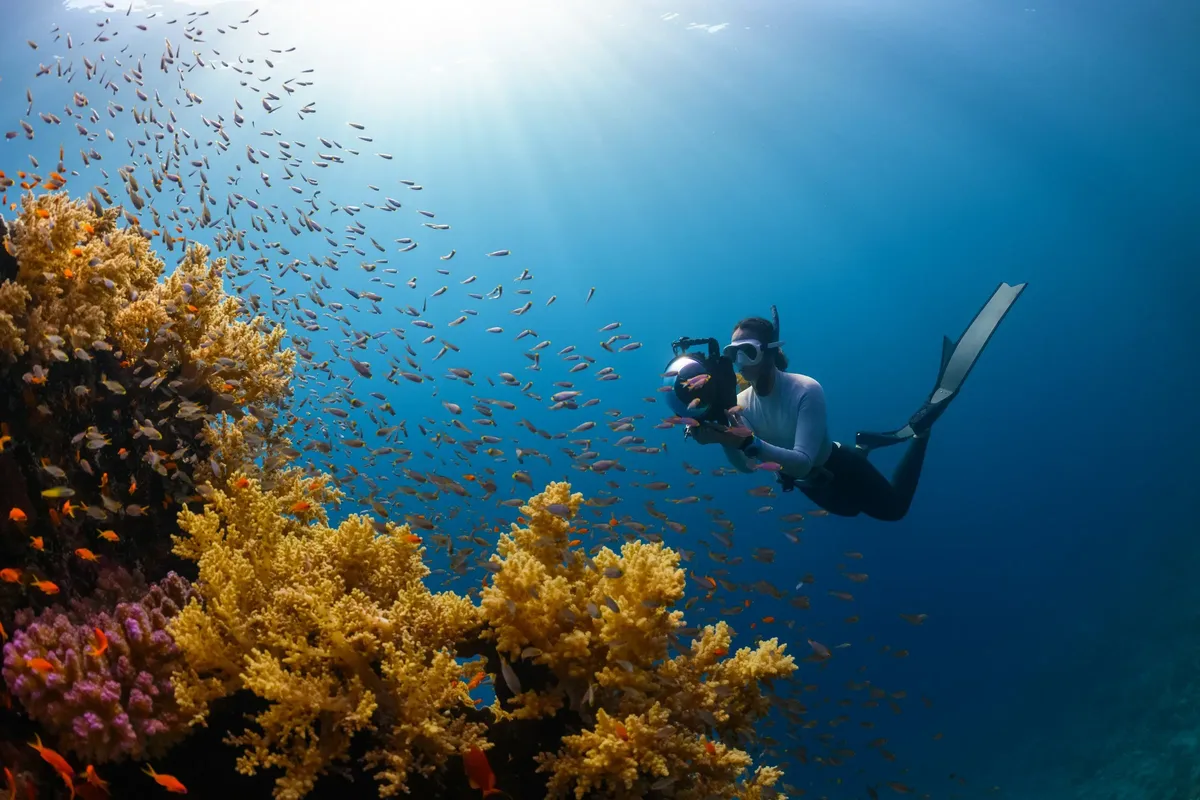
6 Best Places to Go Scuba Diving
From the Maldives to Raja Ampat and the Andamans, six of the best scuba diving spots for Indian travellers, with the level and best season for each.
Read the story
Read
Destination guides
6 Best Places to Go Scuba Diving
From the Maldives to Raja Ampat and the Andamans, six of the best scuba diving spots for Indian travellers, with the level and best season for each.
Read the story
-
 Read
Destination guides
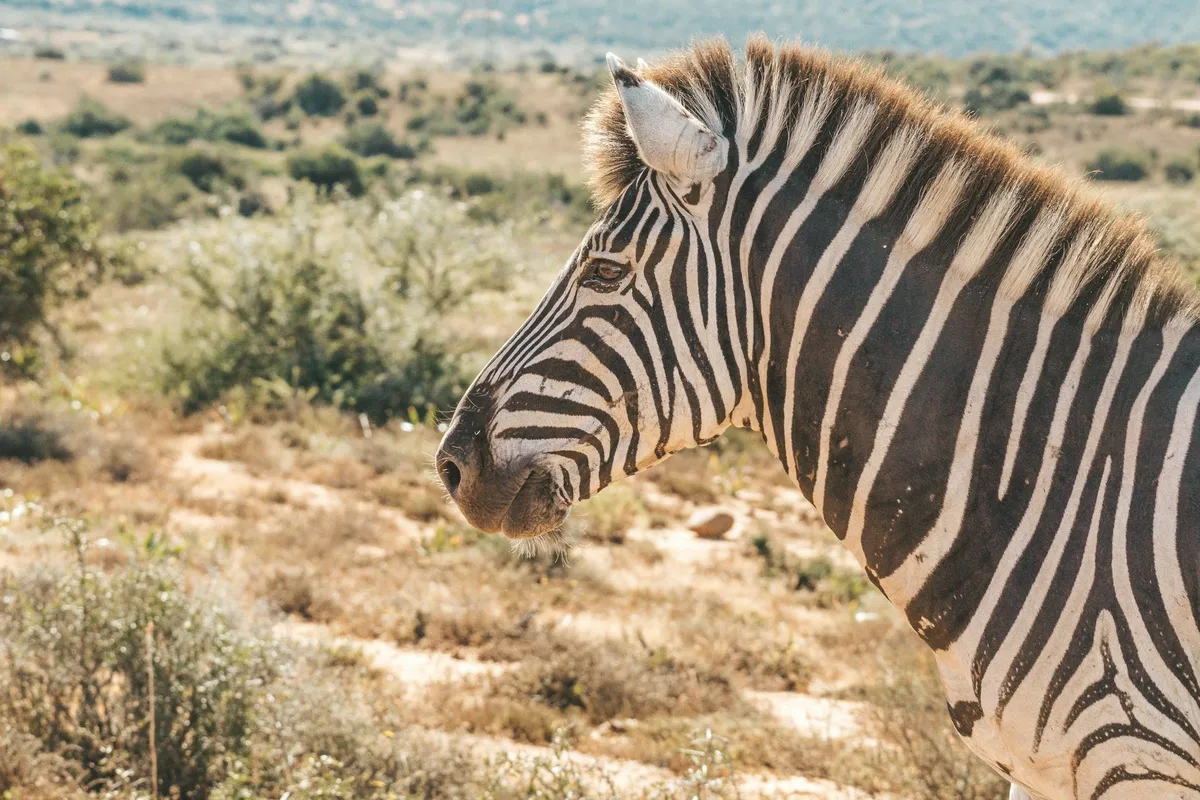
Self-Drive Safaris in Africa: Is It Safe and How to Plan
Embark on an unforgettable self-drive safari in Africa. Our comprehensive guide offers tips and insights to help you plan your independent wildlife adventure seamlessly.
Read the story
Read
Destination guides
Self-Drive Safaris in Africa: Is It Safe and How to Plan
Embark on an unforgettable self-drive safari in Africa. Our comprehensive guide offers tips and insights to help you plan your independent wildlife adventure seamlessly.
Read the story
-
 Read
Adventure
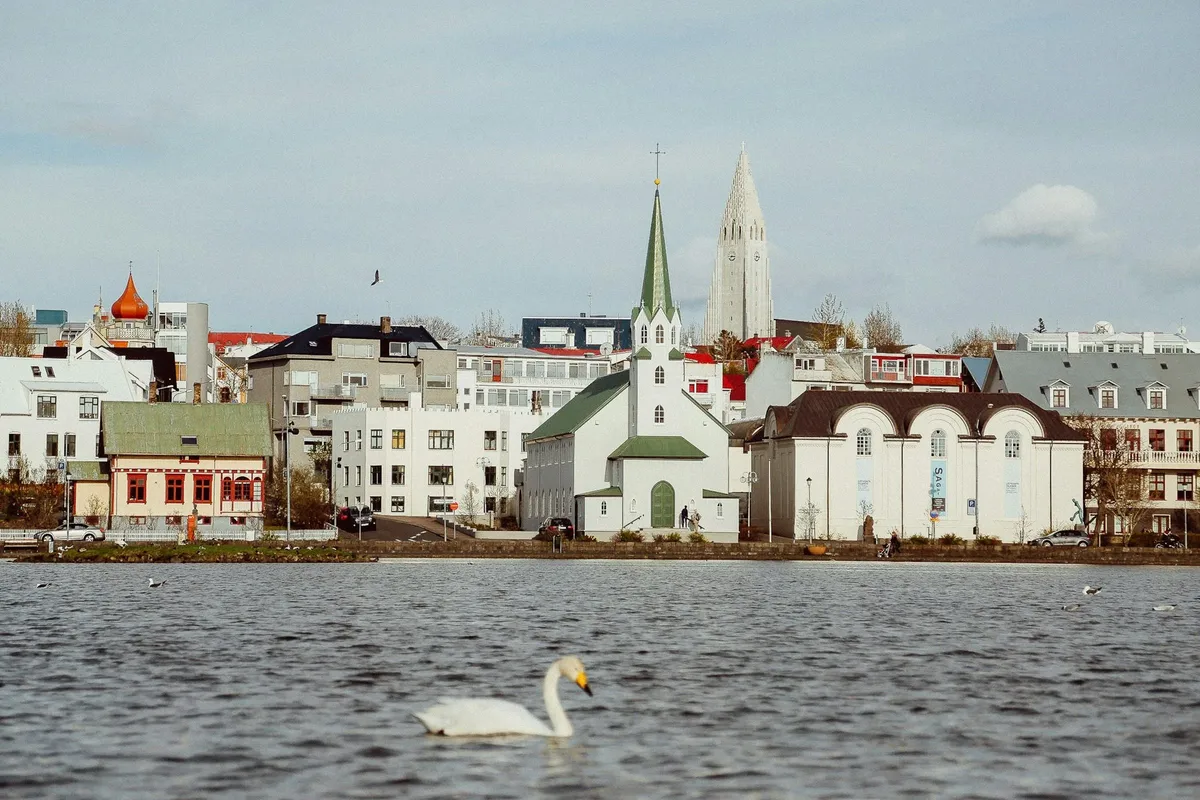
Reykjavík, Iceland: Midnight Sun, Lagoons and Things to Do
Reykjavík, Iceland’s cozy capital, blends Nordic charm with modern creativity. From vibrant streets and geothermal pools to midnight sun adventures and Northern Lights, this city offers unforgettable experiences…
Read the story
Read
Adventure
Reykjavík, Iceland: Midnight Sun, Lagoons and Things to Do
Reykjavík, Iceland’s cozy capital, blends Nordic charm with modern creativity. From vibrant streets and geothermal pools to midnight sun adventures and Northern Lights, this city offers unforgettable experiences…
Read the story
-
 Read
Adventure
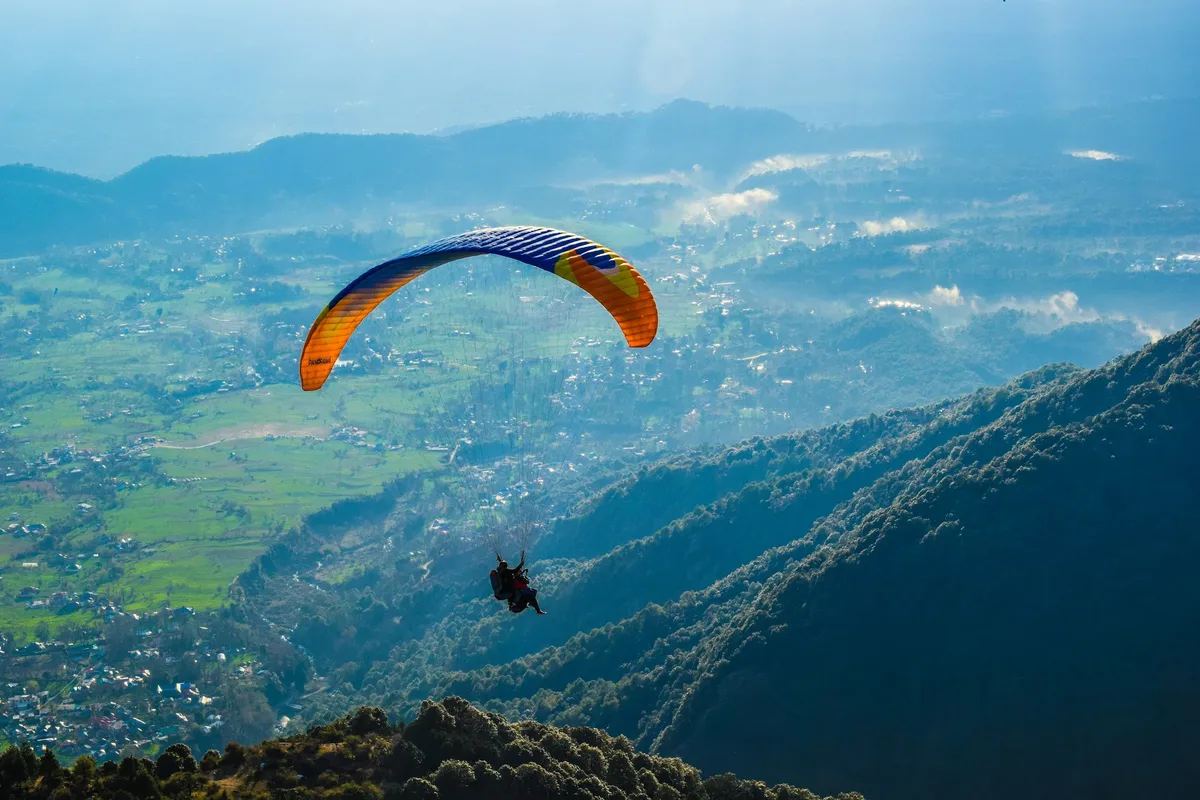
Paragliding in Bir Billing: Everything You Need to Know
Paragliding in Bir Billing is Asia’s highest adventure. Discover Bir Himachal Pradesh paragliding with travel tips, cost info, and safety details.
Read the story
Read
Adventure
Paragliding in Bir Billing: Everything You Need to Know
Paragliding in Bir Billing is Asia’s highest adventure. Discover Bir Himachal Pradesh paragliding with travel tips, cost info, and safety details.
Read the story
-
 Read
Destination guides
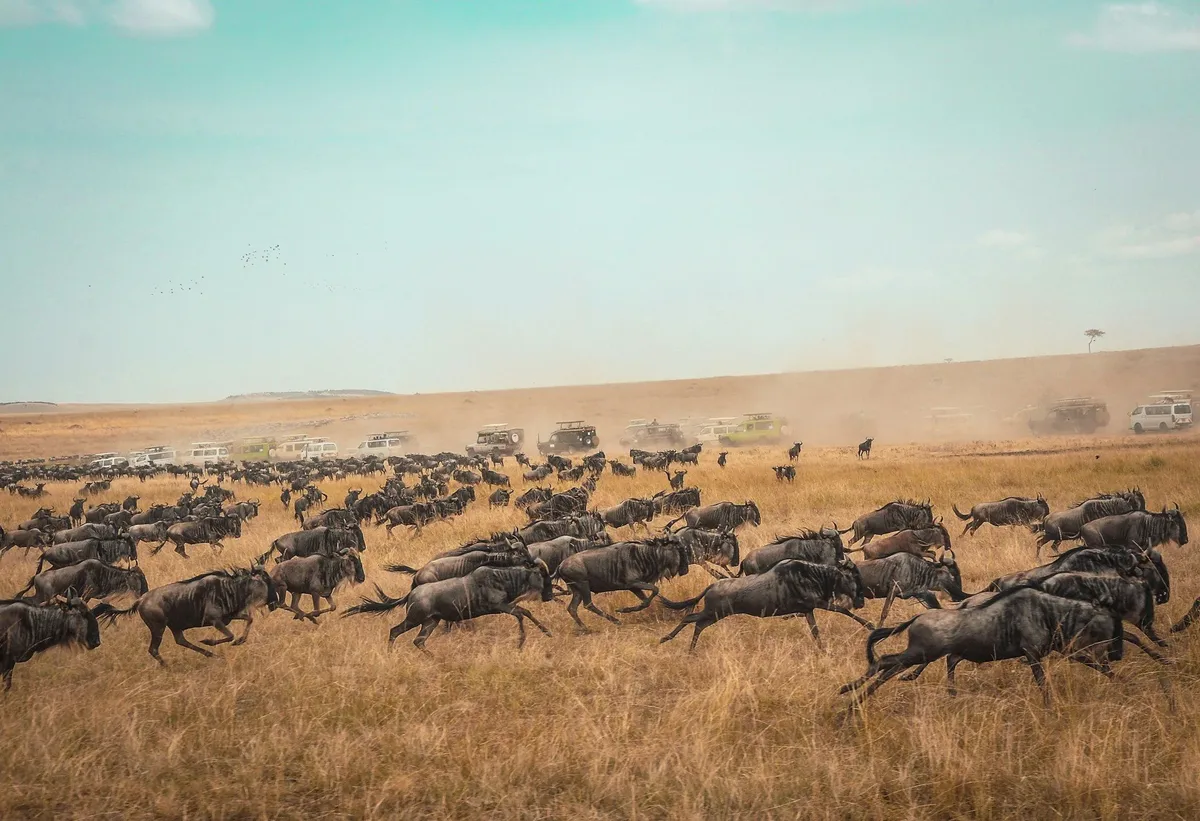
Masai Mara Safari Guide: How to Plan Your Kenya Safari
Plan your Africa safari with our Masai Mara guide! Discover when to visit, what to pack, and how to experience Kenya’s wildlife intimately.
Read the story
Read
Destination guides
Masai Mara Safari Guide: How to Plan Your Kenya Safari
Plan your Africa safari with our Masai Mara guide! Discover when to visit, what to pack, and how to experience Kenya’s wildlife intimately.
Read the story
This starts with a conversation.
Tell us where you're headed — we'll take it from there.