
Food & culinary
What a Wellness Retreat Does to Your Body and Mind
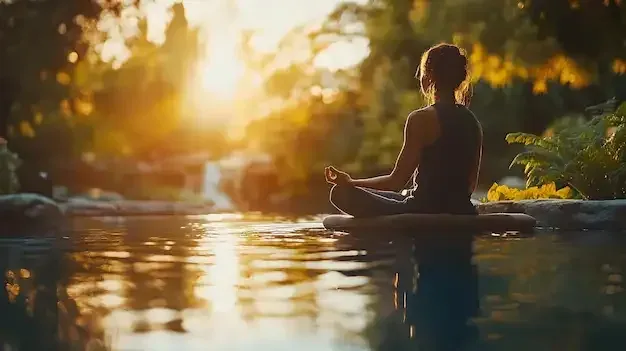
A wellness retreat offers more than rest. It helps reset the nervous system, reduce digital overload, improve sleep, and restore balance to both body and mind.
In this story 10
- The Nervous System Shifts Out of Constant Alert Mode
- Digital Detox Creates Mental Space
- Sleep Becomes Deeper and More Restorative
- Digestion and Energy Levels Stabilise
- Mental Clarity Returns Naturally
- Emotional Awareness Becomes Balanced
- The Body Relearns Healthy Daily Rhythms
- The Impact Continues After You Return Home
- A Thought to Take With You
- Questions travellers ask
Many people return from holidays feeling refreshed for a short while, only to slip back into fatigue and mental overload within days. The destination may change, but the body and mind often continue functioning under the same pressure. A wellness retreat works differently. It creates the conditions needed for the body and mind to truly reset.
A wellness retreat is not about escaping responsibilities or transforming yourself overnight. It is about allowing your system to slow down, recalibrate, and reconnect in a way that everyday life rarely permits.
The Nervous System Shifts Out of Constant Alert Mode
Modern life keeps the nervous system under constant stimulation. Notifications, deadlines, multitasking, and decision fatigue signal the body to remain alert throughout the day. Over time, this leads to chronic tension, shallow breathing, irritability, and persistent mental fatigue.
During a wellness retreat, the environment itself encourages calm. Predictable routines, reduced noise, supportive guidance, and slower transitions allow the nervous system to move from stress mode into rest mode. As this shift happens, breathing deepens, muscle tension eases, and the mind gradually settles. This change often becomes the foundation for every other benefit experienced during the retreat.
Digital Detox Creates Mental Space
One of the most impactful elements of a wellness retreat is digital detox. Even minimal screen use keeps the brain stimulated and alert. Constant updates, messages, and scrolling prevent true mental rest.
When digital exposure is reduced or consciously limited, the mind finally experiences uninterrupted quiet. Attention returns to the present moment. Thoughts slow down, focus improves, and mental fatigue begins to lift. What many people expect to feel uncomfortable often feels deeply relieving. A digital detox allows the mind to recover from continuous stimulation and regain clarity.
Sleep Becomes Deeper and More Restorative
Sleep problems are often linked to nervous system overload rather than lack of rest. At a wellness retreat, sleep improves because the body feels safe enough to rest deeply.
Reduced screen time, calming evening routines, gentle movement, and a peaceful environment help regulate natural sleep cycles. People often fall asleep faster, wake less during the night, and feel more refreshed in the morning. This restorative sleep supports physical recovery, emotional balance, and mental clarity.
Digestion and Energy Levels Stabilise
Stress affects digestion more than most people realise. When the body remains tense, digestion slows and energy levels fluctuate unpredictably.
Wellness retreats typically support the body with nourishing meals, regular eating times, and mindful consumption. Combined with a calmer nervous system, digestion improves and energy becomes more consistent throughout the day. Instead of highs and crashes, the body begins to feel steady, supported, and resilient.
Plan this trip
Want a trip like this?
We build every trip from scratch around you. Tell us your dates and we take it from there.
Start Planning WhatsApp usMental Clarity Returns Naturally
When the mind is overstimulated, clarity becomes difficult. Thoughts feel crowded and even small decisions can feel heavy. At a wellness retreat, clarity returns not through effort, but through space.
As distractions fade, the mind begins to organise itself naturally. Thoughts feel lighter and more focused. Many people experience insights about work, relationships, or personal priorities without actively searching for answers. Mental clarity emerges as a result of stillness rather than analysis.
Emotional Awareness Becomes Balanced
Without constant distractions, emotions surface more clearly. A wellness retreat provides a safe environment to observe emotions without judgment or urgency.
This awareness does not feel overwhelming. Instead, it feels grounding. People begin to recognise emotional patterns, understand what drains them, and identify what genuinely supports their wellbeing. Emotional balance develops through awareness rather than pressure to change.
The Body Relearns Healthy Daily Rhythms
One of the most lasting benefits of a wellness retreat is rhythm restoration. Consistent wake-up times, gentle movement, nourishing meals, rest periods, and quality sleep help the body reconnect with its natural cycles.
When the body experiences alignment, balance feels less forced. These rhythms often carry forward into everyday life, making healthier routines easier to maintain even after returning home.
The Impact Continues After You Return Home
A wellness retreat does not promise instant transformation. Its real value lies in subtle but lasting changes.
People often return home feeling calmer, more present, and better equipped to manage stress. Improved sleep habits, healthier boundaries with technology, increased emotional awareness, and a deeper understanding of personal needs continue long after the retreat ends.
A Thought to Take With You
A wellness retreat is not about fixing yourself. It is about listening to your body and mind when they finally have the space to speak.
In a world that constantly demands speed and attention, choosing wellness is an act of awareness. When the body feels supported and the mind feels clear, balance stops being an idea and becomes a lived experience.
Questions travellers ask
How long should a wellness retreat be?
At least four to five nights; most people only start to properly slow down after the second or third day. Seven nights gives the routine time to stick.
Do I have to give up my phone at a wellness retreat?
Not always, but most retreats encourage limited use, such as checking it once a day. That digital break is one of the main benefits.
What happens on a typical retreat day?
Usually morning yoga or a walk, regular nourishing meals, a treatment or session, free time to rest, and an early, quiet evening.
Who is a wellness retreat good for?
Anyone feeling run down, stressed or sleeping badly, and people who want a holiday that leaves them rested rather than tired. It is not a substitute for medical care.
Food & culinaryWellness & retreats
Know someone who should read this?
Send on WhatsAppKeep reading
All stories-
 Read
Destination guides
Rome Travel Guide for Indians: What to See, Eat and Pack
Plan your perfect Roman getaway! Our comprehensive guide covers top sights, dining spots, and essential tips for an unforgettable experience in Rome.
Read the story
Read
Destination guides
Rome Travel Guide for Indians: What to See, Eat and Pack
Plan your perfect Roman getaway! Our comprehensive guide covers top sights, dining spots, and essential tips for an unforgettable experience in Rome.
Read the story
-
 Read
Bali · Offbeat
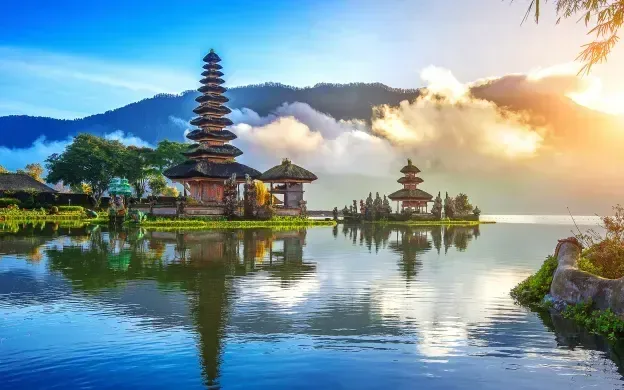
5 Offbeat Places in Bali Worth Finding
Discover offbeat Bali destinations beyond the crowds. From jungle waterfalls and mountain viewpoints to sacred cliffside temples, explore hidden places in Bali that offer tranquility, adventure, and unforgettable…
Read the story
Read
Bali · Offbeat
5 Offbeat Places in Bali Worth Finding
Discover offbeat Bali destinations beyond the crowds. From jungle waterfalls and mountain viewpoints to sacred cliffside temples, explore hidden places in Bali that offer tranquility, adventure, and unforgettable…
Read the story
-
 Read
Destination guides
Sleep Tourism: The Travel Trend Built Around Rest
Instead of packed itineraries, more travellers now plan trips around a good night's sleep. What sleep tourism is and why it is growing.
Read the story
Read
Destination guides
Sleep Tourism: The Travel Trend Built Around Rest
Instead of packed itineraries, more travellers now plan trips around a good night's sleep. What sleep tourism is and why it is growing.
Read the story
-
 Read
Destination guides
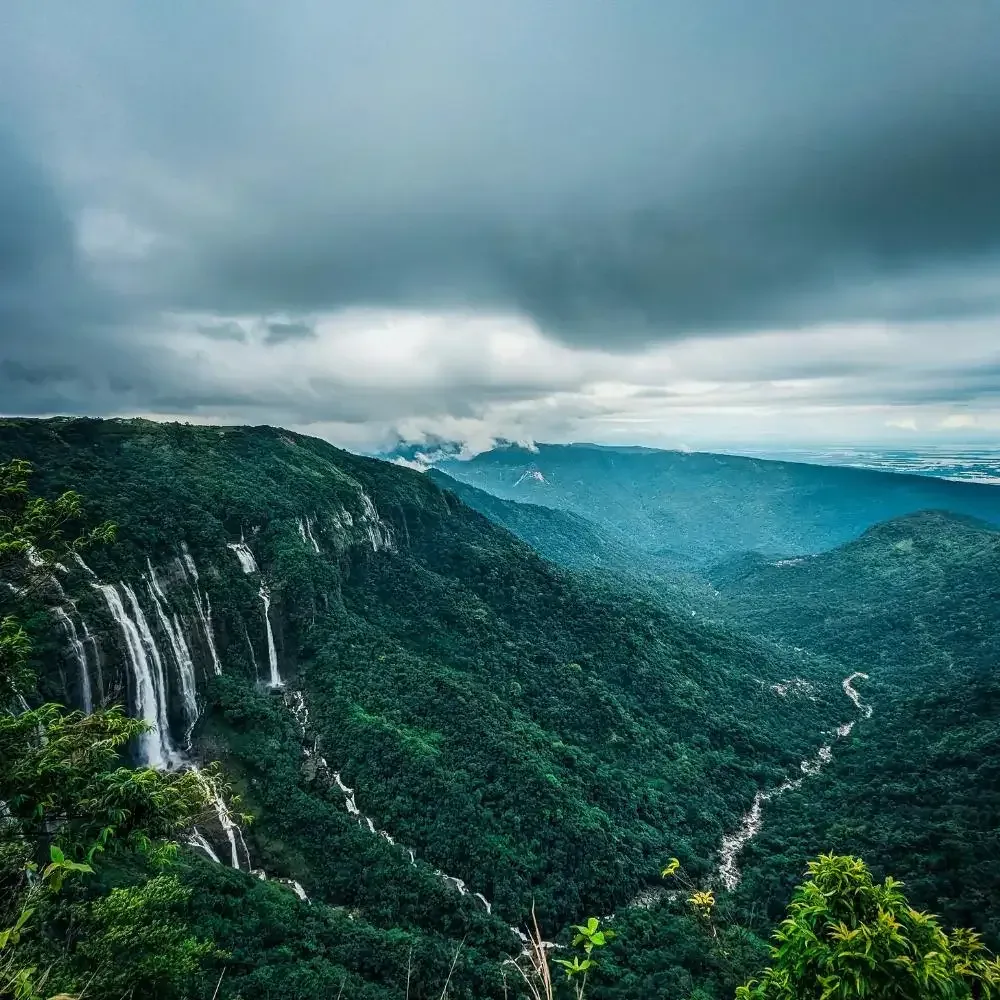
Best Places to Visit in India in August and September 2027
Monsoon green and post-monsoon calm: where to go in India in August and September 2027, from Ladakh and Spiti to Meghalaya, Ziro, Hampi and the Andamans.
Read the story
Read
Destination guides
Best Places to Visit in India in August and September 2027
Monsoon green and post-monsoon calm: where to go in India in August and September 2027, from Ladakh and Spiti to Meghalaya, Ziro, Hampi and the Andamans.
Read the story
-
 Read
Planning tips
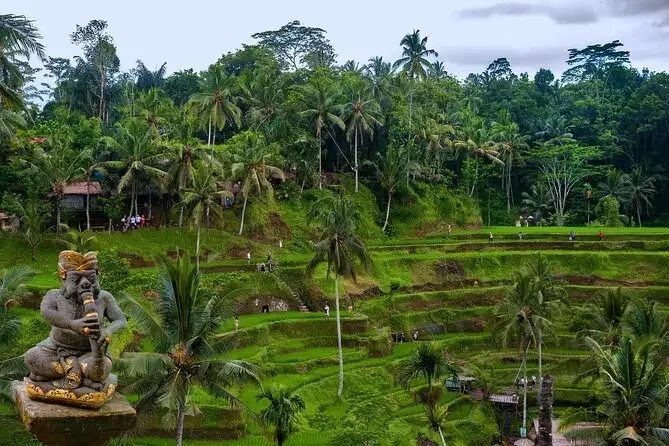
Best Countries to Visit in August and September from India (2027)
August is peak season, September the smart month: the best countries to visit from India in August and September 2027, with visas, flights and budgets for each.
Read the story
Read
Planning tips
Best Countries to Visit in August and September from India (2027)
August is peak season, September the smart month: the best countries to visit from India in August and September 2027, with visas, flights and budgets for each.
Read the story
-
 Read
Destination guides
Best Places to Visit in India in July 2027
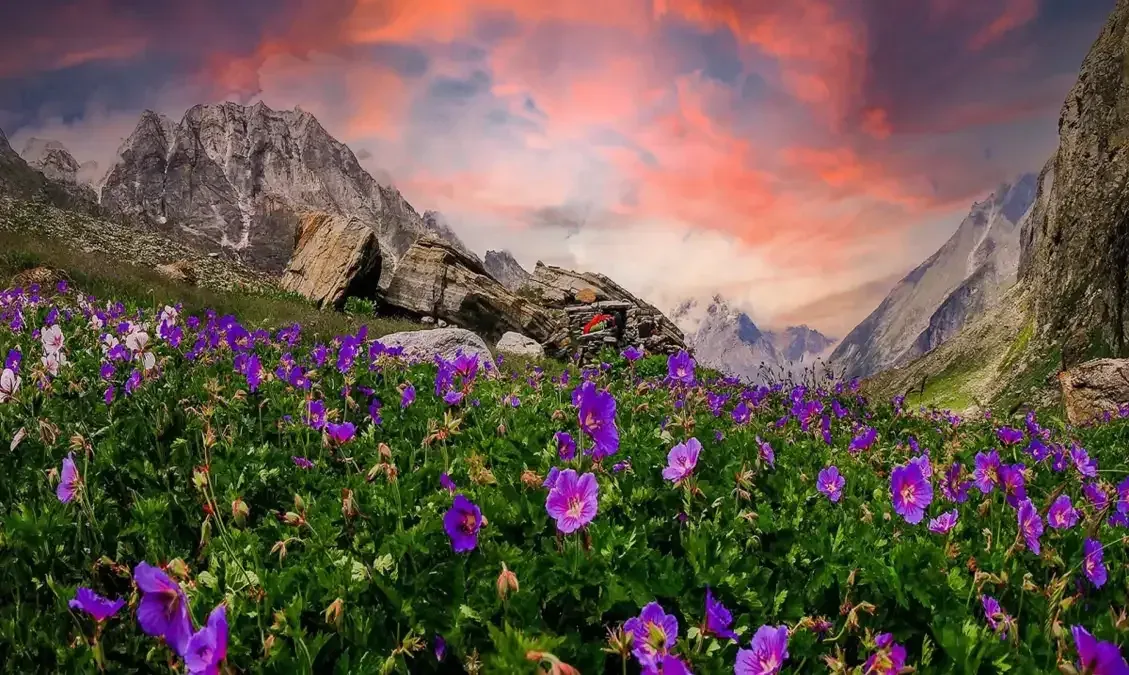
Valley of Flowers, the Hemis festival on 13 and 14 July, Rath Yatra on 5 July and the monsoon Ghats: the best places to visit in India in July 2027.
Read the story
Read
Destination guides
Best Places to Visit in India in July 2027
Valley of Flowers, the Hemis festival on 13 and 14 July, Rath Yatra on 5 July and the monsoon Ghats: the best places to visit in India in July 2027.
Read the story
-
 Read
Planning tips
Best Countries to Visit in July from India (2027)
Where to go abroad in July 2027 from India: Bali at its driest, Mauritius in its best month, Sri Lanka's east coast, the Maldives off-season, and Europe done smartly.
Read the story
Read
Planning tips
Best Countries to Visit in July from India (2027)
Where to go abroad in July 2027 from India: Bali at its driest, Mauritius in its best month, Sri Lanka's east coast, the Maldives off-season, and Europe done smartly.
Read the story
-
 Read
Destination guides
Best Places to Visit in India in June 2027
Himachal, Ladakh, Kashmir, the Western Ghats and the Northeast: where to go in India in June 2027, and what the monsoon means for each place.
Read the story
Read
Destination guides
Best Places to Visit in India in June 2027
Himachal, Ladakh, Kashmir, the Western Ghats and the Northeast: where to go in India in June 2027, and what the monsoon means for each place.
Read the story
-
 Read
Planning tips
Best Countries to Visit in June from India (2027)
Where to travel abroad in June 2027 from India: Europe in early summer, Bali's dry season, the Maldives and Mauritius at good prices, Japan, Turkey and Singapore, with visa rules.
Read the story
Read
Planning tips
Best Countries to Visit in June from India (2027)
Where to travel abroad in June 2027 from India: Europe in early summer, Bali's dry season, the Maldives and Mauritius at good prices, Japan, Turkey and Singapore, with visa rules.
Read the story
This starts with a conversation.
Tell us where you're headed — we'll take it from there.