
Destination guides
Wayanad Travel Guide: Treks, Wildlife and Waterfalls
Explore Wayanad with this travel guide—covering Kerala waterfalls, wildlife safaris, spice plantation visits, and serene treks for heart and soul.
In this story 8
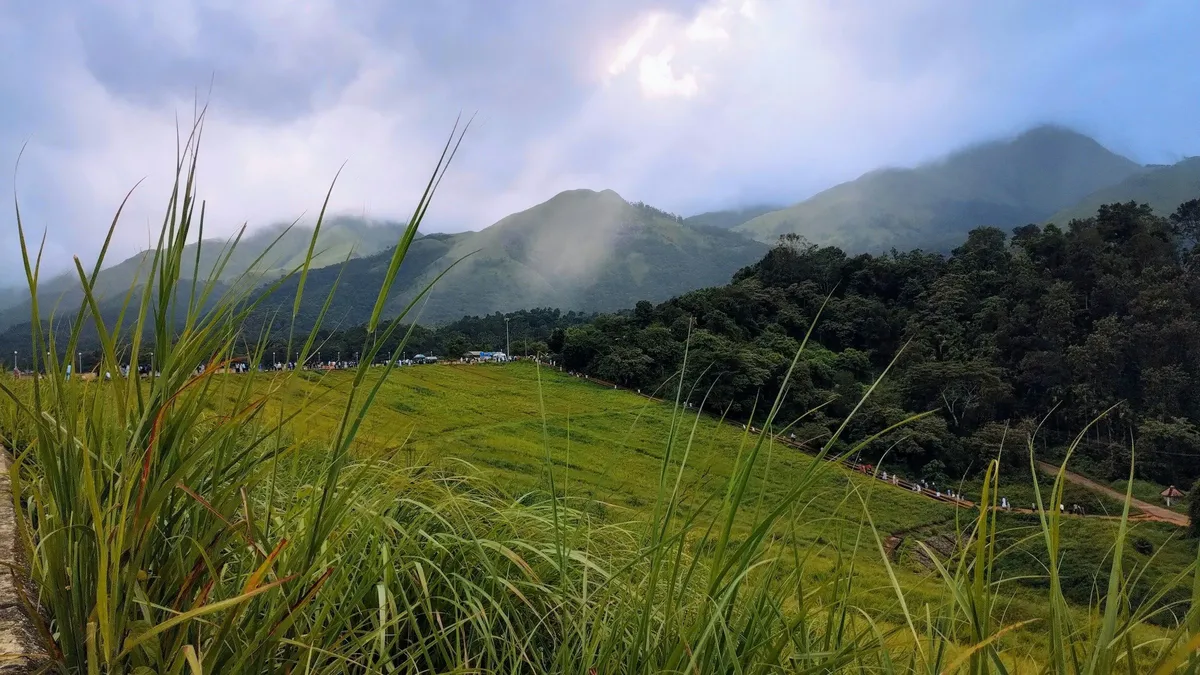
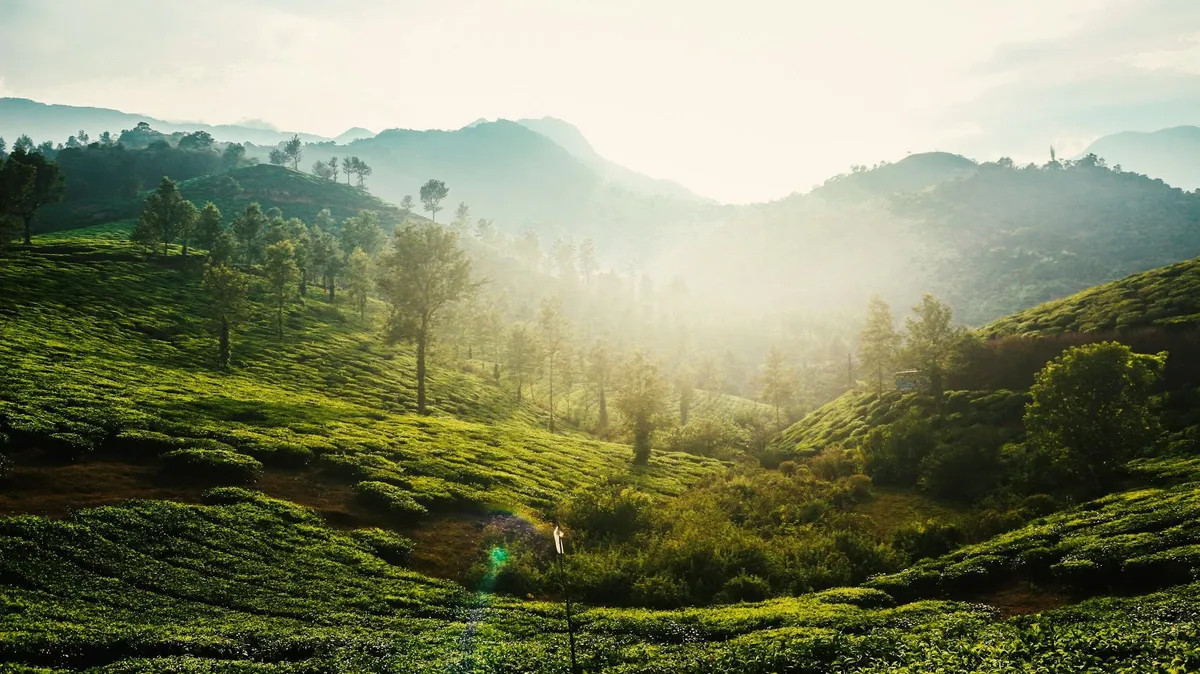
Tucked away in Kerala’s northern reaches lies Wayanad, a district where the air carries the earthy scent of wet soil and spices, and every hill seems to hold a secret. Surrounded by the towering Western Ghats, Wayanad is the kind of place that invites you to slow down and take in the endless green of its forests, the thundering Kerala waterfalls that punctuate the landscape, and the soft mist that rolls in almost every morning. It’s no wonder that folks from nearby Karnataka and Tamil Nadu often slip away here, swapping city streets for winding mountain roads and the gentle hush of the woods. This Wayanad travel guide is your companion to slow down, breathe deeply, and connect with nature.
Getting To Wayanad
Reaching Wayanad isn’t a chore—it’s part of the experience.
By Air
Most people find it easiest to fly into Calicut International Airport at Kozhikode, about 90 kilometers from Kalpetta. From there, a two-and-a-half to three-hour drive up winding roads offers some of the best views you could ask for. The air gets cooler as you climb, and the first glimpses of those misty hills make it clear you’re in for something special.
By Train
If you prefer trains, Kozhikode Railway Station is your best bet. Once you reach the station, plenty of taxis and buses are waiting to whisk you into the hills.
By Road
People from Bangalore, Mysore, and even Coimbatore often load up their cars and head down for a long weekend. Coming from Mysore, note that the highway through the Bandipur and Muthanga forests is closed to traffic from 9 pm to 6 am. The roads are smooth, and as you hit the ghats, every turn reveals something new—tall trees that seem to touch the sky, glimpses of the valley far below, and the occasional troop of monkeys watching you curiously.
Exploring The Heart Of Wayanad - Must-Visit Places in Wayanad Travel Guide
What makes Wayanad special is that there’s something here for every kind of traveler. Whether you’re in the mood to climb hills, wander through ancient caves, or just sit by a lake and let the world drift by, Wayanad delivers.
Edakkal Caves
These aren’t just caves but living museums, with rock carvings that date back thousands of years. There’s a short but steep hike to reach them, and once you’re inside, the carvings seem to tell stories of a time long before us. The view from the top is no less impressive—rolling hills as far as the eye can see, covered in a hundred shades of green.
Wayanad Wildlife Sanctuary
The sanctuary is one of the few places where you can truly feel the pulse of the forest. Split into two main zones—Muthanga and Tholpetty—this sanctuary is home to elephants, deer, and, if you’re patient and very lucky, even tigers. The safaris here are worth every bumpy ride, with guides who know the forest like the back of their hand and experts in showcasing wildlife in Wayanad. As the jeep lurches forward, you might catch sight of a herd of deer darting across the road, or an elephant lumbering along, calm and unhurried in its own world.
Pookode Lake
Pookode is the place to be for gentler peace. Tucked away in a bowl of green, this freshwater lake is ringed by forests that echo with bird calls. You can hire a paddleboat and drift across the water, or just sit at the edge and watch the clouds reflect in the ripples. There’s a small aquarium nearby too, perfect if you’re traveling with kids or just want to see some of the local aquatic life up close.
Plan this trip
Want a trip like this?
We build every trip from scratch around you. Tell us your dates and we take it from there.
Start Planning WhatsApp usChembra Peak
This is the highest point in Wayanad, and the trek to the top isn’t exactly easy, but every step is worth it. The trek is run by the forest department with a daily limit, and it has been closed at times since the 2024 landslides, so check before you plan around it. Partway up, you’ll find the famous heart-shaped lake, a natural wonder that’s become one of Wayanad’s most beloved photo spots. Higher still, the peak opens up views of the valleys below, the air crisp and cool even in summer.
Soochipara Waterfalls
Unlike the easy stroll to Pookode, this spot requires a short trek through a forest path that’s as enchanting as the falls themselves.
Also called Sentinel Rock Falls, this three-tiered plunge makes for a captivating trek—another highlight in your hunt for Kerala waterfalls.
The water crashes down in three tiers, and the mist in the air cools your skin and fills your lungs with freshness you didn’t even know you were missing. Sit on a rock, close your eyes, and let the roar of the water drown out everything else.
Kuruva Island
This patch of green in the Kabini River (entry is limited to a set number of visitors a day, and it sometimes closes) is a world of its own—bamboo groves, hidden streams, and the kind of quiet that’s getting rare these days. A walk here feels like a gentle meditation, a chance to hear the river’s whispers and watch the light play through the leaves.
Wayanad Heritage Museum.
If you’re curious about Wayanad’s deeper story, don’t miss this gem. It’s small but packed with artifacts and tribal history that give you a real sense of how life here has always been rooted in the land. From old hunting tools to everyday household items, every piece here seems to have a story to tell.
What Makes Wayanad Special
There’s something about Wayanad that sticks with you, even after you’ve left. Maybe it’s the forests, which still feel wild and untouched, or the waterfalls that crash and roar without a care in the world. It could be the spice plantations, where cardamom, pepper, and coffee grow in neat rows, their scent hanging heavy in the warm air. Many of these plantations welcome visitors, and there’s nothing like walking between the rows of green, breathing in the rich, spicy air and tasting fresh coffee that’s grown right there.
But it’s more than just the sights and smells. Wayanad has a stillness to it, a sense that time here doesn’t run the same way it does in the city. It’s not as crowded as some of the other hill stations, and even in the more popular spots, you can find corners where it’s just you and the trees. Whether you’re sharing a cup of tea with a local, watching the mist roll over a lake, or just lying back and staring at the sky, there’s a calm here that’s hard to find anywhere else.
Best time to Visit
October to February, the air is cool and crisp, perfect for long walks and treks. It’s also when most people come, so expect some crowds at the big spots.
March to May is warmer, but not in a bad way. The evenings are still cool, and if you’re the kind who likes to take things slow, you’ll find plenty of quiet here.
June to September, is monsoon and this is when Wayanad truly comes alive. The hills glow a deeper green, the waterfalls swell and thunder, and the air smells of rain and fresh earth. Sure, trekking’s a bit tougher, and the roads can be tricky, but if you’re willing to trade a bit of comfort for that lush, rain-soaked beauty, it’s absolutely worth it.
A Place To Feel, Not Just See
In the end, Wayanad isn’t just about the places you visit—it’s about how it makes you feel. There’s a magic here, in the way the mist moves through the trees, in the quiet of an early morning when the forest is still waking up, in the sudden flash of green when a parrot flies overhead. It’s a place that lets you breathe, think, and remember what it’s like to be a part of something bigger and wilder than yourself. So whether you’re clambering up Chembra Peak, watching elephants in the wild, or just sitting by a window with a cup of fresh coffee as the rain taps at the glass, let Wayanad wrap around you. Let it remind you that there’s still a world out there that doesn’t rush or shout—a world that’s content to just be. And maybe, for a little while, you’ll be content to just be, too.
Questions travellers ask
Is it safe to visit Wayanad now?
Yes. The July 2024 landslides hit villages around Mundakkai and Chooralmala near Meppadi; the rest of the district is open to visitors. Some trails and sites close from time to time for safety, so check with your stay before planning a trek.
How do I reach Wayanad from Bengaluru?
It is about 6 to 7 hours by road via Mysuru. The road through the Bandipur and Muthanga forests is closed to traffic from 9 pm to 6 am, so plan to cross in daylight.
What is the best time to visit Wayanad?
October to May for trekking and safaris. The monsoon (June to September) is the greenest, but heavy rain can close treks and roads.
How many days do I need in Wayanad?
Three days covers Edakkal Caves, a safari, Pookode Lake and a waterfall; add a day for a trek or a plantation stay.
Destination guidesAdventureOffbeat
Know someone who should read this?
Send on WhatsAppKeep reading
All stories-
 Read
Destination guides
How to Plan a Trip Like a Pro: From Research to Packing
Plan better trips with clarity, balance, and flexibility.
Read the story
Read
Destination guides
How to Plan a Trip Like a Pro: From Research to Packing
Plan better trips with clarity, balance, and flexibility.
Read the story
-
 Read
Destination guides
6 Best Places to Go Scuba Diving
From the Maldives to Raja Ampat and the Andamans, six of the best scuba diving spots for Indian travellers, with the level and best season for each.
Read the story
Read
Destination guides
6 Best Places to Go Scuba Diving
From the Maldives to Raja Ampat and the Andamans, six of the best scuba diving spots for Indian travellers, with the level and best season for each.
Read the story
-
 Read
Destination guides
Tawang Tour Guide: How to Reach, Highlights and Best Time
Discover Tawang, a serene Himalayan town in Arunachal Pradesh, famed for its monastery, Sela Pass, and tranquil beauty. Experience soulful chants, snow-draped peaks, and local tales in this enchanting destination.
Read the story
Read
Destination guides
Tawang Tour Guide: How to Reach, Highlights and Best Time
Discover Tawang, a serene Himalayan town in Arunachal Pradesh, famed for its monastery, Sela Pass, and tranquil beauty. Experience soulful chants, snow-draped peaks, and local tales in this enchanting destination.
Read the story
-
 Read
Destination guides
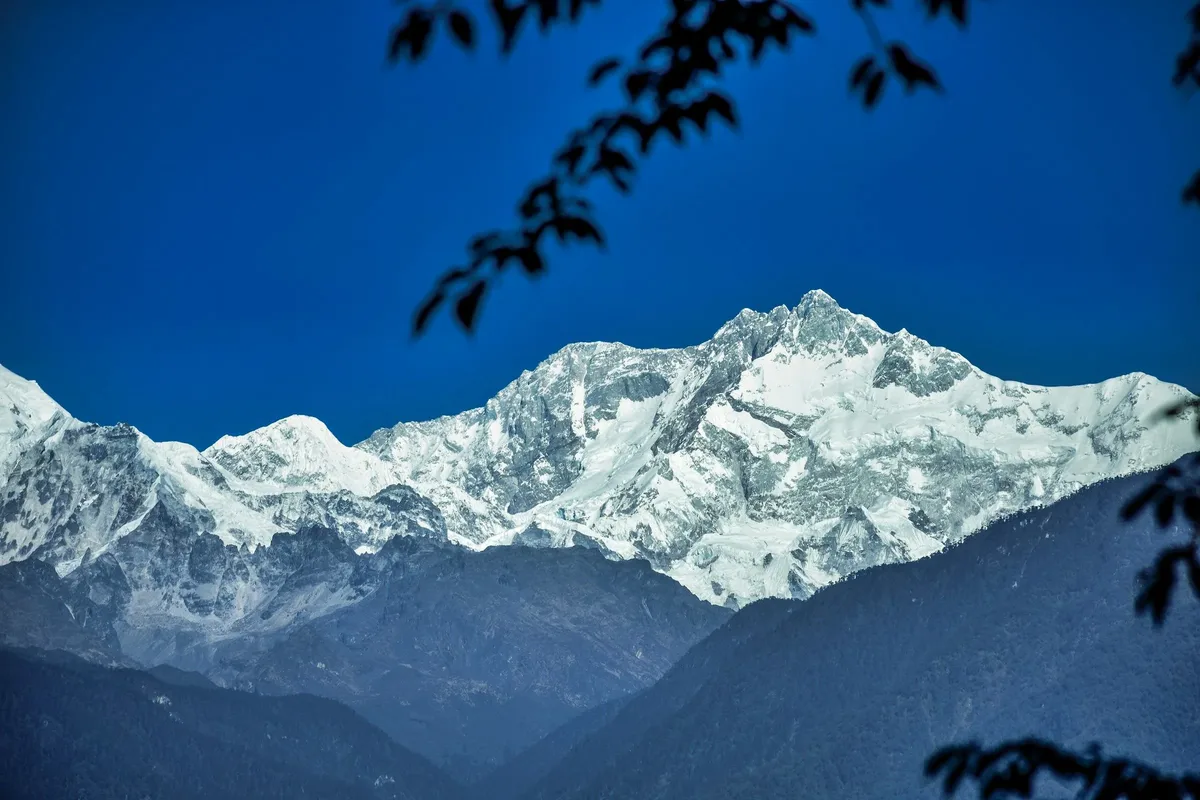
Pelling, Sikkim: Kanchenjunga Views and Hidden Gems
Explore Pelling with our Sikkim travel guide—from sunrise Kanchenjunga views, monasteries & waterfalls to Pelling’s hidden gems in Sikkim. Perfect for slow-paced, soulful mountain escapes.
Read the story
Read
Destination guides
Pelling, Sikkim: Kanchenjunga Views and Hidden Gems
Explore Pelling with our Sikkim travel guide—from sunrise Kanchenjunga views, monasteries & waterfalls to Pelling’s hidden gems in Sikkim. Perfect for slow-paced, soulful mountain escapes.
Read the story
-
 Read
Destination guides
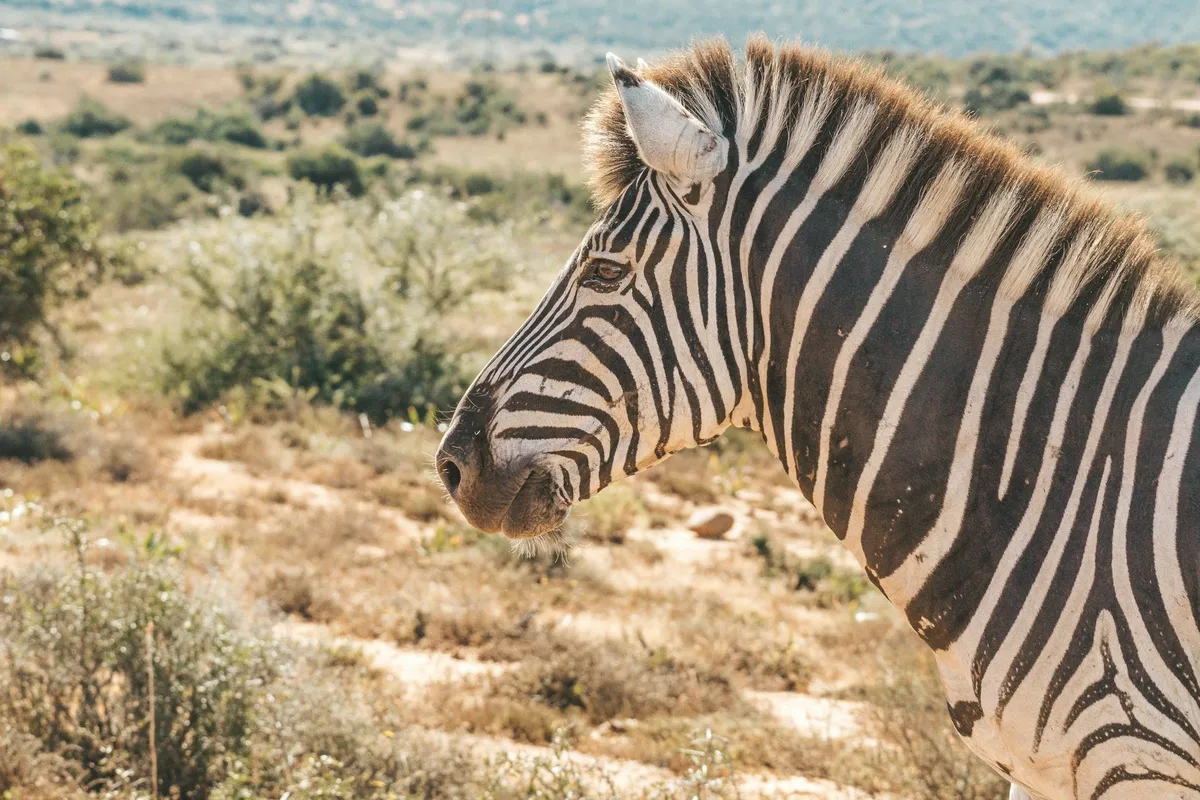
Self-Drive Safaris in Africa: Is It Safe and How to Plan
Embark on an unforgettable self-drive safari in Africa. Our comprehensive guide offers tips and insights to help you plan your independent wildlife adventure seamlessly.
Read the story
Read
Destination guides
Self-Drive Safaris in Africa: Is It Safe and How to Plan
Embark on an unforgettable self-drive safari in Africa. Our comprehensive guide offers tips and insights to help you plan your independent wildlife adventure seamlessly.
Read the story
-
 Read
Destination guides
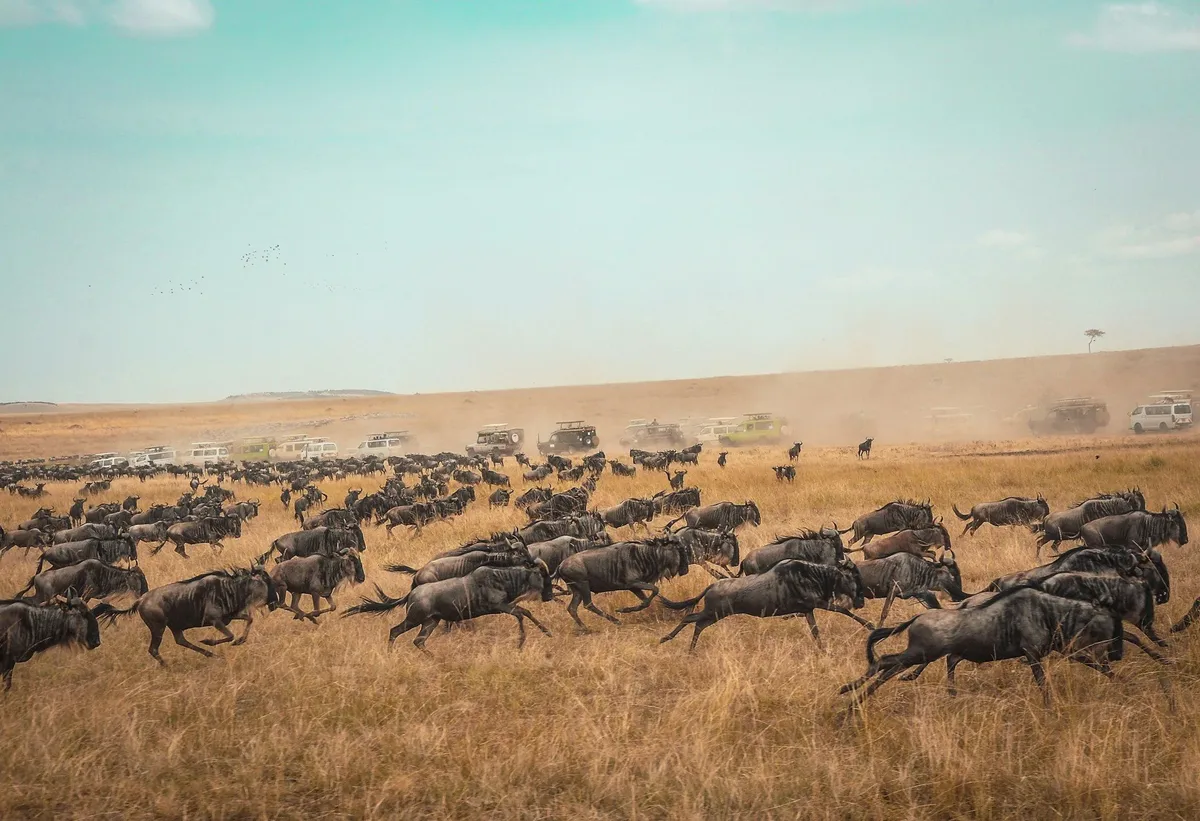
Masai Mara Safari Guide: How to Plan Your Kenya Safari
Plan your Africa safari with our Masai Mara guide! Discover when to visit, what to pack, and how to experience Kenya’s wildlife intimately.
Read the story
Read
Destination guides
Masai Mara Safari Guide: How to Plan Your Kenya Safari
Plan your Africa safari with our Masai Mara guide! Discover when to visit, what to pack, and how to experience Kenya’s wildlife intimately.
Read the story
-
 Read
Adventure
Maldives on a Budget: 6 Ways to Save
From flights to hotels and island activities, holidaying in the Maldives comes with a hefty price tag. So, how do you cut back on the cost and still enjoy the best? Read on!
Read the story
Read
Adventure
Maldives on a Budget: 6 Ways to Save
From flights to hotels and island activities, holidaying in the Maldives comes with a hefty price tag. So, how do you cut back on the cost and still enjoy the best? Read on!
Read the story
-
 Read
Destination guides
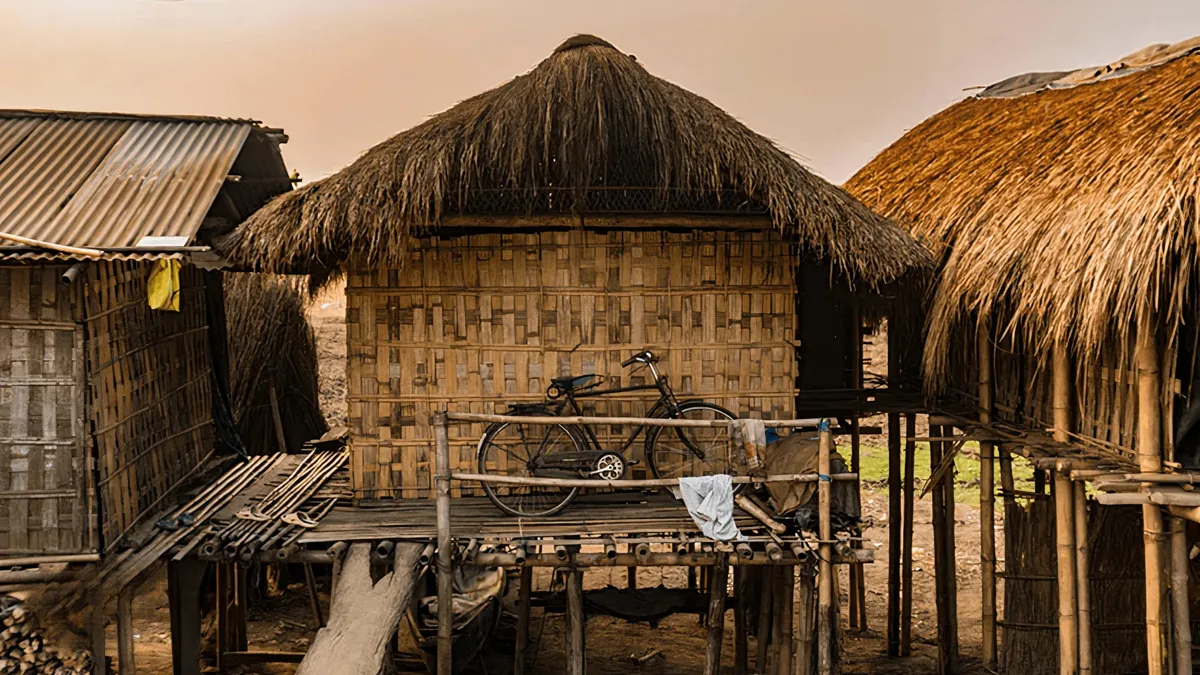
Majuli, Assam: A Guide to the World's Largest River Island
Step into Majuli, the world’s largest river island in Assam, where satras echo with chants, sunsets melt into the Brahmaputra, and life flows gently.
Read the story
Read
Destination guides
Majuli, Assam: A Guide to the World's Largest River Island
Step into Majuli, the world’s largest river island in Assam, where satras echo with chants, sunsets melt into the Brahmaputra, and life flows gently.
Read the story
-
 Read
Destination guides
Sleep Tourism: The Travel Trend Built Around Rest
Instead of packed itineraries, more travellers now plan trips around a good night's sleep. What sleep tourism is and why it is growing.
Read the story
Read
Destination guides
Sleep Tourism: The Travel Trend Built Around Rest
Instead of packed itineraries, more travellers now plan trips around a good night's sleep. What sleep tourism is and why it is growing.
Read the story
This starts with a conversation.
Tell us where you're headed — we'll take it from there.