
Destination guides
Banff National Park, Canada: Lakes, Trails and Mountain Views
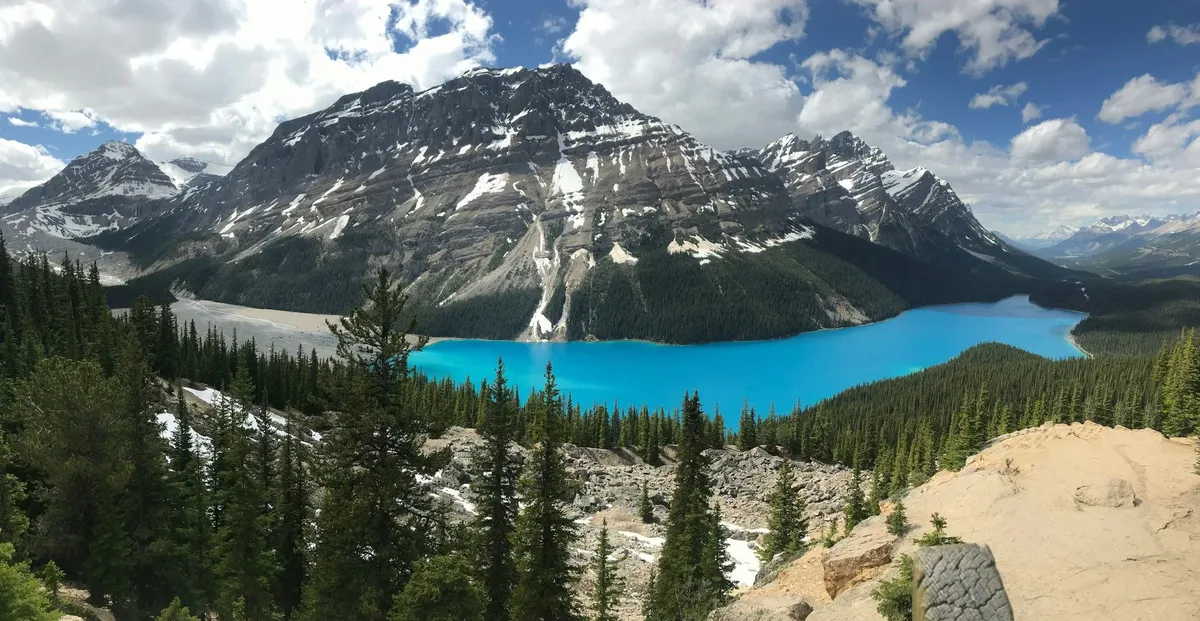
Banff National Park, Canada’s first national park, offers stunning alpine peaks, turquoise lakes like Lake Louise, and countless hiking trails.
In this story 6
There are places you visit, and then there are places that stay with you. Banff National Park? It’s the second kind. Tucked into the wild heart of the Canadian Rockies, this stretch of untamed beauty feels like a postcard someone accidentally brought to life. Think alpine peaks, glacier-fed lakes that don’t even look real, and hiking trails that make you lose track of time.
This is Canada’s first national park—founded way back in 1885—and it's grown into a massive 6,600 square kilometers of mountain magic. Whether you're into adrenaline-packed hikes, slow canoe paddles, or just sipping coffee with a mountain view, Banff delivers. And in summer? It’s unreal. Green valleys, sparkling waters, flower-filled meadows, and sunshine that lingers late into the evening.
So, Where Is Banff Anyway?
You’ll find Banff in Alberta, around 120 kilometers (or an easy 1.5-hour drive) west of Calgary. It’s part of the Rocky Mountains’ majestic lineup and stretches from the rugged Continental Divide through the lush Bow Valley. The scenery? Constantly changing. One minute you're in dense pine forest, the next you're standing beneath towering cliffs.
Famous peaks like Mount Rundle and Mount Temple keep watch over the land, while valleys and glacier-fed lakes nestle below. Honestly, it feels like someone designed this place with a painter’s brush.
Getting There Without Losing Your Mind
By Car
Indians need a Canadian visitor visa, so apply early. Then the simplest way is to land at Calgary International Airport (YYC), grab a rental car, and hit the Trans-Canada Highway (Highway 1). The drive is only 90 minutes, but you’ll want to stop every five to take photos. It's that gorgeous.
By Train
If you’ve got time and want something fancy, the Rocky Mountaineer train is an experience. It crawls through jaw-dropping terrain from Vancouver to Banff. Think luxury seats, glass domes, and someone bringing you snacks while mountains pass by outside.
By Air
Banff doesn’t have its own airport, so Calgary’s your gateway. From there, it’s all scenic roads and mountain vibes.
What To Do In Banff During Summer? A Lot.
1. Hike Like There’s No Tomorrow
Banff’s trails are the real deal. Whether you’re just starting out or looking to push your limits, there’s a hike for you. A classic favorite is the Lake Agnes Tea House trail. You climb your way past Mirror Lake, catch stunning views, and end up at a rustic tea house tucked beside a peaceful glacial lake. Sip some chai and let your legs rest.
Another one for your list? The Plain of Six Glaciers trail. Yes, it’s a workout. But the views—sheer cliffs, ice-blue glaciers, sweeping panoramas—are worth every step. And yep, there’s another tea house at the top. Canada really gets it.
Johnston Canyon is perfect for families or less-experienced hikers. Walkways wind along waterfalls, and the mist cools you down as you go. For those who like elevation, Sulphur Mountain gives you two options: hike up or ride the gondola. Either way, the summit view is one to remember.
2. Those Lakes Aren’t Photoshopped
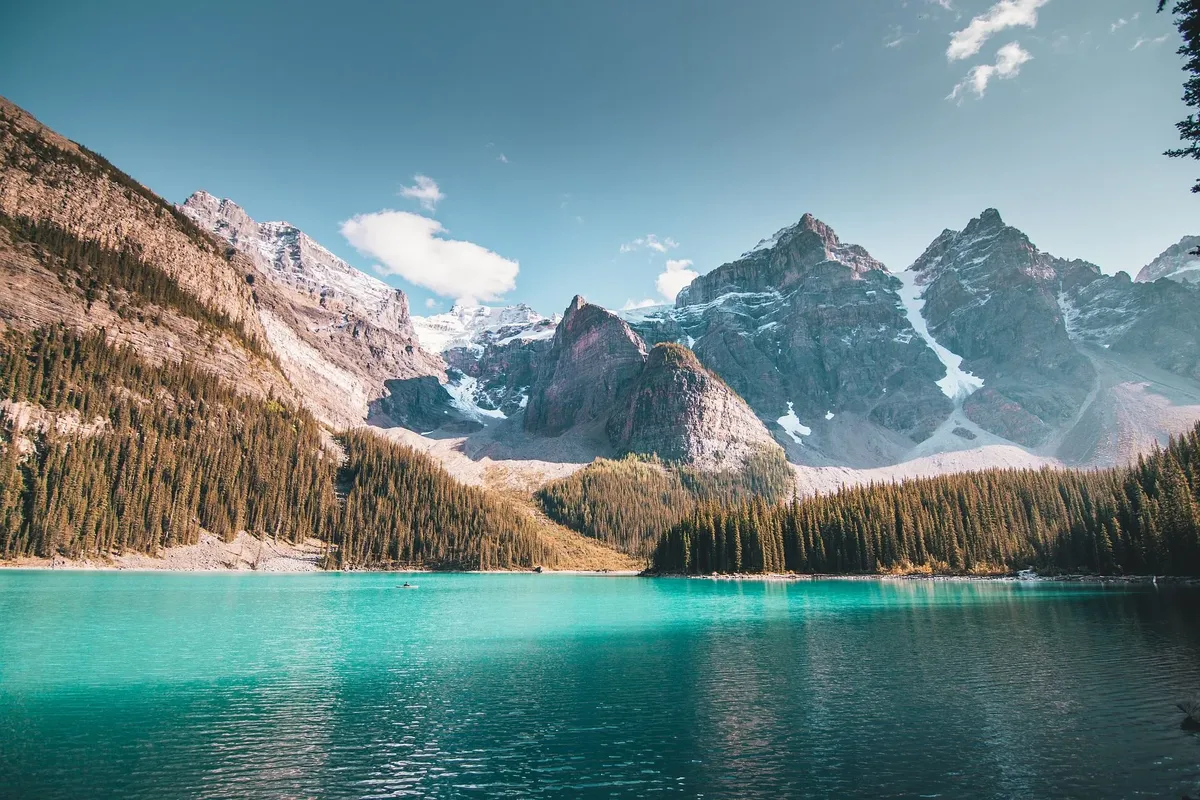
Lake Louise and Moraine Lake almost look fake. The colors—vivid turquoise and electric blue—don’t seem possible until you see them for yourself.
Lake Louise sits at the foot of the Victoria Glacier, its mirror-like surface changing with the sky. Moraine Lake, smaller and more tucked away, is surrounded by the Valley of the Ten Peaks. Since 2023 the Moraine Lake road has been closed to private cars, so book the Parks Canada shuttle (or a commercial bus) and pick the earliest slot if you want peace and the best light. At Lake Louise, paid parking fills very early; the shuttle is easier.
3. Paddle, Float, Drift
Rent a canoe and take your time. Gliding across these lakes is pure meditation. You don’t even have to talk. Just paddle, listen to the birds, and feel the sun on your face. If you’re lucky, a loon might call out in the distance—it’s that kind of magical.
4. Wander Through Banff Town
The town itself is surprisingly vibrant for a place nestled between mountains. Banff Avenue is the main strip—full of little shops selling Canadian crafts, cozy cafes with mountain views, and restaurants that serve everything from wild salmon to poutine.
Try a maple latte or a local bison burger. Duck into art galleries or learn something new at the Whyte Museum. And don’t forget to look up—the mountain backdrop makes every moment feel like a scene from a movie.
5. Soak And Let Go
At the end of the day, your legs are probably going to feel it. That’s where Banff Upper Hot Springs come in. Warm, steamy mineral pools with Mount Rundle in the background? Yes, please. Bring a towel, settle in, and let the tension melt away.
6. Spot Some Wildlife
You don’t need to look far. In summer, elk wander around like they own the place (which, honestly, they kinda do). Bighorn sheep scale rocky cliffs like it’s no big deal. And black bears? They’re shy but may be seen if you’re quiet and lucky. Early morning or dusk is usually the best time for wildlife spotting—just always keep a safe distance.
Moments That Stick With You
There’s a kind of hush that falls over the meadows when wildflowers bloom in July. Indian paintbrush, mountain daisies, and purple asters create a soft, dreamy landscape that begs you to sit and just be. And if you want to see Banff from a different angle, consider booking a scenic flight. Seeing those lakes and peaks from above? Unreal.
Or go slower. Join a horseback tour and ride along forest trails with nothing but hoofbeats and birdcalls filling the air. Some moments don’t need cameras—just memory.
Best Times To Visit Banff
- June to September (Summer): Clear skies, long days, warm(ish) temps. It’s hiking and lake season.
- October & May (Shoulder Seasons): Fewer people, mild weather, and great chances to spot wildlife or catch early/late wildflowers.
- Winter (November to March): If snow’s your thing, this is prime ski and snowshoe time. The town glows with festive lights.
Banff isn’t just pretty—it’s powerful. It slows you down without asking. You start to notice the way light hits the mountains at dusk, how pine trees smell in the early morning, or how unbelievably quiet it gets when the wind stops.
And that feeling? The mix of wonder, peace, and just a little awe? That’s Banff’s gift. You don’t just visit this park—you feel it.
Questions travellers ask
Can you drive to Moraine Lake?
Not in a private car. Since 2023 the Moraine Lake road is closed to personal vehicles; go on the Parks Canada shuttle (book online), a commercial tour bus or by bike. Lake Louise has paid parking that fills by early morning.
Do Indians need a visa for Canada?
Yes, a visitor visa, applied for online with fingerprints at a visa centre. Apply well ahead, as processing can take weeks.
How many days do I need in Banff?
Three to four days for the lakes, a couple of hikes and the town; add two days for the Icefields Parkway to Jasper.
What is the best time to visit Banff?
Late June to mid-September, when the lakes are thawed and trails open. Moraine Lake is usually open from June to mid-October.
Know someone who should read this?
Send on WhatsAppKeep reading
All stories-
 Read
Finland · Destination guides
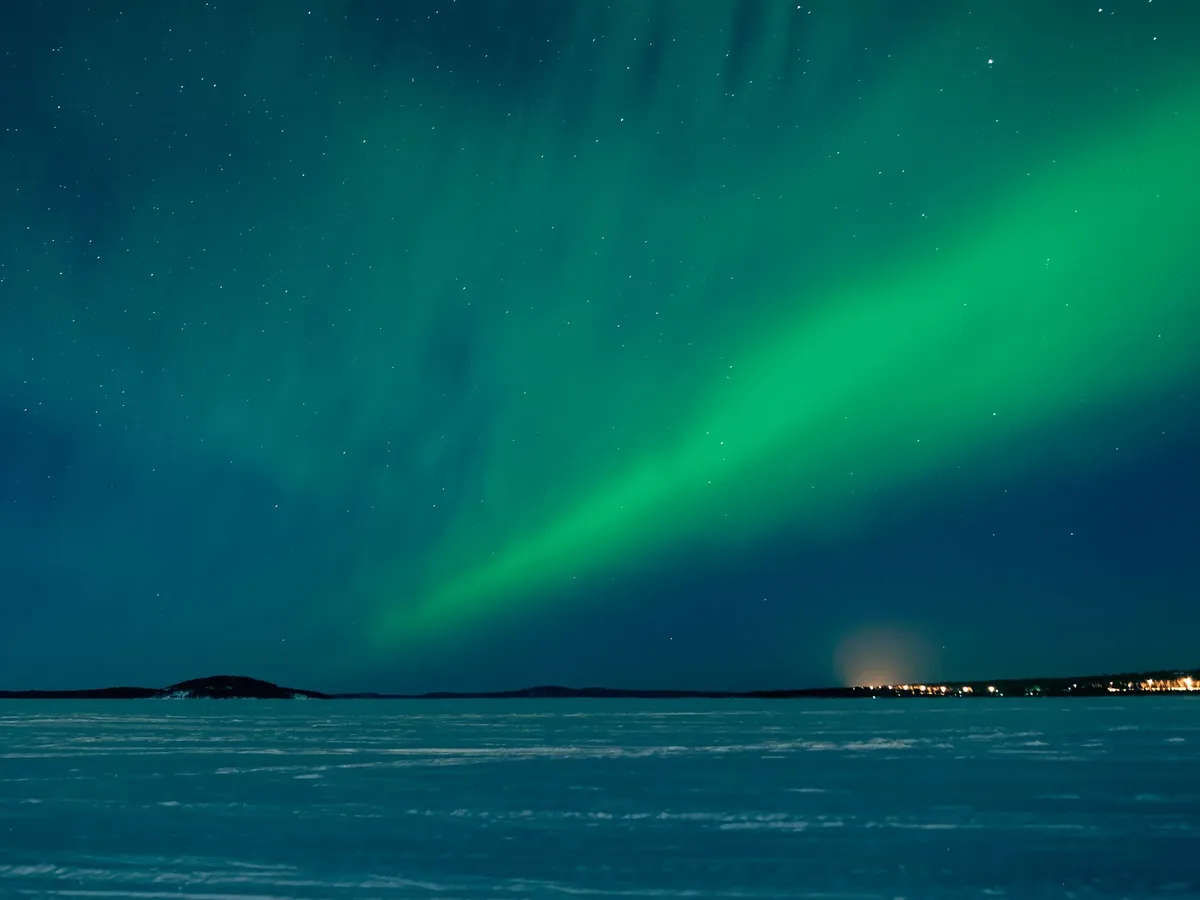
Where to See the Northern Lights in Finnish Lapland
Learn where to base yourself in Finnish Lapland, which months give the clearest skies, and how to plan your nights around the northern lights and clouds.
Read the story
-
 Read
Sri Lanka · Destination guides
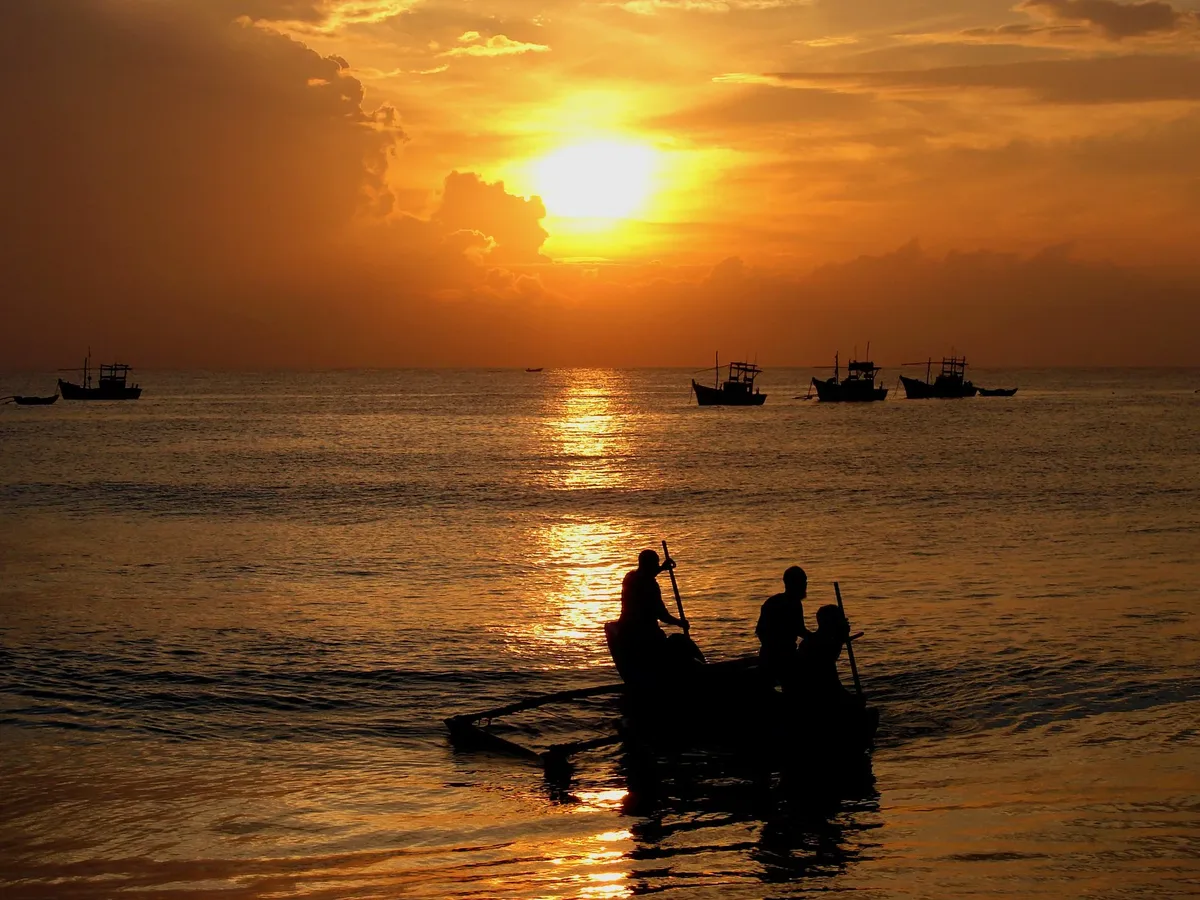
What a Sri Lanka Trip Costs from India
A 5-night Sri Lanka beach trip costs about ₹35,000 to ₹55,000 per person on a budget and ₹60,000 to ₹90,000 mid-range, flights included.
Read the story
-
 Read
Destination guides
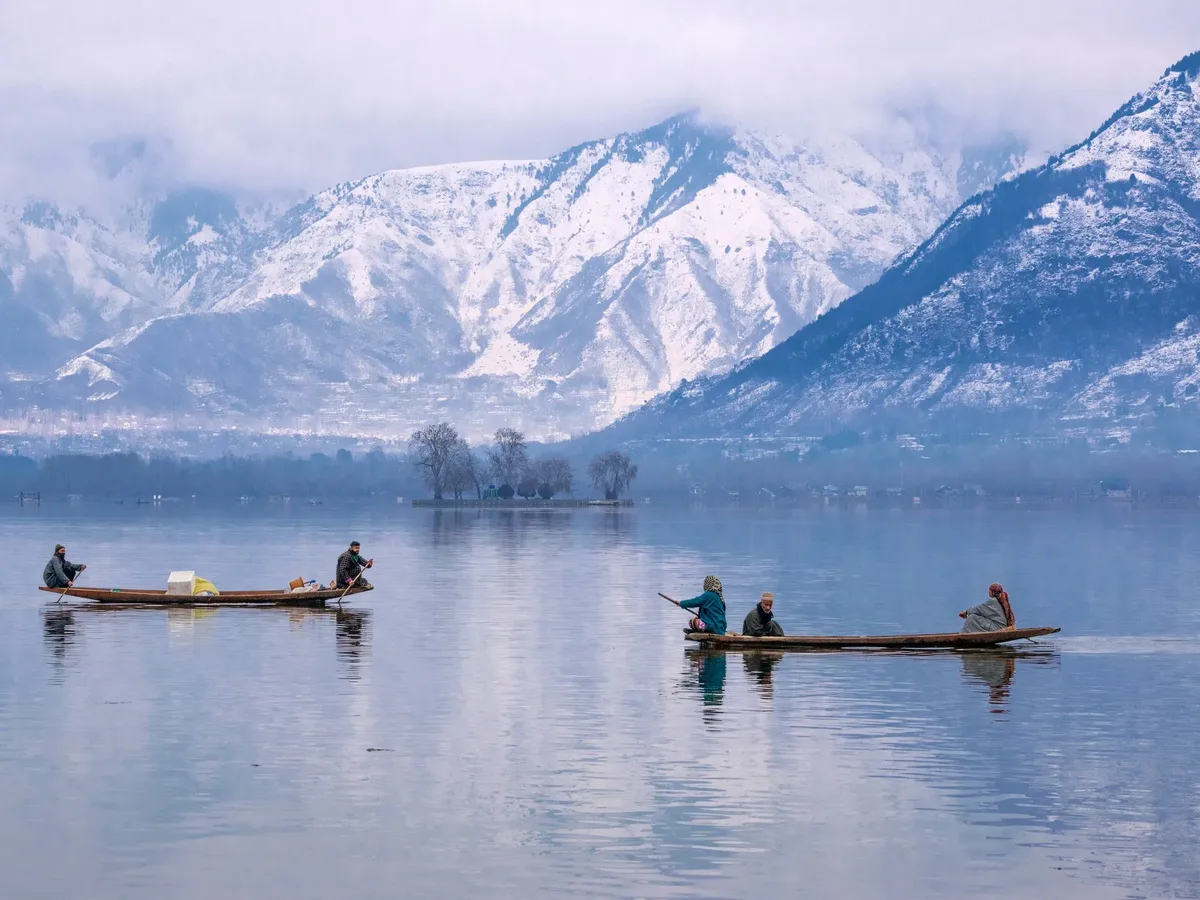
Kashmir in Winter, from Dal Lake to Gulmarg's Snow
Kashmir in winter suits travellers who want real snow, quiet houseboats and lower rates. A five-day plan around Srinagar and Gulmarg suits the season.
Read the story
-
 Read
Japan · Destination guides
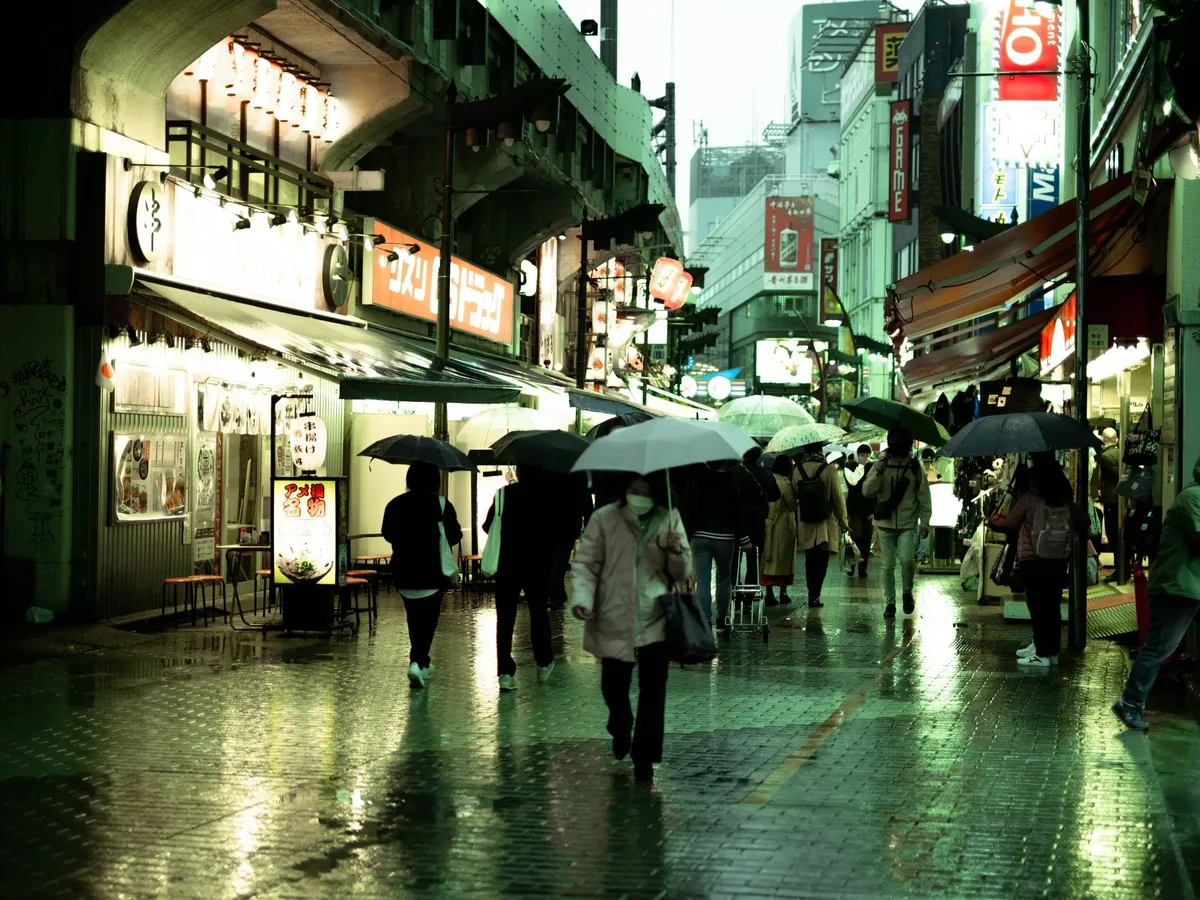
A 7-Day Japan Itinerary Through Tokyo and Osaka
A seven-day Japan itinerary with three nights each in Tokyo and Osaka, plus Mt. Fuji, Kyoto and Nara as day trips. Two bases mean fewer hotel changes.
Read the story
-
 Read
Vietnam · Destination guides
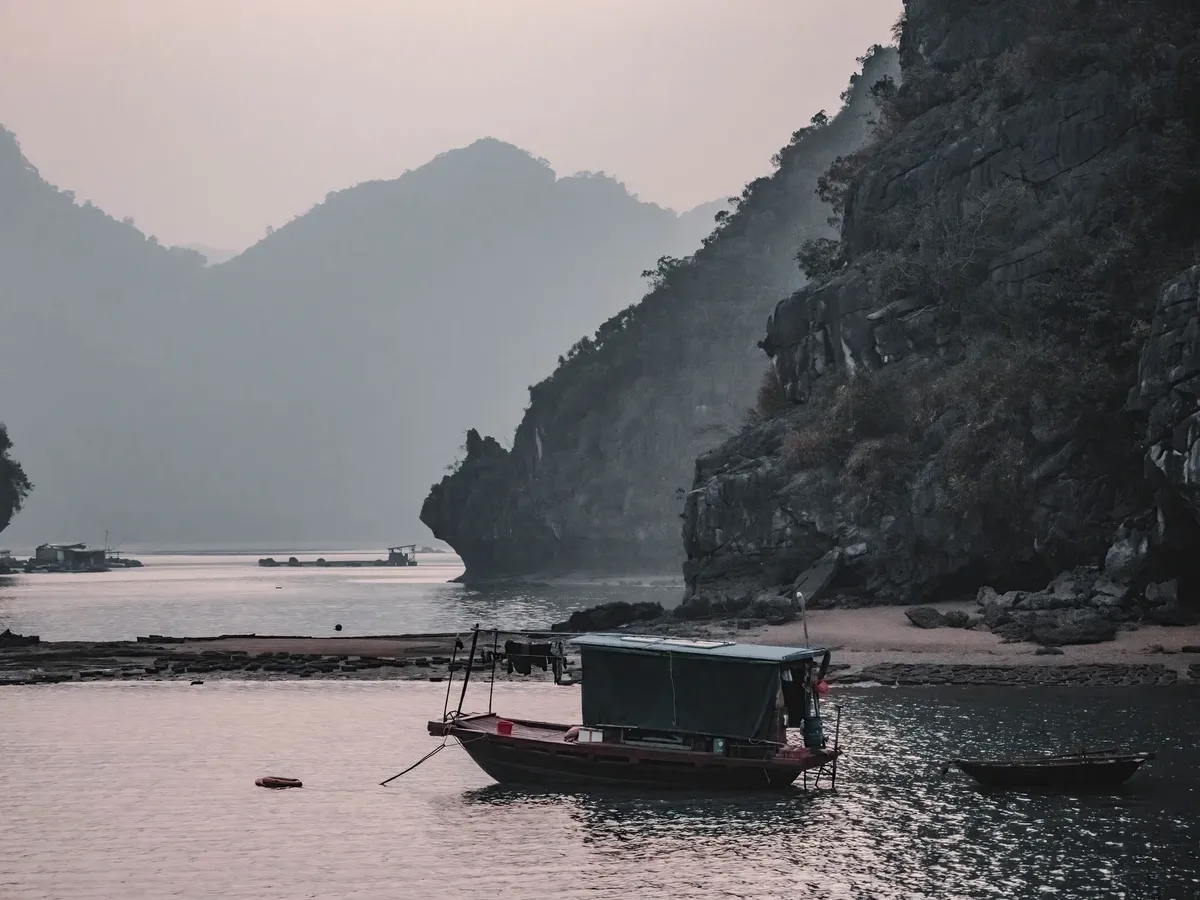
How Much a Vietnam Trip Costs from India
A comfortable week in Vietnam costs about ₹85,000 to ₹1,10,000 per person from India, return flights included. Flights and the cruise set the budget.
Read the story
-
 Read
Indonesia & Bali · Destination guides
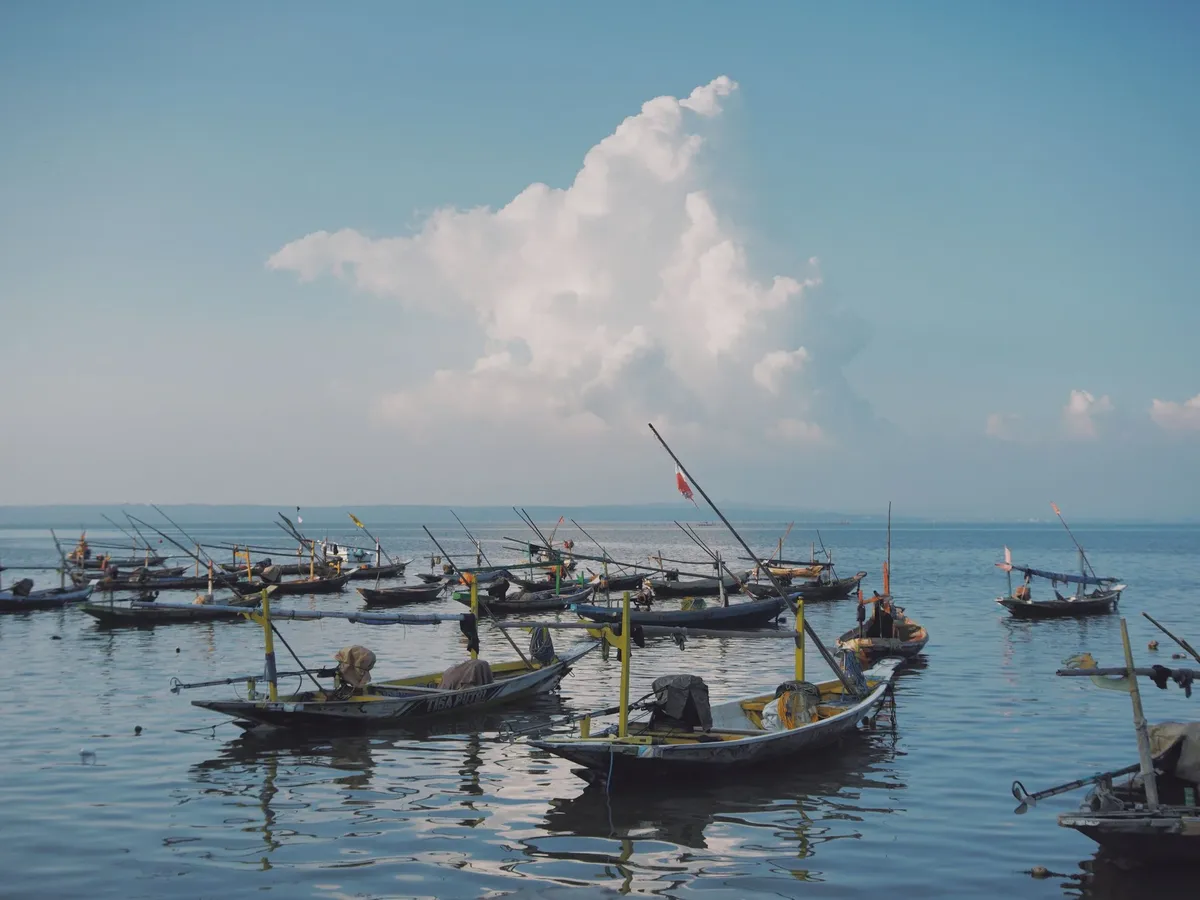
Places to Visit in Bali, from Ubud to the Nusa Islands
Most Bali trips work best with two or three bases: Ubud for the green highlands, a southern beach base and a Nusa island if you have the nights.
Read the story
-
 Read
Thailand & Vietnam · Destination guides
Best Honeymoon Destinations for First-Time Travellers Abroad
Thailand, Vietnam and Dubai compared for a first international honeymoon, with entry rules, trip lengths and month-by-month weather for each.
Read the story
-
 Read
Destination guides
Ladakh Trip Guide: Leh, Nubra and Pangong in 7 or 10 Days
Plan a Ladakh trip in 7 or 10 days: acclimatise in Leh, cross Khardung La to Nubra Valley, and add Pangong Lake with ten days.
Read the story
-
 Read
Vietnam · Destination guides
Vietnam with Kids: 7 and 10-Day Family Route
Pick a few hands-on stops for children, keep transfers short, and leave out overnight legs. Ninh Binh, Hoi An and Hanoi suit a first family trip best.
Read the story



This starts with a conversation.
Tell us where you're headed — we'll take it from there.