
Bhutan · Destination guides
Bhutan Travel Tips for Indians: What to Know Before You Go
Thinking of a Bhutan trip from India? Our complete guide on how to travel to Bhutan covers visas, best times to visit, top places, costs, and tips for Indian travellers seeking nature, culture, and peace in the Eastern…
In this story 7
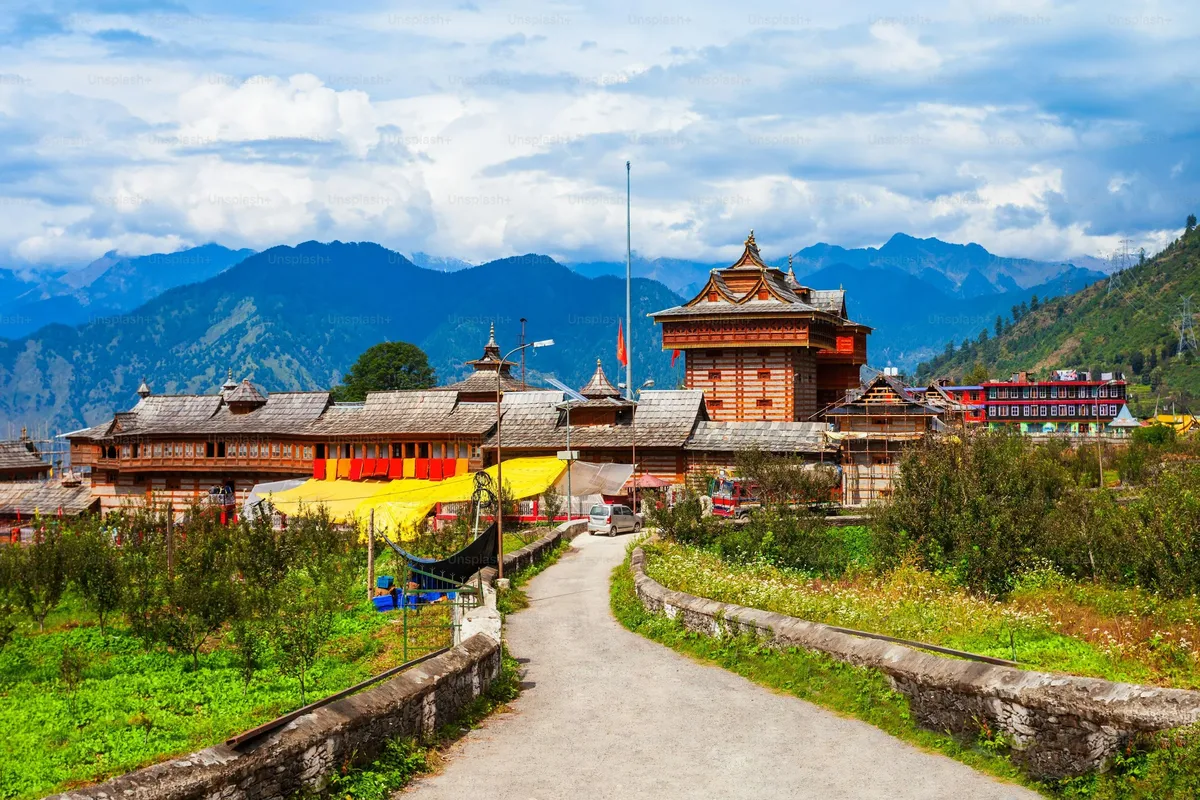
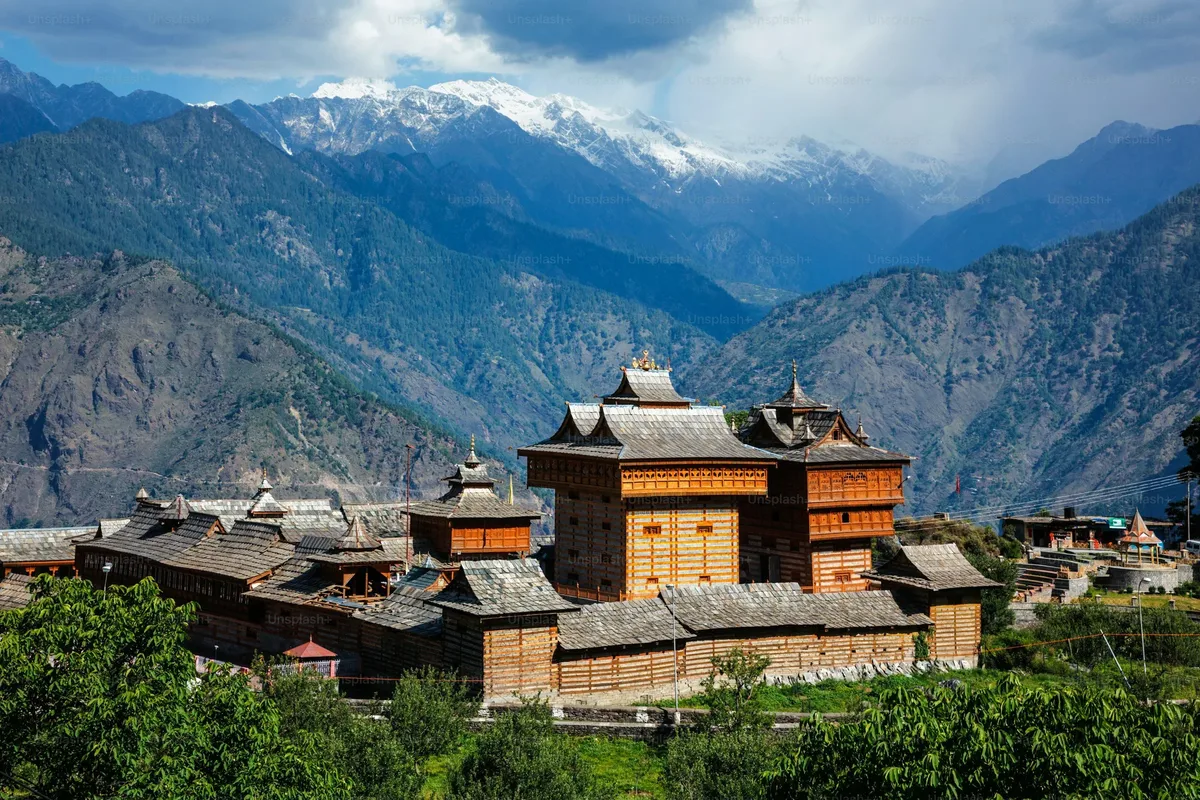
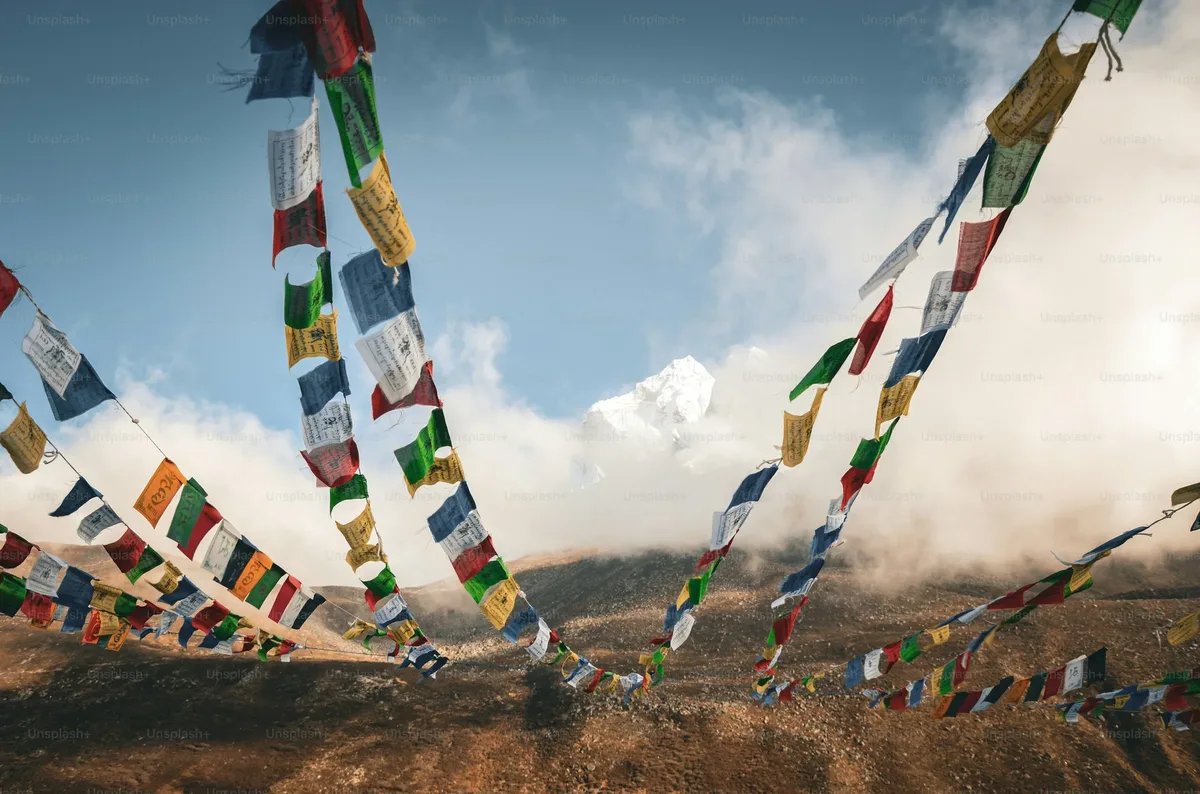
Tucked away in the eastern Himalayas, Bhutan isn’t just a country—it’s an emotion. This little kingdom, landlocked between two giants (India and China), somehow remains a mystery even today. The moment you set foot here, it feels like you’ve stepped into another world—where monks chant in age-old monasteries, prayer flags flutter against snow-capped mountains, and everyone genuinely seems to care about happiness over hustle.
For Indian travellers especially, Bhutan offers a rare opportunity—visa-free entry (well, mostly), affordable travel, and a cultural connection that somehow feels both familiar and completely new. And the best part? It’s not swamped by mass tourism. Bhutan’s “High Value, Low Volume” tourism policy ensures it remains untouched and authentic.
Bhutan Entry Rules for Indians
Here’s the good news: Bhutan has one of the most relaxed entry rules for Indian nationals. Unlike most countries, you don’t need a pre-arranged visa for your Bhutan trip from India. But there are a few rules and costs to keep in mind—especially after Bhutan’s recent tourism policy updates.
As of now, Indian citizens can enter Bhutan either by road (from the border town of Phuentsholing) or by air (through Paro International Airport). You will need one of the following:
- A valid passport (with at least six months of validity), OR
- A Voter ID issued by the Election Commission of India
Children below 18 can travel with a birth certificate and must be accompanied by parents or guardians.
Indian tourists must now pay ₹1,200 per person per night as part of the new tourism strategy. This tax contributes to the upkeep of the country's ecology and infrastructure. Although it was previously free, the new method makes it easier to control the impact of tourists.
You’ll also need to book your accommodations in advance and register your travel itinerary with the Bhutanese immigration office, especially if entering by road. It's usually a good idea to coordinate with a registered local tour operator—they’ll make the process smoother and handle permits if you’re visiting restricted areas like Punakha or Bumthang. In short, it’s not as casual as it once was, but still very doable. And absolutely worth it.
Best Time to Visit Bhutan
Bhutan isn’t a year-round destination in the way Thailand or Goa might be, but that’s actually part of its charm. The weather plays a huge role in how your trip turns out, so timing matters.
Travel to Bhutan requires thoughtful planning as seasons define the experience:
- March to May (Spring): This is arguably the best time to travel to Bhutan. The skies are clear, the air is crisp, and the entire country bursts into colour with blooming rhododendrons and other wildflowers. The temperatures are mild—perfect for treks like the Druk Path or the Tiger’s Nest hike. If you love photography or just appreciate nature, this season is magic.
- September to November (autumn): The air has been cleaned by the monsoons, the scenery is lush and verdant, and the vistas are clear. Additionally, Bhutan's biggest celebrations, such as the Thimphu and Paro Tshechus, take place during this time. You can witness religious rites, traditional dances, and vibrant costumes up close at these occasions. Anticipate chilly nights and cool days.
Winter months of December through February are cold in Bhutan, particularly at higher elevations. However, it's still feasible if you're going to Thimphu or Paro. The upside? Fewer tourists, cheaper hotels, and some absolutely magical mountain views. You could even catch some snowfall in a few spots, so it’s wise to carry enough warm layers just to be safe.
June to August (Monsoon): These months aren’t ideal for travel, mostly because of the frequent downpours. Roads tend to get slippery, there’s a risk of landslides, and outdoor activities often take a hit. But if you're aiming for a quiet, spiritual getaway or plan to stay in the southern parts, the trip can still be worthwhile.
Best Places to Visit in Bhutan
Art & Culture
• National Institute for Zorig Chusum (Thimphu)
Tucked away in the heart of Thimphu, this institute is where Bhutan’s age-old art forms are kept alive. Young students here spend years learning traditional skills passed down through generations—like painting, wood carving, embroidery, and more.
• Simply Bhutan Museum (Thimphu)
This spot offers more than just displays behind glass. It’s an immersive experience where you can slip into traditional Bhutanese dress, sip on buttery suja (tea), and try your hand at archery—the national sport. It gives you a warm, down-to-earth look into how people live in Bhutanese villages, all in one friendly visit.
• Choki Traditional Art School (Kabesa, near Thimphu)
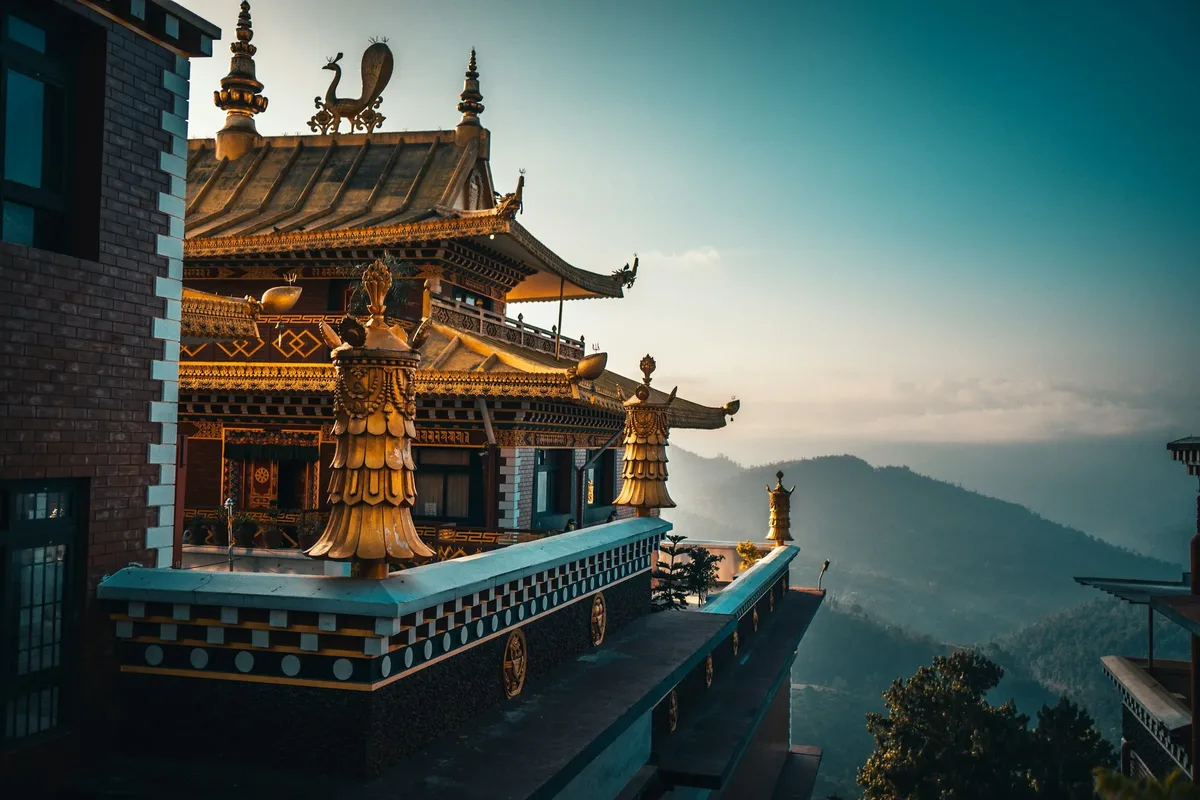
Set in a peaceful hillside location just outside Thimphu, this school is doing meaningful work. It offers free training in traditional arts to youth from underprivileged backgrounds. Visitors are welcome to explore the studios, watch the artists at work, and pick up one-of-a-kind, handmade pieces directly from the source.
Historical & Religious Landmarks
• Tiger’s Nest Monastery (Paro)
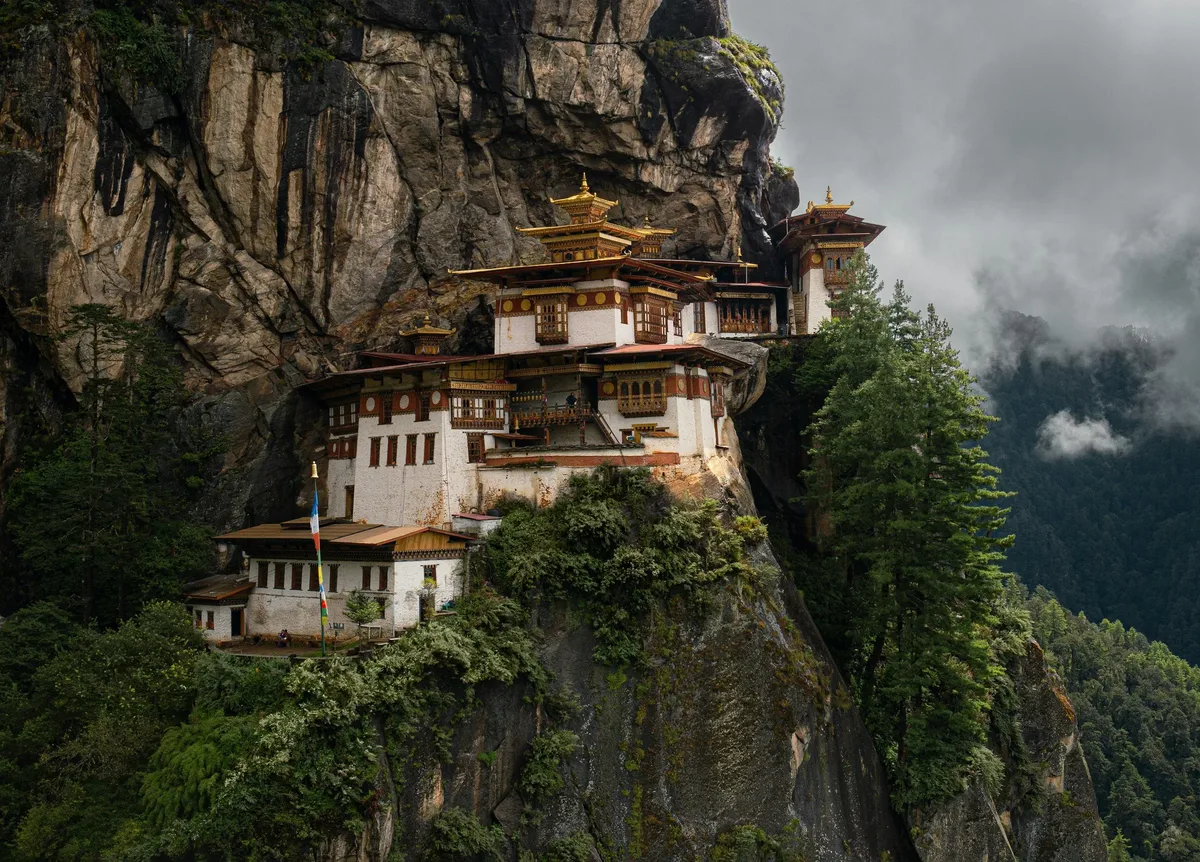
You can’t go to Bhutan and not visit Taktsang, famously known as the Tiger’s Nest. Perched dramatically on a cliff 3,000 feet above the valley floor, this 17th-century monastery is one of Bhutan’s most iconic landmarks. The hike takes about 2-3 hours uphill, but the views and spiritual vibe are absolutely worth it.
• Punakha Dzong
This is perhaps the most beautiful dzong (fort-monastery) in the country. Nestled between two rivers and framed by blooming jacarandas in spring, it looks like something out of a fantasy film. It’s also historically significant as the place where Bhutan’s kings have been crowned.
• Trongsa Dzong
Located in central Bhutan, this massive structure once controlled east-west travel across the country. It's a bit off the typical tourist path but has major historical weight and commanding valley views.
• Chimi Lhakhang (Punakha)
Known as the “Fertility Temple,” this quirky monastery is dedicated to Lama Drukpa Kunley, Bhutan’s beloved “Divine Madman.” It’s famous for its rather unorthodox symbolism (including, yes, phallic imagery), but also revered by locals who believe it blesses couples seeking children.
Shopping
• Handicrafts Market (Thimphu)
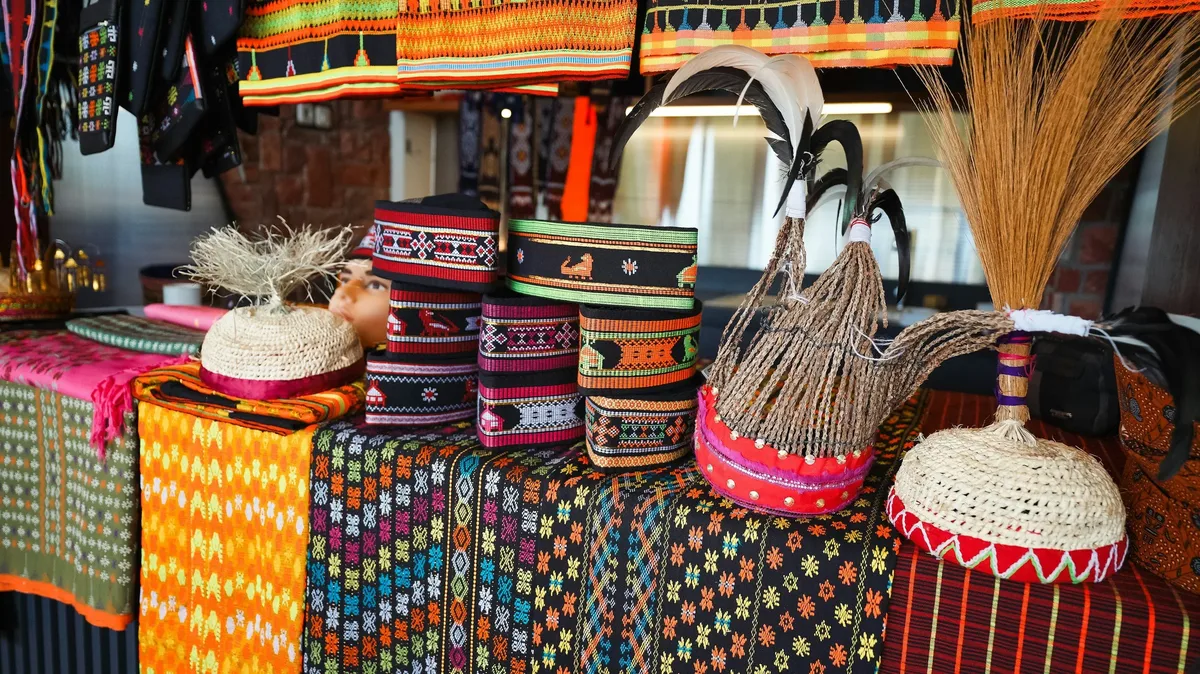
Just a short walk from Thimphu’s main traffic circle, this little strip of stalls is a great spot for picking up something truly Bhutanese. You’ll find hand-woven scarves, detailed wooden masks, colourful thangka paintings, and lots of locally made crafts. P.S- Feel free to bargain!
• Norzin Lam Street (Thimphu)
Norzin Lam is frequently referred to as the center of Thimphu's shopping scene, drawing both locals and tourists for strolls and browsing. The area is lined with cozy tea houses, cafés, tiny bookshops, and gift shops. It’s a lovely place to walk around at your own pace—and yes, don’t leave without trying one of those chilli-infused Bhutanese chocolate bars!
• Paro Weekend Market
If you happen to be in Paro over the weekend, this market is worth checking out. The market has a vibrant, down-to-earth vibe that draws both locals and travellers. You’ll come across rows of stalls selling everything from chunks of yak cheese and bundles of dried mushrooms to prayer beads and beautifully woven textiles. Even if you’re just browsing, it’s a great place to take in the rhythm of local life. Don’t be surprised if you end up nibbling on something unexpected—like chips with a fiery ema datshi twist.
Plan this trip
Thinking about Bhutan?
We build every trip from scratch around you. Tell us your dates and we take it from there.
Start Planning WhatsApp us Read the full guide: BhutanGetting Around Bhutan
So, getting around Bhutan isn’t like getting around a big city. The roads are all twisty and follow the mountains, so you really can’t go fast. Honestly, that’s part of the fun—you get to see a lot as you go along, and there’s no point in rushing. It’s not like you can just hop on a train or catch a cab in every town. In places like Thimphu or Paro, you’ll find some taxis, but once you leave those spots, it gets a bit tricky.
Most people end up hiring a car with a driver, and honestly, it’s the easiest way to get around. It won’t break the bank, and the drivers usually know a bunch about the places you’re heading to. They might share little stories or point out things you’d never notice on your own. If you’re booking a tour, transport is often included, so no stress there. In towns like Thimphu and Paro, you can find taxis pretty easily, but beyond that, they’re not super common—so don’t count on hailing one out of nowhere.
If you’re on a budget and feeling adventurous, there are public buses connecting main towns. Buses in Bhutan? Well, they’re pretty basic. They don’t rush at all — stopping here and there, picking people up. You’ll probably find yourself sitting shoulder to shoulder with locals, which honestly is kind of fun if you’re up for it. It’s slow, yeah, but super cheap and a cool way to see how people get around day-to-day.
Then there are shared taxis , which are kind of like minibuses that run between the main towns. They’re quicker than the buses, but don’t expect a lot of space—they get pretty full. If you’re okay with a bit of crowding, they’re a decent option to get from place to place without spending too much.
And if you’re exploring just around town or nearby sites, walking is lovely. Places like Thimphu are small enough to wander, and some hikes, like the trail to Tiger’s Nest, give you a closer look at Bhutan’s stunning nature.
So, getting around Bhutan takes a bit of patience, but it’s a good chance to slow down and soak in the peaceful vibe.
Language & Currency
When you’re in Bhutan, you’ll notice how tradition just flows right alongside everyday life—even in the way people speak. The main language, Dzongkha, sounds quite different and is written in a script that looks nothing like what you’re used to. But don’t worry about that—most folks in places like Thimphu and Paro speak English well enough to get by.
Most Bhutanese grow up learning both Dzongkha and English in school, so getting around, asking for directions, or reading road signs isn’t a problem for Indian travellers or any English speaker. You might hear other local dialects too—Sharchhopkha in the east, and Nepali in the southern parts—but Dzongkha ties the whole country together.
When it comes to money, Bhutan uses the Ngultrum (BTN). It's pegged to the Indian Rupee (INR) at par, so 100 INR equals 100 BTN. Indian currency is accepted almost everywhere, especially notes in denominations up to ₹500. ₹2,000 notes can sometimes be tricky. Card payments are becoming more common, but cash is still king, especially in smaller towns or local markets. ATMs exist, but they’re not always reliable for international cards. It’s best to carry a mix of cash and card, just to stay on the safe side while travelling.
Bhutan Travel Tips: What to Know Before You Go
1. Pack Smart
Bhutan’s weather can flip fast—sunshine in the morning, chilly winds or rain in the afternoon. Layering is your best friend. Toss in a decent waterproof jacket and comfy walking shoes, especially if you're planning hikes. Bhutan is a very traditional country, so it is best to wear modest clothing when visiting temples or monasteries.
2. Keep Traditions In Mind
Respect is really important, particularly when it comes to spiritual matters. Always remove your shoes before entering a temple, avoid pointing your feet at altars, and round chortens or other religious objects in a clockwise direction. Cameras are fine in most places, but ask before snapping photos—particularly during rituals or inside sacred spaces.
3. Internet & Money
In towns like Thimphu or Paro, you’ll usually find Wi-Fi in hotels or cafes. But once you head into the countryside, signal strength drops fast. The local currency is the Ngultrum, and Indian Rupees up to ₹500 are widely accepted. Don’t count on card machines everywhere—small shops and village homestays prefer cash, so keep some on you.
4. Book In Advance
Especially after Bhutan reopened post-pandemic, the travel regulations and the Sustainable Development Fee have made it essential to plan ahead. Tour operators help with permits, transport, and accommodations—and many are flexible, customising trips as per your pace and interests.
5. Don’t Expect Nightlife
Bhutan sleeps early. Thimphu may have a few bars and karaoke joints, but in general, the country prioritises early mornings over late nights. Think more "tea and mountain view" than "cocktails and dancing."
6. Language Barrier Is Low
English is widely spoken, especially in cities and tourist areas. Dzongkha is the national language, but signs, menus, and even traffic boards are often bilingual.
With a little bit of planning, Bhutan can be a magical place to travel to. Mark this guide and start planning your trip! or visit to see our 10 day itinerary
Questions travellers ask
What documents do Indians need for Bhutan?
A passport valid for six months or a voter ID card, for the free entry permit at Paro airport or Phuentsholing.
Can I use Indian rupees in Bhutan?
Yes. The ngultrum is pegged to the rupee and rupees are accepted widely. Carry smaller notes, as larger ones are sometimes refused in smaller towns.
What should I pack for Bhutan?
Layers, a rain jacket, good walking shoes for the Tiger's Nest, and clothes that cover shoulders and knees for temples and dzongs.
Is English spoken in Bhutan?
Yes. English is taught in schools and widely spoken in towns, hotels and shops.
Destination guidesPlanning tips
Know someone who should read this?
Send on WhatsAppKeep reading
All stories-
 Read
Destination guides
Best Places to Visit in India in August and September 2027
Monsoon green and post-monsoon calm: where to go in India in August and September 2027, from Ladakh and Spiti to Meghalaya, Ziro, Hampi and the Andamans.
Read the story
Read
Destination guides
Best Places to Visit in India in August and September 2027
Monsoon green and post-monsoon calm: where to go in India in August and September 2027, from Ladakh and Spiti to Meghalaya, Ziro, Hampi and the Andamans.
Read the story
-
 Read
Destination guides
Best Places to Visit in India in July 2027
Valley of Flowers, the Hemis festival on 13 and 14 July, Rath Yatra on 5 July and the monsoon Ghats: the best places to visit in India in July 2027.
Read the story
Read
Destination guides
Best Places to Visit in India in July 2027
Valley of Flowers, the Hemis festival on 13 and 14 July, Rath Yatra on 5 July and the monsoon Ghats: the best places to visit in India in July 2027.
Read the story
-
 Read
Destination guides
Best Places to Visit in India in June 2027
Himachal, Ladakh, Kashmir, the Western Ghats and the Northeast: where to go in India in June 2027, and what the monsoon means for each place.
Read the story
Read
Destination guides
Best Places to Visit in India in June 2027
Himachal, Ladakh, Kashmir, the Western Ghats and the Northeast: where to go in India in June 2027, and what the monsoon means for each place.
Read the story
-
 Read
Destination guides
Best Places to Visit in India in May 2027
Escape the May heat: the hill stations, Himalayan valleys, Northeast getaways and islands that are at their best in May 2027, and the places to skip.
Read the story
Read
Destination guides
Best Places to Visit in India in May 2027
Escape the May heat: the hill stations, Himalayan valleys, Northeast getaways and islands that are at their best in May 2027, and the places to skip.
Read the story
-
 Read
Destination guides
How to Travel Without Feeling Rushed: Slow Travel Tips
A practical guide to traveling at a comfortable pace without losing the joy of exploration.
Read the story
Read
Destination guides
How to Travel Without Feeling Rushed: Slow Travel Tips
A practical guide to traveling at a comfortable pace without losing the joy of exploration.
Read the story
-
 Read
Destination guides
How to Plan a Trip Like a Pro: From Research to Packing
Plan better trips with clarity, balance, and flexibility.
Read the story
Read
Destination guides
How to Plan a Trip Like a Pro: From Research to Packing
Plan better trips with clarity, balance, and flexibility.
Read the story
-
 Read
Destination guides
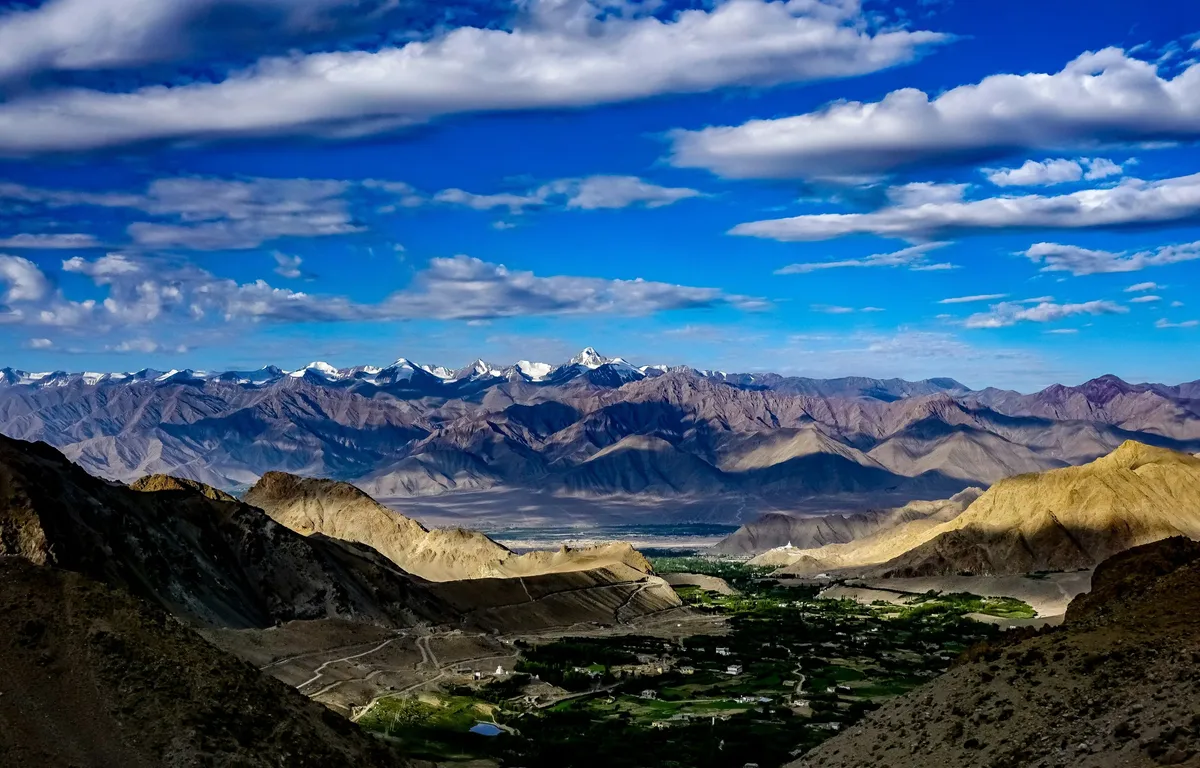
Places to Visit in Ladakh: Your First Leh Ladakh Trip Plan
Plan your dream Ladakh trip with this guide to places to visit in Ladakh, from Pangong and Nubra Valley to high-altitude prep, permits, and acclimatization tips for a smooth Leh Ladakh trip.
Read the story
Read
Destination guides
Places to Visit in Ladakh: Your First Leh Ladakh Trip Plan
Plan your dream Ladakh trip with this guide to places to visit in Ladakh, from Pangong and Nubra Valley to high-altitude prep, permits, and acclimatization tips for a smooth Leh Ladakh trip.
Read the story
-
 Read
Destination guides
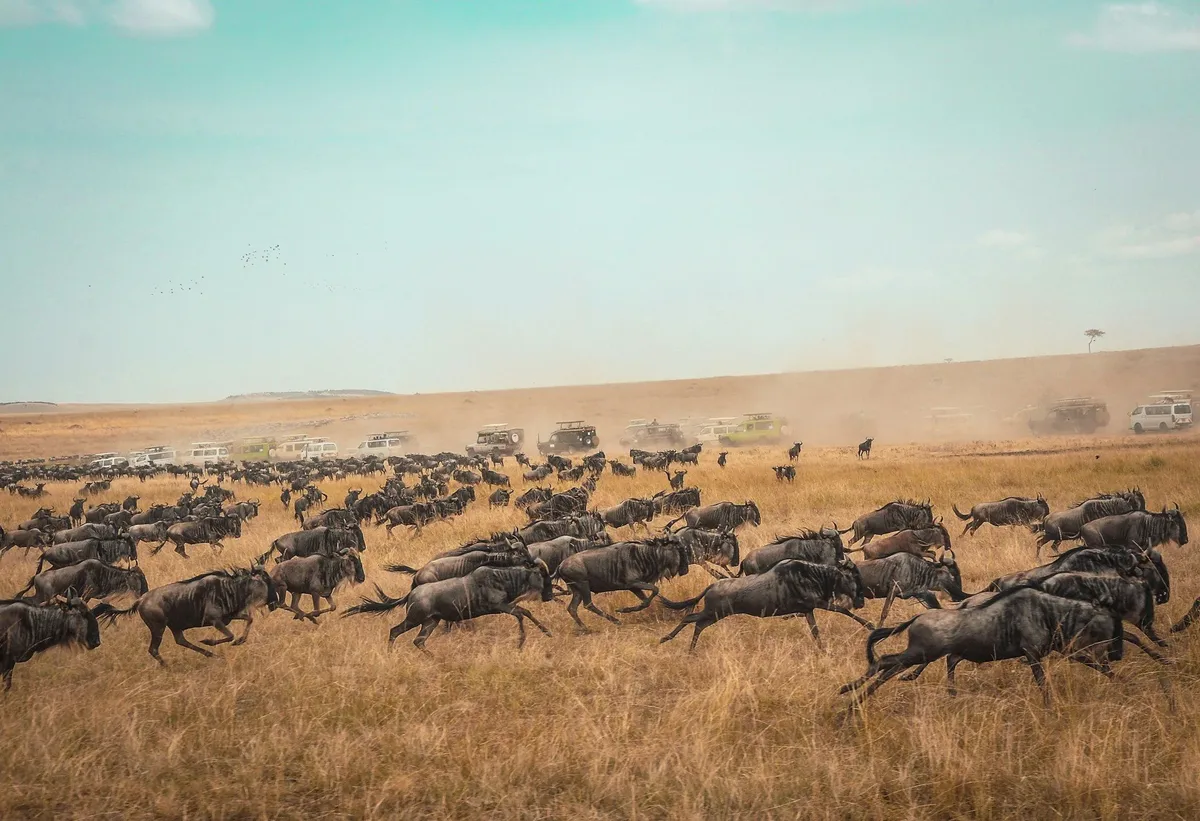
Masai Mara Safari Guide: How to Plan Your Kenya Safari
Plan your Africa safari with our Masai Mara guide! Discover when to visit, what to pack, and how to experience Kenya’s wildlife intimately.
Read the story
Read
Destination guides
Masai Mara Safari Guide: How to Plan Your Kenya Safari
Plan your Africa safari with our Masai Mara guide! Discover when to visit, what to pack, and how to experience Kenya’s wildlife intimately.
Read the story
-
 Read
Destination guides
Long Weekends in India 2027: Dates and Trip Ideas
Plan your 2027 escapes with every long weekend in India, the days of leave that stretch them, and the best trips in India and abroad for each.
Read the story
Read
Destination guides
Long Weekends in India 2027: Dates and Trip Ideas
Plan your 2027 escapes with every long weekend in India, the days of leave that stretch them, and the best trips in India and abroad for each.
Read the story
This starts with a conversation.
Tell us where you're headed — we'll take it from there.