
Japan · Destination guides
Japan Travel Guide for Indians: Visa, Flights, Stays and Getting Around
Discover Japan, where ancient temples meet neon cityscapes. Explore Tokyo’s bustling streets, Kyoto’s golden temples, Osaka’s food scene, and seasonal highlights like cherry blossoms and fiery autumn leaves.
In this story 12
- Japan Visa for Indians: What to Know Before You Fly
- How to Book Flights to Japan from India
- Best Places to Visit in Japan
- Shopping In Japan: From Luxury Labels To Local Finds
- Where To Stay: Comfort Meets Convenience
- Getting Around: Seamless & Smart Travel
- Cuisine & Food Experiences: A Hearty Journey Through The Flavors
- Best Time to Visit Japan
- Language & Currency Essentials: What You Need To Know Before You Go
- Handy Apps To Download Before You Go
- Travel Tips & Cultural Etiquette
- Questions travellers ask
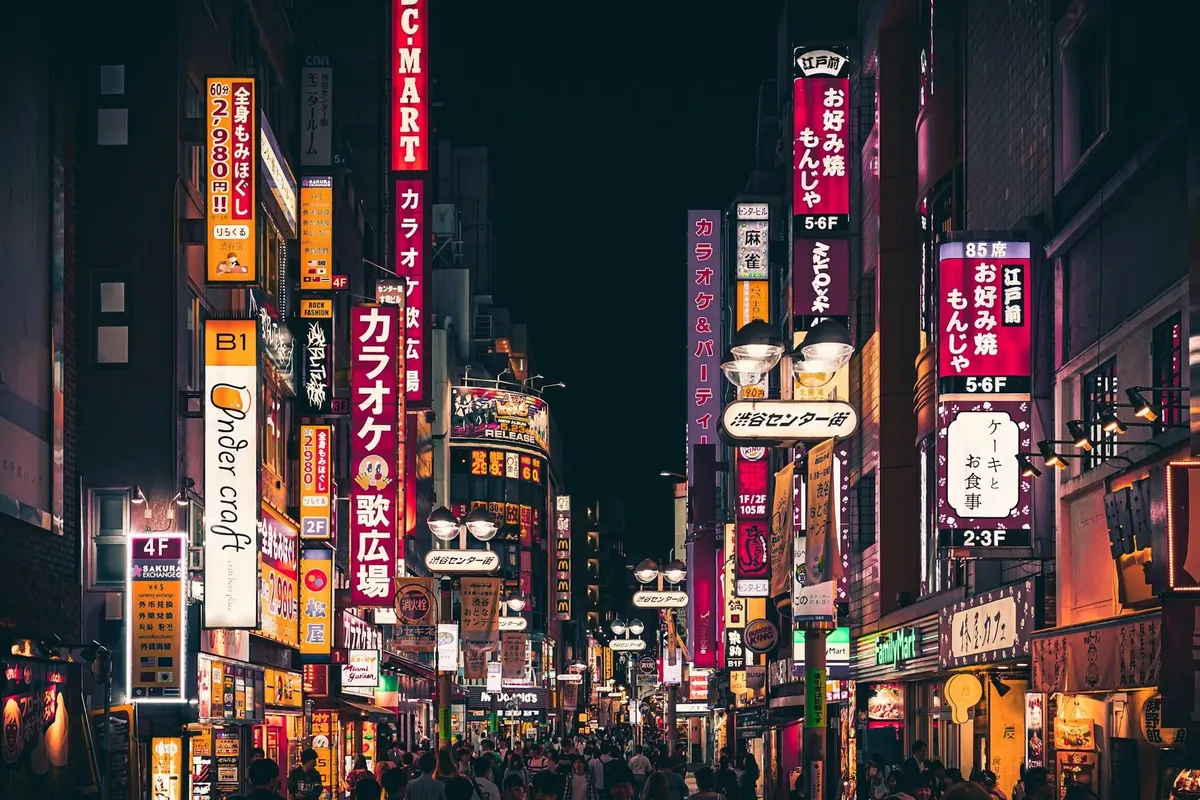
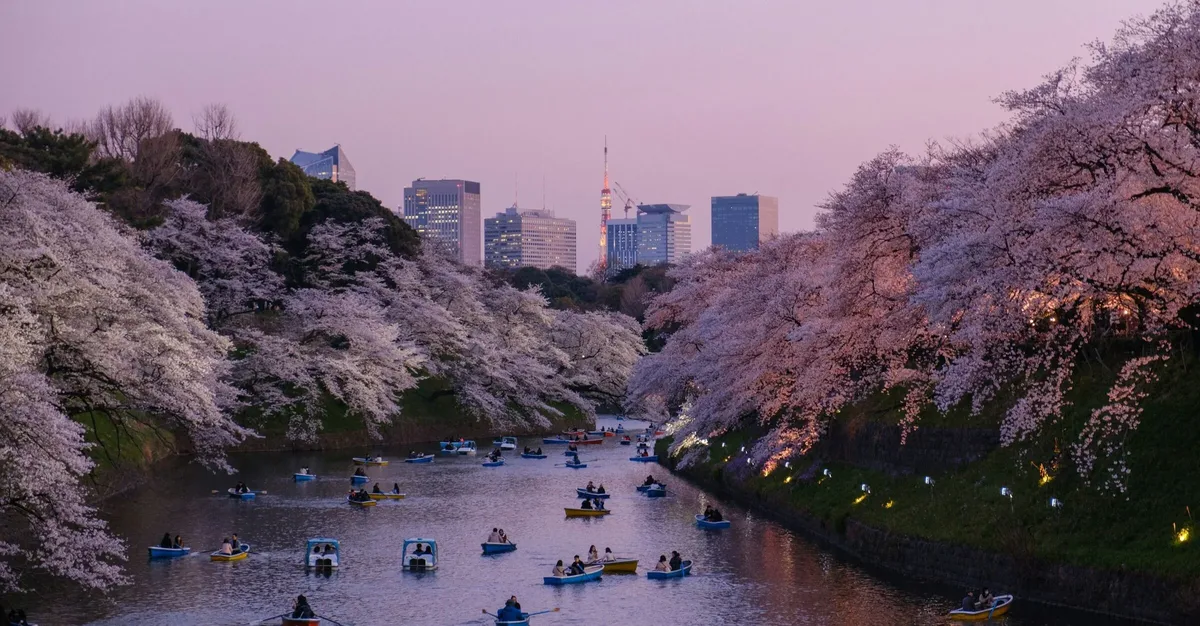
Japan isn’t just another destination on the map—it’s a whole different rhythm of life. One moment, you’re walking under a tunnel of cherry blossoms in Kyoto, the next you’re in the middle of Tokyo’s Shibuya Crossing where a thousand people move like clockwork without a single bump. This country knows how to blend contrasts—ancient shrines standing quietly beside futuristic skyscrapers, bullet trains zooming past sleepy countryside villages, old traditions living comfortably next to pop culture icons. And somehow, all of it makes sense together.
What sets Japan apart is how deeply it respects the little things. The silence in a temple garden, the exact placement of sushi on a wooden tray, the way every convenience store is spotless and fully stocked like a mini-miracle. It’s not showy, but it’s powerful. Whether you’re soaking in a mountain onsen or wandering through backstreets lined with paper lanterns and tiny izakayas, there’s a calm precision in everything that makes you slow down and notice the moment.
Then there’s the hospitality—polite, precise, and incredibly thoughtful. Even if you don’t speak a word of Japanese, someone will go out of their way to help you find the right train or recommend the best ramen spot nearby. Japan doesn’t shout to grab your attention; it quietly earns your admiration. And by the time you leave, don’t be surprised if you catch yourself bowing slightly or craving matcha with your breakfast. It’s that kind of place—it stays with you.
Japan Visa for Indians: What to Know Before You Fly
If you’re thinking of traveling to Japan, sorting out your visa is one of the first things to check off your list. The rules actually depend on where you’re from—citizens of around 70 countries (including the US, UK, most EU nations, Australia, and a good number from Asia) can visit Japan without a visa for short stays, usually up to 90 days. If you’re not from one of those countries or plan to stay longer, then a tourist visa is needed. It’s not too difficult—just some standard paperwork, a photo, proof of return flight or hotel booking, and a filled-out form you submit to the Japanese consulate or embassy near you. Some embassies can take a bit longer to process everything, so starting a couple of weeks early is smart.
Japan has dropped its strict pandemic-era travel rules, so there’s no quarantine or vaccine proof required anymore, at least for now. Still, it’s a good idea to keep up with official announcements close to your travel dates in case anything changes. Also, even though it’s not mandatory, having travel insurance is highly recommended. Japanese healthcare is excellent, but it’s not cheap if you’re paying out of pocket. Make sure your passport has a few blank pages and ideally six months of validity, even if your trip is only a couple of weeks. It’s not a hard rule, but it avoids unnecessary hassles at the airport.
One last thing—Japan now has this Visit Japan Web portal, which lets you pre-fill your immigration and customs forms online. You get a QR code at the end that makes entry way quicker when you arrive, especially at busy airports like Narita or Haneda. It’s optional but super helpful and saves a lot of time if there’s a line. Basically, get your documents in order, stay updated on rules, and your arrival should go smoothly.
How to Book Flights to Japan from India
Trying to book a flight to Japan? It might seem like a big task, but honestly, it’s not too bad once you know where to start.
First off, don’t rush. Take a bit of time to check flight prices on websites like Google Flights, Skyscanner, or Kayak. They show you multiple airlines and prices all in one place, which makes life easier. If you’re flexible with your dates or don’t mind a short layover, you can usually score a better deal.
Timing matters, too. If you're planning to go during peak seasons—like cherry blossom time in spring or the fall foliage months—try booking at least 2 to 3 months in advance. Those flights get snapped up fast, and prices only climb the longer you wait.
Before you hit that “book now” button, check what’s included in the ticket. Some airlines charge extra for bags or seat selection, and it’s better to know that upfront than get surprised at the airport. Also, look for tickets that offer free changes or cancellation, just in case your plans shift.
One more thing—make sure your passport’s valid for at least six months beyond your travel dates. Japan won’t let you in otherwise. If your nationality requires a visa, sort that out early to avoid stress later.
After booking, it’s a good idea to download the airline’s app. That way, you can check in, pick your seat, and get notified if there are any changes to your flight. Super handy.
And that’s pretty much it. A bit of research and early planning go a long way—and before you know it, you’ll be packing for your trip to Japan.
Best Places to Visit in Japan
- Tokyo: The vibrant capital offers a mix of ultra-modern districts like Shibuya and Shinjuku alongside historic spots such as Asakusa and the Meiji Shrine. It’s a perfect blend of tradition and cutting-edge culture.
- Kyoto: Famous for its traditional temples, beautiful gardens, and geisha districts like Gion. The city’s peaceful atmosphere makes it a must for anyone wanting to experience Japan’s old-world charm.
- Osaka: Known for its lively street food scene, vibrant nightlife, and landmarks like Osaka Castle. It’s a great city for food lovers and those looking for a fun, bustling urban vibe.
- Hokkaido: Japan’s northern island offers stunning landscapes, especially during winter with its famous snow festivals and ski resorts. In summer, its flower fields and national parks attract many nature lovers.
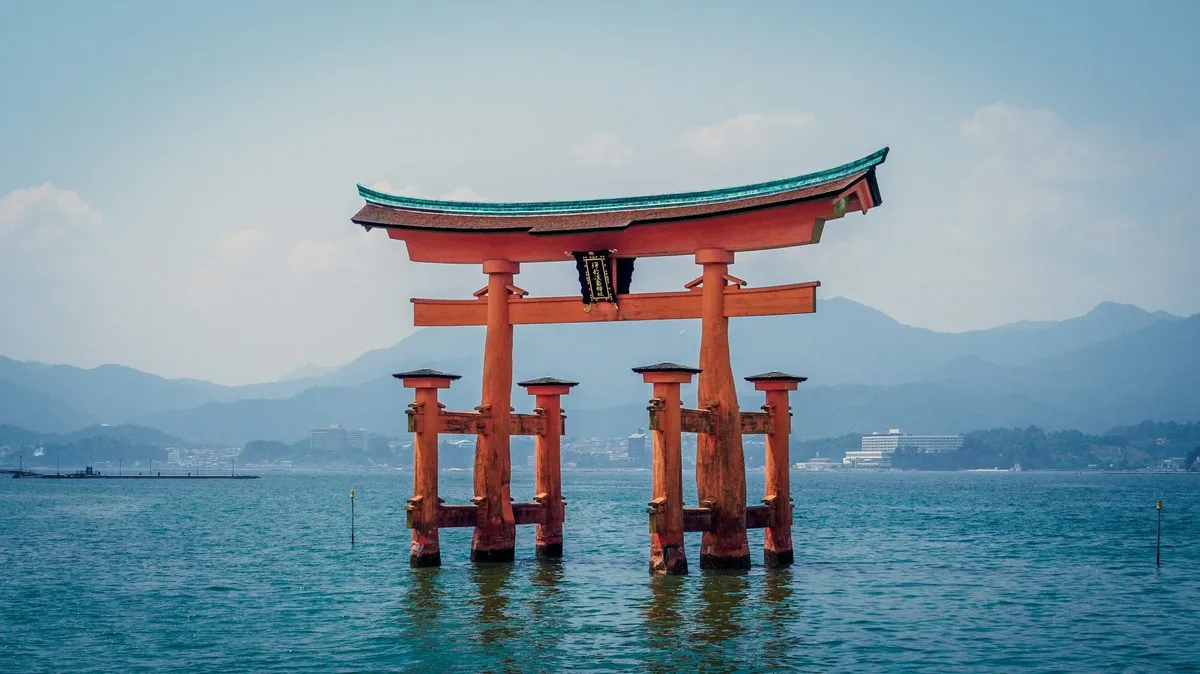
- Hiroshima: A city with a poignant history, the Peace Memorial Park and Museum are essential visits, along with the nearby beautiful island of Miyajima.
Historical & Architectural Gems That Speak Of Heritage
- Kinkaku-ji (Golden Pavilion), Kyoto: A breathtaking gold-covered Zen temple surrounded by tranquil gardens.
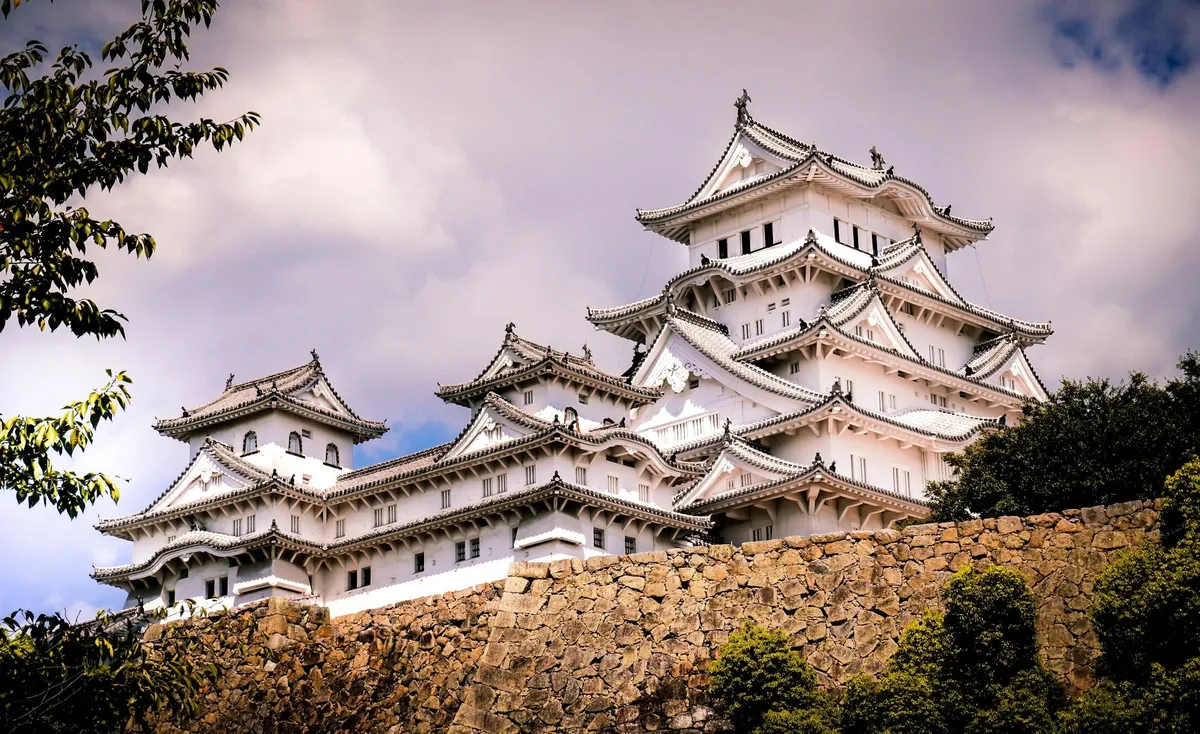
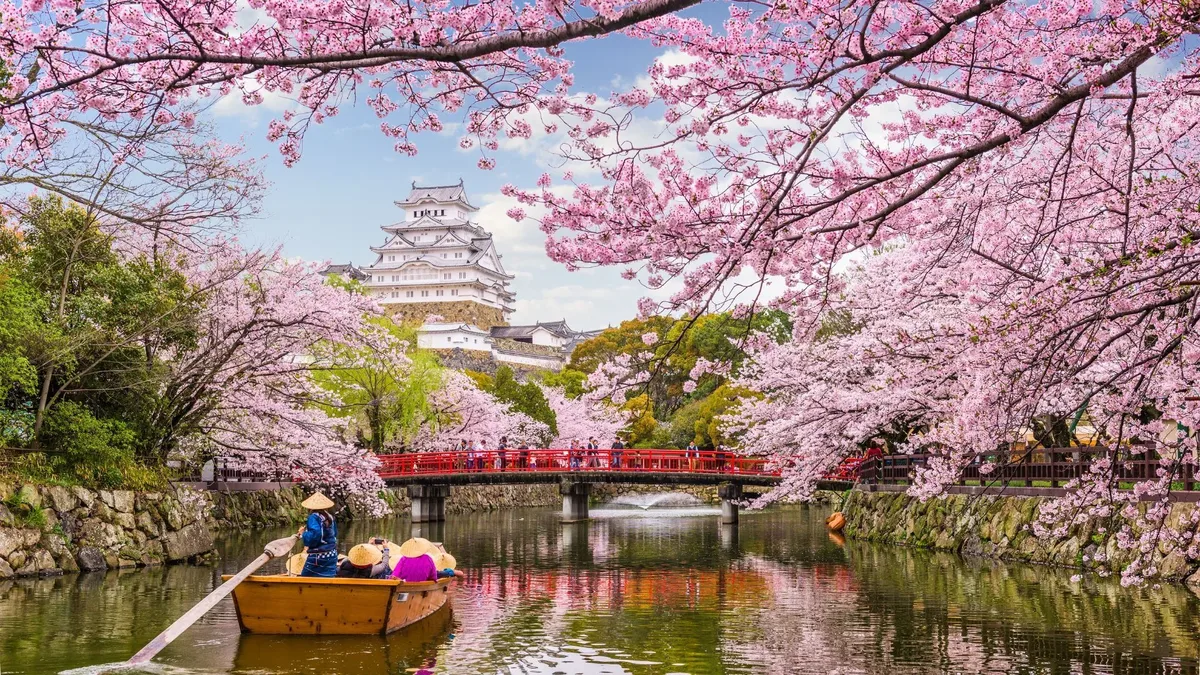
- Himeji Castle: Japan’s most spectacular and well-preserved samurai castle, known as the White Heron Castle for its elegant appearance.
- Todai-ji Temple, Nara: Home to a giant bronze Buddha statue, this temple reflects Japan’s ancient Buddhist heritage.
- Nijo Castle, Kyoto: Famous for its “nightingale floors” that chirp when walked upon, designed to warn of intruders.
Historic Villages of Shirakawa-go and Gokayama: Traditional thatched-roof houses set in scenic mountain valleys, showcasing rural Japan’s architectural history.
Natural Wonders & Scenic Escapes That’ll Take You Outside The City
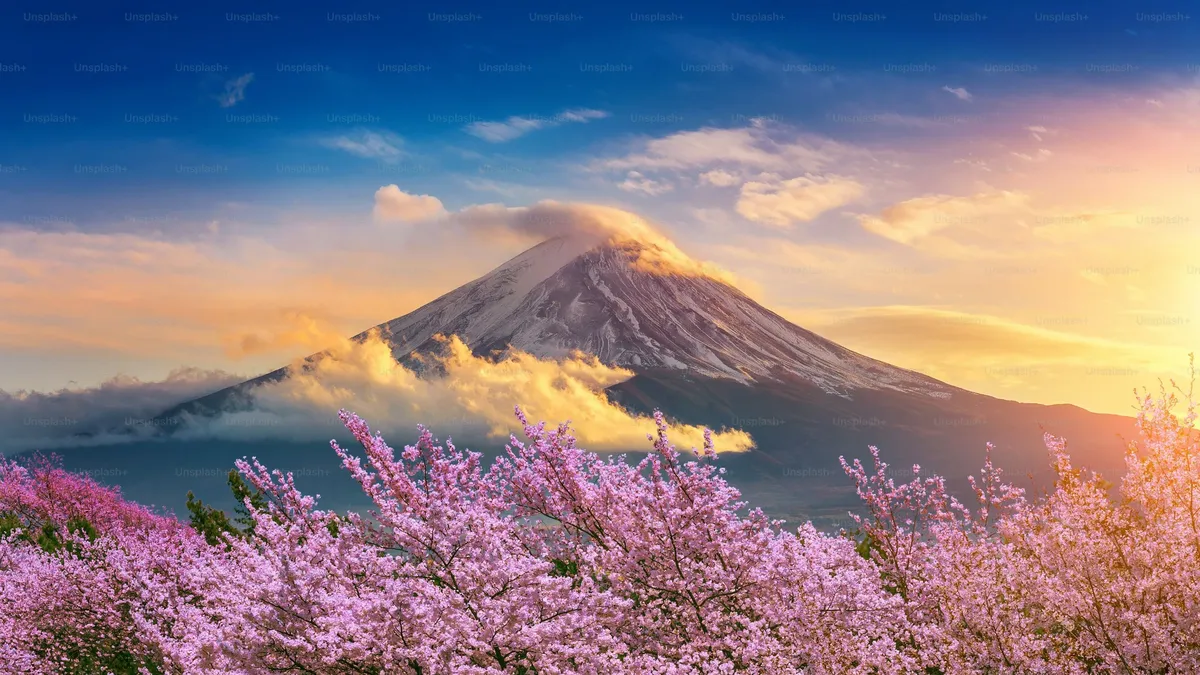
- Mount Fuji: Japan’s iconic peak, perfect for hiking in summer or enjoying views from the Fuji Five Lakes area.
- Arashiyama Bamboo Grove, Kyoto: A surreal forest of towering bamboo stalks that offer a peaceful walking experience.
- Nikko National Park: Famous for stunning waterfalls, lakes, and ornate shrines set in lush forest.
- Okinawa Islands: Tropical beaches, coral reefs, and crystal-clear waters, ideal for snorkeling and diving.
- Kamikochi Valley: A remote alpine area in the Japanese Alps, perfect for hiking and spotting wildlife.
Dive Into The Japan Art, Culture & Gallery Scene
- Roppongi Hills Mori Art Museum, Tokyo: Showcases contemporary Japanese and international art with spectacular city views.
- Naoshima Island: Known as Japan’s “Art Island,” it features outdoor sculptures, museums, and architecturally unique galleries.
- Kyoto National Museum: Houses traditional art, including ceramics, textiles, and calligraphy.
- Gion Corner, Kyoto: Offers live performances of traditional arts like tea ceremonies, bunraku puppetry, and ikebana (flower arranging).
21st Century Museum of Contemporary Art, Kanazawa: A cutting-edge museum blending modern architecture with avant-garde exhibits.
Shopping In Japan: From Luxury Labels To Local Finds
- Ginza, Tokyo: Japan’s premier luxury shopping district, home to flagship stores of top international brands like Chanel, Louis Vuitton, and Gucci, alongside high-end Japanese designers. The streets are lined with elegant boutiques and department stores such as Mitsukoshi and Wako.
- Shibuya & Harajuku: Trendy neighborhoods in Tokyo famous for youth fashion and streetwear. Harajuku’s Takeshita Street bursts with quirky boutiques, vintage shops, and unique accessories, while Shibuya offers large shopping malls like Shibuya 109 filled with the latest styles.
- Nakamise Street, Asakusa: A traditional shopping street near Senso-ji Temple selling souvenirs, crafts, and snacks. Perfect for picking up authentic Japanese souvenirs like fans, yukatas, and local sweets.
- Osaka’s Shinsaibashi & Dotonbori: Bustling areas known for vibrant shopping arcades, from high-street fashion to quirky local stores. Don’t miss the chance to try street food while browsing trendy shops.
- Kyoto’s Nishiki Market: Known as “Kyoto’s Kitchen,” this market offers fresh food, traditional crafts, and local specialties such as pickles and Kyoto sweets. It’s great for foodies and those interested in artisanal products.
- Akihabara, Tokyo: A paradise for electronics, anime, and manga fans. Stores here offer everything from the latest gadgets to rare collectibles and themed cafés.
- Local Craftsmanship: Look out for handcrafted goods such as ceramics from Mashiko, textiles from Kyoto, and lacquerware from Wajima. These make for meaningful, one-of-a-kind gifts or keepsakes.
- Tax-Free Shopping: Many stores across major cities offer tax-free shopping for tourists with a passport, making luxury goods and local crafts even more attractive to buy.
Where To Stay: Comfort Meets Convenience
- Tokyo: For those who want to be in the heart of the action, neighborhoods like Shinjuku, Shibuya, and Ginza offer countless hotels ranging from luxury to budget-friendly. Shinjuku is known for its skyscraper hotels and vibrant nightlife, while Ginza offers elegant accommodations close to upscale shopping.
- Kyoto: Staying near the Gion district provides a traditional experience with ryokans (Japanese inns) offering tatami rooms and onsen baths. For easier access to transport and city life, the Kawaramachi area has many modern hotels and guesthouses.
- Osaka: Namba and Umeda are popular places to stay with excellent transport links, shopping, and dining options nearby. From international chains to quirky boutique hotels, Osaka caters to all budgets.
- Capsule Hotels: For a uniquely Japanese experience and budget travelers, capsule hotels are a great choice, especially in big cities like Tokyo and Osaka. These offer compact, clean, and efficient sleeping pods with shared facilities.
- Ryokans & Minshukus: For a cultural stay, traditional ryokans or family-run minshukus provide authentic hospitality, including traditional meals and hot spring baths. These are perfect for exploring rural areas like Hakone or Takayama.
- Business Hotels: Practical and affordable, business hotels are widespread in urban centers and offer clean rooms with basic amenities, ideal for short stays or solo travelers.
- Airbnb & Guesthouses: For longer stays or travelers seeking a home-like environment, many guesthouses and Airbnb options are available, especially in Kyoto, Tokyo, and smaller towns.
- Convenience & Transport: Japan’s efficient public transportation means staying near a train or subway station is key. Most accommodations are well-connected, making it easy to explore both cities and countryside.
Getting Around: Seamless & Smart Travel
- Japan Rail Pass: The Japan Rail Pass is a must-have for travelers planning to visit multiple cities. It offers unlimited travel on JR trains, including the famous Shinkansen bullet trains, saving both time and money.
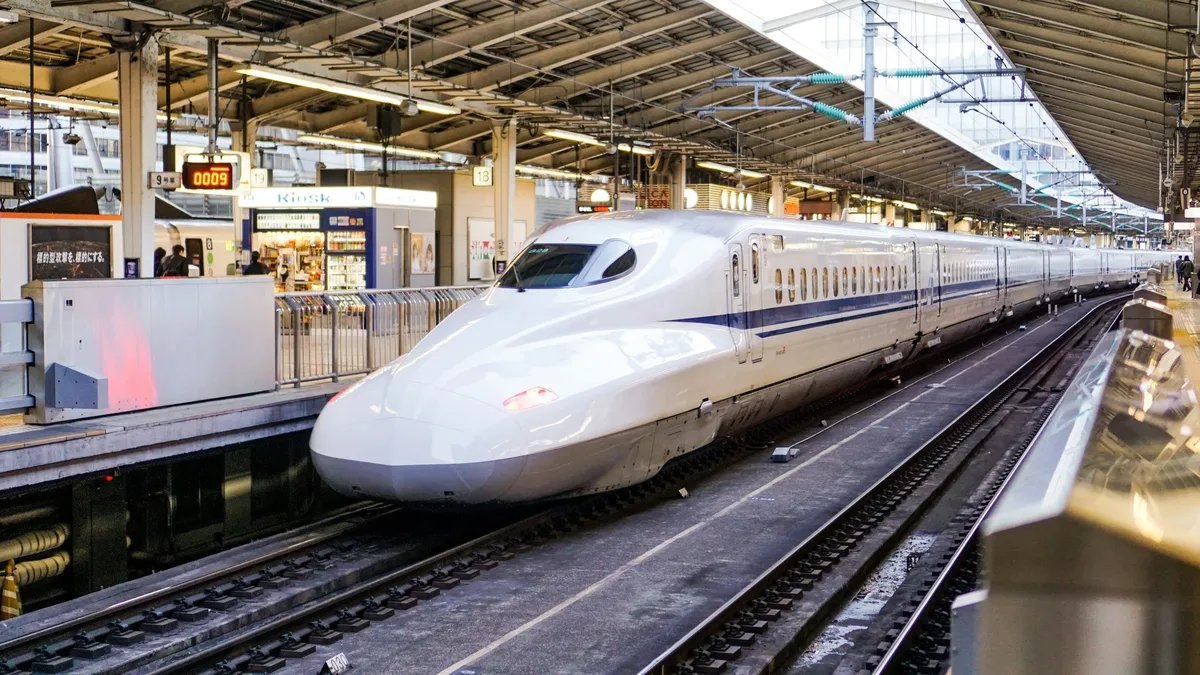
- Shinkansen (Bullet Trains): These ultra-fast trains connect major cities like Tokyo, Kyoto, Osaka, and Hiroshima, making travel comfortable and efficient with frequent departures throughout the day.
- Local Trains & Subways: Cities like Tokyo, Osaka, and Kyoto have extensive subway and train networks. Using prepaid IC cards like Suica or Pasmo simplifies travel by allowing seamless tap-and-go access on trains, buses, and even convenience stores.
- Buses: While trains dominate, buses cover areas less accessible by rail, especially in rural regions or mountainous areas such as the Japanese Alps or Hokkaido.
- Taxis: Taxis are widely available but more expensive. They are convenient for short distances or when traveling with luggage, especially in cities late at night when trains stop running.
- Bicycles: Many cities offer bike rentals or bike-sharing programs, perfect for exploring local neighborhoods at your own pace, particularly in Kyoto or smaller towns.
- Walking: Japan’s cities and towns are often pedestrian-friendly, with many attractions clustered closely, making walking an enjoyable way to explore.
- Airport Transfers: Efficient options like the Narita Express (N’EX) and limousine buses connect airports to city centers smoothly, allowing easy arrival and departure.
- Apps for Navigation: Apps like HyperDia and Google Maps are essential for planning train routes and schedules, helping travelers navigate Japan’s complex transit systems without hassle.
Cuisine & Food Experiences: A Hearty Journey Through The Flavors
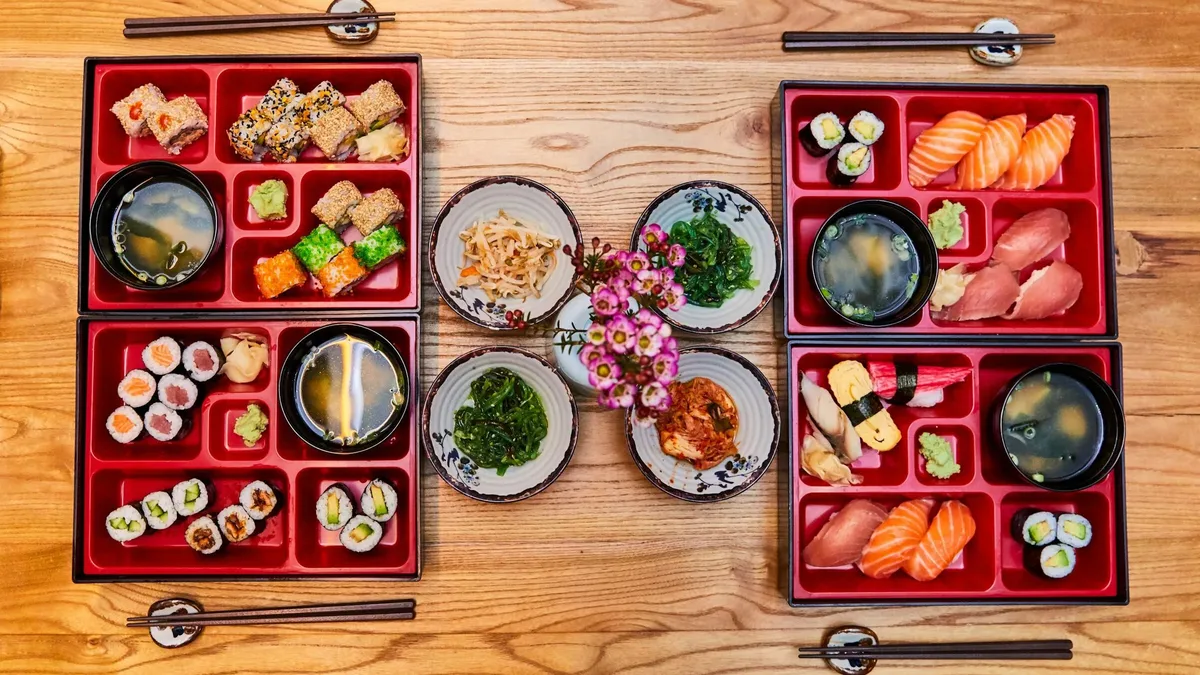
- Sushi & Sashimi: Japan’s most famous culinary exports. Fresh fish served with perfectly seasoned rice or just sliced raw, sushi and sashimi are best enjoyed at local sushi bars or markets like Tokyo’s Tsukiji or Toyosu Fish Market.
- Ramen: Every region offers its own take on ramen, from the rich pork broth of Hakata to the miso-based bowls of Sapporo. Small ramen shops offer hearty, comforting meals that are perfect after a day of sightseeing.
- Tempura: Lightly battered and fried seafood and vegetables, tempura is a delicate dish often served with dipping sauces and rice. Specialty tempura restaurants can be found throughout major cities.
- Kaiseki: This traditional multi-course meal highlights seasonal ingredients and exquisite presentation. Kaiseki dining is a refined experience found in ryokans (traditional inns) and high-end restaurants.
- Street Food & Snacks: Explore local street food like takoyaki (octopus balls) in Osaka, taiyaki (fish-shaped sweet cakes) in Tokyo, or yakitori (grilled chicken skewers) at night markets.
- Sweets & Desserts: Japan has unique sweets like mochi (sticky rice cakes), dorayaki (red bean pancakes), and matcha-flavored treats. Try wagashi, traditional confections often enjoyed with tea.
- Regional Specialties: Each region boasts its own specialties—Hiroshima’s okonomiyaki (savory pancake), Kyoto’s yuba (tofu skin), and Hokkaido’s fresh dairy and seafood.
- Tea Culture: Participate in a traditional Japanese tea ceremony or simply enjoy matcha (powdered green tea) at a local teahouse.
- Convenience Store Cuisine: Japan’s konbini (convenience stores) offer surprisingly high-quality, affordable meals and snacks perfect for on-the-go travelers.
- Dining Etiquette: Knowing simple customs—like saying “Itadakimasu” before eating and not sticking chopsticks upright in rice—enhances the food experience and shows respect for local culture.
Best Time to Visit Japan
- Spring (March to May): This is the most popular time to visit thanks to the iconic cherry blossom (sakura) season. Mild temperatures and blooming gardens create breathtaking landscapes, especially in cities like Tokyo, Kyoto, and Osaka. Early spring can still be chilly, so pack layers.
- Summer (June to August): Summer starts with the rainy season in June, which can be wet and humid. July and August bring hot weather and lively festivals such as Gion Matsuri in Kyoto. It’s a great time for hiking in the northern regions like Hokkaido where temperatures are cooler.
- Autumn (September to November): Another top season for travelers, autumn showcases vivid fall foliage across the country. The crisp air and colorful leaves make places like Nikko, Kyoto, and the Japanese Alps especially scenic. Early autumn can still be warm but becomes cooler as November approaches.
- Winter (December to February): Perfect for winter sports enthusiasts, northern Japan and the Japanese Alps offer world-class skiing and snowboarding. Cities like Sapporo host snow festivals with stunning ice sculptures. Coastal areas and southern islands have milder winters, making them ideal for quieter sightseeing.
- Golden Week (Late April to Early May): One of Japan’s busiest travel periods due to consecutive national holidays. Expect crowded trains and tourist spots, so plan accordingly or avoid this week if you prefer less hustle.
- Avoid Typhoon Season (August to October): The southern and coastal regions occasionally experience typhoons, which can disrupt travel plans. Keep an eye on weather updates if traveling during these months.
- Ideal Travel Tips: For a balanced visit, late March to early April (cherry blossom) and mid-October to early November (fall colors) offer stunning natural beauty with comfortable weather, though expect more tourists. Off-season visits provide quieter experiences and often better deals.
Plan this trip
Thinking about Japan?
We build every trip from scratch around you. Tell us your dates and we take it from there.
Start Planning WhatsApp us Read the full guide: JapanLanguage & Currency Essentials: What You Need To Know Before You Go
Language Basics
The official language is Japanese, with a complex writing system that includes Kanji (characters), Hiragana, and Katakana (syllabaries).
English is commonly understood in major cities, airports, and tourist areas but can be limited in rural regions. Learning a few basic Japanese phrases like “Arigatou” (Thank you), “Sumimasen” (Excuse me), and “Konnichiwa” (Hello) can go a long way.
Signage in public transport, hotels, and attractions often includes English translations, but having a translation app can be helpful.
Currency and Payments
The currency is the Japanese Yen (JPY), and coins and bills come in various denominations (¥1,000, ¥5,000, ¥10,000 notes are common).
Japan remains a largely cash-based society; while credit cards are accepted in many places, smaller shops, markets, and rural areas may only take cash. Always carry enough yen, especially when traveling outside big cities.
ATMs are widely available, but not all accept international cards. Convenience store ATMs (like 7-Eleven’s) and post office ATMs are your best bet for withdrawals.
Tipping Culture
Tipping is not customary in Japan and can even be considered rude. Exceptional service is included in the price, so simply expressing gratitude verbally is sufficient.
Useful Language Tools
Carry a pocket phrasebook or use smartphone apps like Google Translate or dedicated Japanese phrase apps to help with communication.
Learning polite forms of address and basic etiquette in language shows respect and often results in warmer interactions.
Currency Exchange Tips
Exchange some currency before arrival for immediate expenses but know that airport rates might be less favorable.
Currency exchange counters and banks are available in cities, and many hotels offer exchange services.
Handy Apps To Download Before You Go
Google Maps
Essential for navigating Japan’s complex public transport system, walking routes, and driving directions.
Shows real-time train schedules, transfers, and walking distances.
Hyperdia / Japan Transit Planner
Great for planning train and bus routes across Japan, including bullet trains (Shinkansen).
Helps find the fastest and cheapest routes with train times and platform info.
Google Translate
A lifesaver for overcoming language barriers with instant text, voice, and camera translation.
Can work offline if you download Japanese language packs before your trip.
Navitime for Japan Travel
An all-in-one travel app with detailed public transport guides, walking routes, and station maps.
Also offers recommendations for sightseeing spots and restaurants.
Japan Official Travel App
Created by the Japan National Tourism Organization (JNTO), providing essential info about attractions, transport, and travel tips.
Includes offline maps and emergency contact numbers.
Suica Or Pasmo App
Useful for managing prepaid IC cards used for travel on trains, buses, and even some shops.
Allows topping up balances and checking transaction history.
Yelp / Tabelog
For discovering restaurants, reviews, and ratings across Japan’s vast culinary scene.
Tabelog is more Japan-centric and often in Japanese but very useful for foodies.
Weather Apps (e.g., Weathernews, AccuWeather)
To keep track of Japan’s often changing weather, especially important during rainy seasons or winter.
Pocket WiFi or SIM Card Provider Apps
If renting pocket WiFi or using a local SIM, these apps help monitor data usage and manage connectivity.
Travel Tips & Cultural Etiquette
- Respect Personal Space: Japan values personal space and quietness, especially on public transport. Keep phone calls to a minimum and speak softly.
- Shoes Off Indoors: Always remove your shoes when entering homes, traditional inns (ryokan), temples, and some restaurants. Look for shoe racks or slippers.
- Politeness Matters: Bowing is the common greeting and shows respect. Avoid loud or aggressive behavior, and be patient in queues.
- Handling Money: When paying, place cash or card on the small tray provided instead of handing it directly to the cashier.
- Use Both Hands: When giving or receiving items, including money or gifts, use both hands as a sign of respect.
- No Tipping: Tipping is not customary and can be considered rude. Good service is expected without extra payment.
- Eating Etiquette: Don’t stick chopsticks upright in rice or pass food from chopstick to chopstick; both resemble funeral customs. Try to finish your plate as a sign of appreciation.
- Trash Disposal: Public trash bins are rare, so carry a small bag for your garbage and separate recyclables when possible.
- Be Punctual: Trains, buses, and appointments run strictly on time. Arrive early to avoid causing inconvenience.
- Quiet Zones & Silence: Respect ‘quiet cars’ on trains where talking and phone use is discouraged.
Japan is a destination that beautifully balances the old and the new, offering travelers a chance to experience rich traditions alongside vibrant modern life. From tranquil temples and lush gardens to neon-lit cityscapes and futuristic technology, every corner of the country holds something special. Visitors who take the time to appreciate the culture, food, and people will find their journey deeply rewarding and memorable.
Traveling to Japan also means embracing the local customs and etiquette, which adds to the authenticity of the experience. Being respectful and open-minded not only makes the trip smoother but also opens doors to meaningful interactions and discoveries. Ultimately, Japan invites all who visit to explore its wonders at their own pace, leaving with stories that stay long after the journey ends.
Questions travellers ask
Do Indians need a visa for Japan?
Yes. Indian passport holders need a tourist visa before travelling. Apply through the Japanese embassy's visa centres or the Japan eVISA where it is available, and check the current rules before booking.
What is the best time to visit Japan from India?
Late March to early April for cherry blossoms, and October to November for autumn colours. Both are busy, so book early.
Is the Japan Rail Pass worth it?
Yes, if you are visiting several cities. It covers unlimited JR trains, including most bullet trains, for a set number of days.
Is it rude to tip in Japan?
Tipping is not customary and can cause confusion. Good service is included in the price; a sincere thank you is enough.
Know someone who should read this?
Send on WhatsAppKeep reading
All stories-
 Read
Destination guides
Best Places to Visit in India in August and September 2027
Monsoon green and post-monsoon calm: where to go in India in August and September 2027, from Ladakh and Spiti to Meghalaya, Ziro, Hampi and the Andamans.
Read the story
Read
Destination guides
Best Places to Visit in India in August and September 2027
Monsoon green and post-monsoon calm: where to go in India in August and September 2027, from Ladakh and Spiti to Meghalaya, Ziro, Hampi and the Andamans.
Read the story
-
 Read
Destination guides
Best Places to Visit in India in July 2027
Valley of Flowers, the Hemis festival on 13 and 14 July, Rath Yatra on 5 July and the monsoon Ghats: the best places to visit in India in July 2027.
Read the story
Read
Destination guides
Best Places to Visit in India in July 2027
Valley of Flowers, the Hemis festival on 13 and 14 July, Rath Yatra on 5 July and the monsoon Ghats: the best places to visit in India in July 2027.
Read the story
-
 Read
Destination guides
Best Places to Visit in India in June 2027
Himachal, Ladakh, Kashmir, the Western Ghats and the Northeast: where to go in India in June 2027, and what the monsoon means for each place.
Read the story
Read
Destination guides
Best Places to Visit in India in June 2027
Himachal, Ladakh, Kashmir, the Western Ghats and the Northeast: where to go in India in June 2027, and what the monsoon means for each place.
Read the story
-
 Read
Destination guides
Best Places to Visit in India in May 2027
Escape the May heat: the hill stations, Himalayan valleys, Northeast getaways and islands that are at their best in May 2027, and the places to skip.
Read the story
Read
Destination guides
Best Places to Visit in India in May 2027
Escape the May heat: the hill stations, Himalayan valleys, Northeast getaways and islands that are at their best in May 2027, and the places to skip.
Read the story
-
 Read
Destination guides
Best International Trips from India from March to May 2027
Beat the summer crowds: where to travel abroad from India in March, April and May 2027, from Japan's cherry blossoms and Songkran to Europe in spring, with visa tips.
Read the story
Read
Destination guides
Best International Trips from India from March to May 2027
Beat the summer crowds: where to travel abroad from India in March, April and May 2027, from Japan's cherry blossoms and Songkran to Europe in spring, with visa tips.
Read the story
-
 Read
Destination guides
How to Travel Without Feeling Rushed: Slow Travel Tips
A practical guide to traveling at a comfortable pace without losing the joy of exploration.
Read the story
Read
Destination guides
How to Travel Without Feeling Rushed: Slow Travel Tips
A practical guide to traveling at a comfortable pace without losing the joy of exploration.
Read the story
-
 Read
Destination guides
How to Plan a Trip Like a Pro: From Research to Packing
Plan better trips with clarity, balance, and flexibility.
Read the story
Read
Destination guides
How to Plan a Trip Like a Pro: From Research to Packing
Plan better trips with clarity, balance, and flexibility.
Read the story
-
 Read
Destination guides
China Travel Guide for Indians: Flights, Days and Must-Visit Places
Plan your dream trip to China with our ultimate travel guide, offering essential tips, stunning destinations, and cultural insights for every traveler.
Read the story
Read
Destination guides
China Travel Guide for Indians: Flights, Days and Must-Visit Places
Plan your dream trip to China with our ultimate travel guide, offering essential tips, stunning destinations, and cultural insights for every traveler.
Read the story
-
 Read
United Arab Emirates · Destination guides
Dubai in Summer: Is It Worth It, and What to Do
Experience the best of summer in Dubai with our comprehensive guide. Uncover exciting activities, dining options, and essential tips for a memorable trip.
Read the story
Read
United Arab Emirates · Destination guides
Dubai in Summer: Is It Worth It, and What to Do
Experience the best of summer in Dubai with our comprehensive guide. Uncover exciting activities, dining options, and essential tips for a memorable trip.
Read the story
This starts with a conversation.
Tell us where you're headed — we'll take it from there.