
Destination guides
Kaho, Arunachal Pradesh: Visiting India's First Village
Venture to Kaho, India's first village in Arunachal Pradesh, and unlock a world of cultural wonders, natural beauty, and authentic experiences. Prepare for an unforgettable journey into the heart of this hidden gem.
In this story 5
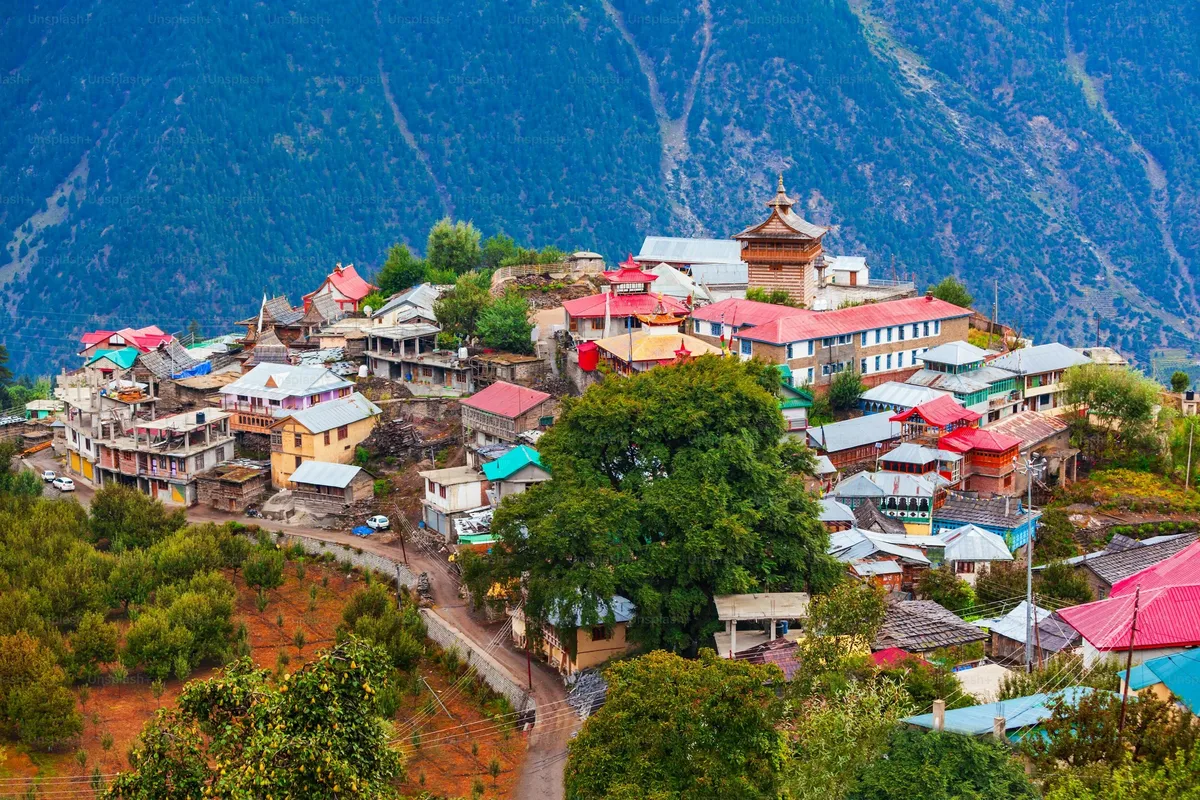
Located in the magnificent Eastern Himalayas of Arunachal Pradesh, Kaho and Kibithu are recognized as India's easternmost villages, where untouched natural splendor meets a rich cultural tapestry. Found along the Indo-China border in the Anjaw district, these villages provide a tranquil escape from the fast pace of city living. For wanderers seeking an off-the-beaten-path Arunachal Pradesh trip, these villages promise breathtaking landscapes, cultural immersion, and serene Himalayan vibes.
Kaho and Kibithu are far from ordinary; they offer an entry point into the vibrant and diverse culture of the Mishmi tribe, renowned for their elaborate textiles, time-honored traditions, and friendly hospitality. Located in the breathtaking Mishmi Hills, these villages are surrounded by thick forests, majestic peaks, and the flowing Lohit River, which adds a dramatic touch to the already stunning landscapes. A trip to these remote areas grants a unique perspective on the lifestyle and customs of one of India's indigenous tribes, making for a culturally rewarding adventure.
How To Reach Kaho?
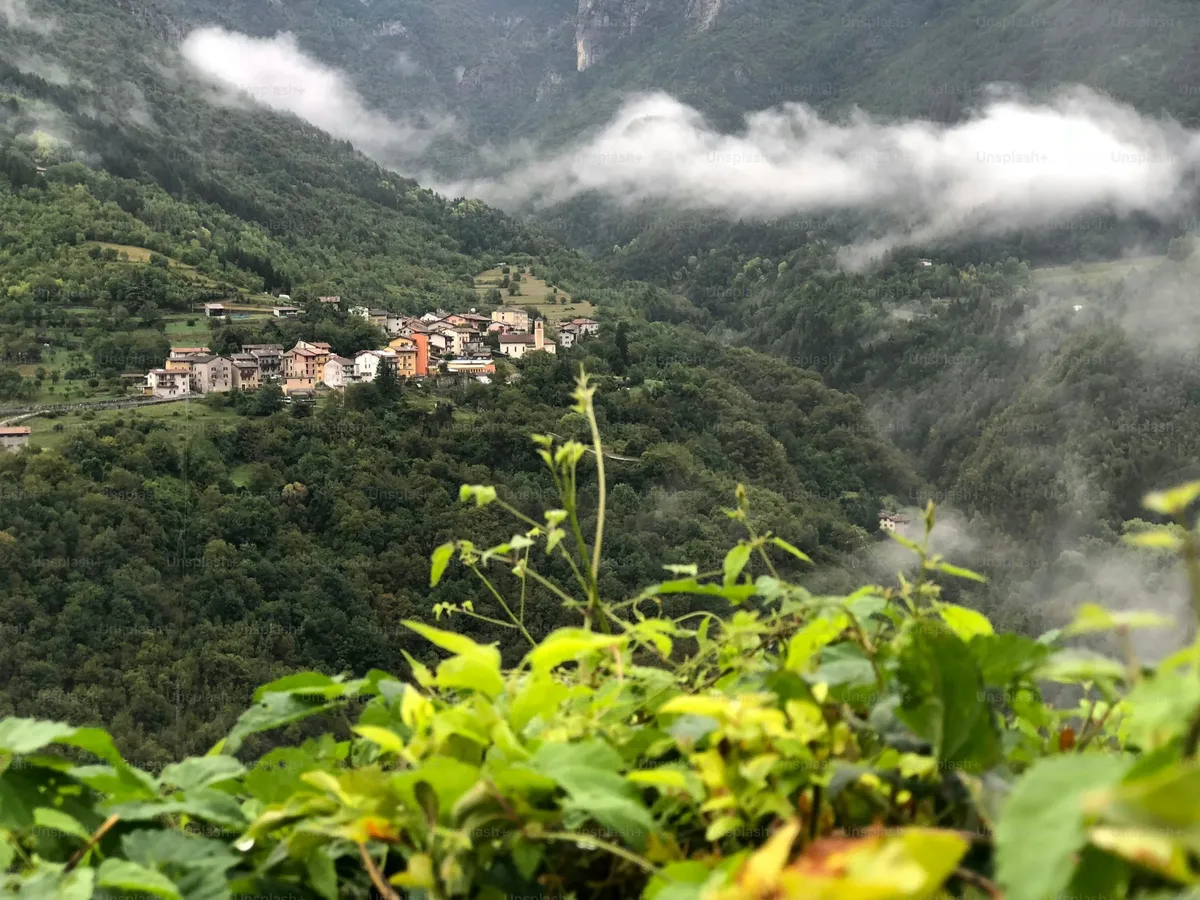
Traveling to these offbeat villages is an adventure itself, as you traverse through winding mountain roads that offer breathtaking views. Dibrugarh Airport in Assam is the nearest major airport, with regular flights from Delhi, Kolkata and Guwahati; Tezu has a small airport with limited flights. The nearest railway stations are Tinsukia and Dibrugarh. From there it is a long drive, usually spread over two days.
The road runs through Tezu, Hayuliang and Walong, and it's wise to hire a cab or rent a 4×4 to brave through the challenging roads. Having a local driver who knows the rugged mountain paths is essential, especially during the monsoon season when landslides are a risk.
Plan this trip
Want a trip like this?
We build every trip from scratch around you. Tell us your dates and we take it from there.
Start Planning WhatsApp usBest Time To Visit
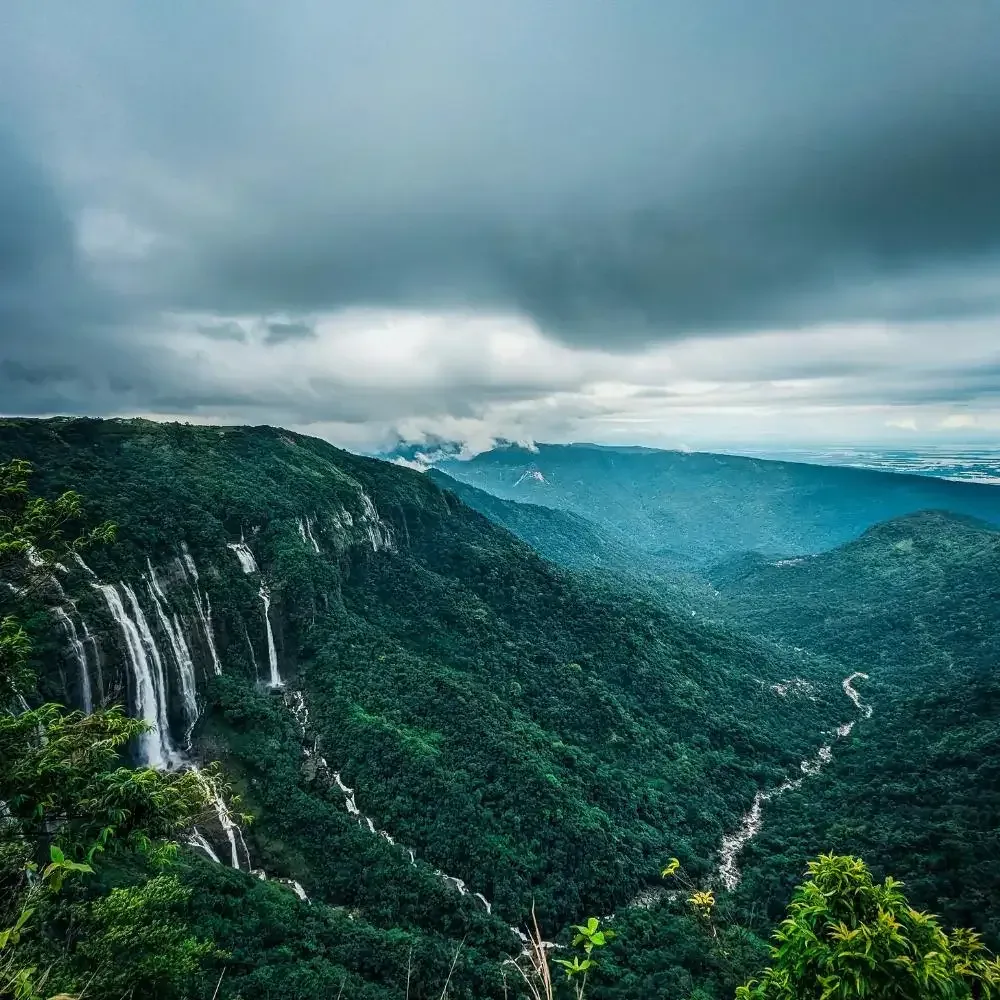
The best times to visit Kaho and Kibithu are in spring and autumn, when the scenery is vibrant and the weather is just right for adventures. From March to May, the fields burst with wildflowers, creating a stunning backdrop for all sorts of outdoor fun. The post-monsoon months, from September to November, are ideal for trekking, thanks to the clear skies and the waterfalls at their peak. Just steer clear of the monsoon season from June to August, as landslides can be a concern. Visiting Kaho and Kibithu lets you soak in the breathtaking beauty of the Himalayas, with its clear rivers, lush forests, and sweeping mountain views.
The Mishmi tribes bring a unique cultural vibe to your visit, showcasing their traditional wooden houses, handcrafted textiles, and lively festivals. Being near the India-China border also highlights the region's strategic significance, which is evident from the visible military presence. It's important for visitors to adhere to local security guidelines because of the sensitive nature of the border.
Activities And Accommodations
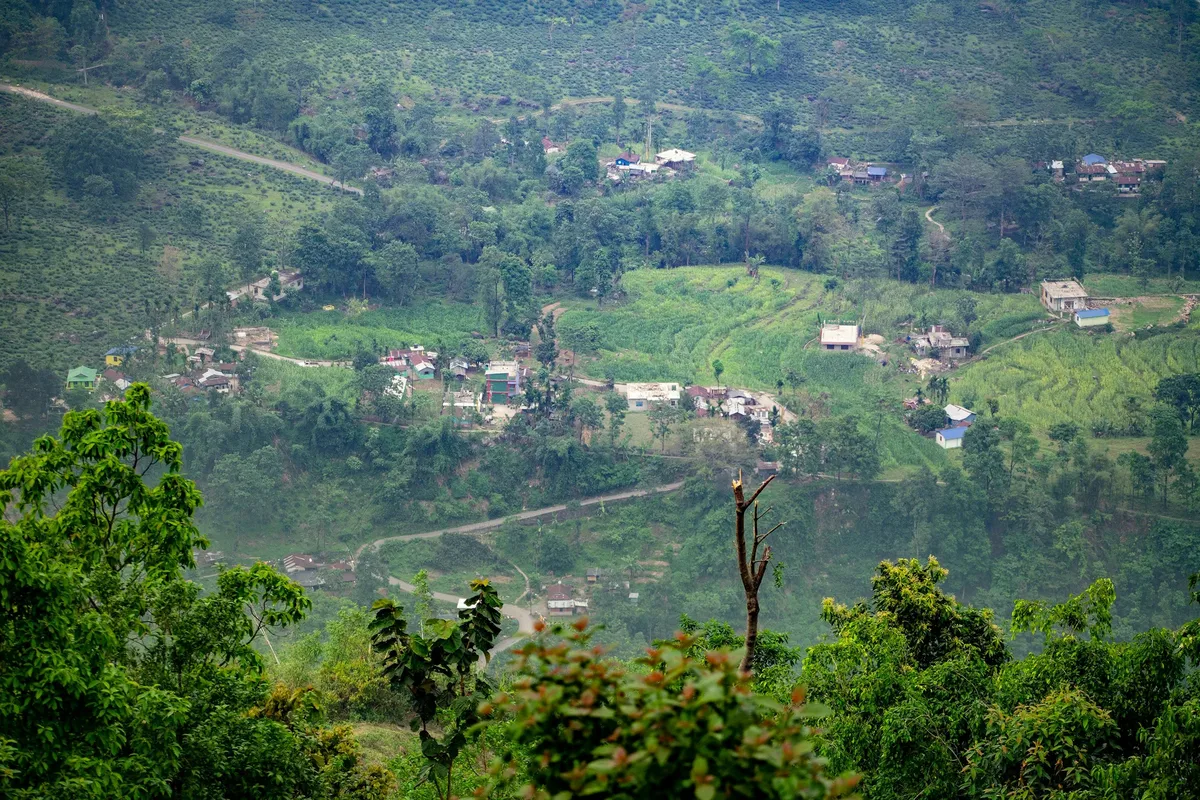
If you're a nature lover or an adventure junkie, the rugged landscapes around Kaho and Kibithu have a variety of trekking paths, from easy strolls to tough hikes, all showcasing stunning valley views. The nearby Lohit River is perfect for river rafting (with prior approval) and fishing, plus there are serene spots ideal for some quiet time in nature. The untouched beauty of the area makes it a fantastic place for photography and birdwatching, where you might even spot some rare bird species and picturesque scenery.
When it comes to accommodation in Kaho and Kibithu, options are pretty limited because of its remote location. However, nearby towns like Walong and Hawai have basic guesthouses and homestays that offer a taste of local life. Staying with a Mishmi family in a homestay lets you dive into the local culture, savor traditional dishes, and really understand their lifestyle. It's a good idea to book your stay ahead of time since accommodations can fill up quickly.
The Important Bits
To explore Kaho and Kibithu, non-residents of Arunachal Pradesh need to secure an Inner Line Permit (ILP). You can apply for this permit online or visit specific locations in person. Since these villages are quite isolated, it's wise to carry enough cash and gather necessary supplies ahead of time. Additionally, be respectful of local customs, such as asking for permission before snapping photos of locals or their homes, and be prepared for limited internet and phone connectivity.
Visiting Kaho and Kibithu on an Arunachal Pradesh trip is more than a journey—it’s a soulful exploration of nature, culture, and solitude at India’s easternmost frontier. Trek through misty mountains, raft crystal-clear rivers, and experience Mishmi traditions in their purest form. For explorers seeking a meaningful and remote Arunachal Pradesh tour, this path offers untouched landscapes and lifelong memories.
Questions travellers ask
Do I need a permit to visit Kaho?
Yes. Indians who are not residents of Arunachal Pradesh need an Inner Line Permit, applied for online on the state's ILP website. Carry several copies and ID, as there are checkposts on the way.
How do I reach Kaho?
Fly to Dibrugarh in Assam, then drive via Tezu, Hayuliang and Walong, usually over two days. Tezu has a small airport with limited flights. Hire a local driver with a sturdy vehicle.
Where do I stay near Kaho?
In simple guesthouses and homestays in Walong, about an hour away, or in Hayuliang on the way. Book ahead; rooms are few.
What is the best time to visit Kaho?
March to May and October to November. Avoid the monsoon, June to September, when landslides often block the road.
Know someone who should read this?
Send on WhatsAppKeep reading
All stories-
 Read
Destination guides
Best Places to Visit in India in August and September 2027
Monsoon green and post-monsoon calm: where to go in India in August and September 2027, from Ladakh and Spiti to Meghalaya, Ziro, Hampi and the Andamans.
Read the story
Read
Destination guides
Best Places to Visit in India in August and September 2027
Monsoon green and post-monsoon calm: where to go in India in August and September 2027, from Ladakh and Spiti to Meghalaya, Ziro, Hampi and the Andamans.
Read the story
-
 Read
Destination guides
Best Places to Visit in India in July 2027
Valley of Flowers, the Hemis festival on 13 and 14 July, Rath Yatra on 5 July and the monsoon Ghats: the best places to visit in India in July 2027.
Read the story
Read
Destination guides
Best Places to Visit in India in July 2027
Valley of Flowers, the Hemis festival on 13 and 14 July, Rath Yatra on 5 July and the monsoon Ghats: the best places to visit in India in July 2027.
Read the story
-
 Read
Destination guides
Best Places to Visit in India in June 2027
Himachal, Ladakh, Kashmir, the Western Ghats and the Northeast: where to go in India in June 2027, and what the monsoon means for each place.
Read the story
Read
Destination guides
Best Places to Visit in India in June 2027
Himachal, Ladakh, Kashmir, the Western Ghats and the Northeast: where to go in India in June 2027, and what the monsoon means for each place.
Read the story
-
 Read
Destination guides
Best Places to Visit in India in May 2027
Escape the May heat: the hill stations, Himalayan valleys, Northeast getaways and islands that are at their best in May 2027, and the places to skip.
Read the story
Read
Destination guides
Best Places to Visit in India in May 2027
Escape the May heat: the hill stations, Himalayan valleys, Northeast getaways and islands that are at their best in May 2027, and the places to skip.
Read the story
-
 Read
Destination guides
Best International Trips from India from March to May 2027
Beat the summer crowds: where to travel abroad from India in March, April and May 2027, from Japan's cherry blossoms and Songkran to Europe in spring, with visa tips.
Read the story
Read
Destination guides
Best International Trips from India from March to May 2027
Beat the summer crowds: where to travel abroad from India in March, April and May 2027, from Japan's cherry blossoms and Songkran to Europe in spring, with visa tips.
Read the story
-
 Read
Destination guides
How to Travel Without Feeling Rushed: Slow Travel Tips
A practical guide to traveling at a comfortable pace without losing the joy of exploration.
Read the story
Read
Destination guides
How to Travel Without Feeling Rushed: Slow Travel Tips
A practical guide to traveling at a comfortable pace without losing the joy of exploration.
Read the story
-
 Read
Destination guides
How to Plan a Trip Like a Pro: From Research to Packing
Plan better trips with clarity, balance, and flexibility.
Read the story
Read
Destination guides
How to Plan a Trip Like a Pro: From Research to Packing
Plan better trips with clarity, balance, and flexibility.
Read the story
-
 Read
Destination guides
China Travel Guide for Indians: Flights, Days and Must-Visit Places
Plan your dream trip to China with our ultimate travel guide, offering essential tips, stunning destinations, and cultural insights for every traveler.
Read the story
Read
Destination guides
China Travel Guide for Indians: Flights, Days and Must-Visit Places
Plan your dream trip to China with our ultimate travel guide, offering essential tips, stunning destinations, and cultural insights for every traveler.
Read the story
-
 Read
United Arab Emirates · Destination guides
Dubai in Summer: Is It Worth It, and What to Do
Experience the best of summer in Dubai with our comprehensive guide. Uncover exciting activities, dining options, and essential tips for a memorable trip.
Read the story
Read
United Arab Emirates · Destination guides
Dubai in Summer: Is It Worth It, and What to Do
Experience the best of summer in Dubai with our comprehensive guide. Uncover exciting activities, dining options, and essential tips for a memorable trip.
Read the story
This starts with a conversation.
Tell us where you're headed — we'll take it from there.