
Destination guides
Kinnaur, Himachal: Why It Should Be Your Next Mountain Trip
Explore Kinnaur on your next Himachal trip. From Kalpa to Chitkul, discover slow travel, local food, and culture through this detailed Himachal trip plan.
In this story 7
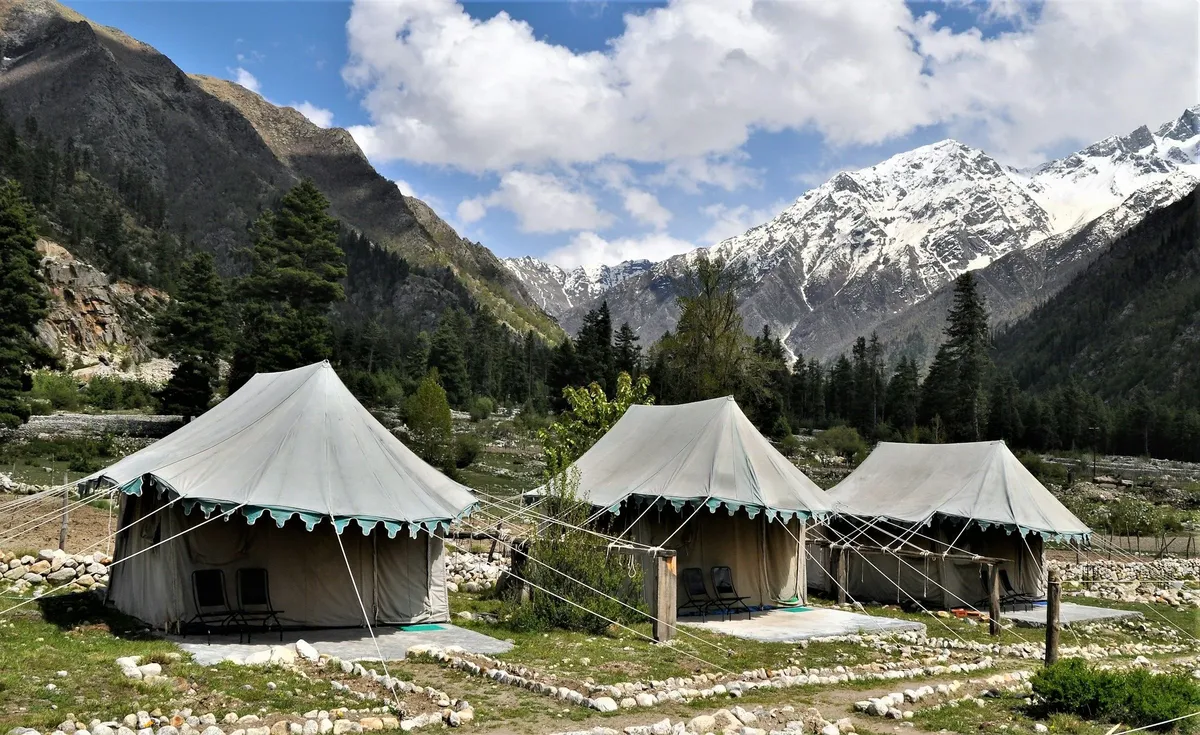
When most people plan a Himachal trip, they picture Manali or Shimla. Maybe a few seasoned travelers bring up Spiti or Kasol. But there’s a quiet region, tucked deep in the folds of the mountains, that doesn’t make it to many itineraries—Kinnaur. It’s not just because of its location, but perhaps because the region doesn’t try too hard to attract you. That’s its charm. Kinnaur is the kind of place that reveals itself slowly, without fanfare, and rewards you for your patience with moments that feel untouched and genuine. And if you're someone looking for a deeper connection with nature and culture, this is where your next Himachal trip plan should take you.
Getting to Kinnaur: A Journey Worth the Drive
Located in the far eastern part of Himachal, bordering Tibet, Kinnaur is a land where cultures blend, rivers roar, and mountains stand still like silent guardians. The pace of life here is different—slower, more connected. And the air, well, it carries stories you don’t hear in noisy cities.
Getting there isn’t the easiest. From Shimla, the drive takes a solid 9 to 10 hours, and while the roads can get rough, the views make up for it. Pine forests, deep gorges, terraced farms, and sleepy villages dot the way. Don’t expect a smooth expressway—this route is raw, dramatic, and occasionally nerve-wracking. But once you cross into Kinnaur, it all starts to make sense.
Where To Begin
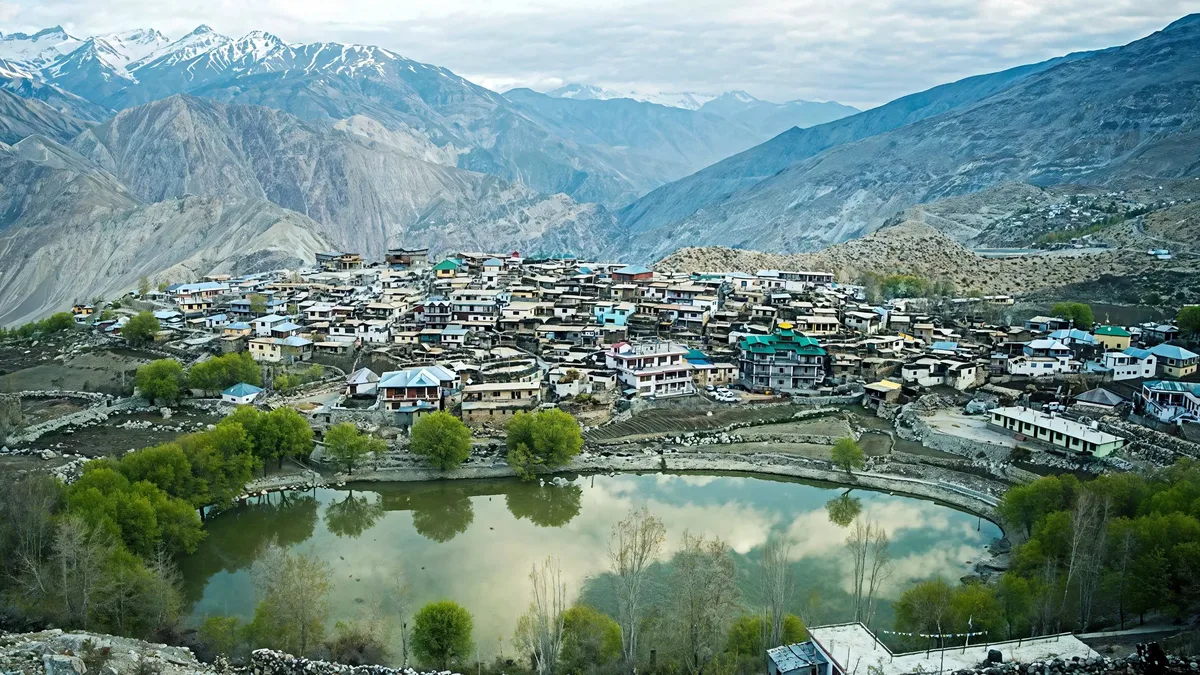
There are a few key places to explore in the district, and Kalpa is usually the first stop. Perched above the district headquarters of Reckong Peo, Kalpa is known for its jaw-dropping view of the Kinner Kailash range. On a clear day, you’ll see snow-covered peaks shimmering in the sunlight, especially at dawn when everything turns golden.
A bit further out is Sangla Valley, which is ridiculously beautiful in that effortless way only Himalayan valleys can be. The Baspa River flows through it, and villages like Rakcham and Chitkul lie along its banks. Chitkul is often called the last inhabited village before the Indo-Tibetan border, and it lives up to its title. With wooden homes, fields that sway in the breeze, and that wild river running beside it, Chitkul feels almost dreamlike.
More Than Just Landscapes
Kinnaur isn’t just about pretty landscapes. What makes it one of the most soulful parts of any Himachal trip is how connected everything feels. It offers stillness. Not the silent kind that makes you uneasy, but the kind that calms something inside you. You wake up to birds instead of traffic. People greet you without selling something. There are no neon signs or clubs, just local markets, temples, and cozy wooden homes.
Culture Here Is Everything
The people of Kinnaur, often referred to as Kinnauris, have a rich blend of Hindu and Buddhist traditions. You’ll see temples and monasteries coexisting, often with similar designs. Locals wear traditional woolen clothing, and their festivals are colorful and rooted in centuries of folklore.
One thing you’ll notice quickly is how close-knit the communities are. Everyone knows everyone. And if you walk into a village, chances are you’ll be offered tea without asking. Not in a commercial way, just a warm, genuine gesture.
Plan this trip
Want a trip like this?
We build every trip from scratch around you. Tell us your dates and we take it from there.
Start Planning WhatsApp usFood To Warm The Soul
Meals here are simple but hearty. Siddu, a steamed bread filled with mashed lentils or nuts, is a must-try. It’s usually served with ghee and a spicy chutney. Apart from that, you’ll find warm rajma chawal, roti with sabzi, and during colder months, thukpa and momos make their way to the table too. Don’t expect fancy restaurants. In most places, you’re eating in homestays or local dhabas. And that’s honestly where the best food is.
When’s The Best Time To Go?
April to June is great if you want to catch the apple blossoms and clear skies.
September to early November is also ideal—the air is crisp, and the landscape glows with autumn colors. Monsoon isn’t the safest time; landslides can block roads.
Winter Only if you enjoy isolation and have the gear for snow. Some routes get cut off entirely during peak winter months.
Things To Know Before You Go
First, don’t expect perfect mobile signals. In fact, expect no network in many villages. Carry cash—ATMs are few and often not working. Pack warm clothes, no matter the season. The weather can change without warning, especially at higher altitudes.
If you’re planning to drive, make sure your vehicle is in good condition and you’re confident behind the wheel. The roads are narrow and unforgiving in places, but the rewards are worth it.
What Makes Kinnaur So Special?
It’s the kind of place that doesn’t shout for your attention. Instead, it quietly works its way into your heart. A lot of travelers say they came for a weekend and stayed for a week. There’s something about the rhythm of life here that slows you down, helps you breathe differently, notice things you might’ve missed before.
And if you're someone who’s tired of crowds, curated cafés, and back-to-back selfies, Kinnaur brings travel back to what it was meant to be—human, humble, and heart-led.
You don’t go to Kinnaur to tick off places. You go to feel something again. Maybe it’s the cold air on your face in the morning, the warm food after a long hike, or just the kindness of a stranger sharing stories over tea. Whatever it is, it stays with you long after you leave.
This is not a “do-it-all” place. You don’t tick off sights in Kinnaur—you absorb them. A well-crafted Himachal trip plan should include at least 4–6 days here to really settle into its rhythm.
Looking to customize your journey? Let us craft a tailor-made Himachal trip plan just for you, from villages to valleys.
Questions travellers ask
How do I reach Kinnaur?
Drive from Shimla along the Hindustan–Tibet road to Reckong Peo and Kalpa (about 8 to 9 hours), or take an HRTC bus. The nearest airport is Shimla and the nearest railhead Shimla or Kalka.
Do I need a permit for Kinnaur?
Indian visitors don't. Foreign nationals need an Inner Line Permit for the stretch near the border beyond Jangi, towards Nako, issued in Reckong Peo or Shimla.
What is the best time to visit Kinnaur?
April to June and mid-September to October. Avoid July and August, when landslides often block the road, and expect snow and closures in winter.
How many days do I need for Kinnaur?
Four to six days for Sarahan, Sangla, Chitkul and Kalpa; add three or four more to continue into Spiti.
Know someone who should read this?
Send on WhatsAppKeep reading
All stories-
 Read
Destination guides
Best Places to Visit in India in August and September 2027
Monsoon green and post-monsoon calm: where to go in India in August and September 2027, from Ladakh and Spiti to Meghalaya, Ziro, Hampi and the Andamans.
Read the story
Read
Destination guides
Best Places to Visit in India in August and September 2027
Monsoon green and post-monsoon calm: where to go in India in August and September 2027, from Ladakh and Spiti to Meghalaya, Ziro, Hampi and the Andamans.
Read the story
-
 Read
Destination guides
Best Places to Visit in India in July 2027
Valley of Flowers, the Hemis festival on 13 and 14 July, Rath Yatra on 5 July and the monsoon Ghats: the best places to visit in India in July 2027.
Read the story
Read
Destination guides
Best Places to Visit in India in July 2027
Valley of Flowers, the Hemis festival on 13 and 14 July, Rath Yatra on 5 July and the monsoon Ghats: the best places to visit in India in July 2027.
Read the story
-
 Read
Destination guides
Best Places to Visit in India in June 2027
Himachal, Ladakh, Kashmir, the Western Ghats and the Northeast: where to go in India in June 2027, and what the monsoon means for each place.
Read the story
Read
Destination guides
Best Places to Visit in India in June 2027
Himachal, Ladakh, Kashmir, the Western Ghats and the Northeast: where to go in India in June 2027, and what the monsoon means for each place.
Read the story
-
 Read
Destination guides
Best Places to Visit in India in May 2027
Escape the May heat: the hill stations, Himalayan valleys, Northeast getaways and islands that are at their best in May 2027, and the places to skip.
Read the story
Read
Destination guides
Best Places to Visit in India in May 2027
Escape the May heat: the hill stations, Himalayan valleys, Northeast getaways and islands that are at their best in May 2027, and the places to skip.
Read the story
-
 Read
Destination guides
Best International Trips from India from March to May 2027
Beat the summer crowds: where to travel abroad from India in March, April and May 2027, from Japan's cherry blossoms and Songkran to Europe in spring, with visa tips.
Read the story
Read
Destination guides
Best International Trips from India from March to May 2027
Beat the summer crowds: where to travel abroad from India in March, April and May 2027, from Japan's cherry blossoms and Songkran to Europe in spring, with visa tips.
Read the story
-
 Read
Destination guides
How to Travel Without Feeling Rushed: Slow Travel Tips
A practical guide to traveling at a comfortable pace without losing the joy of exploration.
Read the story
Read
Destination guides
How to Travel Without Feeling Rushed: Slow Travel Tips
A practical guide to traveling at a comfortable pace without losing the joy of exploration.
Read the story
-
 Read
Destination guides
How to Plan a Trip Like a Pro: From Research to Packing
Plan better trips with clarity, balance, and flexibility.
Read the story
Read
Destination guides
How to Plan a Trip Like a Pro: From Research to Packing
Plan better trips with clarity, balance, and flexibility.
Read the story
-
 Read
Destination guides
China Travel Guide for Indians: Flights, Days and Must-Visit Places
Plan your dream trip to China with our ultimate travel guide, offering essential tips, stunning destinations, and cultural insights for every traveler.
Read the story
Read
Destination guides
China Travel Guide for Indians: Flights, Days and Must-Visit Places
Plan your dream trip to China with our ultimate travel guide, offering essential tips, stunning destinations, and cultural insights for every traveler.
Read the story
-
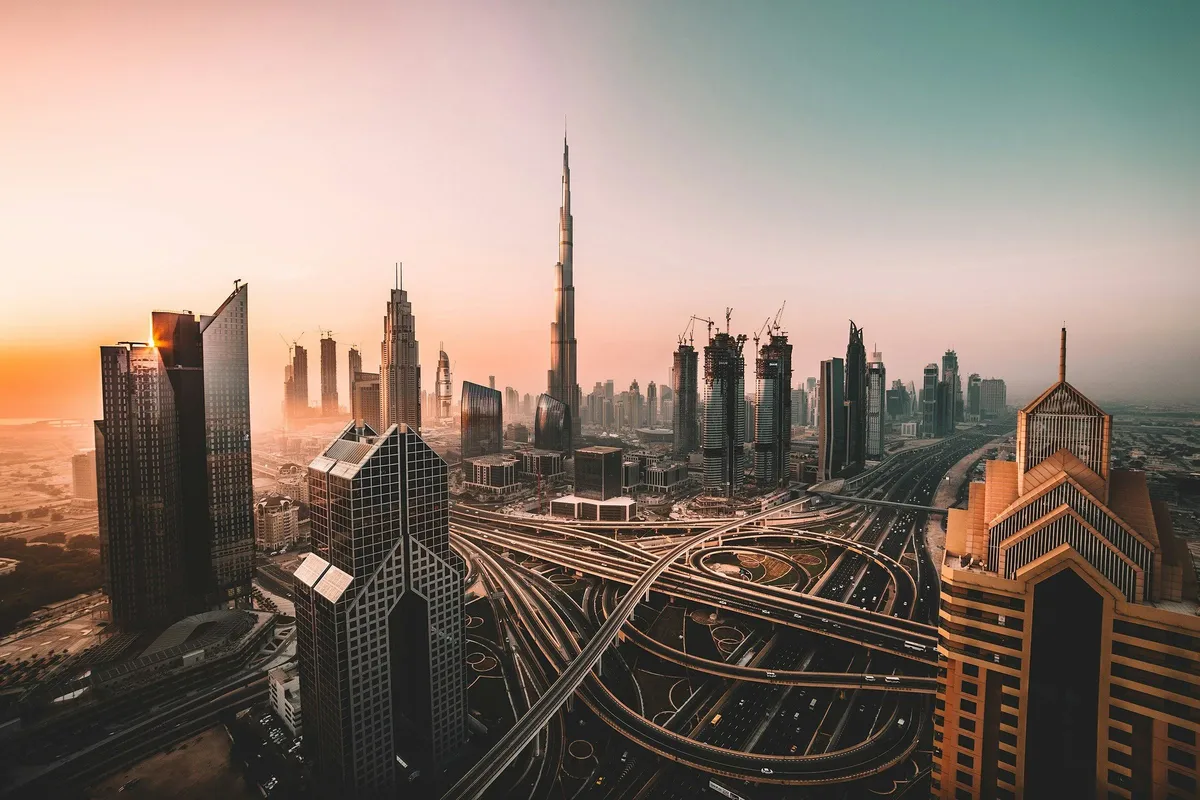 Read
United Arab Emirates · Destination guides
Dubai in Summer: Is It Worth It, and What to Do
Experience the best of summer in Dubai with our comprehensive guide. Uncover exciting activities, dining options, and essential tips for a memorable trip.
Read the story
Read
United Arab Emirates · Destination guides
Dubai in Summer: Is It Worth It, and What to Do
Experience the best of summer in Dubai with our comprehensive guide. Uncover exciting activities, dining options, and essential tips for a memorable trip.
Read the story
This starts with a conversation.
Tell us where you're headed — we'll take it from there.