
Destination guides
Madeira, Portugal: Is It Really Europe's Tropical Island?
Madeira Island, Portugal’s lush tropical garden, offers volcanic landscapes, ocean views, levada walks, and stunning cliffs. Visit Funchal’s old town, explore levadas, and savor Madeira wine year-round.
In this story 6
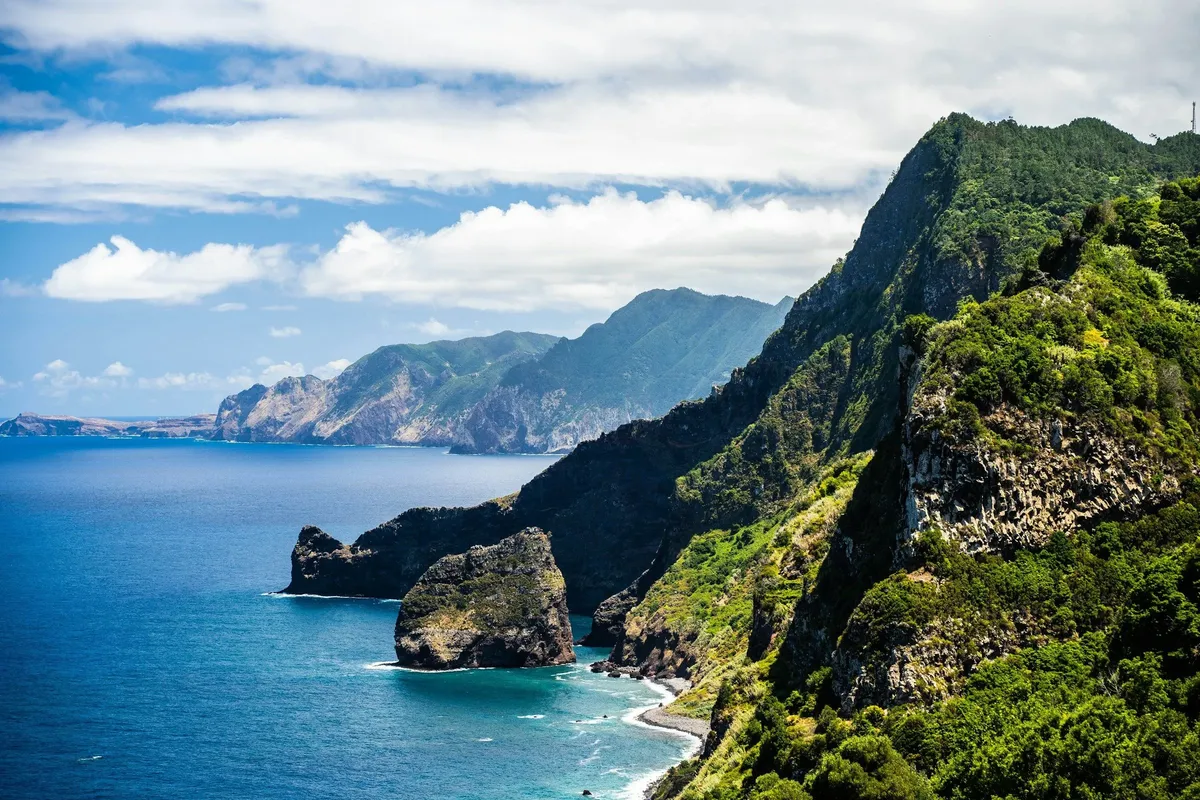
Madeira isn’t one of those places that hits you all at once. It sneaks up on you slowly—the way the air smells faintly of salt and flowers, how the ocean never really leaves your line of sight, and the way the mountains rise so suddenly behind you it almost feels surreal. For many, this little Atlantic island off the coast of Portugal remains a hidden gem, but once you've walked its volcanic trails or taken in a sunset from a clifftop café, it’s impossible not to fall in love.
They call it “Europe’s Tropical Garden”, and honestly, that’s not just travel brochure fluff. Madeira is green and wild in a way that feels almost untouched, where banana plantations meet jagged cliffs and hydrangeas grow like weeds along the roadside. It’s a place where every bend in the road reveals something new—waterfalls, hidden valleys, deep gorges, or little terracotta-roofed villages clinging to hillsides like they’ve always been there.
Where Exactly Is Madeira?
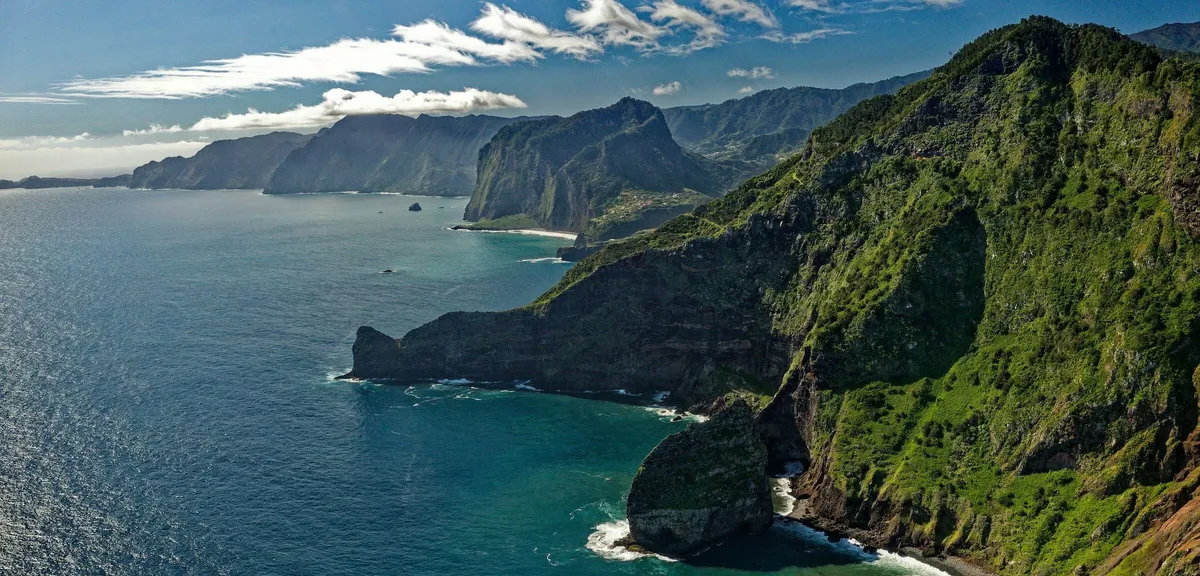
To those not overly familiar with European geography, Madeira might seem a bit off the radar—and that’s part of its magic. The island is located in the North Atlantic Ocean, about 1,000 kilometers southwest of mainland Portugal and just over 700 kilometers off the coast of Morocco. Despite feeling remote, it’s very much a part of Portugal and the European Union, so Indians need a Schengen visa to visit.
The main island of Madeira (there are a couple of smaller ones too) is volcanic in origin, which explains its dramatic topography: steep mountains, deep ravines, and coastline that plunges straight into the ocean. Add to that a warm subtropical climate, and you’ve got an island that blooms all year round—literally.
How To Get To Madeira
By Air
The most convenient way to reach Madeira is by flying into Cristiano Ronaldo International Airport in Funchal (yes, it’s named after the football legend, who was born here). Direct flights operate from several European cities including Lisbon, London, Madrid, and Frankfurt. If you’re traveling from outside Europe, a connecting flight from Lisbon is the usual route.
By Sea
While cruise ships do dock at Funchal, there are no regular ferries from mainland Portugal or other countries. However, once on the island, you can take a ferry to Porto Santo, a nearby island known for its long golden beach.
Plan this trip
Want a trip like this?
We build every trip from scratch around you. Tell us your dates and we take it from there.
Start Planning WhatsApp usTop Things To Do In Madeira – Beyond Just Views
1. Wander Through Funchal’s Old Town
Funchal, the capital city, is an easy place to fall for. Cobbled streets wind through colorful buildings, street art peeks out around every corner, and cafés spill out onto sunlit squares. The Mercado dos Lavradores (Farmers’ Market) is worth a visit for its explosion of local fruits—some of which you’ve probably never heard of, like the curious-looking monstera deliciosa, known here as "banana-pineapple."
Take a cable car from the city up to Monte for panoramic views, and when you're done? Ride back down on a traditional wicker toboggan—yes, a toboggan on the road. It’s a quirky Madeiran tradition and somehow both thrilling and hilarious.
2. Go Levada Walking
One of the most unique things about Madeira is its network of levadas—narrow irrigation channels that snake through the mountains, built centuries ago to bring water to the agricultural areas. Today, they also serve as beautiful walking trails that take you deep into the island’s heart.
Some are easy strolls with sweeping views, like the Levada do Rei, while others like Levada das 25 Fontes take you through dense laurel forests, across bridges, and past waterfalls straight out of a fantasy film. Whether you're a seasoned hiker or someone who just wants a nice walk in nature, there's a levada for you. Note that some of the busiest trails now charge non-residents a small fee, paid online before you walk.
3. Chase Waterfalls And Cliffside Views
Madeira is full of waterfalls, and you don’t even have to go looking too hard to find them. Some, like the Cascata dos Anjos, actually pour right over the road, giving drivers and pedestrians alike a spontaneous shower. Others require a bit of trekking but reward you with tranquil spots to pause and breathe it all in.
Then there’s Cabo Girão, one of the highest sea cliffs in Europe. The glass skywalk here isn't for the faint of heart, but the view—wow. On clear days, you can see all the way down to the terraced farmlands clinging to the base of the cliff and far across the Atlantic horizon.
4. Explore The Island By Car
Madeira isn’t massive—you can drive across the island in a couple of hours—but what it lacks in size, it more than makes up for in elevation and curves. Roads here twist and rise dramatically, cutting through tunnels and skirting cliff edges. Renting a car gives you the freedom to pull over at hidden beaches, tiny mountain villages, and viewpoints that’ll have you grabbing your camera every five minutes.
If you’re into road trips that feel like mini adventures, Madeira is an absolute dream.
What’s Madeira Famous For?
- Madeira Wine: A fortified wine that’s rich, complex, and nothing like anything you’ve sipped before. Try a tasting session at one of the old wine lodges in Funchal.
- Tropical Flora: From dragon trees to bird-of-paradise flowers, the island is a haven for plant lovers.
- Cristiano Ronaldo: Love him or not, Madeira is proud of their hometown hero—there’s even a museum and a bronze statue in Funchal dedicated to him.
- The Laurisilva Forest: A UNESCO World Heritage Site, this ancient laurel forest is one of the few remaining of its kind in the world, with unique biodiversity that feels straight out of Jurassic Park.
Best Time To Visit Madeira
Madeira is blessed with mild weather year-round, which means there’s really no bad time to visit.
- Spring (March to May): The island bursts into bloom, especially during the Madeira Flower Festival, which transforms Funchal into a floral fantasy.
- Summer (June to August): Warmer weather is perfect for sea swimming and coastal hikes, but it’s also the busiest season.
- Autumn (September to November): Fewer tourists, comfortable temperatures, and harvest season make it a great time for food and wine lovers.
- Winter (December to February): Still relatively warm, especially compared to mainland Europe. And the New Year’s Eve fireworks in Funchal? Absolutely legendary.
Madeira isn’t just a destination—it’s an experience. It doesn’t overwhelm you with chaos or glitz. Instead, it charms you softly, like a warm breeze or a familiar melody. It’s the kind of place where you can hike through clouds in the morning, eat fresh seafood by the sea at lunch, and sip wine while watching the sun dip behind jagged cliffs in the evening.
Some travelers describe it as a tropical escape without the jet lag. Others say it’s Europe’s answer to Hawaii. But maybe it’s better to just call it what it is: Madeira—lush, soulful, and utterly unforgettable.
Questions travellers ask
Is Madeira really tropical?
Not quite: it is subtropical, with mild weather all year, around 17°C in winter and 25°C in summer. That is why bananas, orchids and bird-of-paradise flowers grow everywhere.
How do I get to Madeira from India?
Fly to Lisbon (via the Gulf or Europe), then take a short 1 hour 45 minute flight to Funchal. Madeira is part of Portugal, so a Schengen visa covers it.
Do you have to pay to walk the levadas?
Several of the most popular trails, including Pico do Arieiro to Pico Ruivo and the 25 Fontes levada, charge non-residents a small fee (a few euros) booked online before the walk. Check the regional government's booking site.
When is the best time to visit Madeira?
April to October for walking and swimming, with the Flower Festival in spring. Winter is still mild, and the New Year fireworks in Funchal are famous.
Know someone who should read this?
Send on WhatsAppKeep reading
All stories-
 Read
Destination guides
Best Places to Visit in India in August and September 2027
Monsoon green and post-monsoon calm: where to go in India in August and September 2027, from Ladakh and Spiti to Meghalaya, Ziro, Hampi and the Andamans.
Read the story
Read
Destination guides
Best Places to Visit in India in August and September 2027
Monsoon green and post-monsoon calm: where to go in India in August and September 2027, from Ladakh and Spiti to Meghalaya, Ziro, Hampi and the Andamans.
Read the story
-
 Read
Destination guides
Best Places to Visit in India in July 2027
Valley of Flowers, the Hemis festival on 13 and 14 July, Rath Yatra on 5 July and the monsoon Ghats: the best places to visit in India in July 2027.
Read the story
Read
Destination guides
Best Places to Visit in India in July 2027
Valley of Flowers, the Hemis festival on 13 and 14 July, Rath Yatra on 5 July and the monsoon Ghats: the best places to visit in India in July 2027.
Read the story
-
 Read
Destination guides
Best Places to Visit in India in June 2027
Himachal, Ladakh, Kashmir, the Western Ghats and the Northeast: where to go in India in June 2027, and what the monsoon means for each place.
Read the story
Read
Destination guides
Best Places to Visit in India in June 2027
Himachal, Ladakh, Kashmir, the Western Ghats and the Northeast: where to go in India in June 2027, and what the monsoon means for each place.
Read the story
-
 Read
Destination guides
Best Places to Visit in India in May 2027
Escape the May heat: the hill stations, Himalayan valleys, Northeast getaways and islands that are at their best in May 2027, and the places to skip.
Read the story
Read
Destination guides
Best Places to Visit in India in May 2027
Escape the May heat: the hill stations, Himalayan valleys, Northeast getaways and islands that are at their best in May 2027, and the places to skip.
Read the story
-
 Read
Destination guides
Best International Trips from India from March to May 2027
Beat the summer crowds: where to travel abroad from India in March, April and May 2027, from Japan's cherry blossoms and Songkran to Europe in spring, with visa tips.
Read the story
Read
Destination guides
Best International Trips from India from March to May 2027
Beat the summer crowds: where to travel abroad from India in March, April and May 2027, from Japan's cherry blossoms and Songkran to Europe in spring, with visa tips.
Read the story
-
 Read
Destination guides
How to Travel Without Feeling Rushed: Slow Travel Tips
A practical guide to traveling at a comfortable pace without losing the joy of exploration.
Read the story
Read
Destination guides
How to Travel Without Feeling Rushed: Slow Travel Tips
A practical guide to traveling at a comfortable pace without losing the joy of exploration.
Read the story
-
 Read
Destination guides
How to Plan a Trip Like a Pro: From Research to Packing
Plan better trips with clarity, balance, and flexibility.
Read the story
Read
Destination guides
How to Plan a Trip Like a Pro: From Research to Packing
Plan better trips with clarity, balance, and flexibility.
Read the story
-
 Read
Destination guides
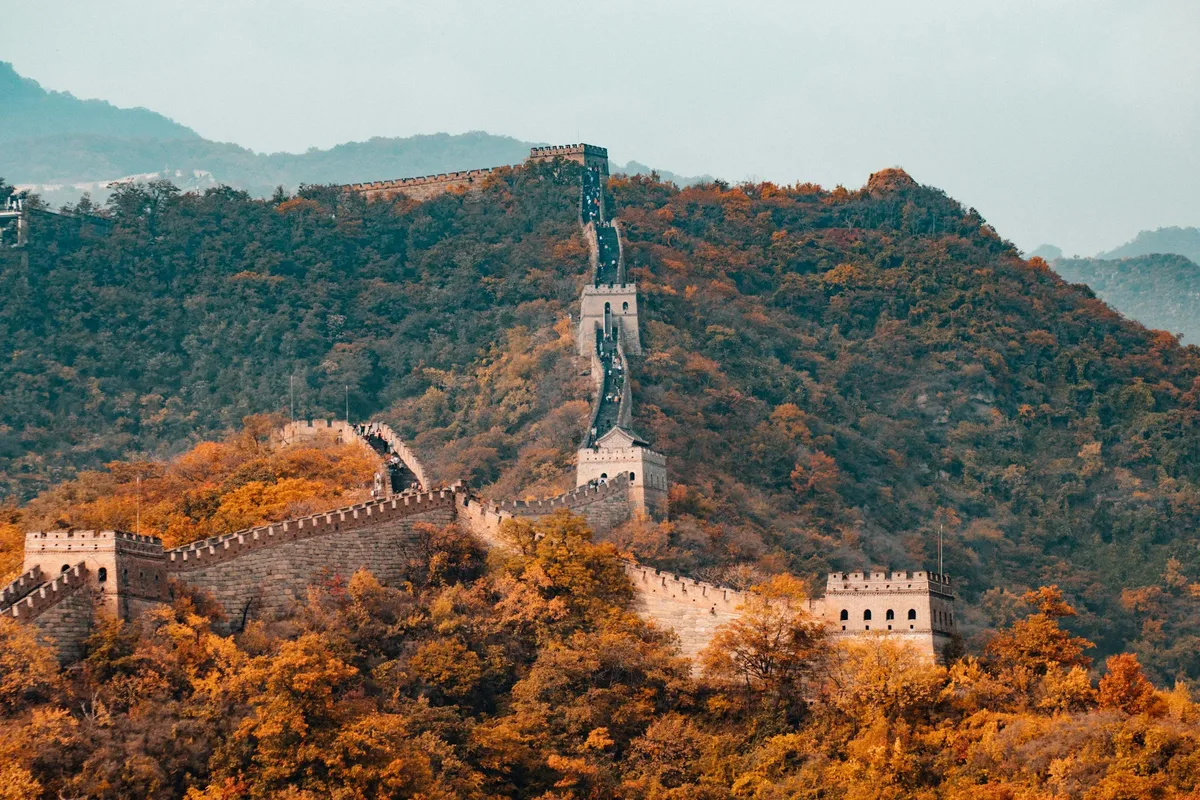
China Travel Guide for Indians: Flights, Days and Must-Visit Places
Plan your dream trip to China with our ultimate travel guide, offering essential tips, stunning destinations, and cultural insights for every traveler.
Read the story
Read
Destination guides
China Travel Guide for Indians: Flights, Days and Must-Visit Places
Plan your dream trip to China with our ultimate travel guide, offering essential tips, stunning destinations, and cultural insights for every traveler.
Read the story
-
 Read
United Arab Emirates · Destination guides
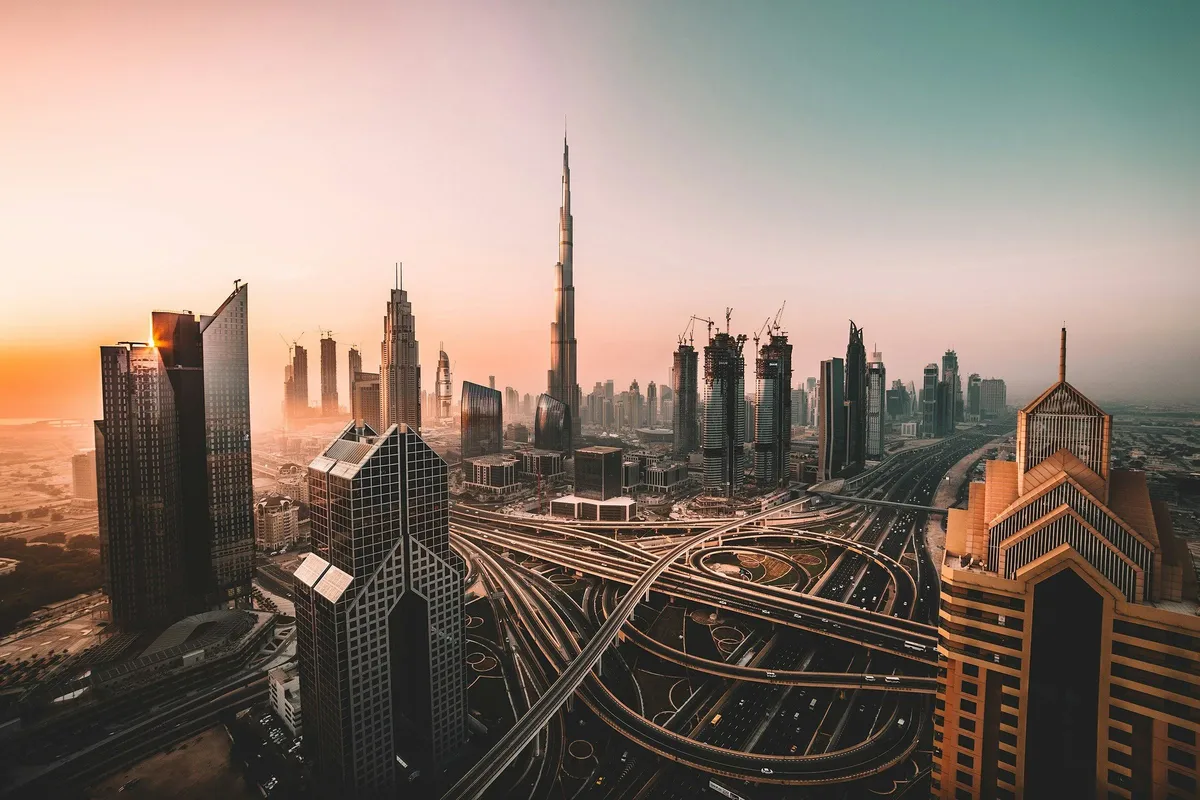
Dubai in Summer: Is It Worth It, and What to Do
Experience the best of summer in Dubai with our comprehensive guide. Uncover exciting activities, dining options, and essential tips for a memorable trip.
Read the story
Read
United Arab Emirates · Destination guides
Dubai in Summer: Is It Worth It, and What to Do
Experience the best of summer in Dubai with our comprehensive guide. Uncover exciting activities, dining options, and essential tips for a memorable trip.
Read the story
This starts with a conversation.
Tell us where you're headed — we'll take it from there.