
Destination guides
Majuli, Assam: A Guide to the World's Largest River Island
Step into Majuli, the world’s largest river island in Assam, where satras echo with chants, sunsets melt into the Brahmaputra, and life flows gently.
In this story 8
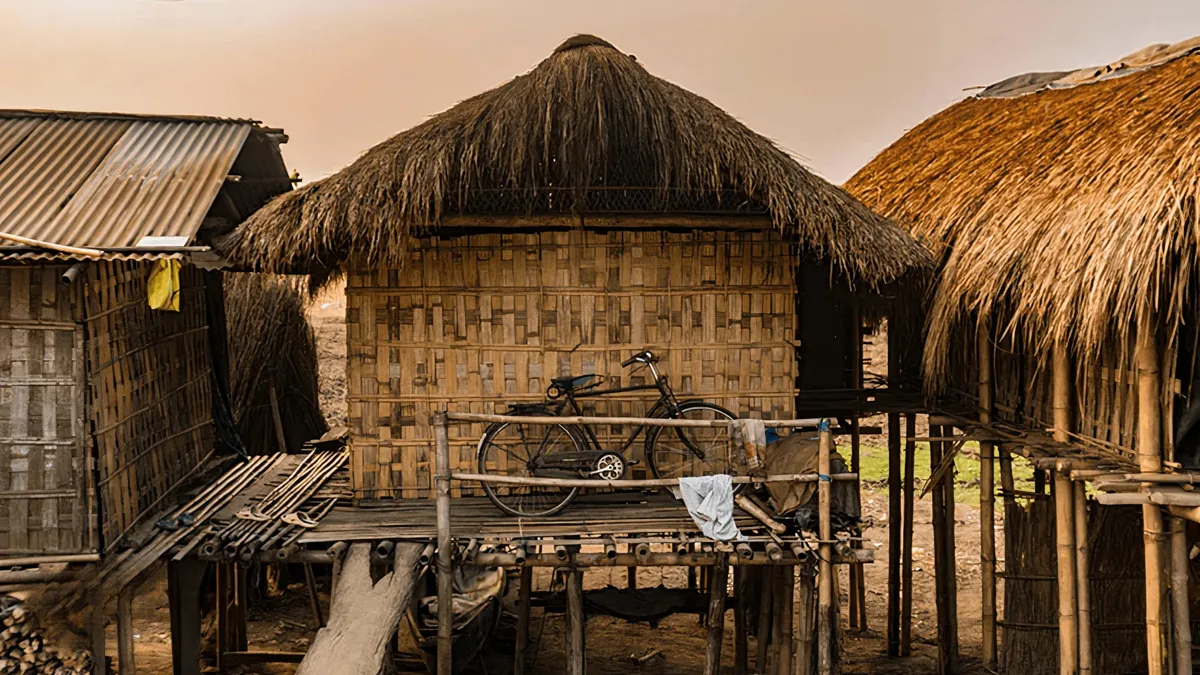
Tucked quietly in the heart of Assam, Majuli is the kind of place you hear about once, then never quite forget. It’s not loud, not crowded, and definitely not built for fast-paced tourists — and maybe that’s what makes it so special. Sitting right in the middle of the Brahmaputra River, Majuli holds the title of the world’s largest river island, but it doesn’t really care for attention. Instead, it moves to its own rhythm — slow, gentle, and rooted in deep tradition. Getting here means heading northeast, crossing a river by ferry, and stepping into a different kind of world — one where time flows just a bit differently. Life here unfolds in whispers — monks chanting in satras, fishermen casting nets at dawn, and bamboo houses that sway slightly when the wind picks up.
How To Reach Majuli
Majuli isn’t one of those plug-into-Google-Maps-and-go destinations. It takes a little effort — but like most hidden gems, it’s worth every step.
By Air
If you’re flying in, the closest airport is in Jorhat — officially called Rowriah Airport. It’s well-connected to cities like Guwahati, Kolkata, and Delhi. From the airport, you’ll need to take a cab to Nimati Ghat, which is around 14–15 kilometers away. That’s where the real adventure begins.
By Ferry
Ferries from Nimati Ghat to Majuli run several times a day, roughly from early morning to mid-afternoon, though timings can shift depending on the river’s mood and the season. It’s not a luxury cruise — wooden boats packed with people, bikes, and sometimes even livestock — but the 1–1.5 hour journey across the mighty Brahmaputra feels raw and real.
By Road And Rail
If you’re coming by train, Jorhat is again your best base. It’s on the main rail line and easy to access from major Northeast cities. From there, it’s the same cab-and-ferry routine. A road bridge to the island is being built, but until it opens every path leads to the water.
Plan this trip
Want a trip like this?
We build every trip from scratch around you. Tell us your dates and we take it from there.
Start Planning WhatsApp usThings To Do In Majuli
Majuli isn’t about checklists and tourist traps. It’s more about moments — quiet ones. Still, there’s plenty to take in if you’re the type who likes peeling back the layers of a place.
Explore The Satras
Majuli is often called the cultural soul of Assam. That’s because of its satras — monastic centers that have kept the Vaishnavite tradition alive for centuries. These aren’t just old buildings; they’re living institutions, with monks who sing, dance, and meditate as part of daily life. Kamalabari Satra and Auniati Satra are two of the more accessible ones. Drop by during prayer hours, and you might just lose track of time listening to the chants and watching the rituals.
Watch The Artisans At Work
Majuli has always been a place where crafts thrive — not for tourists, but for tradition. Mishing tribes here are known for handwoven textiles that tell their own stories. Wander into any village, and chances are you’ll spot someone spinning, dyeing, or weaving under the shade of a bamboo home. Pottery is also a big deal — made from riverbank clay and fired the old-school way. No machines, just muscle memory passed down for generations.
Ride Through The Island
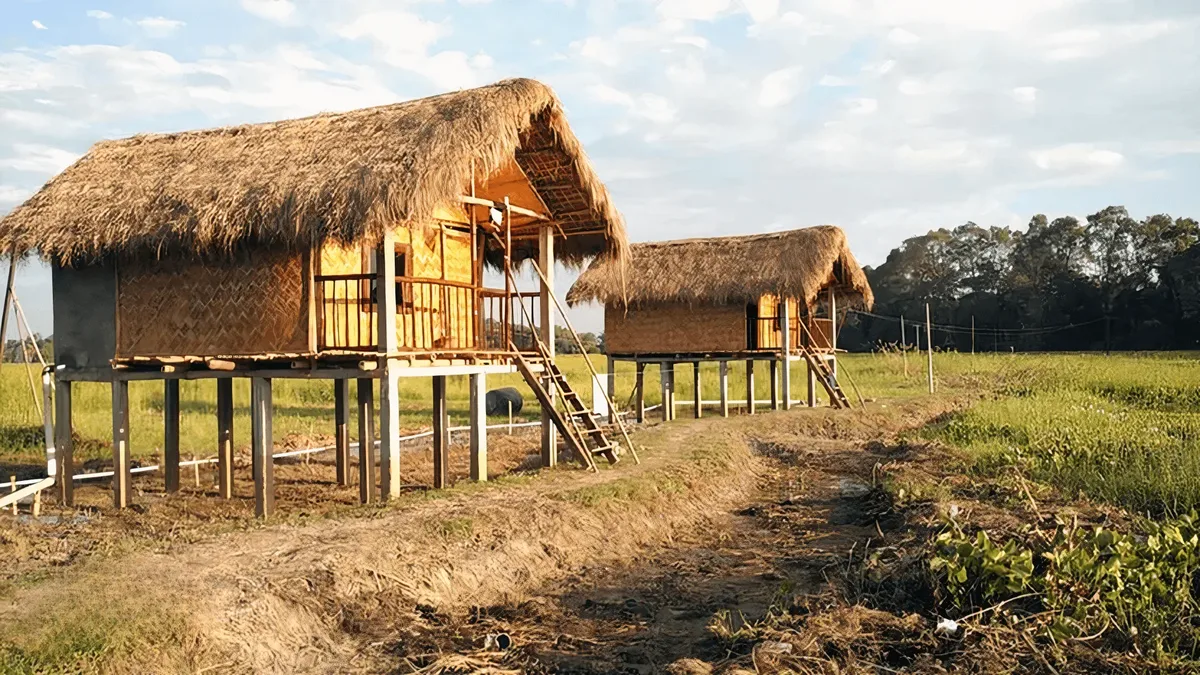
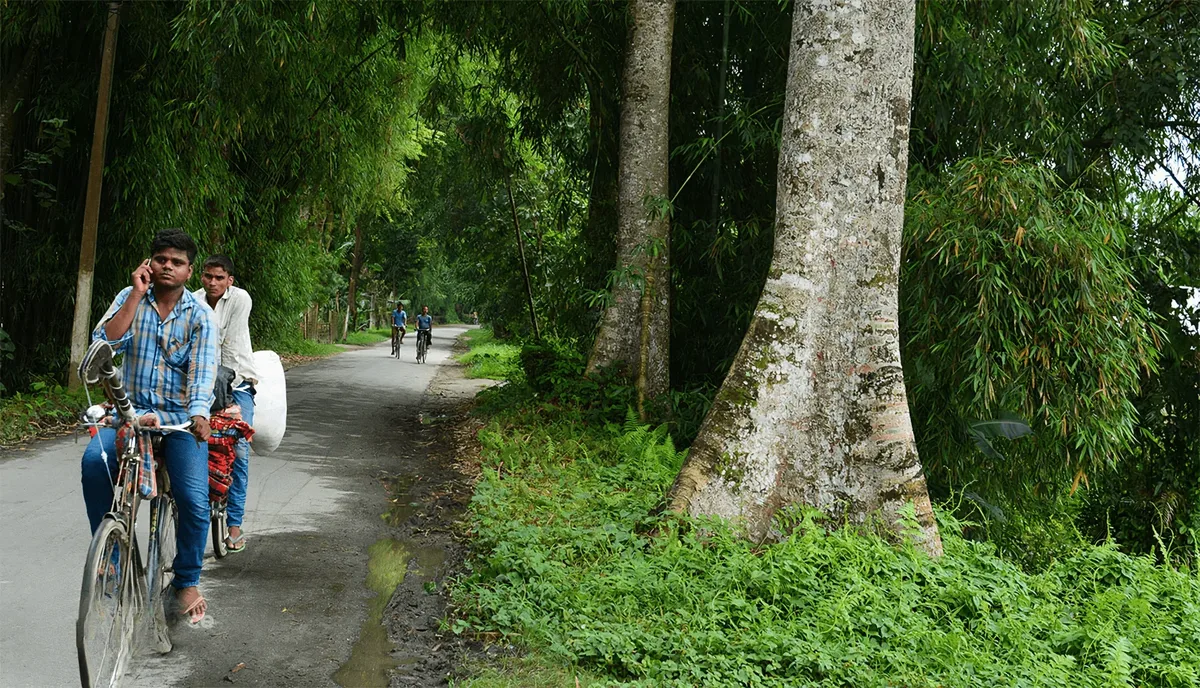
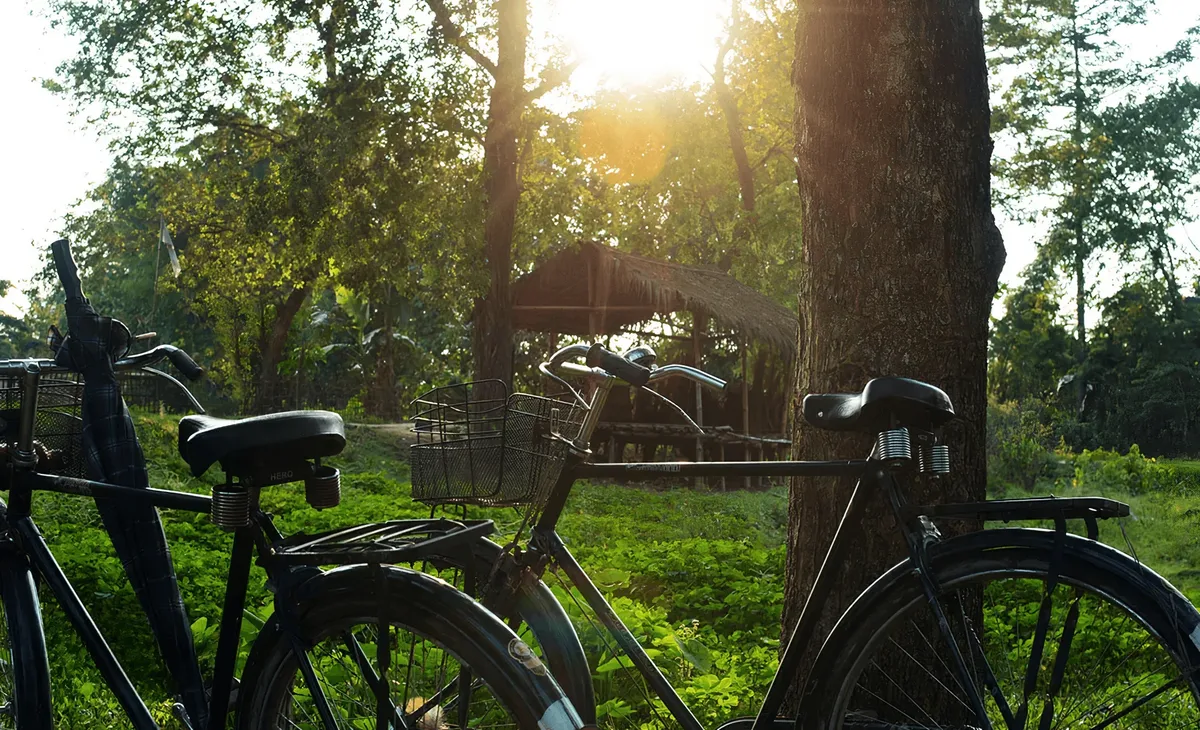
Bicycles rule Majuli. There are barely any cars, and the roads are narrow, muddy in places, and completely charming. Rent a cycle and just go — past rice fields, sleepy homes on stilts, grazing cattle, and kids playing with tire hoops. There’s no real traffic, so it’s the kind of ride where you hear your own thoughts, and maybe a few birds calling overhead.
Birdwatching And River Views
Nature lovers find Majuli irresistible. During winter, migratory birds arrive in droves, turning the wetlands into a feathery fiesta. Grab a pair of binoculars and head out early — you’ll see herons, kingfishers, storks, and a whole lot more. Even if birds aren’t your thing, the sunsets over the Brahmaputra will probably stop you in your tracks. It’s just you, the river, and a sky that feels wider than usual.
What’s Famous In Majuli
Majuli’s fame doesn’t come from flashy landmarks — it comes from being a living, breathing slice of Assamese culture.
The satras are definitely its beating heart. Many have been standing for over 400 years, acting as both religious centers and cultural schools. This is where Sattriya, one of India’s eight classical dance forms, was born and still thrives today.
People also come for the island’s Mishing community. Their stilted bamboo homes, colorful clothes, and earthy lifestyle give visitors a peek into a way of life that balances delicately between land and water.
And then there’s the vibe — a feeling that Majuli offers something very few places still do: peace. Not silence, but peace. It’s in the rustle of banana leaves, the chants from a nearby satra, the clink of tea cups in a roadside stall.
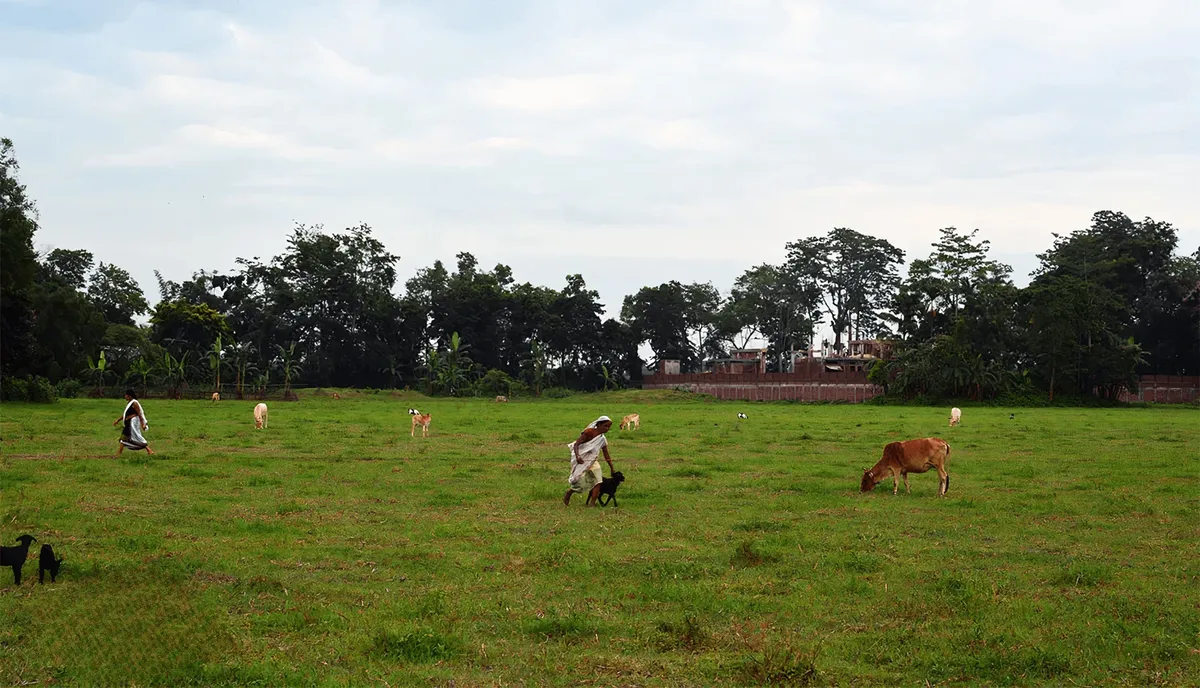
Best Time To Visit Majuli
Majuli changes with the seasons — and not just a little.
October to March is prime time. The weather cools down, the river behaves, and the skies stay clear. This is also when cultural events and satra performances are more frequent. If you’re into photography or birdwatching, this is your season.
April to June gets warmer and stickier, but it’s not unbearable. The island is greener, and there are fewer visitors, which means more of it to yourself.
July to September, though, is the tricky part. The Brahmaputra swells with monsoon rains, and parts of the island flood. Ferries may stop, roads turn to slush, and you’ll likely get wet more than once. That said, it’s also when Majuli shows its raw, moody beauty — thunderclouds over the river, lush paddies, and an almost surreal stillness when the rain pauses.
Questions travellers ask
How do I reach Majuli?
Reach Jorhat by air or train, drive about 15 km to Nimati Ghat, and take the ferry to Kamalabari Ghat, about an hour. Ferries run several times a day from early morning to mid-afternoon, so arrive before noon.
What is Majuli famous for?
Its satras, Vaishnavite monasteries founded from the 16th century, where monks perform Sattriya dance and mask-making is kept alive, and its Mishing villages of stilt houses and handloom.
What is the best time to visit Majuli?
October to March. The Raas festival in November is the island's biggest celebration. Avoid July to September, when floods can stop the ferries.
How many days should I spend in Majuli?
Two nights is ideal: one day for the satras and mask-makers, one for cycling, villages and a river sunset.
Know someone who should read this?
Send on WhatsAppKeep reading
All stories-
 Read
Destination guides
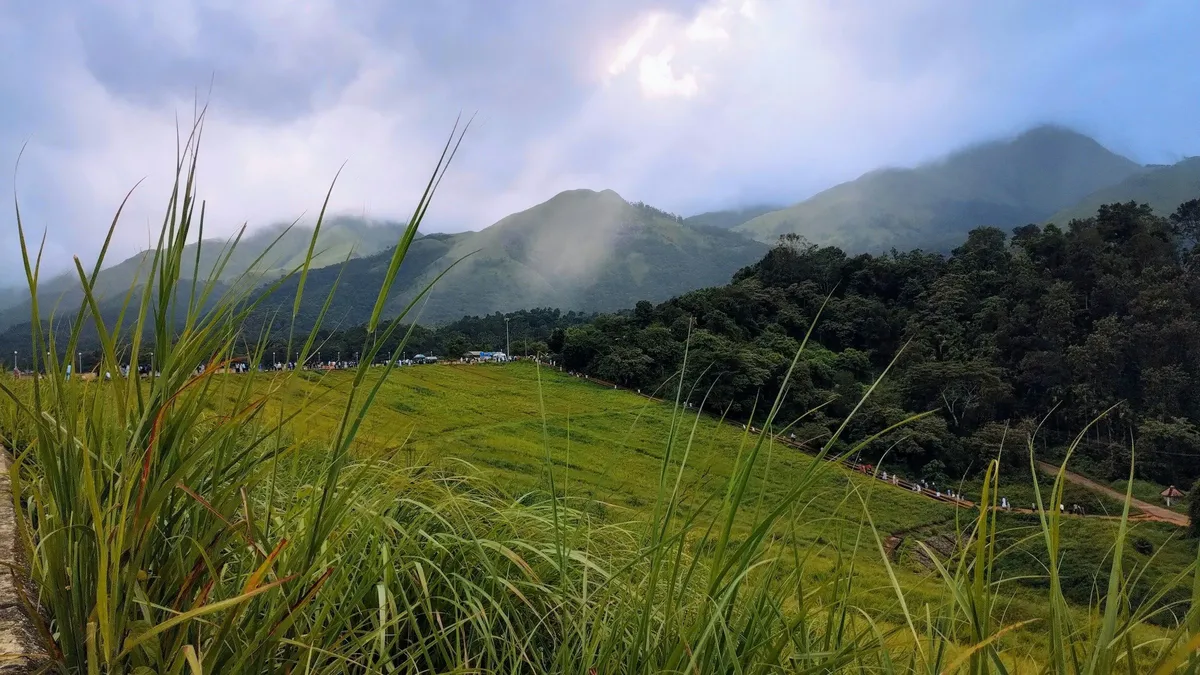
Wayanad Travel Guide: Treks, Wildlife and Waterfalls
Explore Wayanad with this travel guide—covering Kerala waterfalls, wildlife safaris, spice plantation visits, and serene treks for heart and soul.
Read the story
Read
Destination guides
Wayanad Travel Guide: Treks, Wildlife and Waterfalls
Explore Wayanad with this travel guide—covering Kerala waterfalls, wildlife safaris, spice plantation visits, and serene treks for heart and soul.
Read the story
-
 Read
Destination guides
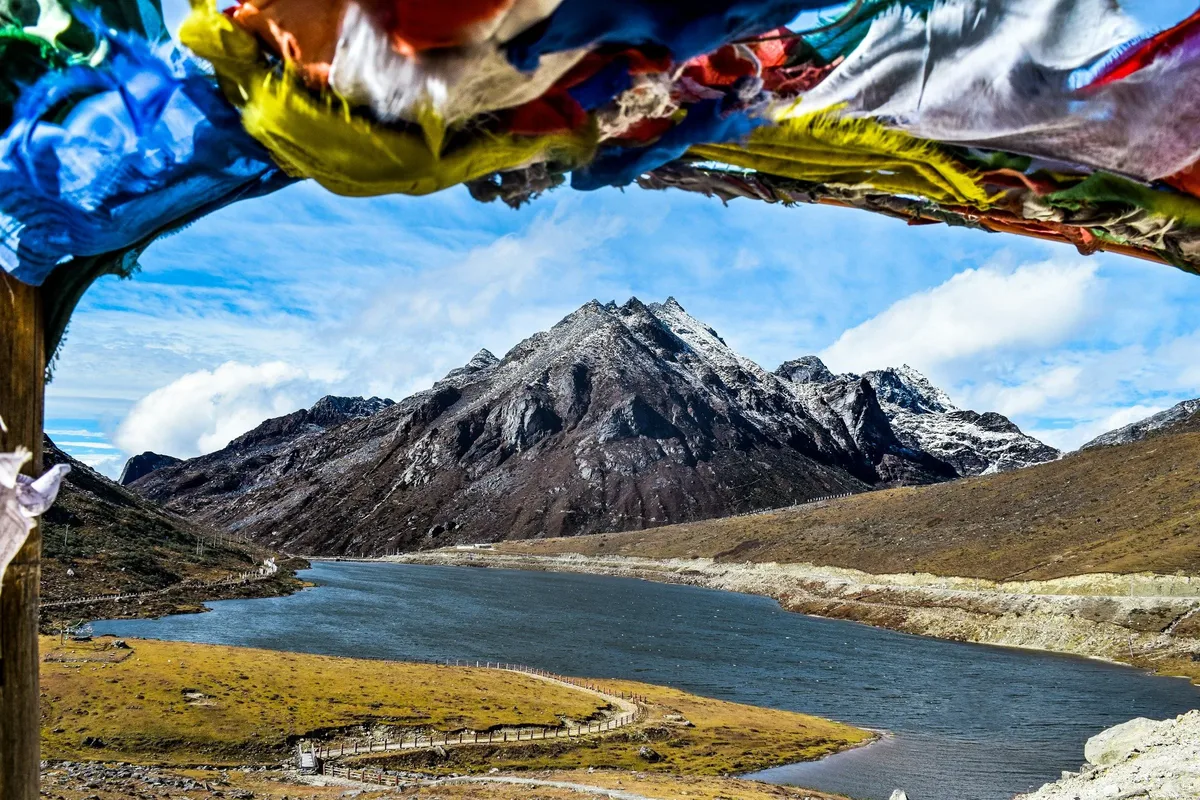
Tawang Tour Guide: How to Reach, Highlights and Best Time
Discover Tawang, a serene Himalayan town in Arunachal Pradesh, famed for its monastery, Sela Pass, and tranquil beauty. Experience soulful chants, snow-draped peaks, and local tales in this enchanting destination.
Read the story
Read
Destination guides
Tawang Tour Guide: How to Reach, Highlights and Best Time
Discover Tawang, a serene Himalayan town in Arunachal Pradesh, famed for its monastery, Sela Pass, and tranquil beauty. Experience soulful chants, snow-draped peaks, and local tales in this enchanting destination.
Read the story
-
 Read
Destination guides
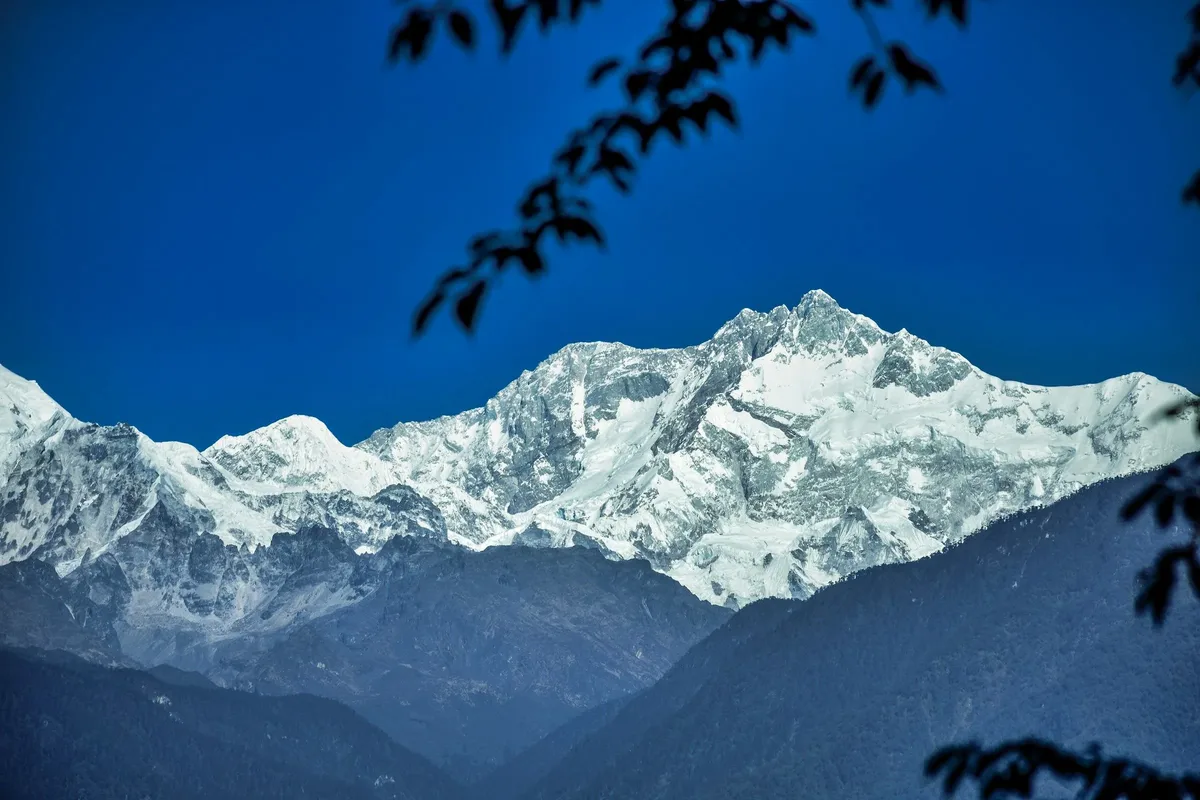
Pelling, Sikkim: Kanchenjunga Views and Hidden Gems
Explore Pelling with our Sikkim travel guide—from sunrise Kanchenjunga views, monasteries & waterfalls to Pelling’s hidden gems in Sikkim. Perfect for slow-paced, soulful mountain escapes.
Read the story
Read
Destination guides
Pelling, Sikkim: Kanchenjunga Views and Hidden Gems
Explore Pelling with our Sikkim travel guide—from sunrise Kanchenjunga views, monasteries & waterfalls to Pelling’s hidden gems in Sikkim. Perfect for slow-paced, soulful mountain escapes.
Read the story
-
 Read
Destination guides
Sleep Tourism: The Travel Trend Built Around Rest
Instead of packed itineraries, more travellers now plan trips around a good night's sleep. What sleep tourism is and why it is growing.
Read the story
Read
Destination guides
Sleep Tourism: The Travel Trend Built Around Rest
Instead of packed itineraries, more travellers now plan trips around a good night's sleep. What sleep tourism is and why it is growing.
Read the story
-
 Read
Destination guides
Vattakanal: The Quiet Hill Village Near Kodaikanal
If you wish to escape to a quieter place, where you can become one with nature, Vattakanal might be the best bet. Wondering where this is? Read on.
Read the story
Read
Destination guides
Vattakanal: The Quiet Hill Village Near Kodaikanal
If you wish to escape to a quieter place, where you can become one with nature, Vattakanal might be the best bet. Wondering where this is? Read on.
Read the story
-
 Read
Destination guides
Best Places to Visit in India in August and September 2027
Monsoon green and post-monsoon calm: where to go in India in August and September 2027, from Ladakh and Spiti to Meghalaya, Ziro, Hampi and the Andamans.
Read the story
Read
Destination guides
Best Places to Visit in India in August and September 2027
Monsoon green and post-monsoon calm: where to go in India in August and September 2027, from Ladakh and Spiti to Meghalaya, Ziro, Hampi and the Andamans.
Read the story
-
 Read
Destination guides
Best Places to Visit in India in July 2027
Valley of Flowers, the Hemis festival on 13 and 14 July, Rath Yatra on 5 July and the monsoon Ghats: the best places to visit in India in July 2027.
Read the story
Read
Destination guides
Best Places to Visit in India in July 2027
Valley of Flowers, the Hemis festival on 13 and 14 July, Rath Yatra on 5 July and the monsoon Ghats: the best places to visit in India in July 2027.
Read the story
-
 Read
Destination guides
Best Places to Visit in India in June 2027
Himachal, Ladakh, Kashmir, the Western Ghats and the Northeast: where to go in India in June 2027, and what the monsoon means for each place.
Read the story
Read
Destination guides
Best Places to Visit in India in June 2027
Himachal, Ladakh, Kashmir, the Western Ghats and the Northeast: where to go in India in June 2027, and what the monsoon means for each place.
Read the story
-
 Read
Destination guides
Best Places to Visit in India in May 2027
Escape the May heat: the hill stations, Himalayan valleys, Northeast getaways and islands that are at their best in May 2027, and the places to skip.
Read the story
Read
Destination guides
Best Places to Visit in India in May 2027
Escape the May heat: the hill stations, Himalayan valleys, Northeast getaways and islands that are at their best in May 2027, and the places to skip.
Read the story
This starts with a conversation.
Tell us where you're headed — we'll take it from there.