
Destination guides
Nepal in 3 Days: A Kathmandu and Nagarkot Itinerary
From history to adventure, and breathtaking landscapes, here’s everything you can do in Nepal in just three days.
In this story 4
Nepal, a country with stunning mountains, historic temples, and a vibrant culture, provides a once-in-a-lifetime experience. Whether you’re here for a week or only have three days to spare, Nepal offers something for everyone. From history to adventure, and breathtaking landscapes, here’s everything you can do in Nepal in just three days. Indians need no visa: a valid passport or Voter ID card is enough.
Day 1: Kathmandu City
A buzzing city, Kathmandu can be overwhelming for any first-time traveller. The best way to acclimatize is to get out there and explore all that this stunning city has to offer. Here’s what to do on day one in Kathmandu.
Walk Around Durbar Square
Kick start your day by heading straight to Kathmandu Durbar Square (Hanuman Dhoka). Part of the Kathmandu Valley UNESCO World Heritage Site, it is the heart of ancient Kathmandu. The site was originally designed as a royal residence in the 17th century and has more than 55 main temples. The Durbar Square has a whole lot of Insta-worthy spots and here’s what you must not miss.
- First on the list is the Hanuman Dhoka palace museum. This is a great way to discover the history of Nepal's monarchy.
- Kumari Ghar: At Basantapur in Kathmandu, directly across from the old Gaddi Baithak Hall, is the well-known Kumari Temple. On the southern side of the Kathmandu Durbar Square grounds sits Kumari Ghar, the home of the Living Goddess Kumari. Constructed in 1757, the temple boasts elaborate wood carvings of gods and other symbols, reflecting Nepali architecture.
- Taleju Bhawani: Another temple which demonstrates a wonderful competence of traditional Nepalese architecture, Taleju Bhawani is richly decorated with threads and beautiful works of art. This is one of Nepal's most important religious sites, and it’s worth stopping by to take a look at it from the outside (as non-Hindus aren’t allowed inside).
Explore Thamel, Nepal’s Tourist Hub
A 15-minute walk from central Kathmandu will take you to Thamel, Nepal’s main tourist hub. Replete with narrow alleys, street vendors, and shops, Thamel is a great way to get a pulse of the city. Besides, this is where you must head if you want to savour authentic Nepalese delicacies. Don’t forget to binge on yomari, momos, and bara pancakes. And, in case you’re not up for street food, Thamel is also dotted with a whole lot of sit-down restaurants offering lip-smacking food and incredible city views.
Enjoy a relaxed lunch and stop in the Garden of Dreams. This calm oasis, which consists of well -designed lawns and many plant species, offers a great respite in the noisy streets of Thamel.
Swayambhunath Temple
The last pit-stop for the day, Kathmandu's most iconic site, Swayambhunath Stupa is a UNESCO World Heritage site. One of the oldest religious sites in the city, the temple is unique specially because it is worshipped by both Hindus and Buddhists.
The temple is perched atop a hill and would require you climb 365 steps, but the views from the top are breathtaking. So, it’s totally worth the trek. It would be best to head here right in time for sunset!
End your day with a hearty meal dinner at Yangling Tibetan Restaurant. The momos and thukpa here are not only affordable, but will also leave you craving for more.
Plan this trip
Want a trip like this?
We build every trip from scratch around you. Tell us your dates and we take it from there.
Start Planning WhatsApp usDay 2: Sunrise At Nagarkot & Bhaktapur Exploration
Start your day early and head to Nagarkot Hill to watch the sunrise over the majestic Himalayas. Docked at 2,175 meters above sea level, the vantage point provides unmatched views of Nepal's highest peaks, including Langtang, Ganesh Himal and, far to the east, a glimpse of Everest on the clearest days.
It's the most affordable and practical method to claim to have seen Mount Everest. However, it is difficult to see from Nagarkot and doesn't appear particularly towering due to the distance. From here, head to the Changu Narayan Temple, a pleasant 9.5-kilometer stroll through the countryside in the morning. This day hike is among the most well-liked in the Kathmandu area, and for good reason. The sights are amazing and the hike is rather easy!
Explore Bhaktapur
After the hike, drive around 20 minutes from Changu Narayan Temple to Bhaktapur Durbar Square. This UNESCO World Heritage site is similar to Kathmandu's Durbar Square. Compared to Kathmandu's square, Bhaktapur Durbar Square appears to have been better kept and is less crowded; so strolling through the winding lanes around it is like traveling back in time.
Lastly, if you have time, see the five-storey Nyatapola Temple and the potters at work in Pottery Square. As for the food, don’t forget to try the Juju Dhau (King Curd), Bhaktapur’s famous yogurt. Take an afternoon bus back to Kathmandu for an overnight stay.
Day 3: Kathmandu Religious Sites
Pashupatinath Temple
To make the most of your last day in Nepal, start early and head to Pashupatinath Temple. Regarded as one of Nepal's largest Hindu temple complexes, the religious site has over 492 temples here, dedicated to lord Shiva. Only Hindus may enter the main temple, but everyone can walk the complex and watch from the east bank. Pashupatinath is located on both banks of the Bagmati River, which is revered by both Buddhists and Hindus as a sacred river and a significant location for Hindu funerals.
Kopan Monastery
After spending the morning at Pashupatinath Temple, take a 15-minute journey to the neighboring Kopan Monastery. This Tibetan-Buddhist monastery teaches you about Buddhism, and the traditions of the monks who reside there.
The friendly and serene location welcomes visitors to meditate, go to talks, walk about the lovely grounds, and dine at the vegetarian dining hall. Attending a brief course or retreat here and being on site for the duration is an option for those who wish to delve further into Buddhist practices.
Boudhanath Stupa
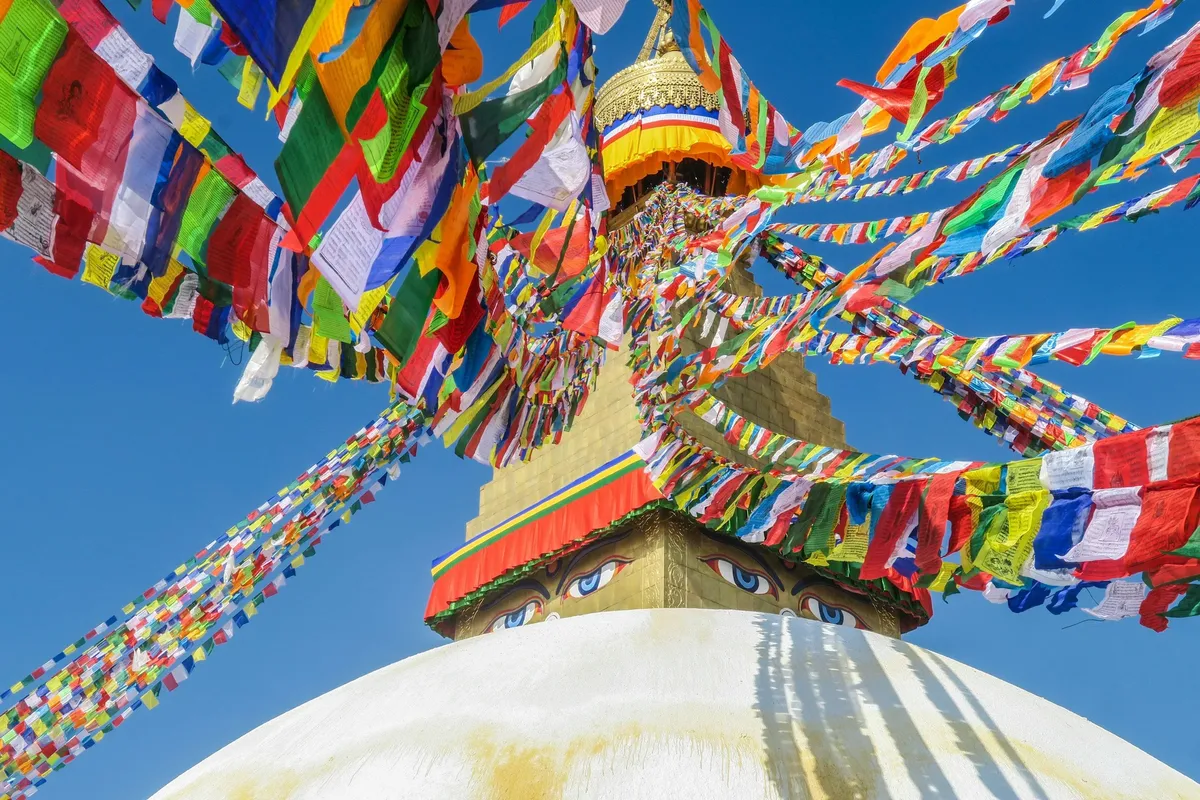
Downhill from the monastery, you’ll find Boudhanath Stupa, the final stop in this Kathmandu itinerary. The 45-minute walk is incredibly scenic so its best if you walk down, if possible. But, if you’re strapped for time, it’s about a ten-minute drive. Stupas are dome-shaped structures used as Buddhist shrines, and Boudhanath is one of the largest in the world, with a circumference measuring over 100 meters. It’s also deemed as one of the most important stupas outside of Tibet, making it an important place of worship.
Questions travellers ask
Do Indians need a visa for Nepal?
No. Indians can enter with a valid passport or Voter ID card; children can use other photo ID. There is no visa fee.
Can non-Hindus enter Pashupatinath?
Only Hindus may enter the main temple; everyone can visit the wider complex and the ghats along the Bagmati, from the east bank.
Can you see Everest from Nagarkot?
On a very clear morning you can make out a small tip of it far to the east, but the main view is of the Langtang, Ganesh and Jugal ranges. October to December gives the best chance.
What is the best time to visit Kathmandu?
October to November and March to April for clear skies and comfortable days. The monsoon (June to September) hides the mountains.
Know someone who should read this?
Send on WhatsAppKeep reading
All stories-
 Read
Destination guides
Best Places to Visit in India in August and September 2027
Monsoon green and post-monsoon calm: where to go in India in August and September 2027, from Ladakh and Spiti to Meghalaya, Ziro, Hampi and the Andamans.
Read the story
Read
Destination guides
Best Places to Visit in India in August and September 2027
Monsoon green and post-monsoon calm: where to go in India in August and September 2027, from Ladakh and Spiti to Meghalaya, Ziro, Hampi and the Andamans.
Read the story
-
 Read
Destination guides
Best Places to Visit in India in July 2027
Valley of Flowers, the Hemis festival on 13 and 14 July, Rath Yatra on 5 July and the monsoon Ghats: the best places to visit in India in July 2027.
Read the story
Read
Destination guides
Best Places to Visit in India in July 2027
Valley of Flowers, the Hemis festival on 13 and 14 July, Rath Yatra on 5 July and the monsoon Ghats: the best places to visit in India in July 2027.
Read the story
-
 Read
Destination guides
Best Places to Visit in India in June 2027
Himachal, Ladakh, Kashmir, the Western Ghats and the Northeast: where to go in India in June 2027, and what the monsoon means for each place.
Read the story
Read
Destination guides
Best Places to Visit in India in June 2027
Himachal, Ladakh, Kashmir, the Western Ghats and the Northeast: where to go in India in June 2027, and what the monsoon means for each place.
Read the story
-
 Read
Destination guides
Best Places to Visit in India in May 2027
Escape the May heat: the hill stations, Himalayan valleys, Northeast getaways and islands that are at their best in May 2027, and the places to skip.
Read the story
Read
Destination guides
Best Places to Visit in India in May 2027
Escape the May heat: the hill stations, Himalayan valleys, Northeast getaways and islands that are at their best in May 2027, and the places to skip.
Read the story
-
 Read
Destination guides
Best International Trips from India from March to May 2027
Beat the summer crowds: where to travel abroad from India in March, April and May 2027, from Japan's cherry blossoms and Songkran to Europe in spring, with visa tips.
Read the story
Read
Destination guides
Best International Trips from India from March to May 2027
Beat the summer crowds: where to travel abroad from India in March, April and May 2027, from Japan's cherry blossoms and Songkran to Europe in spring, with visa tips.
Read the story
-
 Read
Destination guides
How to Travel Without Feeling Rushed: Slow Travel Tips
A practical guide to traveling at a comfortable pace without losing the joy of exploration.
Read the story
Read
Destination guides
How to Travel Without Feeling Rushed: Slow Travel Tips
A practical guide to traveling at a comfortable pace without losing the joy of exploration.
Read the story
-
 Read
Destination guides
How to Plan a Trip Like a Pro: From Research to Packing
Plan better trips with clarity, balance, and flexibility.
Read the story
Read
Destination guides
How to Plan a Trip Like a Pro: From Research to Packing
Plan better trips with clarity, balance, and flexibility.
Read the story
-
 Read
Destination guides
China Travel Guide for Indians: Flights, Days and Must-Visit Places
Plan your dream trip to China with our ultimate travel guide, offering essential tips, stunning destinations, and cultural insights for every traveler.
Read the story
Read
Destination guides
China Travel Guide for Indians: Flights, Days and Must-Visit Places
Plan your dream trip to China with our ultimate travel guide, offering essential tips, stunning destinations, and cultural insights for every traveler.
Read the story
-
 Read
United Arab Emirates · Destination guides
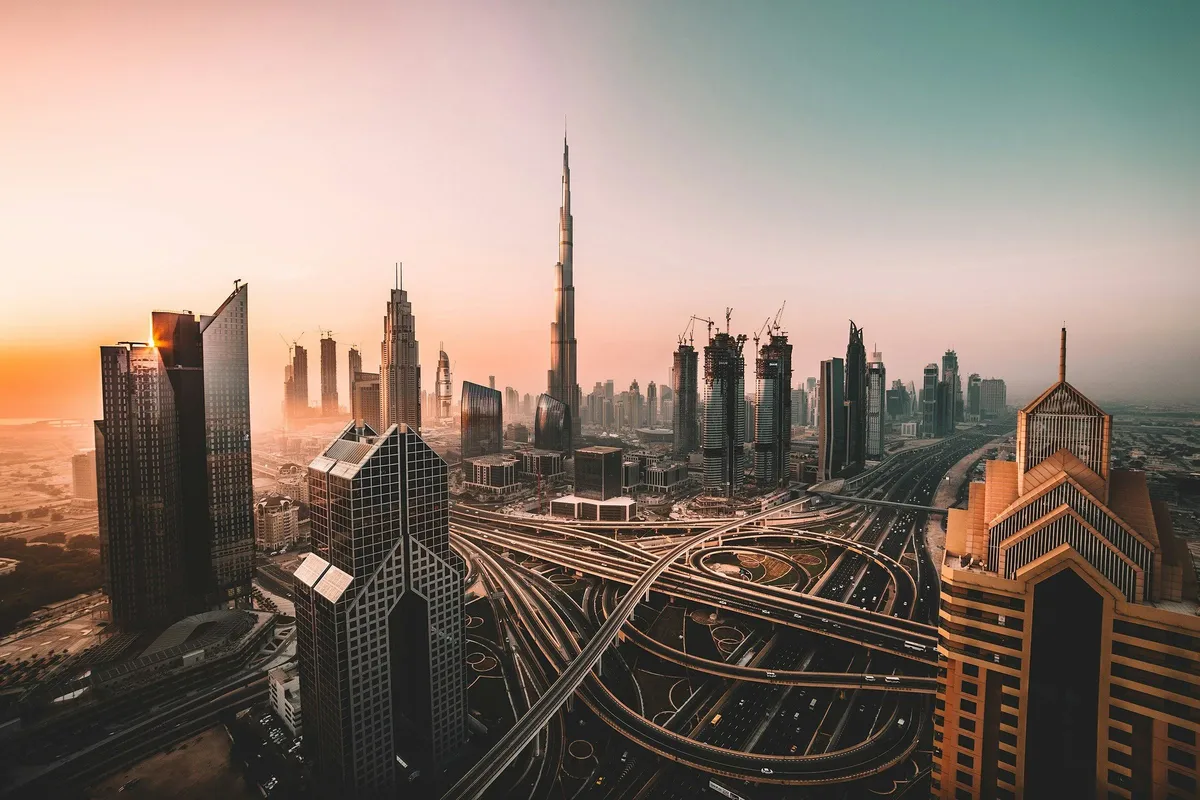
Dubai in Summer: Is It Worth It, and What to Do
Experience the best of summer in Dubai with our comprehensive guide. Uncover exciting activities, dining options, and essential tips for a memorable trip.
Read the story
Read
United Arab Emirates · Destination guides
Dubai in Summer: Is It Worth It, and What to Do
Experience the best of summer in Dubai with our comprehensive guide. Uncover exciting activities, dining options, and essential tips for a memorable trip.
Read the story
This starts with a conversation.
Tell us where you're headed — we'll take it from there.