
Destination guides
Plitvice Lakes, Croatia: Why the Water Is So Blue and How to Visit
Plitvice Lakes National Park in Croatia is a magical world of turquoise lakes, cascading waterfalls, and wooden walkways. With crystal-clear waters, hidden coves, and a constantly changing landscape, it’s a place to…
In this story 6
Plitvice Lakes National Park, nestled in the heart of Croatia, feels like a secret realm out of a fairy tale. Picture turquoise lakes connected by cascades of white foam, wooden pathways weaving through green forests, and the air alive with the soft roar of water. This is a place that doesn’t need fancy words to describe it—it just needs you to see it and feel it.
Where To Find It and How To Get There
Plitvice is right in the middle of Croatia, about halfway between the capital city, Zagreb, and the sun-soaked shores of the Adriatic coast. That makes it a perfect stop if you’re traveling between Zagreb and coastal towns like Zadar or Split. By car, it’s an easy two-hour drive from Zagreb, winding through scenic countryside that already hints at the nature that awaits. Buses also run from major cities, making it pretty convenient even if you’re not driving. Once you arrive, the national park has two main entrances, with parking lots and shuttle buses that help visitors get around without much fuss. From June to September, buy your ticket online in advance for a set entry time: the popular morning slots sell out, and summer prices are the highest of the year.
Why It’s So Special
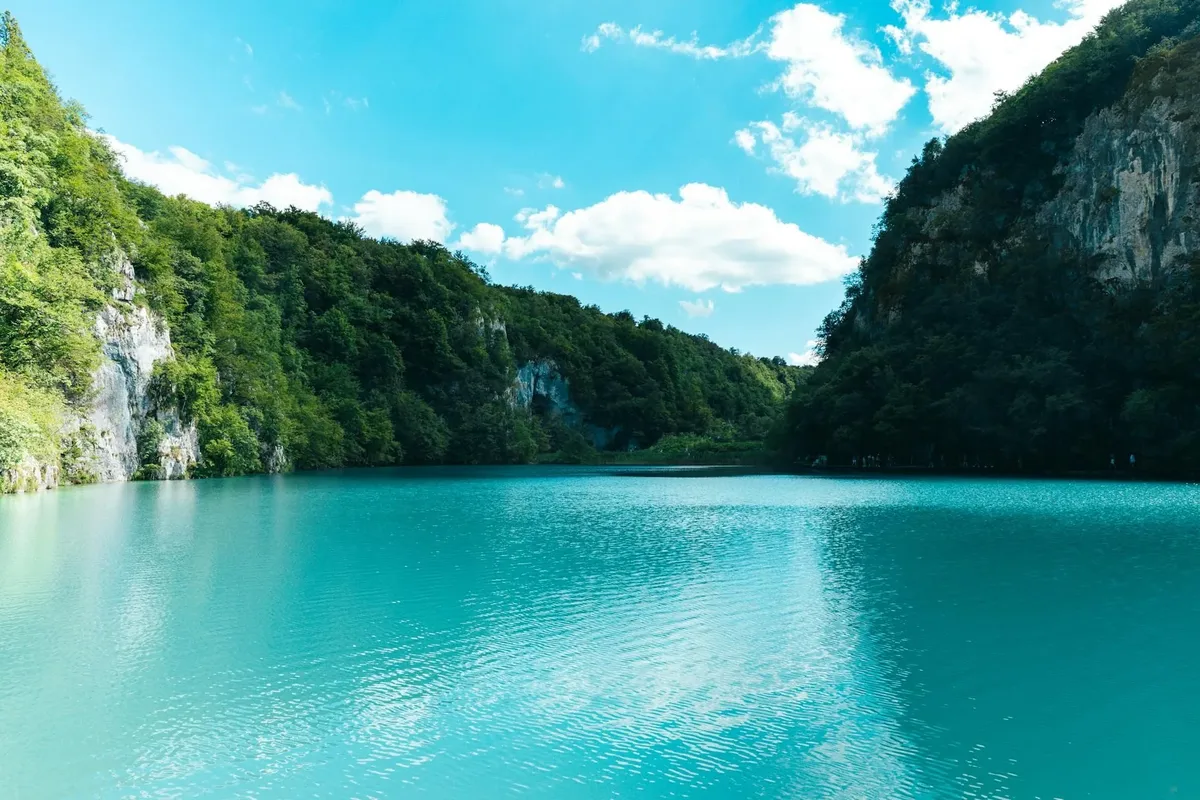
There’s something almost surreal about Plitvice. The lakes themselves are a natural wonder—sixteen in total, each one a different shade of blue or green, depending on how the light hits the water and what’s stirring underneath. They spill into one another over waterfalls and gentle rapids, creating a sense of constant movement and sound. It’s the sort of place where you could spend hours just standing still, watching the water tumble and listening to the hush of the forest.
Wooden Walkways And Hidden Corners
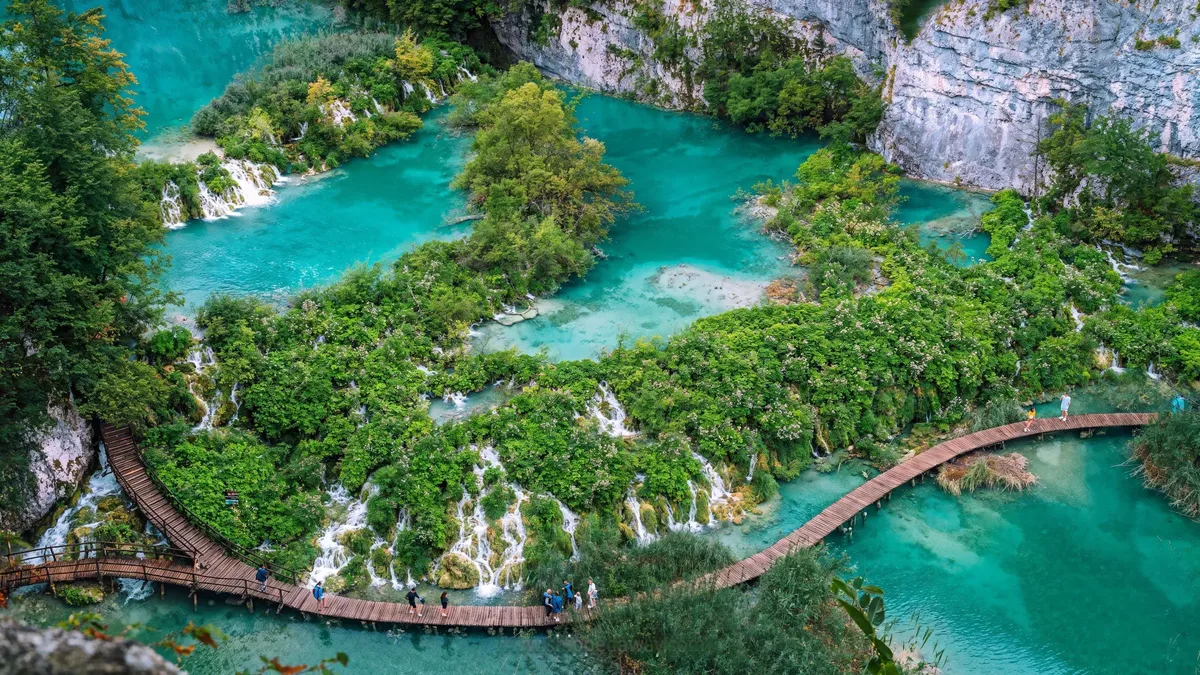
One of the best things about Plitvice is how accessible it feels. Wooden walkways hover just above the water, winding along the edges of lakes and through thick green undergrowth. They’re built in a way that doesn’t disturb the land, giving you a front-row seat to the park’s quiet drama. Every turn seems to offer a new surprise—a tiny waterfall trickling from a rock, a sudden opening where the trees give way to a perfect mirror of sky and lake.
Some visitors come here with a checklist, trying to see every lake and every waterfall. But Plitvice really rewards those who take it slow. Pause for a while by a quiet cove, watch the fish dart around in the crystal-clear water, or let your gaze drift up to the forested hills that cradle the lakes like a secret. The park is big enough that even on a busy day, you can find a corner of it that feels completely your own.
The Waterfalls – Nature’s Own Music
Of all the sights here, the waterfalls steal the show. The Veliki Slap, or Big Waterfall, is the tallest, tumbling down a sheer cliff in a frothy white rush. Stand near it and you’ll feel the spray on your skin, cool and sweet like a summer rain. But it’s the smaller falls that really capture the heart—delicate curtains of water that trickle over mossy rocks, each one adding to the soft music of the park. It’s the kind of sound that stays with you, even after you leave.
Seasonal Shifts And Ever-Changing Colors
Plitvice changes with the seasons, and that’s part of its magic. In spring, the forest bursts with new life, fresh green leaves and wildflowers peeking out along the paths. Summer brings warm sunshine and shimmering reflections on the water, while autumn is a riot of color—gold and red leaves floating on the lakes, waterfalls framed by fiery branches. Winter is quieter but no less beautiful, when the lakes partially freeze and the falls turn into icy sculptures.
No matter when you visit, the colors of the lakes are almost unreal. Some days they’re a soft aquamarine, other times they shift to deep sapphire or bright emerald, depending on the minerals and algae in the water and how the sun happens to catch them. Photos hardly do it justice; you really have to see it in person to understand.
Wildlife And Natural Beauty
Beyond the water, Plitvice is a haven for wildlife. You might catch sight of a deer slipping through the trees or hear the trill of a woodpecker echoing in the distance. Bears and wolves roam these forests, though they keep well away from the paths, and smaller creatures like otters and rare birds make their homes here, too. Even if you’re not a big animal lover, there’s something comforting about knowing the forest is alive with its own quiet stories.
Simple Joys – A Bite And A Rest
There’s not much in the way of big restaurants or shops here, and that’s part of what makes it feel so peaceful. Near the entrances, you’ll find a few cozy cafes and picnic spots, perfect for a simple sandwich and a cool drink after a long walk. It’s the kind of meal that tastes better just because of where you’re sitting—surrounded by trees, with the murmur of water never far away.
Tips To Make The Most Of It
A day is usually enough to see the main sights, but if you really want to soak up the calm, consider staying overnight in one of the nearby guesthouses or hotels. That way, you can be among the first to enter in the morning, when the mist still hangs low over the lakes and the only sounds are birdsong and the distant rush of waterfalls. Wear comfortable shoes—those wooden walkways can be slippery in places, and you’ll be doing plenty of walking. Bring a refillable water bottle, too; there’s something extra satisfying about drinking cool water after a morning spent wandering these hidden paths.
When To Visit?
Each season offers something different, but most people find late spring and early autumn the sweet spot. The summer crowds are smaller, the temperatures perfect for exploring, and the colors as vivid as they come. Winter can be a quiet wonderland, especially if you catch the first snow dusting the trees, but be prepared for some areas to close depending on the weather.
Why Plitvice Stays In The Heart
Plitvice Lakes isn’t just a beautiful place—it’s a reminder of how nature’s simple patterns can still take your breath away. It’s the hush of water meeting rock, the sudden sparkle of sun on blue water, and the feeling that here, at least, the world moves at a gentler pace. In a time when so many places feel hurried and crowded, Plitvice invites you to slow down and just be part of the landscape, even if only for a little while.
When you leave, you’ll carry the sound of those waterfalls with you. It’s the kind of music that doesn’t fade, even after the wooden paths and green reflections have slipped into memory.
Questions travellers ask
Why is the water in the Plitvice Lakes so blue?
The lakes sit on limestone. Minerals in the water, the white travertine beds and tiny organisms reflect the light, so the colour shifts from turquoise to deep blue and green with the sun and the season.
Do you need to book Plitvice tickets in advance?
In summer, yes. Tickets are sold online for a set entry time and the busiest slots sell out. Prices are highest from June to September (about €40 for adults) and much lower in winter.
How long do you need at Plitvice?
Four to six hours covers the main lower and upper lakes. Stay nearby overnight to enter first thing in the morning.
Do Indians need a visa for Croatia?
Yes. Croatia joined the Schengen area in 2023, so a Schengen visa is needed.
Know someone who should read this?
Send on WhatsAppKeep reading
All stories-
 Read
Finland · Destination guides
Where to See the Northern Lights in Finnish Lapland
Learn where to base yourself in Finnish Lapland, which months give the clearest skies, and how to plan your nights around the northern lights and clouds.
Read the story
-
 Read
Sri Lanka · Destination guides
What a Sri Lanka Trip Costs from India
A 5-night Sri Lanka beach trip costs about ₹35,000 to ₹55,000 per person on a budget and ₹60,000 to ₹90,000 mid-range, flights included.
Read the story
-
 Read
Destination guides
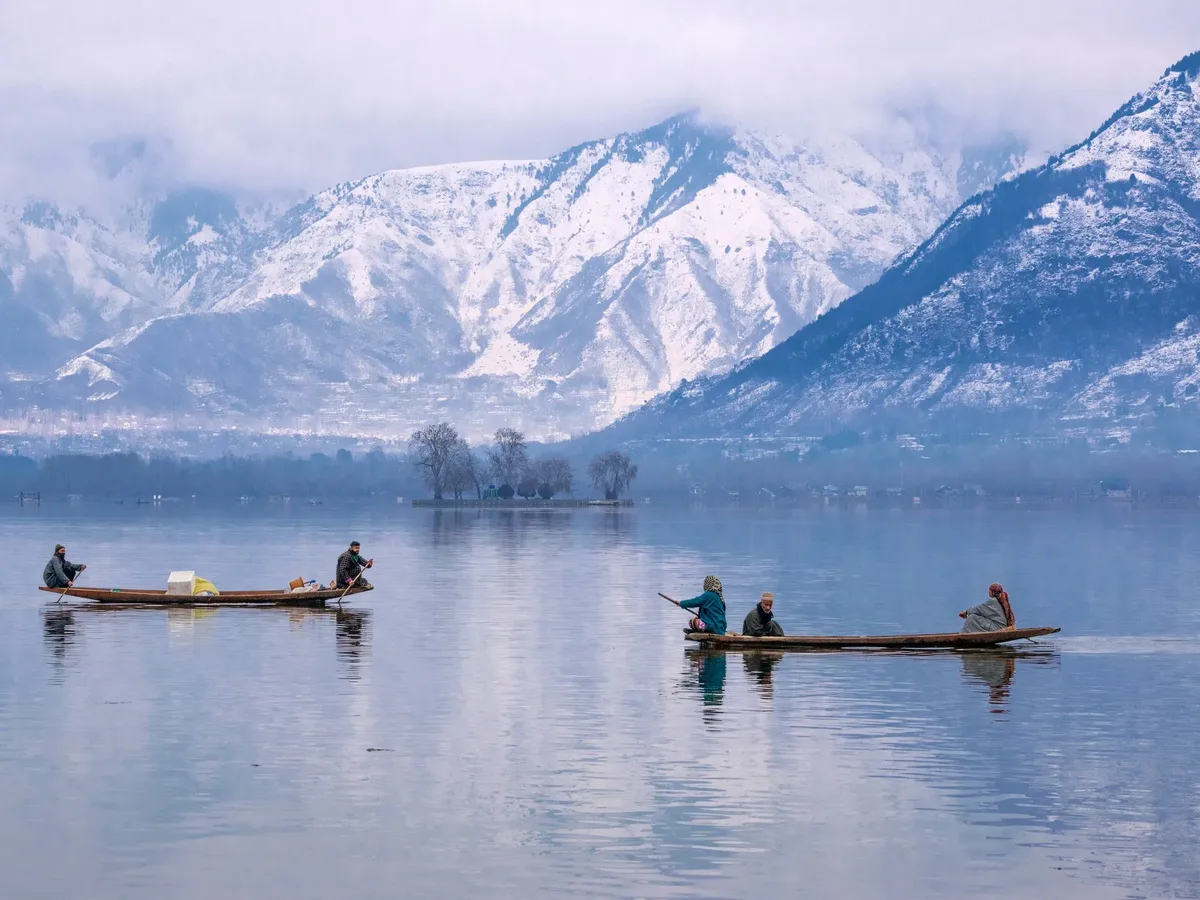
Kashmir in Winter, from Dal Lake to Gulmarg's Snow
Kashmir in winter suits travellers who want real snow, quiet houseboats and lower rates. A five-day plan around Srinagar and Gulmarg suits the season.
Read the story
-
 Read
Japan · Destination guides
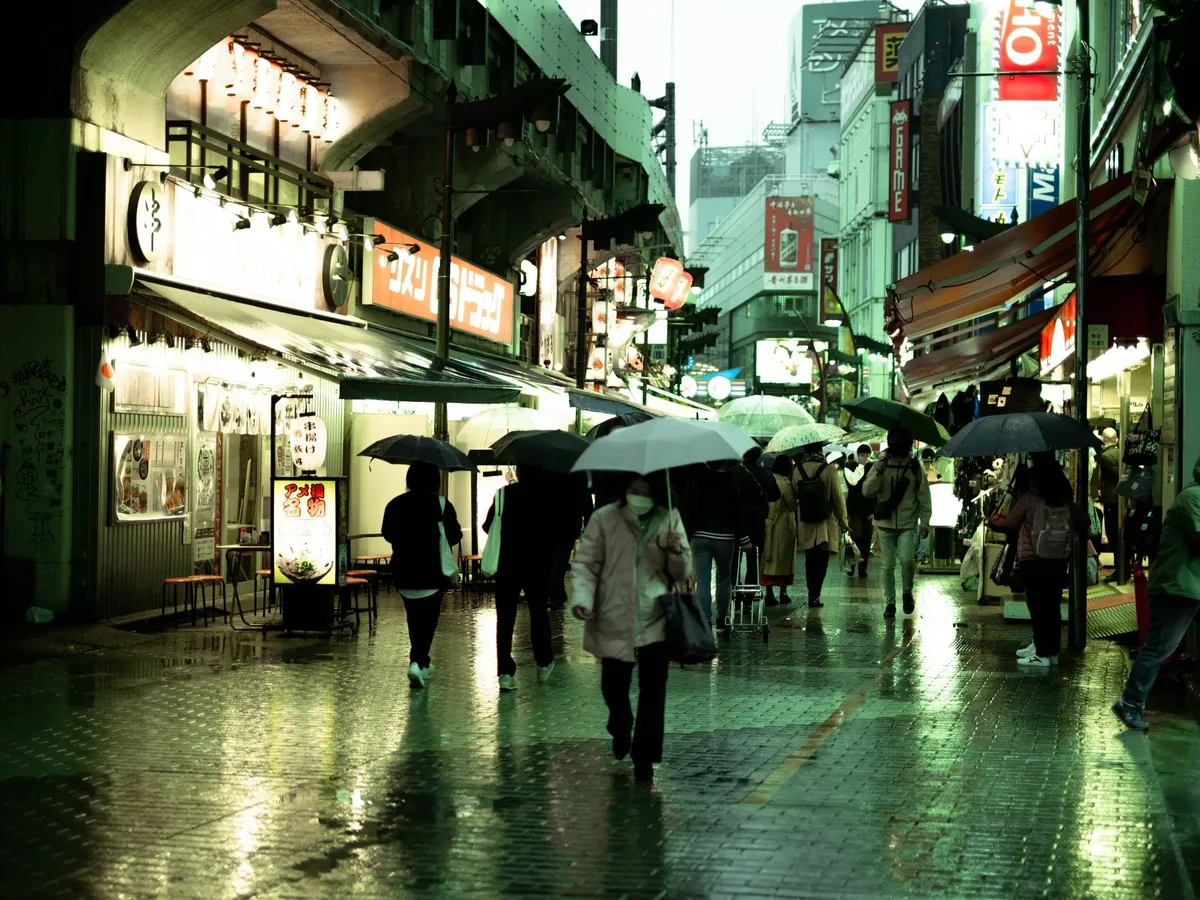
A 7-Day Japan Itinerary Through Tokyo and Osaka
A seven-day Japan itinerary with three nights each in Tokyo and Osaka, plus Mt. Fuji, Kyoto and Nara as day trips. Two bases mean fewer hotel changes.
Read the story
-
 Read
Vietnam · Destination guides
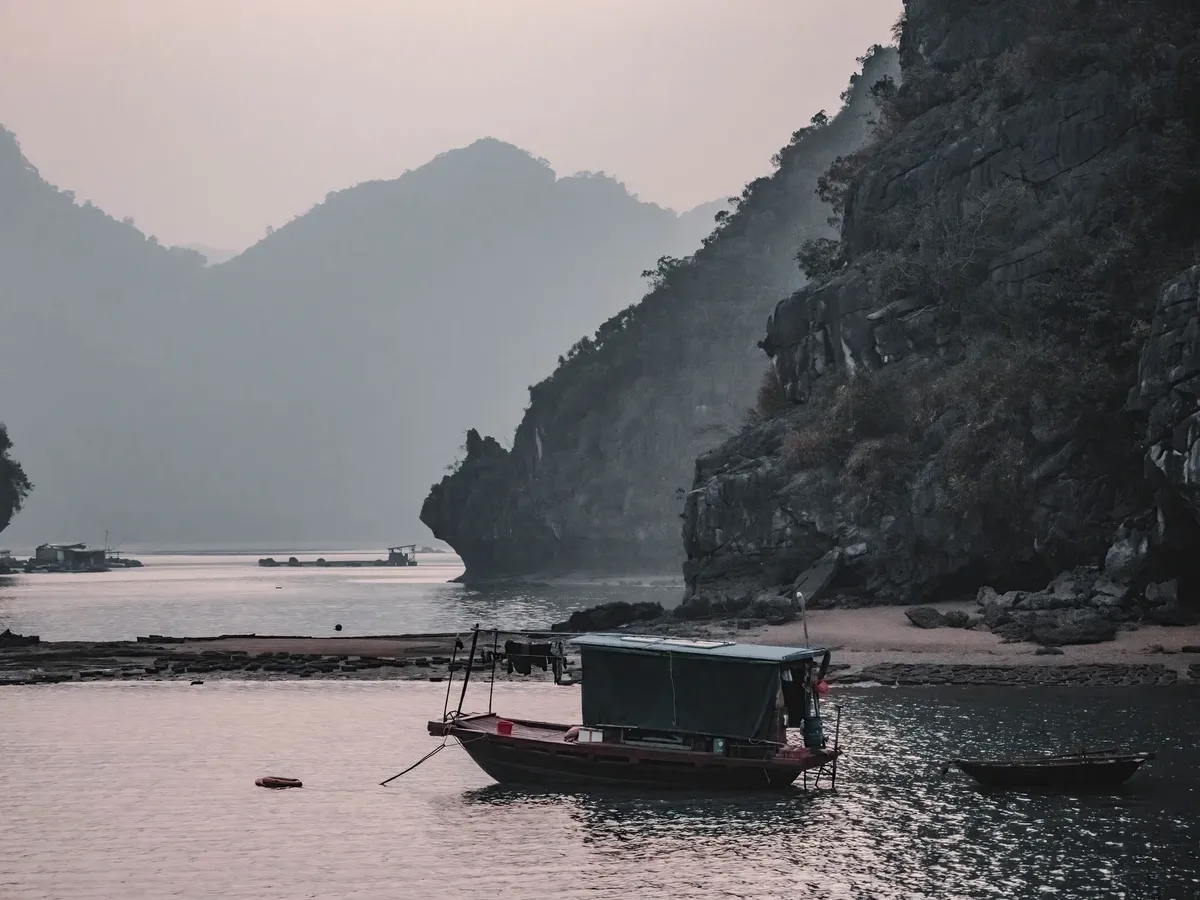
How Much a Vietnam Trip Costs from India
A comfortable week in Vietnam costs about ₹85,000 to ₹1,10,000 per person from India, return flights included. Flights and the cruise set the budget.
Read the story
-
 Read
Indonesia & Bali · Destination guides
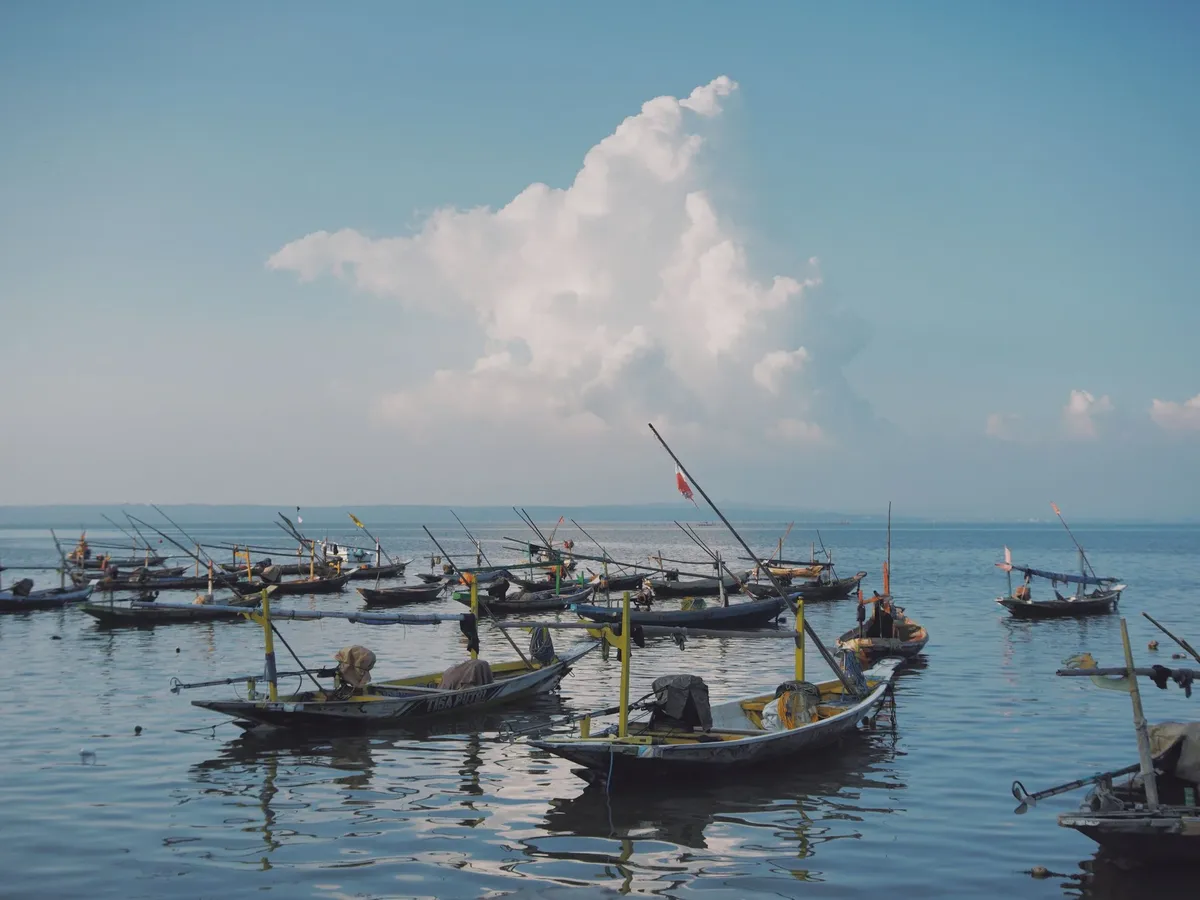
Places to Visit in Bali, from Ubud to the Nusa Islands
Most Bali trips work best with two or three bases: Ubud for the green highlands, a southern beach base and a Nusa island if you have the nights.
Read the story
-
 Read
Thailand & Vietnam · Destination guides
Best Honeymoon Destinations for First-Time Travellers Abroad
Thailand, Vietnam and Dubai compared for a first international honeymoon, with entry rules, trip lengths and month-by-month weather for each.
Read the story
-
 Read
Destination guides
Ladakh Trip Guide: Leh, Nubra and Pangong in 7 or 10 Days
Plan a Ladakh trip in 7 or 10 days: acclimatise in Leh, cross Khardung La to Nubra Valley, and add Pangong Lake with ten days.
Read the story
-
 Read
Vietnam · Destination guides
Vietnam with Kids: 7 and 10-Day Family Route
Pick a few hands-on stops for children, keep transfers short, and leave out overnight legs. Ninh Binh, Hoi An and Hanoi suit a first family trip best.
Read the story



This starts with a conversation.
Tell us where you're headed — we'll take it from there.