
Destination guides
Self-Drive Safaris in Africa: Is It Safe and How to Plan
Embark on an unforgettable self-drive safari in Africa. Our comprehensive guide offers tips and insights to help you plan your independent wildlife adventure seamlessly.
In this story 7
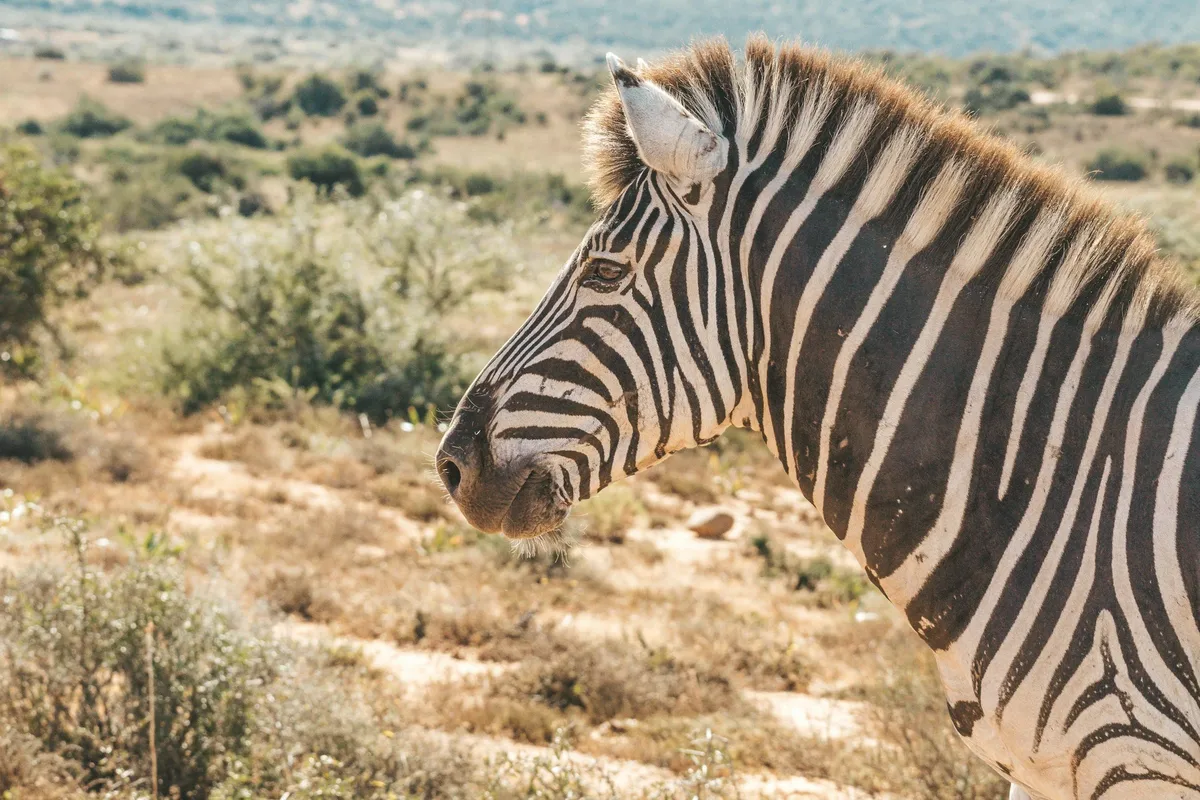
Travellers on a self-drive safari can independently explore wildlife destinations while driving a rental car without a tour guide by their side. Guided safaris may not provide the same sense of independence, adaptability, and immersion as this. These safaris, which are well-liked in countries like South Africa, Namibia, and Botswana, give guests complete control over their schedule, pace, and even the wildlife they want to see. For convenience and off-road capability, the majority of tourists choose 4x4 vehicles, frequently equipped with camping gear or rooftop tents
What Is a Self Drive Safari?
A self drive safari in South Africa or elsewhere in Africa lets you explore the wilderness in a rented vehicle—usually a 4x4—without a guide. You set the schedule, the stops, and the wildlife goals. It’s especially popular in South Africa, Namibia, Botswana, and increasingly in Tanzania.
These vehicles often come equipped with rooftop tents and camping gear, offering the flexibility to camp within parks and experience nature up close.
Is It Safe?
Yes, as long as visitors adhere to rules, stay on approved routes, and respect park regulations, self-drive safaris can be safe. Numerous national parks have well-marked roads, maps, and signage. Wildlife, malfunctions in isolated locations, or getting lost, however, pose a risk. Among the safety advice are:
When near animals, always keep windows rolled up
Never get out of your car unless you are allowed to
Make sure your GPS and phone are both charged and working. Notify park officials or lodges of your intended itinerary
Don't drive after dark
Conditions are particularly good for first-time self-drivers in places like Etosha National Park in Namibia and Kruger National Park in South Africa
Requirements: Age Limit, License, and Documents
The following are the usual prerequisites for an African self-drive safari
Driving License
You must have a current driver's license. Carry an International Driving Permit (IDP) with your Indian licence: most countries ask for one, and it avoids trouble at police checks. Keep your passport up to date at all times.
Rental Agreement & Insurance
Verify that your rental car comes with full insurance.
Minimum Age
Most rental companies need drivers to be at least 23 to 25 years old. Younger drivers may be subject to a surcharge.
Credit card
Required for deposits on rental cars. Verify ahead of time as each country or park may have different rules.
Organizing a self-drive safari involves these key steps
Select Your Location
Depending on your interests, wildlife objectives, and driving confidence, choose from well-known nations like South Africa, Namibia, Botswana, or Zambia.
Select Parks/Reserves
Because of their infrastructure and abundance of wildlife, Kruger, Etosha, Chobe, and Kgalagadi are well-liked.
Reserve a Car
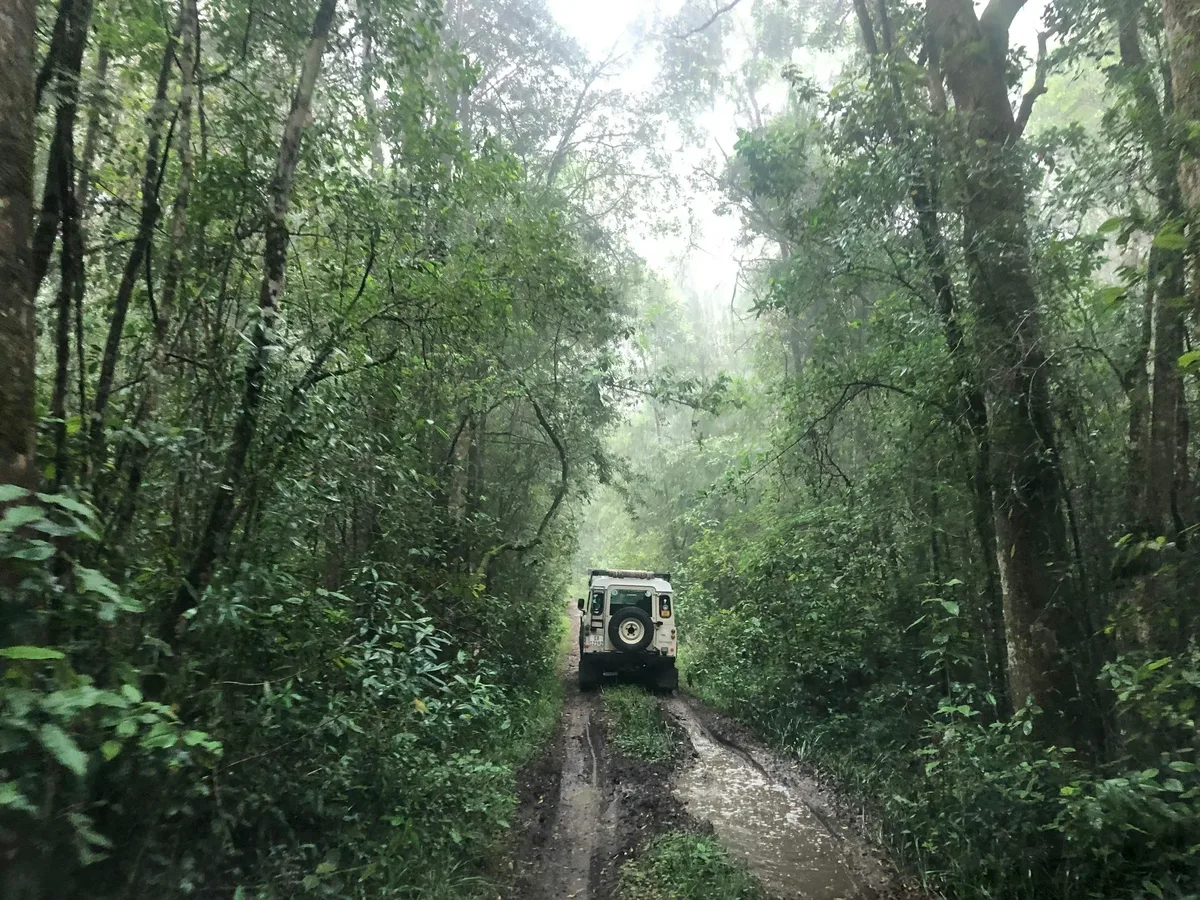
Hire a dependable 4x4 car, ideally one with plenty of ground clearance. A lot of them have camping gear. Select lodging options such as self-catering chalets within or close to parks, lodges, or campsites. During busy times, these sell out fast.
Map Your Route
Because driving in parks is slow, make realistic distance plans. Make sure there are food and fuel stops.
Bring the necessities
a power bank, water, snacks, a first aid kit, binoculars, and paper maps.
Familiarize Yourself with Rules
Each park has unique guidelines—like speed limits, restricted roads, and animal interaction rules.
Best Routes to Take
Here are some top self-drive safari routes in Africa
South Africa – Kruger National Park
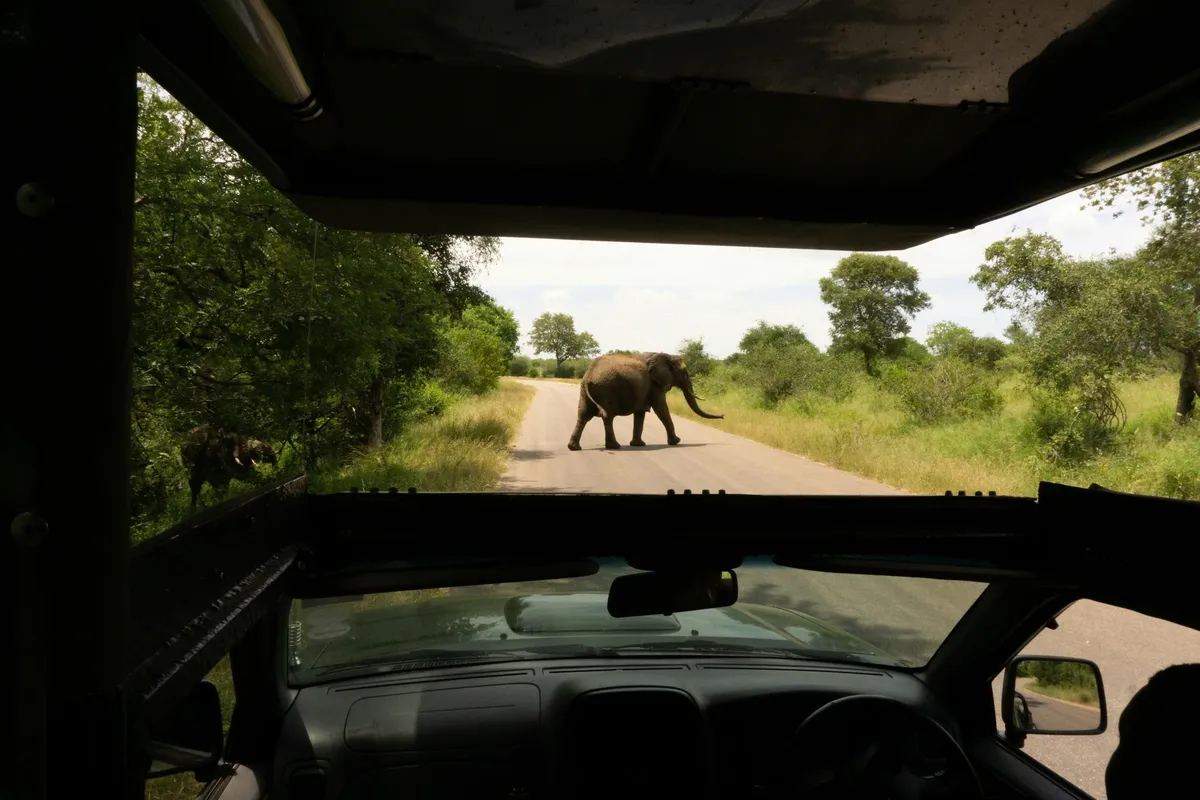
The most beginner-friendly. Well-maintained roads, excellent signposting, and abundant wildlife. Ideal for first-timers.
Namibia – Etosha National Park + Skeleton Coast
Etosha offers incredible wildlife near waterholes, while the Skeleton Coast adds desert scenery. Namibia is known for its ease of driving and minimal traffic.
Botswana – Chobe & Moremi Reserves
A more rugged adventure requiring experience with sand and river crossings. Offers some of the richest wildlife experiences in Africa.
Zambia – South Luangwa
A remote and wild experience for confident drivers. Offers intense lion and leopard sightings.
Kenya – Maasai Mara
Possible with pre-arranged permits and local advice. Infrastructure is more suited for guided safaris, but self-drive is growing.
Best Companies That Offer Self-Drive Safaris
These companies are known for well-equipped vehicles and route planning assistance:
- Bushlore Africa (South Africa, Namibia, Botswana): fully equipped 4x4s with rooftop tents and route planning.
- Britz 4x4 Rentals: popular across southern Africa, with many vehicle options and a reliable network.
- Drive South Africa: a well-known booking site for rentals and itinerary support.
- Asco Car Hire (Namibia): known for sturdy vehicles and local knowledge.
- Caprivi Car Hire (Namibia and Botswana): good for cross-border trips, with camping gear and detailed briefings.
- Safari Drive (UK-based): premium, personalised self-drive itineraries.
- Wander Beyond Boundaries: guided self-drive expeditions across Africa in convoys of equipped 4x4s.
Questions travellers ask
Is a self-drive safari safe?
Yes, in parks like Kruger and Etosha, if you stay in the car near animals, keep to marked roads, are inside the camp gates before closing time and never drive at night.
Can Indians drive in South Africa and Namibia?
Yes, with a valid Indian driving licence plus an International Driving Permit. Both drive on the left, like India.
What is the best time for a self-drive safari?
The dry season, about May to October, when animals gather at waterholes and gravel roads are easier.
Do I need a 4x4 for Kruger?
No. Kruger's main roads are tarred or good gravel, so a normal car is fine. Namibia's gravel roads and Botswana's sand tracks need a 4x4.
Know someone who should read this?
Send on WhatsAppKeep reading
All stories-
 Read
Destination guides
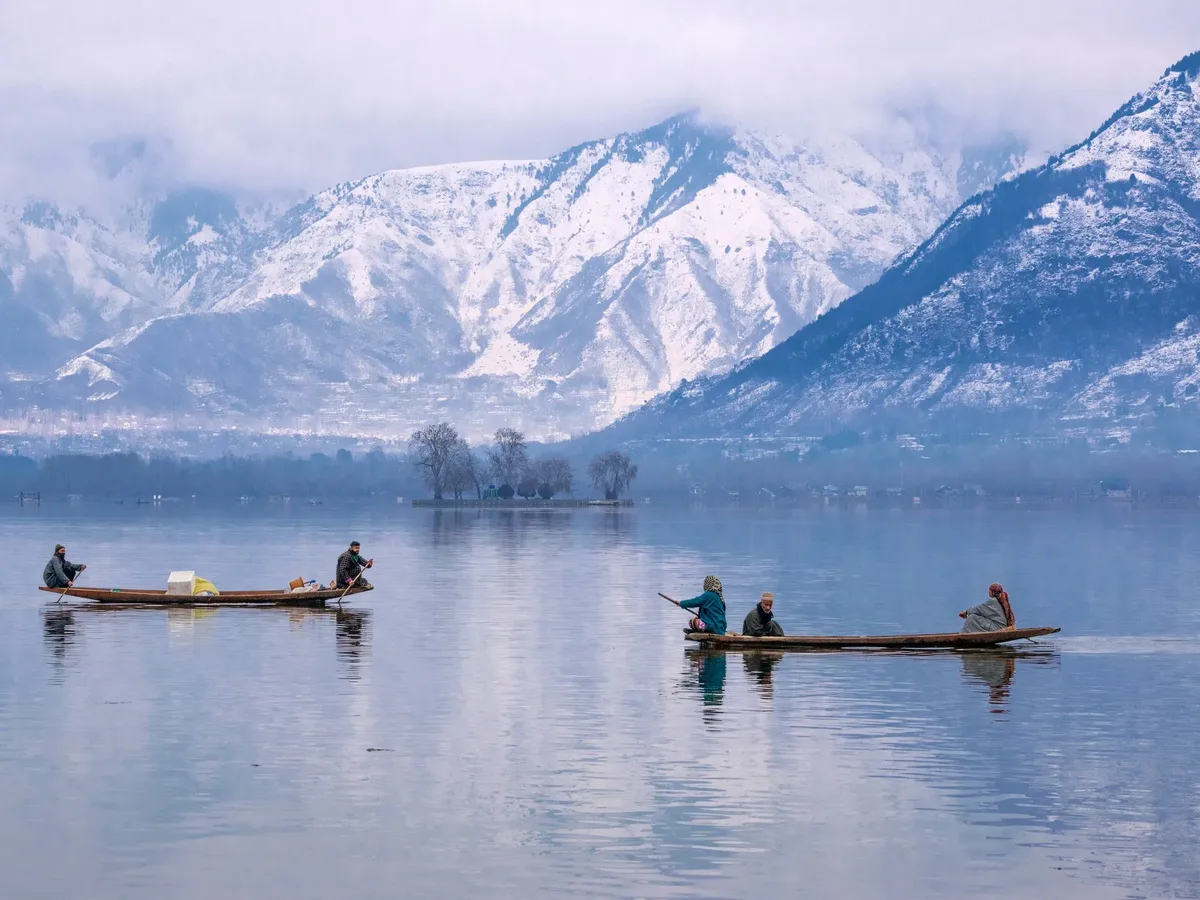
Kashmir in Winter, from Dal Lake to Gulmarg's Snow
Kashmir in winter suits travellers who want real snow, quiet houseboats and lower rates. A five-day plan around Srinagar and Gulmarg suits the season.
Read the story
-
 Read
Destination guides
How to Plan a Trip Like a Pro: From Research to Packing
Plan better trips with clarity, balance, and flexibility.
Read the story
-
 Read
Maldives · Destination guides
6 Things to Do in the Maldives That Aren't Water Sports
Is a Maldives vacay exclusively about water sports, luxurious villas, and beachside relaxation? Absolutely not! Here's why.
Read the story
-
 Read
Finland · Destination guides
Where to See the Northern Lights in Finnish Lapland
Learn where to base yourself in Finnish Lapland, which months give the clearest skies, and how to plan your nights around the northern lights and clouds.
Read the story
-
 Read
Sri Lanka · Destination guides
What a Sri Lanka Trip Costs from India
A 5-night Sri Lanka beach trip costs about ₹35,000 to ₹55,000 per person on a budget and ₹60,000 to ₹90,000 mid-range, flights included.
Read the story
-
 Read
Japan · Destination guides
A 7-Day Japan Itinerary Through Tokyo and Osaka
A seven-day Japan itinerary with three nights each in Tokyo and Osaka, plus Mt. Fuji, Kyoto and Nara as day trips. Two bases mean fewer hotel changes.
Read the story
-
 Read
Vietnam · Destination guides
How Much a Vietnam Trip Costs from India
A comfortable week in Vietnam costs about ₹85,000 to ₹1,10,000 per person from India, return flights included. Flights and the cruise set the budget.
Read the story
-
 Read
Indonesia & Bali · Destination guides
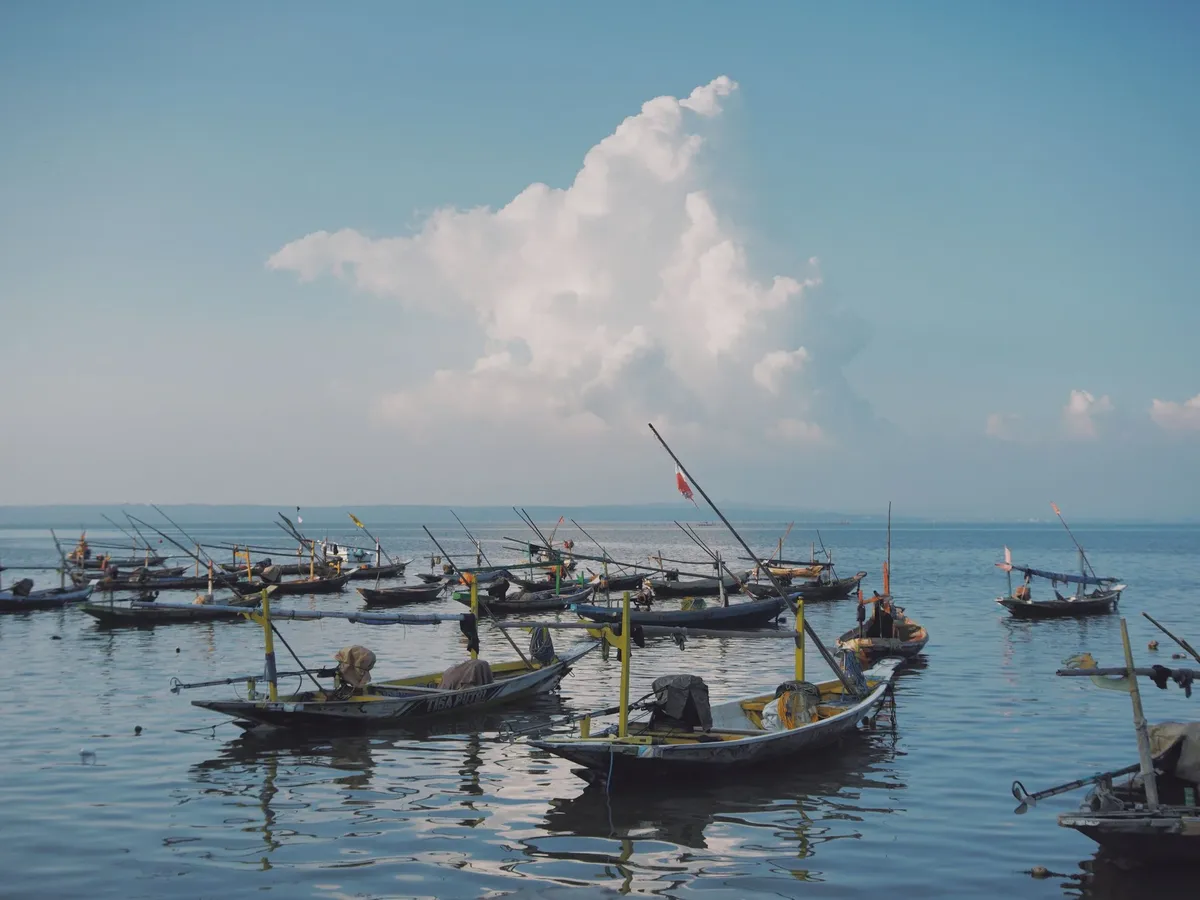
Places to Visit in Bali, from Ubud to the Nusa Islands
Most Bali trips work best with two or three bases: Ubud for the green highlands, a southern beach base and a Nusa island if you have the nights.
Read the story
-
 Read
Thailand & Vietnam · Destination guides
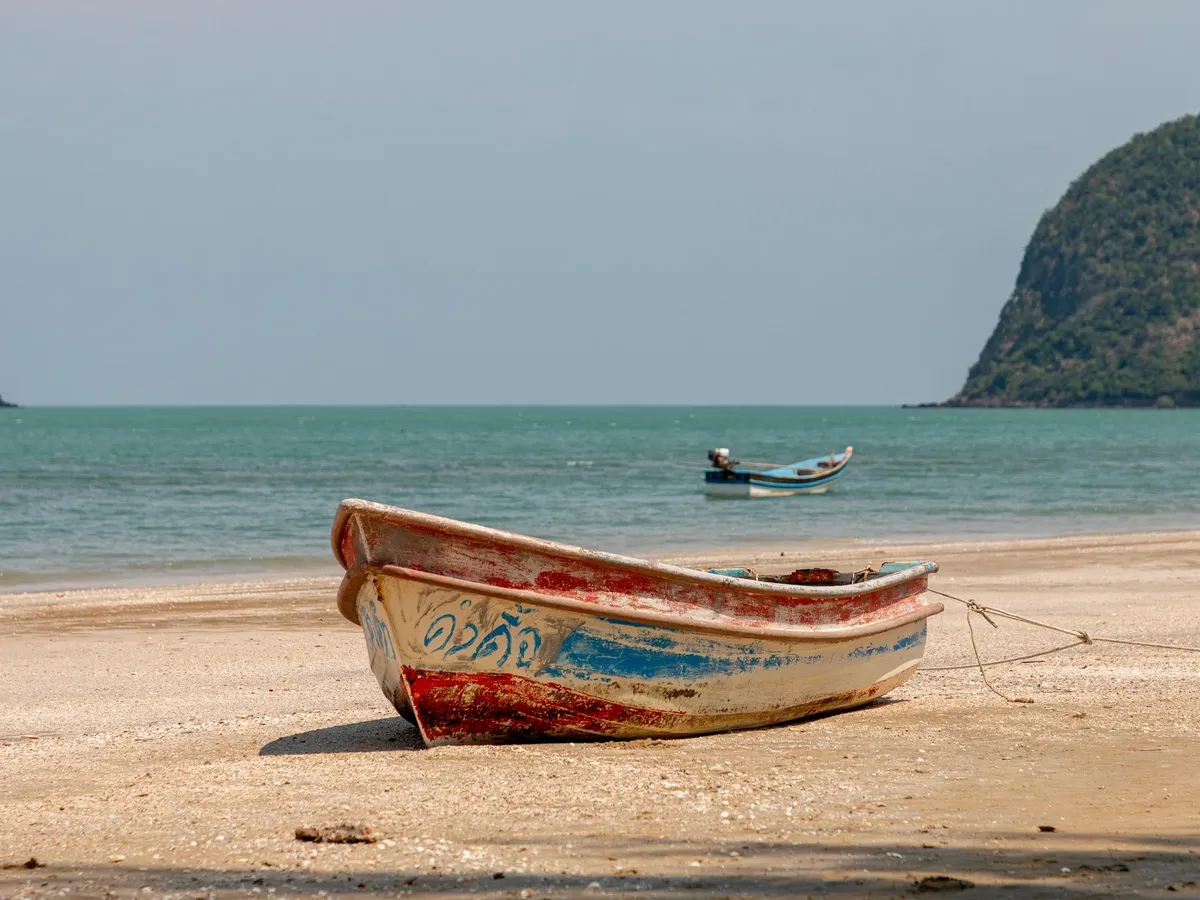
Best Honeymoon Destinations for First-Time Travellers Abroad
Thailand, Vietnam and Dubai compared for a first international honeymoon, with entry rules, trip lengths and month-by-month weather for each.
Read the story


This starts with a conversation.
Tell us where you're headed — we'll take it from there.