
Thailand · Destination guides
Vietnam vs Thailand for a First International Trip from India: Visa, Budget and Food
A side-by-side look at visa rules, daily budgets, food and travel times for Indian passport holders choosing between Vietnam and Thailand. Thailand offers visa-free tourist entry for 30 days, while Vietnam requires a visa.
In this story 8
A first trip abroad should feel doable, and the biggest gap between these two countries is paperwork. Indian passport holders can enter Thailand for tourism without a visa for up to 30 days. For Vietnam you need a visa.
Visa rules for Indian passport holders
Thailand
Indian ordinary passport holders can enter Thailand for tourism visa-free for up to 30 days, and no visa fee applies to that entry. The exemption has been effective from 15 September 2026 and runs "until further announcement", so check that it still stands before you book.
If you need a visa instead, apply on thaievisa.go.th. A single-entry tourist visa for applicants in India costs ₹3,000 and permits a 60-day stay. Applications submitted through the Thai Embassy in New Delhi take about 14 working days from the date the fee receipt is issued.
Vietnam
Indian ordinary passports are not on Vietnam's visa-exempt list, so you need a visa. Apply on Vietnam's official e-visa portal. Your passport must expire at least six months after you arrive.
An e-visa is valid for up to 90 days, and the dates on your approved visa set how long you can stay. Vietnam also has a Pre-arrival Information (PAI) form. It is a pilot at Tan Son Nhat airport and not mandatory, but you can submit it online within three days before arrival and receive a QR code.
Vietnam: what you actually do
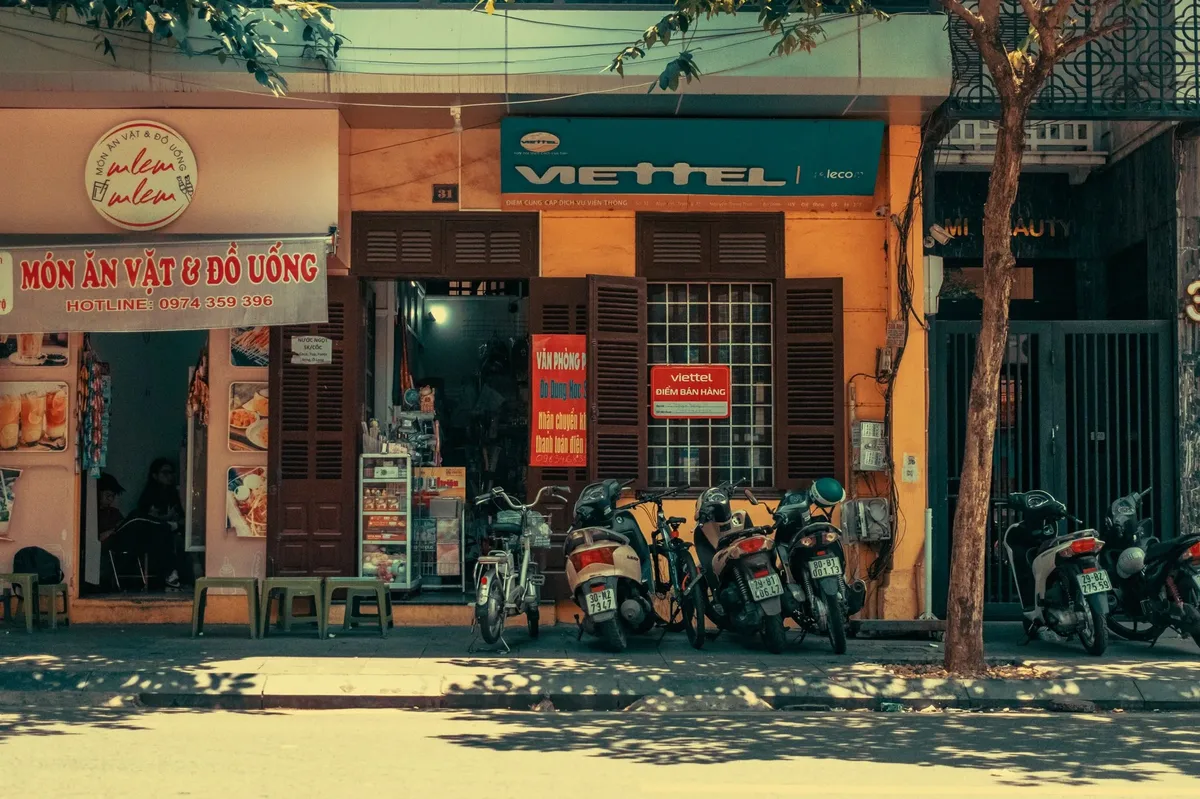
Start in Hanoi. Wander the Old Quarter, a single square kilometre of 36 streets, each historically home to artisans trading in one kind of goods. Then watch locals do their daily exercise and tai chi by Hoan Kiem Lake. Add the Temple of Literature, a Confucian temple that became home to Hanoi's first university in 1076. If you like history mixed with street life, Hanoi is the best first city in either country.
From Hanoi you can fan out:
- Ha Long Bay: limestone islands, caves, beaches and outdoor activities. A cruise of two or more nights lets the boat go further in and reach quieter bays.
- Ninh Binh: a boat ride through the Tam Coc caves, then cycling through the fields to Bich Dong Pagoda.
- Hoi An: lantern-lit evening walks, with monthly full-moon lantern nights when the Ancient Town turns off its electric lights.
- Ho Chi Minh City: street food and nightlife.
Vietnam pros and cons
- Pro: a low Hanoi budget day, and scenery that changes from city to bay to river caves
- Pro: short transfers where you need them, such as the 2 hour 13 minute morning train from Hanoi to Ninh Binh
- Con: a visa to arrange before you fly
- Con: long distances, such as 12 to 13 hours overnight by train from Hanoi to Hue
- Con: taxi scams, so use metered or pre-booked taxis, especially at airports
Thailand: what to expect
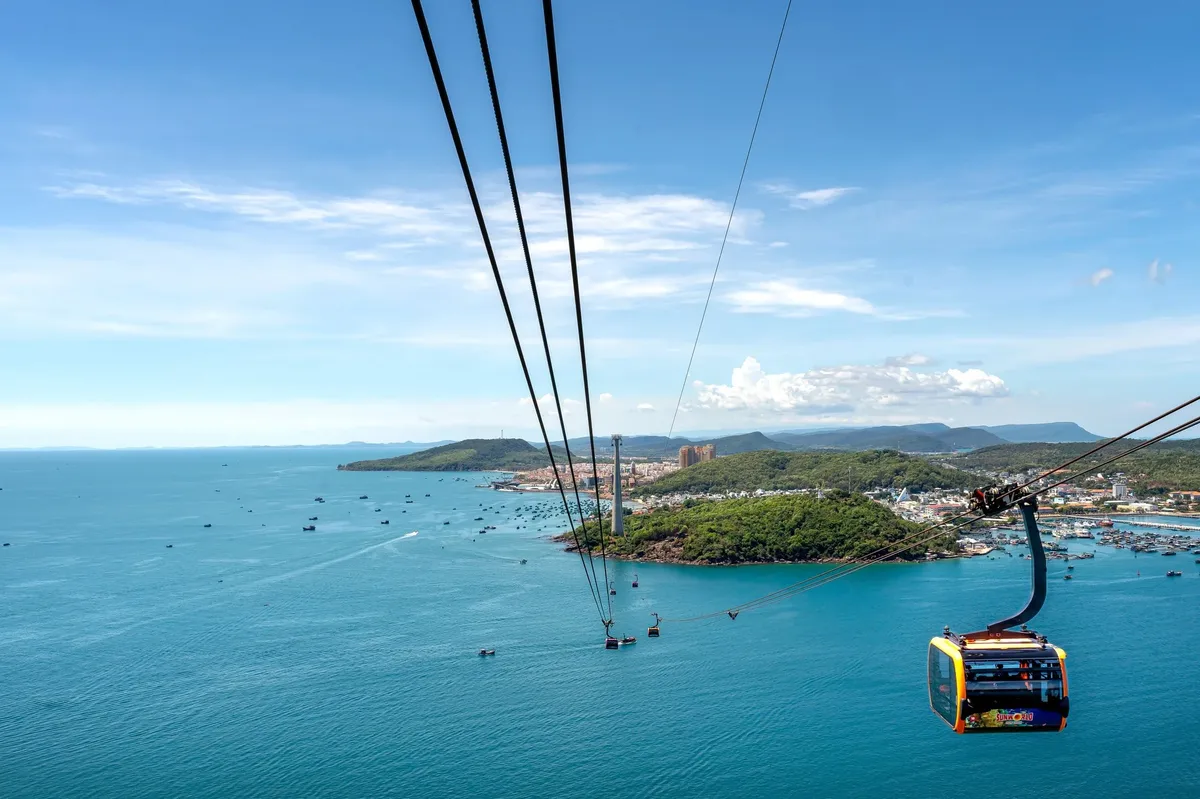
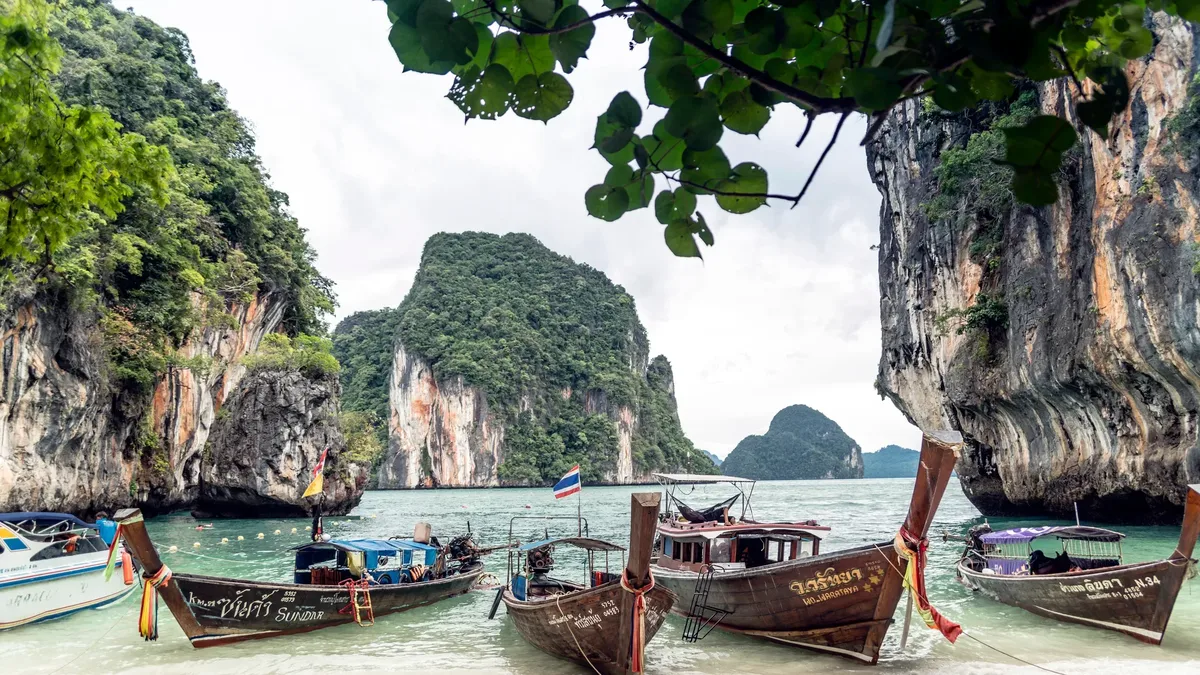
Thailand's strength for a first-timer is how easily you move around. Bangkok to Chiang Mai takes just over an hour by air, against more than 10 hours by train or bus. For the islands, the ferry from Phuket to Koh Phi Phi takes 1.5 to 2 hours, with multiple daily departures.
Thailand pros and cons
- Pro: visa-free entry
- Pro: easy domestic flights
- Con: the U.S. State Department warns that financial scams are prevalent
- Con: drink spiking and methanol poisoning can occur, so never leave food or drinks unattended
- Con: March to June is hot, with an average maximum of 35 °C
Plan this trip
Thinking about Thailand?
We build every trip from scratch around you. Tell us your dates and we take it from there.
Plan my trip WhatsApp us Read the full guide: ThailandFood, language and culture for Indian travellers
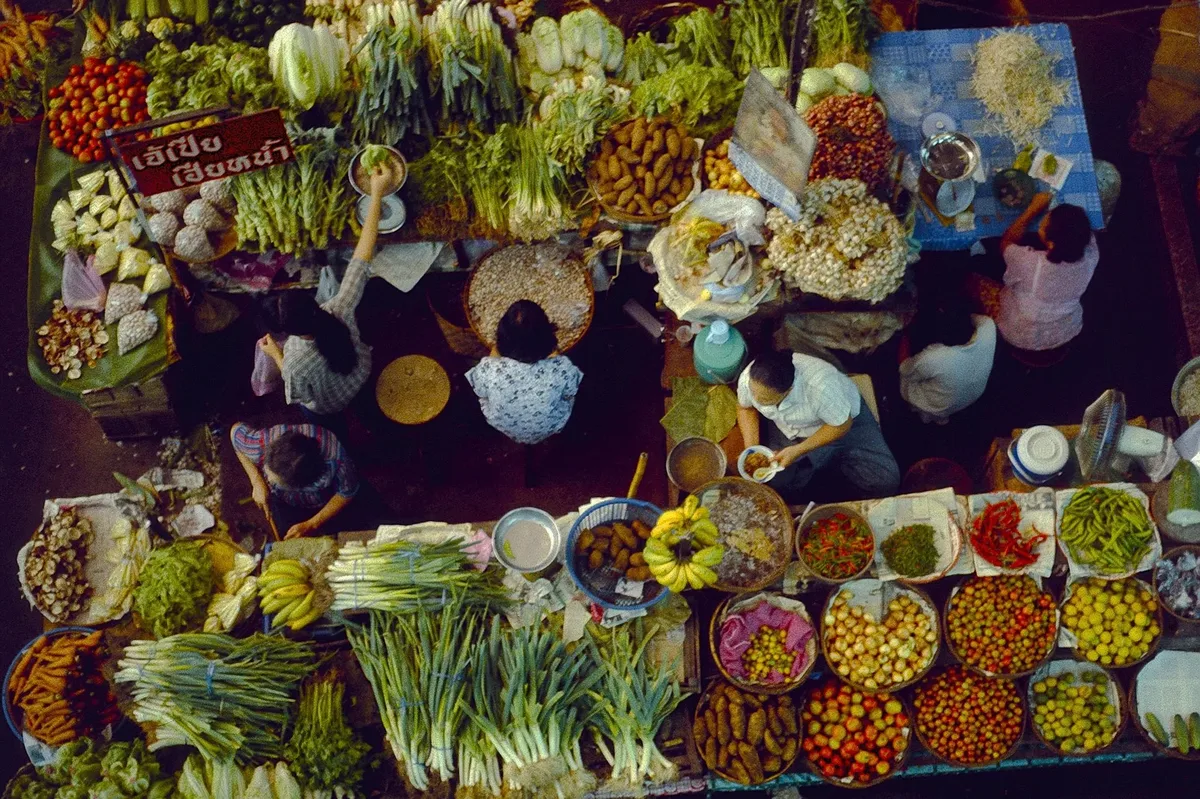
Food is where Indian travellers will feel most at home in Thailand. Bangkok's massaman curry is flavoured with Indian bay leaves and nutmeg, so it will taste less foreign than most things on the menu.
In Vietnam, vegetarians have a clear address: Du Yen in Ho Chi Minh City is Michelin-selected and vegetarian, and it opened in mid-2023. Hanoi's signature bún chả is grilled pork served with dipping sauce, rice vermicelli and fresh herbs, so ask carefully before you order anything with a meat-heavy name.
Street food is cheap. A plate of bánh cuốn costs about ₹110–180 (30,000–50,000 VND) at street stalls and up to about ₹290 (80,000 VND) at restaurants.
On water, drink only boiled or bottled water in Vietnam. In Thailand, avoid tap water and ice and choose bottled or filtered water.
How much per day
These are per person per day, flights not included.
At mid-range, Hanoi is about ₹6,300 a day, against about ₹10,500 for Bangkok and about ₹10,500 for Ho Chi Minh City. At luxury level, the accommodation budget per person per day is about ₹13,700 in Bangkok against about ₹8,000 in Hanoi.
Hanoi is the cheapest city compared here, and Phuket is the priciest at budget level.
When to go

Northern Vietnam is best in February to April or September to November, when temperatures are 18 to 25°C. Ho Chi Minh City is most comfortable in the dry season, December to April.
Thailand's rainy season is June to September. From November to February the average minimum is 20 °C, which makes it the cooler stretch.
Our view
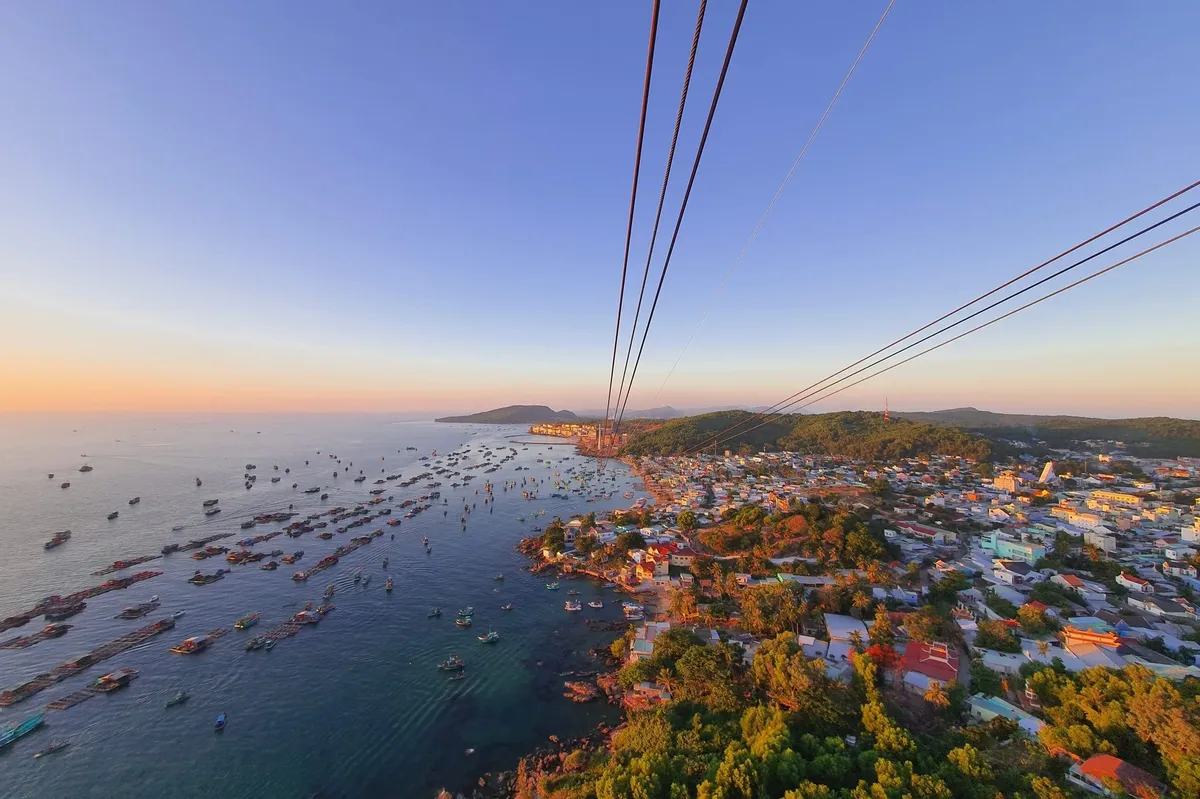
Pick Thailand first if you want the least paperwork. Pick Vietnam if Hanoi's budget and scenery matter more to you than filling in one extra online form. If this is your very first passport stamp and you want to book quickly, Thailand's visa-free entry removes the biggest source of first-trip stress. If you have the time to apply for the e-visa, Vietnam gives you more variety per rupee.
Send us your dates, your budget and what you want to feel, and we'll take it from there. Tell us about your trip
Questions travellers ask
Do Indians need a visa for Thailand?
Not for tourism up to 30 days under the current exemption. If you need a visa, apply on thaievisa.go.th.
Do Indians need a visa for Vietnam, and where do I apply?
Yes. Apply on Vietnam's official e-visa portal, and make sure your passport expires at least six months after arrival.
How long can I stay in Vietnam on an e-visa?
An e-visa is valid for up to 90 days, and the dates on your approved visa govern your stay.
Which is cheaper, Bangkok or Hanoi?
Hanoi. At budget level it is about ₹2,300 a day against about ₹3,900 in Bangkok.
Is it easy for vegetarians?
Ho Chi Minh City has Du Yen, a Michelin-selected vegetarian restaurant. In Thailand, massaman curry has an Indian-style spice base, but check the ingredients before you order.
Is tap water safe?
No, in both countries. Drink boiled or bottled water in Vietnam, and bottled or filtered water in Thailand, without ice.
Know someone who should read this?
Send on WhatsAppKeep reading
All stories-
 Read
Vietnam · Destination guides
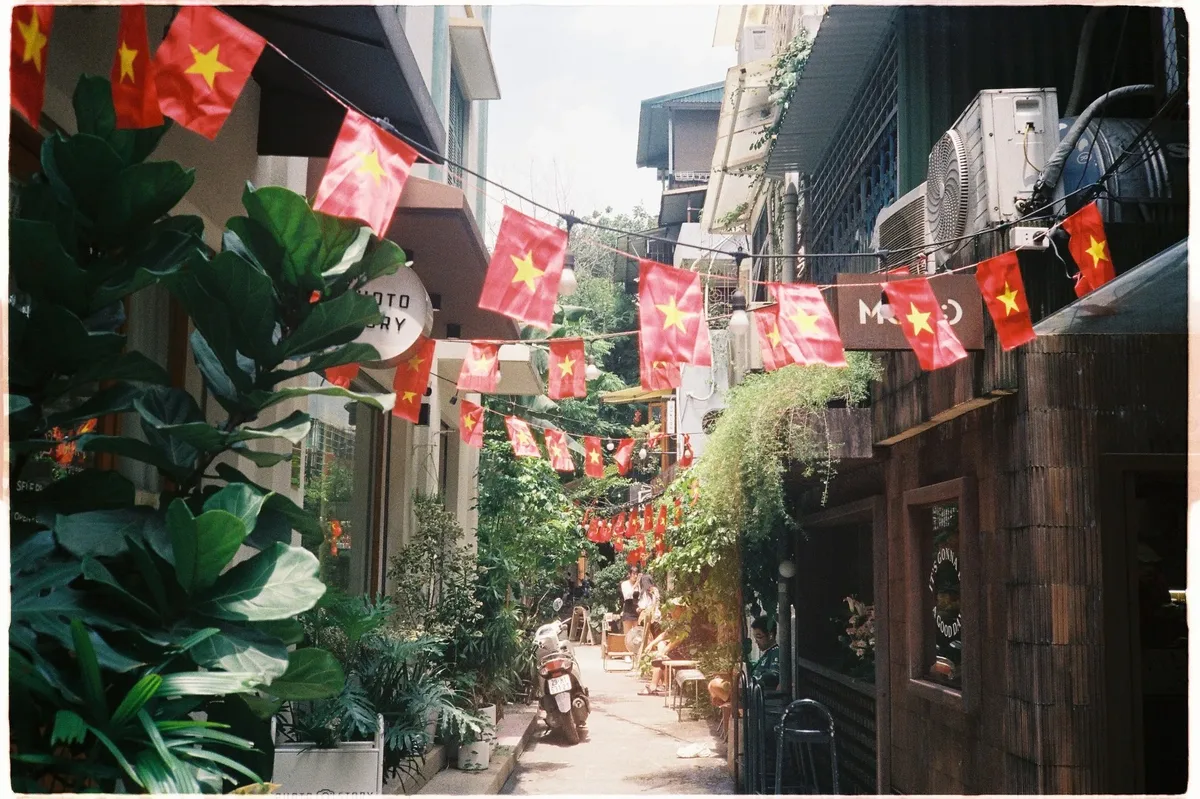
How to plan a Vietnam trip: street food, noisy cities and quiet mornings
Plan a Vietnam trip around street food, noisy cities and quiet early mornings. It covers where to base yourself, when to go, getting around and the visa you need as an Indian passport holder.
Read the story
Read
Vietnam · Destination guides
How to plan a Vietnam trip: street food, noisy cities and quiet mornings
Plan a Vietnam trip around street food, noisy cities and quiet early mornings. It covers where to base yourself, when to go, getting around and the visa you need as an Indian passport holder.
Read the story
-
 Read
Vietnam · Destination guides
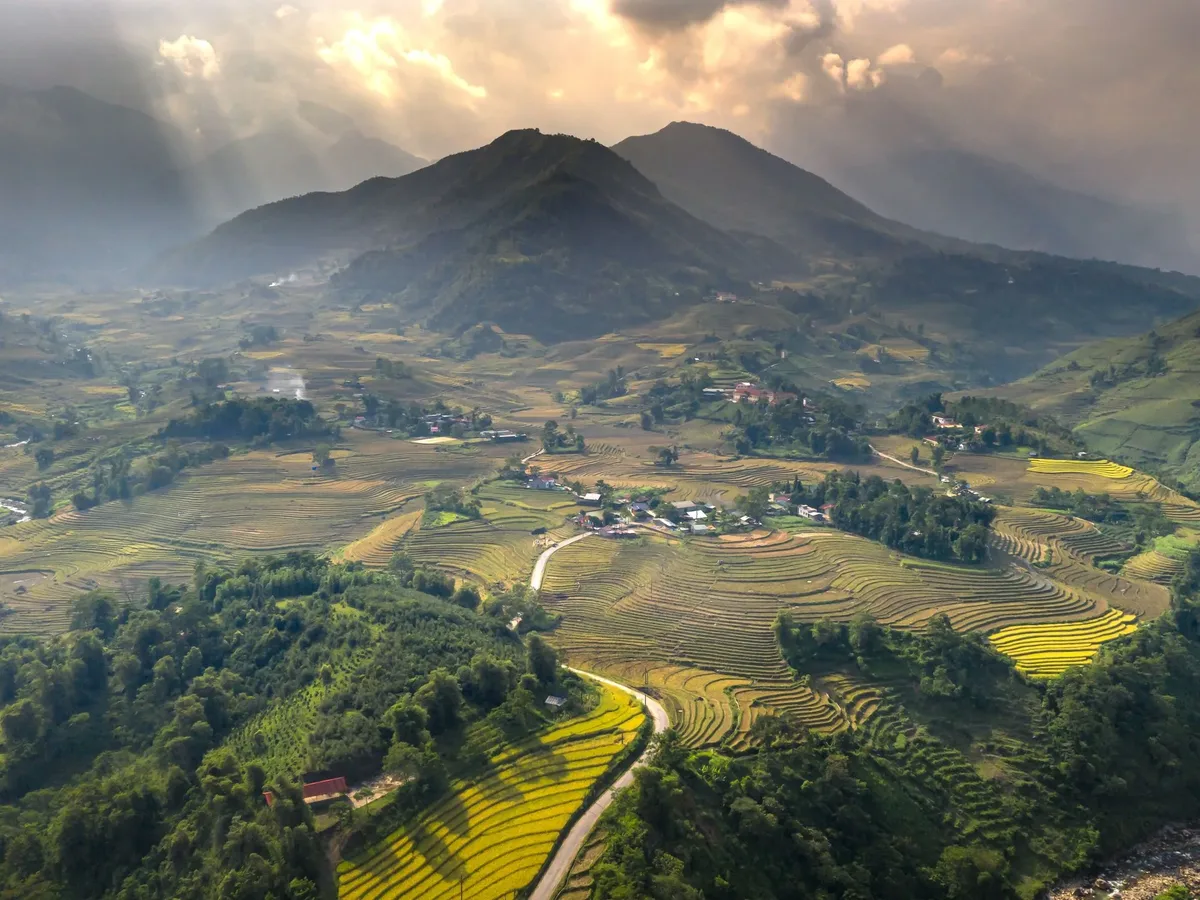
Vietnam Itinerary for a First Trip: 7, 10 or 14 Days, Day by Day
Choose a 7, 10 or 14-day Vietnam route by the time you have, with a day-by-day plan from Hanoi to Ho Chi Minh City. The guide covers Ha Long Bay, Ninh Binh, Hue, Hoi An and Sapa.
Read the story
Read
Vietnam · Destination guides
Vietnam Itinerary for a First Trip: 7, 10 or 14 Days, Day by Day
Choose a 7, 10 or 14-day Vietnam route by the time you have, with a day-by-day plan from Hanoi to Ho Chi Minh City. The guide covers Ha Long Bay, Ninh Binh, Hue, Hoi An and Sapa.
Read the story
-
 Read
Destination guides
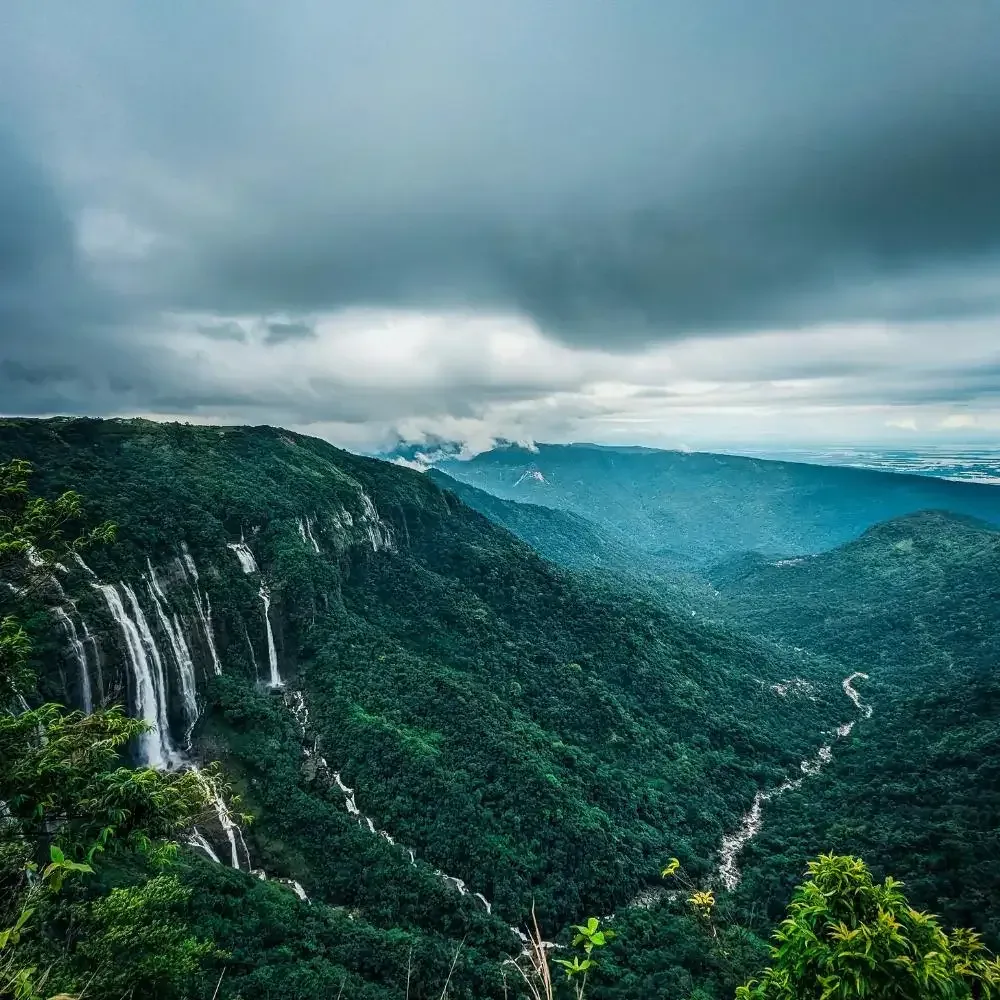
Best Places to Visit in India in August and September 2027
Monsoon green and post-monsoon calm: where to go in India in August and September 2027, from Ladakh and Spiti to Meghalaya, Ziro, Hampi and the Andamans.
Read the story
Read
Destination guides
Best Places to Visit in India in August and September 2027
Monsoon green and post-monsoon calm: where to go in India in August and September 2027, from Ladakh and Spiti to Meghalaya, Ziro, Hampi and the Andamans.
Read the story
-
 Read
Destination guides
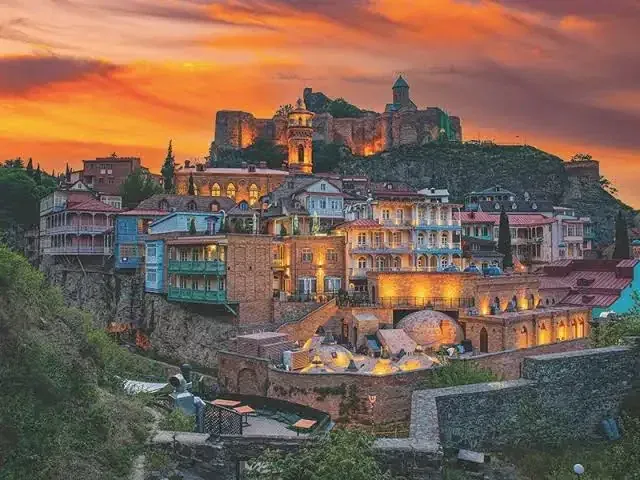
Georgia Travel Guide for Indians: Visa, Itinerary and Budget
Georgia is one of the most rewarding destinations Indian travellers can visit in 2026. From the charming streets of Tbilisi and the dramatic Caucasus Mountains to ancient monasteries, world-famous wine regions, and warm…
Read the story
Read
Destination guides
Georgia Travel Guide for Indians: Visa, Itinerary and Budget
Georgia is one of the most rewarding destinations Indian travellers can visit in 2026. From the charming streets of Tbilisi and the dramatic Caucasus Mountains to ancient monasteries, world-famous wine regions, and warm…
Read the story
-
 Read
Destination guides
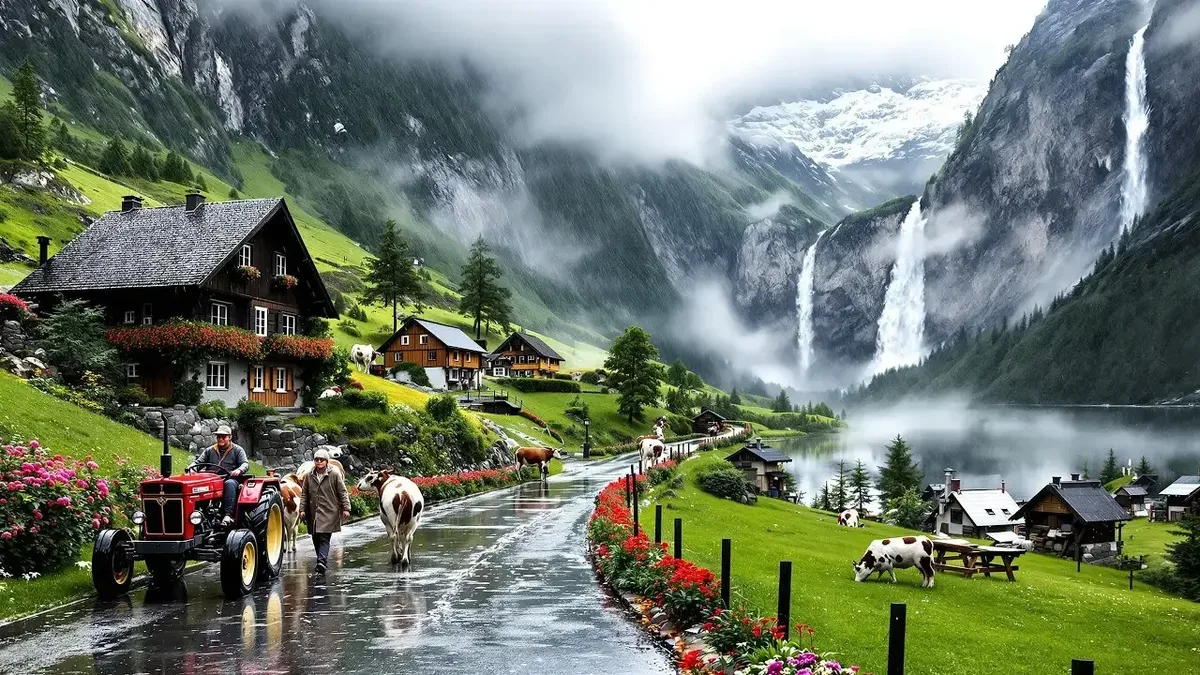
Where to Go If You Hate Tourists (But Love Travelling)
Skip the crowds. Keep the soul. 13 destinations for Indian travelers who want the real thing and yes, all of them are safe for solo women.
Read the story
Read
Destination guides
Where to Go If You Hate Tourists (But Love Travelling)
Skip the crowds. Keep the soul. 13 destinations for Indian travelers who want the real thing and yes, all of them are safe for solo women.
Read the story
-
 Read
Destination guides
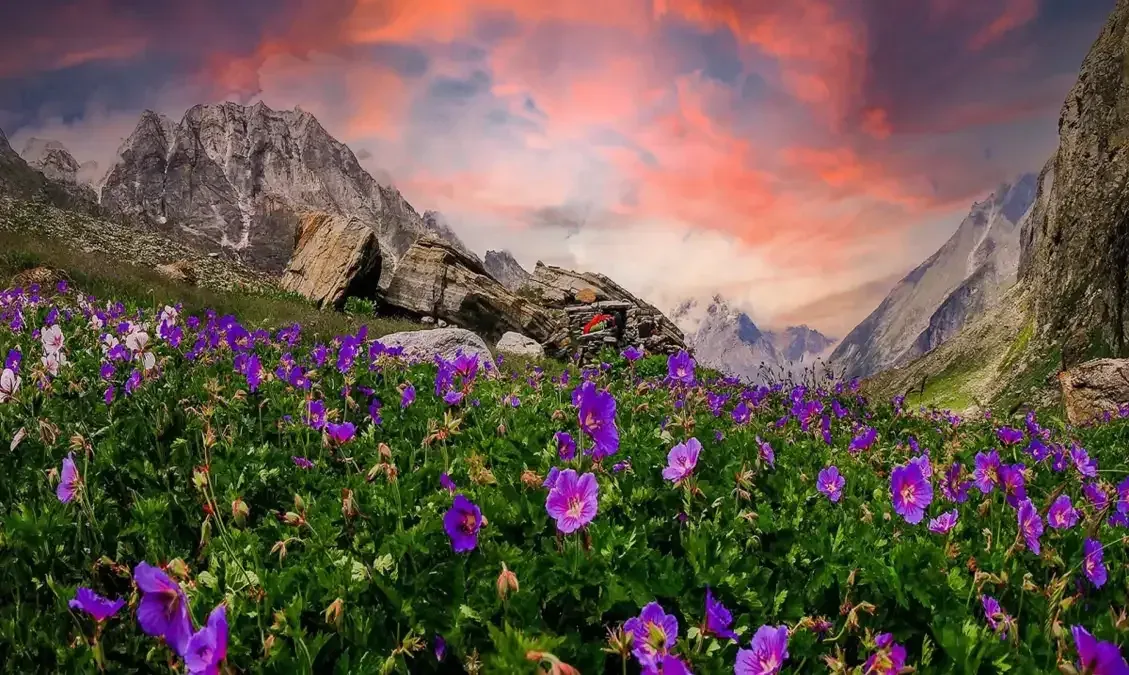
Best Places to Visit in India in July 2027
Valley of Flowers, the Hemis festival on 13 and 14 July, Rath Yatra on 5 July and the monsoon Ghats: the best places to visit in India in July 2027.
Read the story
Read
Destination guides
Best Places to Visit in India in July 2027
Valley of Flowers, the Hemis festival on 13 and 14 July, Rath Yatra on 5 July and the monsoon Ghats: the best places to visit in India in July 2027.
Read the story
-
 Read
Destination guides
Best Places to Visit in India in June 2027
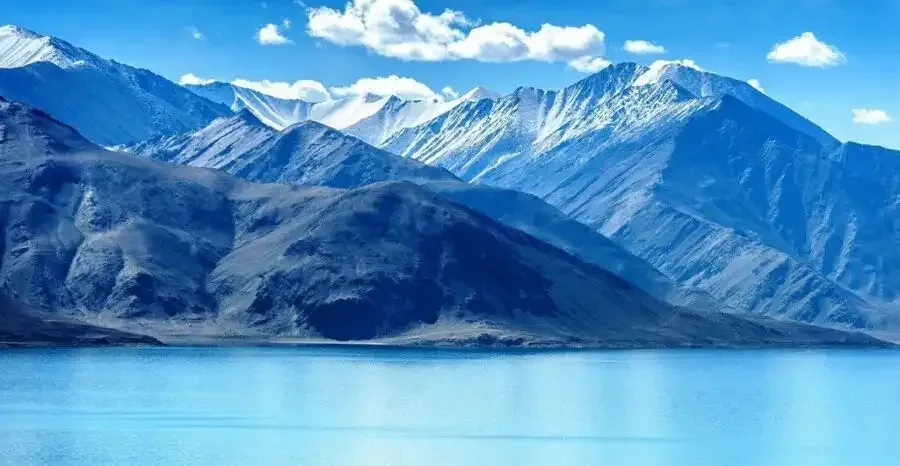
Himachal, Ladakh, Kashmir, the Western Ghats and the Northeast: where to go in India in June 2027, and what the monsoon means for each place.
Read the story
Read
Destination guides
Best Places to Visit in India in June 2027
Himachal, Ladakh, Kashmir, the Western Ghats and the Northeast: where to go in India in June 2027, and what the monsoon means for each place.
Read the story
-
 Read
Destination guides
Best Places to Visit in India in May 2027
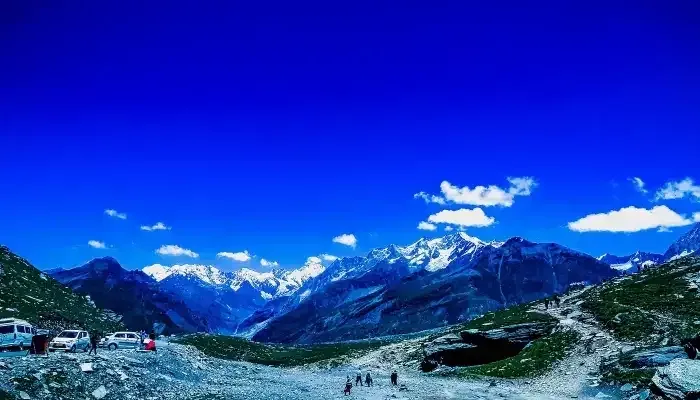
Escape the May heat: the hill stations, Himalayan valleys, Northeast getaways and islands that are at their best in May 2027, and the places to skip.
Read the story
Read
Destination guides
Best Places to Visit in India in May 2027
Escape the May heat: the hill stations, Himalayan valleys, Northeast getaways and islands that are at their best in May 2027, and the places to skip.
Read the story
-
 Read
Destination guides
Sicily Travel Guide for Indians: Best Time, Beaches and Itinerary
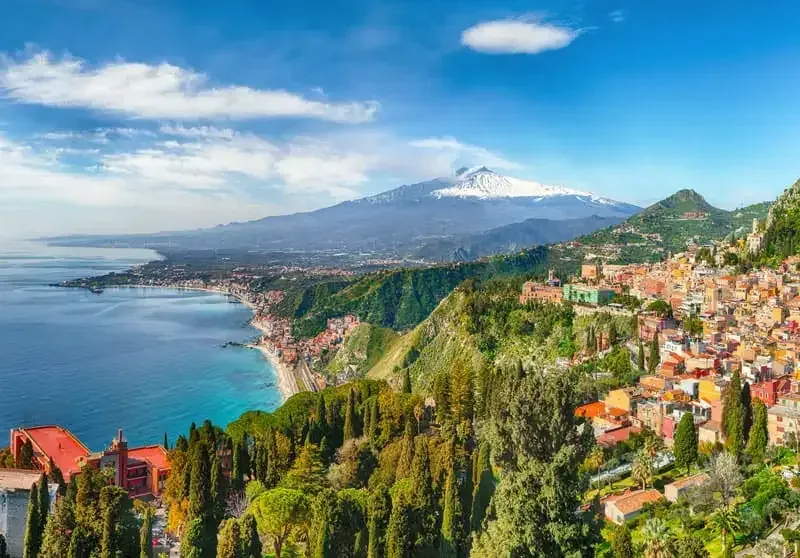
Ancient temples, a live volcano, Baroque towns built from golden stone, and street food descended directly from Arab cooking. Sicily is one of Europe's great destinations and it is closer and more affordable from India…
Read the story
Read
Destination guides
Sicily Travel Guide for Indians: Best Time, Beaches and Itinerary
Ancient temples, a live volcano, Baroque towns built from golden stone, and street food descended directly from Arab cooking. Sicily is one of Europe's great destinations and it is closer and more affordable from India…
Read the story

This starts with a conversation.
Tell us where you're headed — we'll take it from there.