
Destination guides
Shoja, Himachal: Why It Beats a Manali Holiday Package
Looking for quieter places to visit in Himachal? Ditch the Manali holiday package and explore Shoja—a hidden gem perfect for your next Himachal trip package.
In this story 6
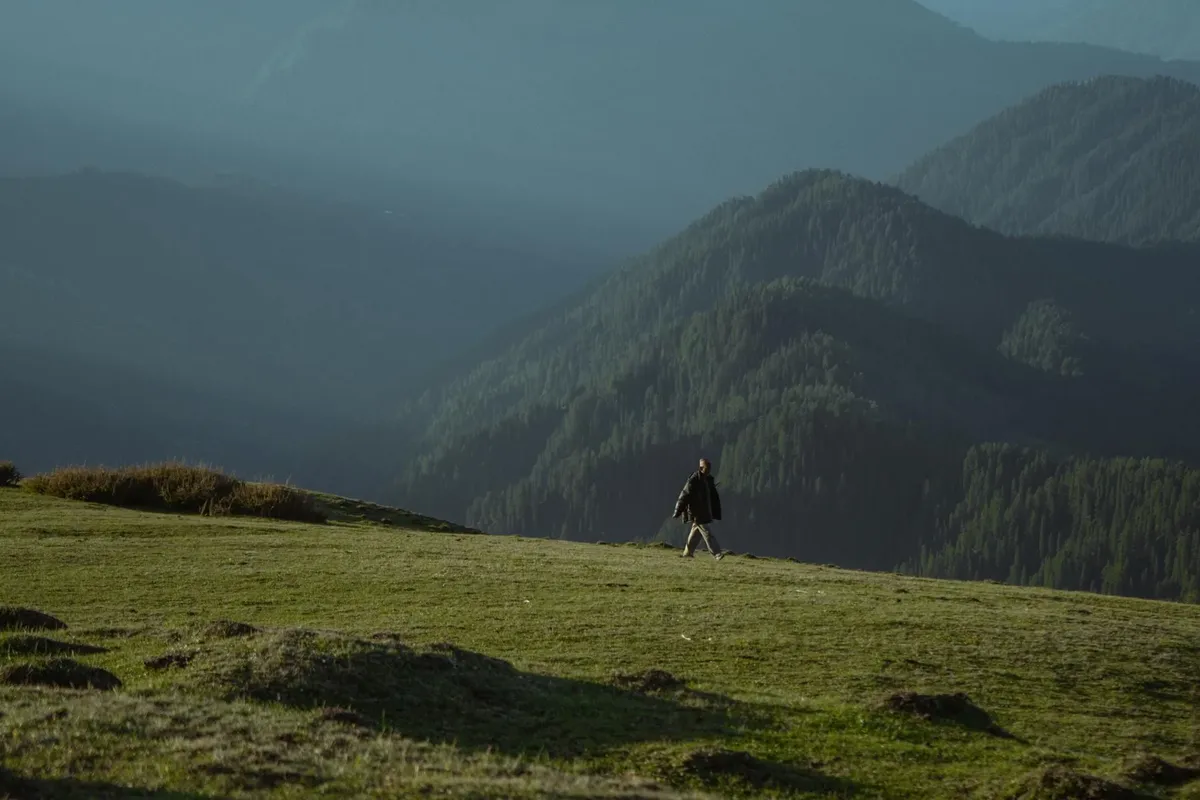
Most people heading to Himachal Pradesh have Manali circled boldly on their travel map or a standard Manali Holiday package booked. It’s the go-to destination, packed with buzzing cafes, mall roads, and adventure junkies hunting for snow and selfies. But if you’re the kind of traveler who prefers whispering pines over crowded lanes, and crisp, untouched air over busy bazaars, then it’s time to shift your compass a bit. Just a few hours away from the chaos of touristy spots lies Shoja—a tiny, quiet hamlet tucked inside the Seraj Valley that feels like it’s been forgotten by time, in the best way possible.
Where Is Shoja and Why Haven’t You Heard of It?
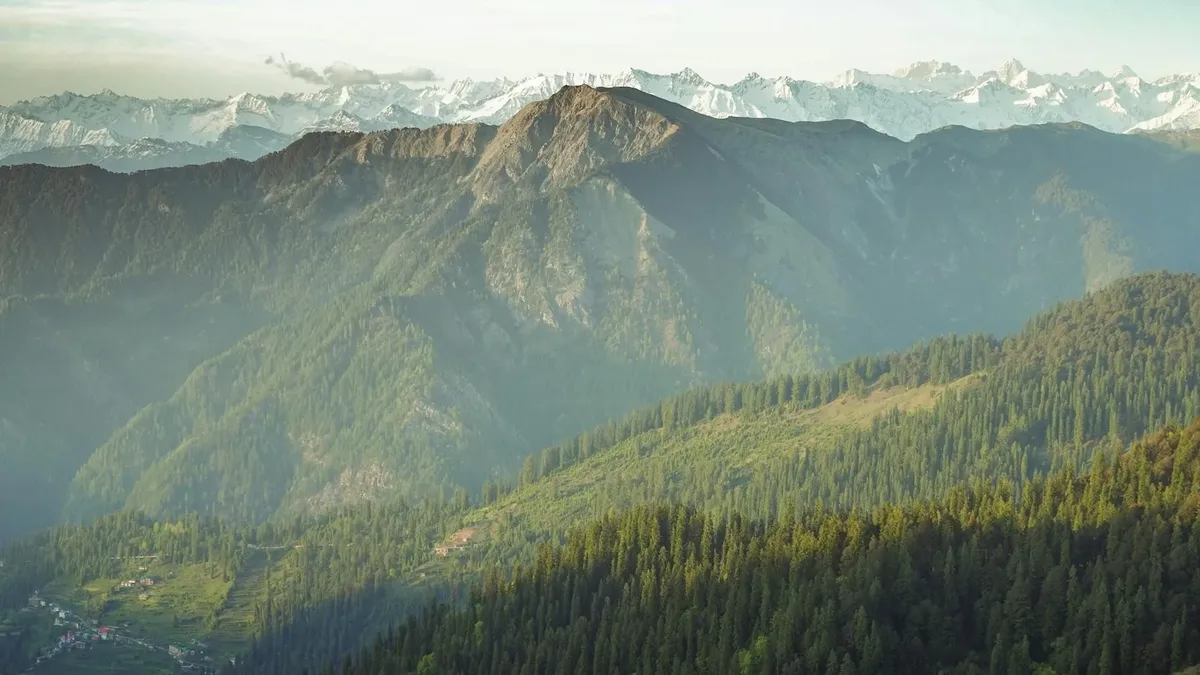
Shoja, also spelled as Sojha, sits somewhere between Jalori Pass and the more visited town of Banjar, in Himachal’s Kullu district. It’s a part of the Tirthan Valley region, the kind of place that rarely makes it into a mainstream Himachal trip package. Located at an altitude of around 8,700 feet, the village is surrounded by dense deodar forests, scattered wooden homes, and some of the most soul-soothing silence you’ll ever experience. While it’s not a big name like Manali, that’s precisely its charm. You don’t come here to tick off tourist attractions—you come to breathe, to slow down, and to remember what nature sounds like without background noise.
Getting There: A Little Effort, A Lot of Reward
Getting to Shoja isn’t tough, but it takes a bit of effort, which is probably why it stays untouched by mass tourism. From Delhi, it’s about 500 km by road. If you’re coming by car, the route usually goes via Aut Tunnel (on the Delhi-Manali highway), from where you take a diversion toward Banjar. The last stretch to Shoja winds uphill in tight bends, flanked by thick forests and the occasional magenta rhododendron in bloom if you’re lucky to visit in spring.
For those relying on public transport, buses from Delhi can take you to Aut or Banjar. From there, a local taxi or shared cab will be your best bet. Though the road gets narrow and a bit tricky at points, especially after dark, the views that open up once you’re near Shoja are more than worth the bumps.
Things to Do in Shoja
Now here’s where Shoja really wins hearts. Unlike your typical Manali holiday package, Shoja doesn’t come with a packed itinerary. There’s no checklist of things to do, and yet, somehow, your days feel full. The biggest activity here is doing almost nothing—and loving every second of it. Wake up to birds you don’t recognize. Sip chai on a balcony that overlooks pine valleys and distant snow lines. Watch clouds wrap around the hills like old friends.
That said, there are still a few gems around if you want to stretch your legs.
Jalori Pass, just about 5 km from Shoja, is a great place to start. You can hike from the pass to Serolsar Lake, which is a pleasant 5 km trek through oak and cedar woods. The lake is small, peaceful, and guarded by the temple of Budhi Nagin, which local folks believe protects the area. It’s a spot where the water stays crystal clear year-round, and the silence echoes if you whisper.
Closer to the village, you can also walk to the Waterfall Point, a short and gentle trek from Shoja. It’s nothing dramatic like big Himalayan waterfalls, but the kind that fits the place—quiet, cold, and surrounded by ferns and mossy rocks.
Another experience you shouldn’t miss is simply walking through the village. Talk to locals, spot traditional Himachali homes, and maybe sit down with an old man who’s happy to share stories you didn’t ask for. The hospitality in Shoja is genuine and unhurried. People won’t pitch you hotels or tours—they’ll just offer warmth, food, and directions with a smile.
Shoja vs. Manali: What Makes This Different?
Your average Manali holiday package comes with crowds, queues, and curated chaos. Shoja? It offers something rare—stillness. No traffic. No overpriced cafés. Just pine air, dark starry nights, and simple food cooked with love.
Let’s be honest—Manali has its own charm. It’s great for people watching, bustling cafes, snow adventures, and a lively scene. But with all that comes the traffic, the crowd, the constant honking, and overpriced corners trying too hard to be ‘boho’. Shoja, on the other hand, offers something rare these days—stillness.
The air feels different here, cleaner somehow. The nights are darker, the stars brighter. Even the food, often simple rice, dal, and sabzi cooked over firewood, tastes like it’s been made with more care. It’s not about big resorts or curated experiences. It’s about waking up, walking a bit, listening to the wind rustle through the trees, and sleeping better than you have in weeks.
What’s Famous in Shoja?
Shoja is not famous in the traditional sense. You won’t find it trending on social media or packaged into tourist brochures. But among slow travelers, nature lovers, and those who’ve already done the usual Himachal loop, Shoja is quietly gaining a reputation as a soul-fixer. Its wooden guesthouses with slanted tin roofs, the smell of pine needles on sun-warmed ground, and that unmistakable sense of being away from everything—that’s what Shoja is known for.
Best Time to Visit Shoja
The best time to visit Shoja depends on what you’re looking for.
April to June is ideal if it’s blooming flowers, soft sun, and chirping bird . The valley is green, alive, and fresh.
Autumn (September to November) brings golden trees and clear skies, great for trekking and photography.
Winters (December to February) can be magical, with snow covering rooftops and trails—but come prepared, as temperatures drop sharply and roads can get slippery.
Monsoon (July to August) brings its own charm, but also comes with the risk of landslides in the region, so it’s best avoided unless you’re the kind that enjoys rain in remote hills.
Why Shoja Deserves a Spot on Every Himachal Itinerary
Shoja isn’t trying to be the next big thing. It doesn’t want to compete with Manali or Shimla. It just is what it is—a quiet, clean, heartfelt place where time slows down and the world feels a little softer. Among all the places to visit in Himachal, this village reminds you what it’s like to travel with your senses open, not just your camera.
Before you confirm that Manali holiday package, ask yourself: do you want more cafés and chaos—or cloud-wrapped stillness and slow afternoons? Shoja might not be trending, but maybe that’s the best reason to go. For those craving meaning over motion, Shoja is more than a destination. It’s a pause you didn’t know you needed.
Looking for the perfect balance? Try our custom Himachal trip package that blends the best of quiet and iconic.
Questions travellers ask
Where is Shoja in Himachal?
In Kullu district, between Banjar and Jalori Pass, in the Tirthan Valley region.
How do I reach Shoja from Delhi or Manali?
Drive about 500 km from Delhi via the Aut tunnel on the Manali highway, then Banjar. From Manali, head back towards Aut and turn off for Banjar and Shoja.
What is the best time to visit Shoja?
March to June for pleasant weather, and October to November for clear views. Winters bring snow and road closures near Jalori Pass.
Is Shoja better than Manali?
For a quiet, slow holiday, yes: no traffic or crowded cafés, just forest walks, waterfalls and homestays. Manali suits travellers who want nightlife and adventure sports.
Know someone who should read this?
Send on WhatsAppKeep reading
All stories-
 Read
Finland · Destination guides
Where to See the Northern Lights in Finnish Lapland
Learn where to base yourself in Finnish Lapland, which months give the clearest skies, and how to plan your nights around the northern lights and clouds.
Read the story
-
 Read
Sri Lanka · Destination guides
What a Sri Lanka Trip Costs from India
A 5-night Sri Lanka beach trip costs about ₹35,000 to ₹55,000 per person on a budget and ₹60,000 to ₹90,000 mid-range, flights included.
Read the story
-
 Read
Destination guides
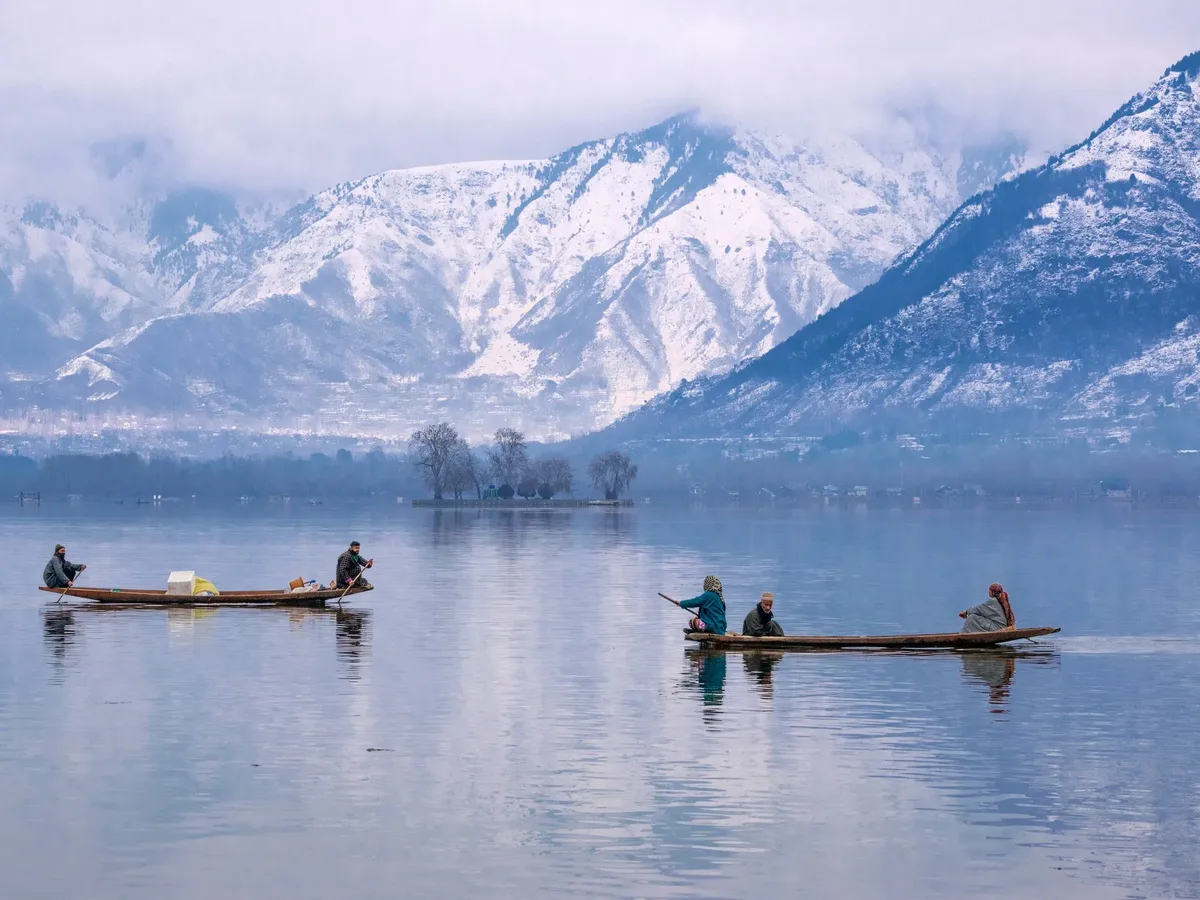
Kashmir in Winter, from Dal Lake to Gulmarg's Snow
Kashmir in winter suits travellers who want real snow, quiet houseboats and lower rates. A five-day plan around Srinagar and Gulmarg suits the season.
Read the story
-
 Read
Japan · Destination guides
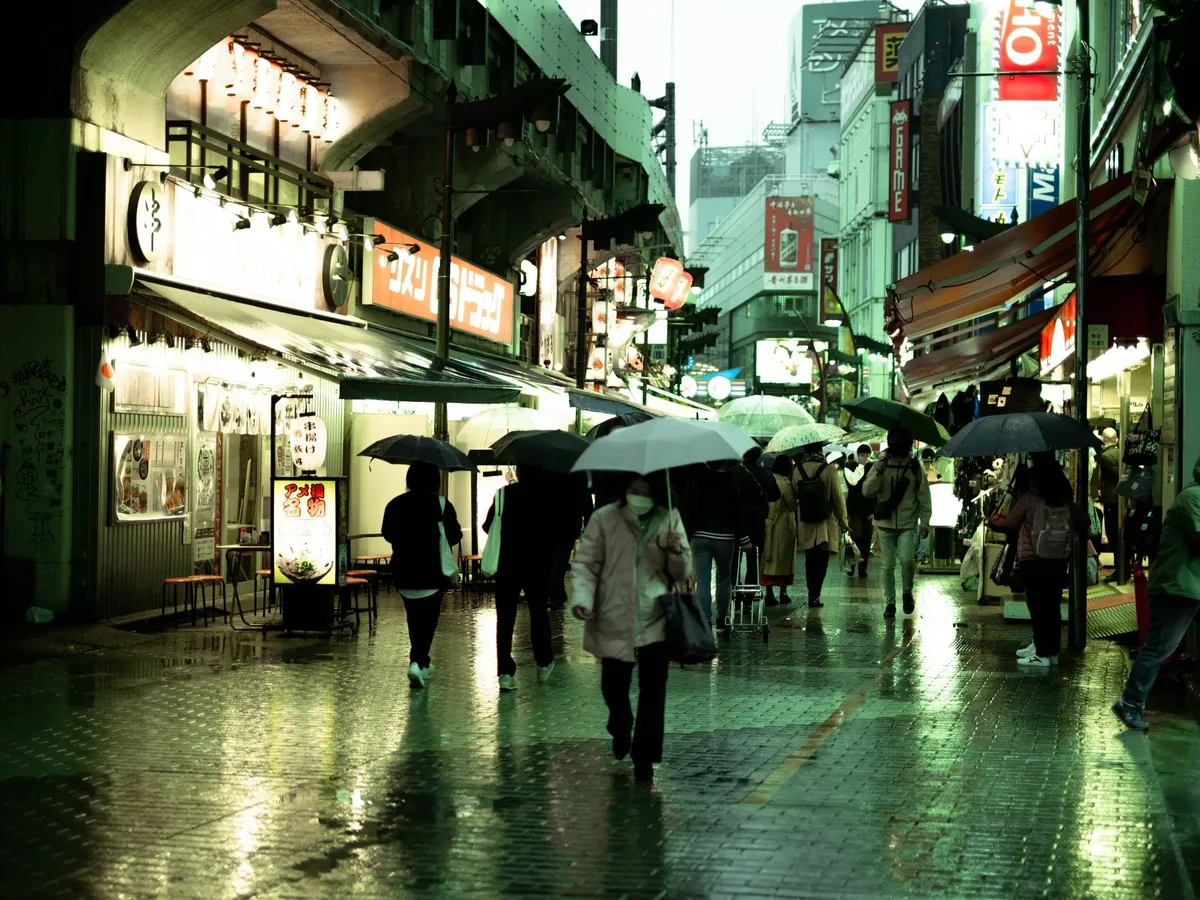
A 7-Day Japan Itinerary Through Tokyo and Osaka
A seven-day Japan itinerary with three nights each in Tokyo and Osaka, plus Mt. Fuji, Kyoto and Nara as day trips. Two bases mean fewer hotel changes.
Read the story
-
 Read
Vietnam · Destination guides
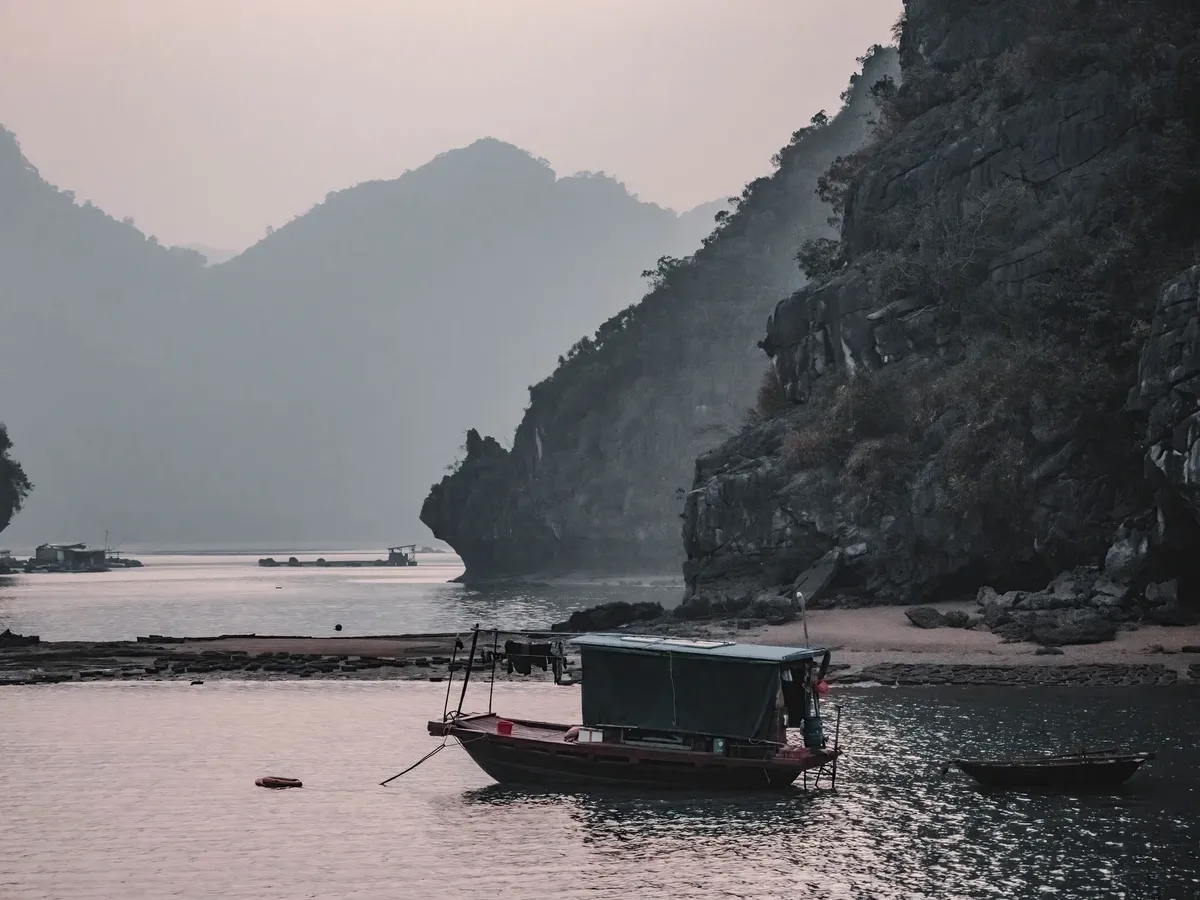
How Much a Vietnam Trip Costs from India
A comfortable week in Vietnam costs about ₹85,000 to ₹1,10,000 per person from India, return flights included. Flights and the cruise set the budget.
Read the story
-
 Read
Indonesia & Bali · Destination guides
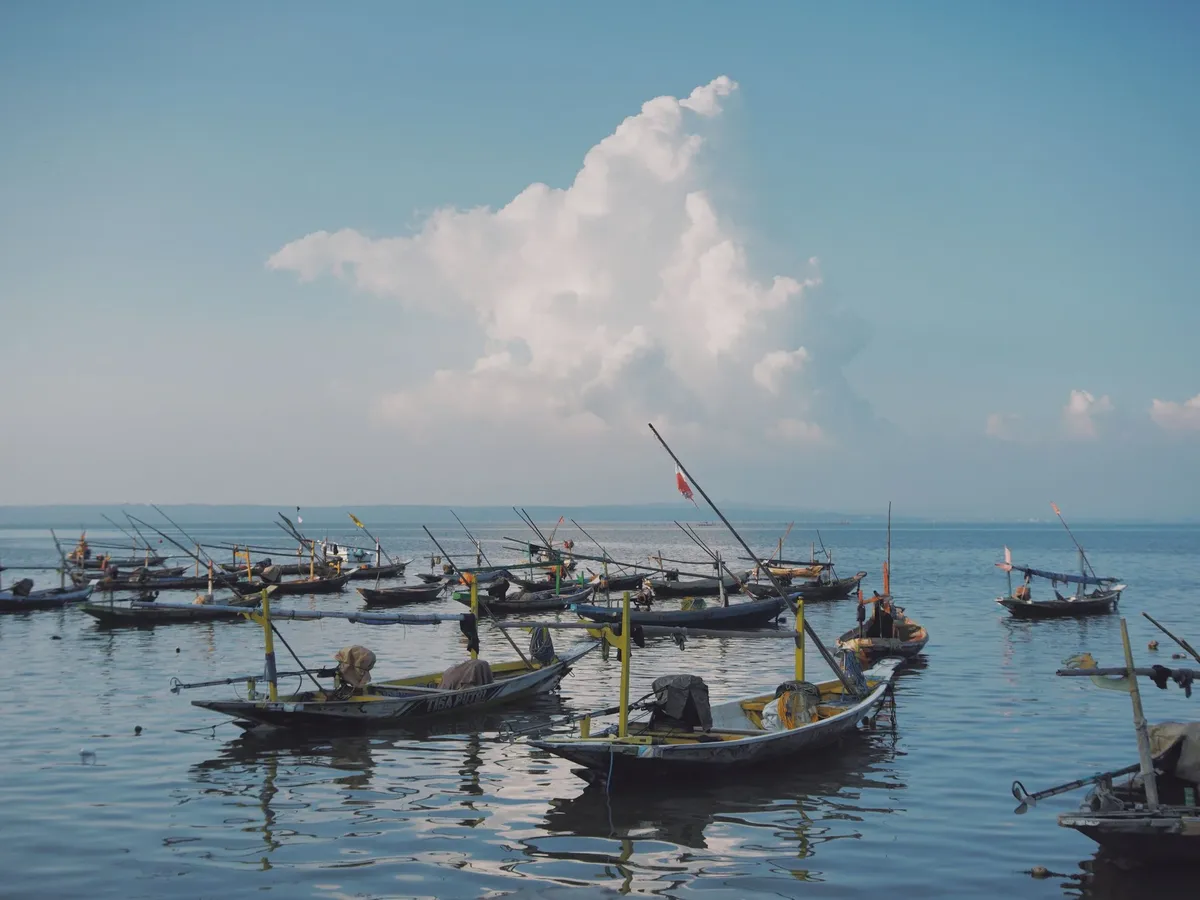
Places to Visit in Bali, from Ubud to the Nusa Islands
Most Bali trips work best with two or three bases: Ubud for the green highlands, a southern beach base and a Nusa island if you have the nights.
Read the story
-
 Read
Thailand & Vietnam · Destination guides
Best Honeymoon Destinations for First-Time Travellers Abroad
Thailand, Vietnam and Dubai compared for a first international honeymoon, with entry rules, trip lengths and month-by-month weather for each.
Read the story
-
 Read
Destination guides
Ladakh Trip Guide: Leh, Nubra and Pangong in 7 or 10 Days
Plan a Ladakh trip in 7 or 10 days: acclimatise in Leh, cross Khardung La to Nubra Valley, and add Pangong Lake with ten days.
Read the story
-
 Read
Vietnam · Destination guides
Vietnam with Kids: 7 and 10-Day Family Route
Pick a few hands-on stops for children, keep transfers short, and leave out overnight legs. Ninh Binh, Hoi An and Hanoi suit a first family trip best.
Read the story



This starts with a conversation.
Tell us where you're headed — we'll take it from there.