
Destination guides
Kashmir in Winter, from Dal Lake to Gulmarg's Snow
Plan a winter trip to Kashmir around Srinagar's harissa and Dal Lake, with one Gulmarg night and a buffer day before flying home.
In this story 6
In old Srinagar, the harissa shops start the winter day with mutton and rice flour that have sat overnight in huge earthen pots, slow-cooked with cardamom, cloves and fennel until the mash is soft enough to scoop with bread. That is the city you build a winter trip around. We've planned 10 trips to Kashmir for travellers, and Srinagar is a base on all 10 of them. For five days of snow, our view is plain: sleep in Srinagar, and give Gulmarg its own night, booked around the gondola rather than squeezed into a day trip.
Srinagar, the base every winter trip returns to
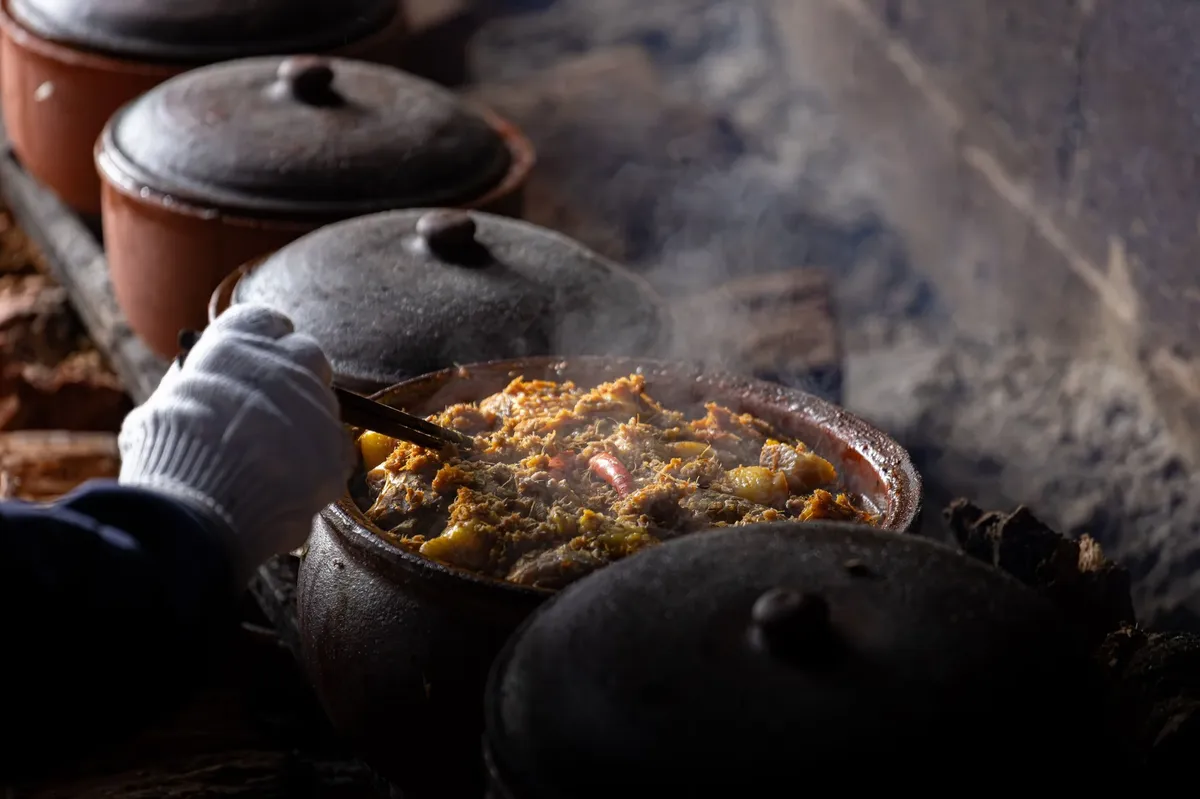
Harissa is a breakfast dish, so plan an early morning in the old city: people eat it at Aali Kadal before 8 am, and a plate costs about ₹100 to ₹150. Kahwa, the saffron-scented green tea, is the drink you'll keep coming back to after heavier meals. If you eat vegetarian, ask for dum aloo and nadru monje, crisp fritters made from lotus stem. Sheermal, a sweet winter bread, is the other thing to look for.
Locals dress for winter in layers. They wear the pheran, a loose woollen gown, often with a kangri tucked underneath, an earthen firepot in a wicker basket filled with coal that keeps a person warm for hours. You can buy one at Lal Chowk, for anything from ₹200 to ₹2,000. Older homes have a hamam, a room warmed by a fire beneath its stone floor, where people sit and talk while it snows outside.
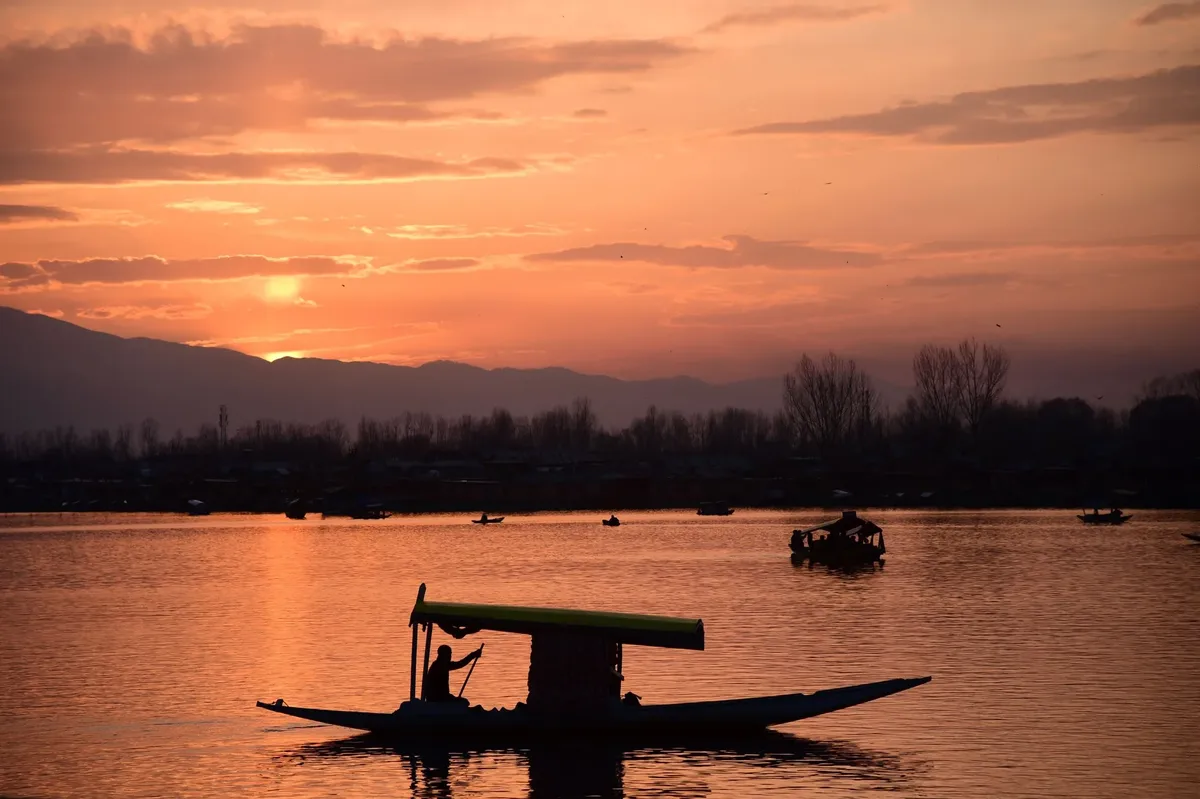
A shikara ride on Dal Lake is still the classic first afternoon, and in a hard cold, part of the lake freezes. Nishat Bagh and Shalimar Bagh are quiet in winter, with snow on the chinars and the fountains frozen. Go late in the morning, when the light is soft and the gardens are nearly empty.
A houseboat makes a good single night, as long as you confirm the heating and insulation on that particular boat before you book. For the rest of your Srinagar nights, we'd pick a well-heated hotel, which sleeps warmer when the temperature drops below freezing. Houseboat rates are also at their lowest of the year in winter.
Gulmarg earns a night, if the gondola is booked first
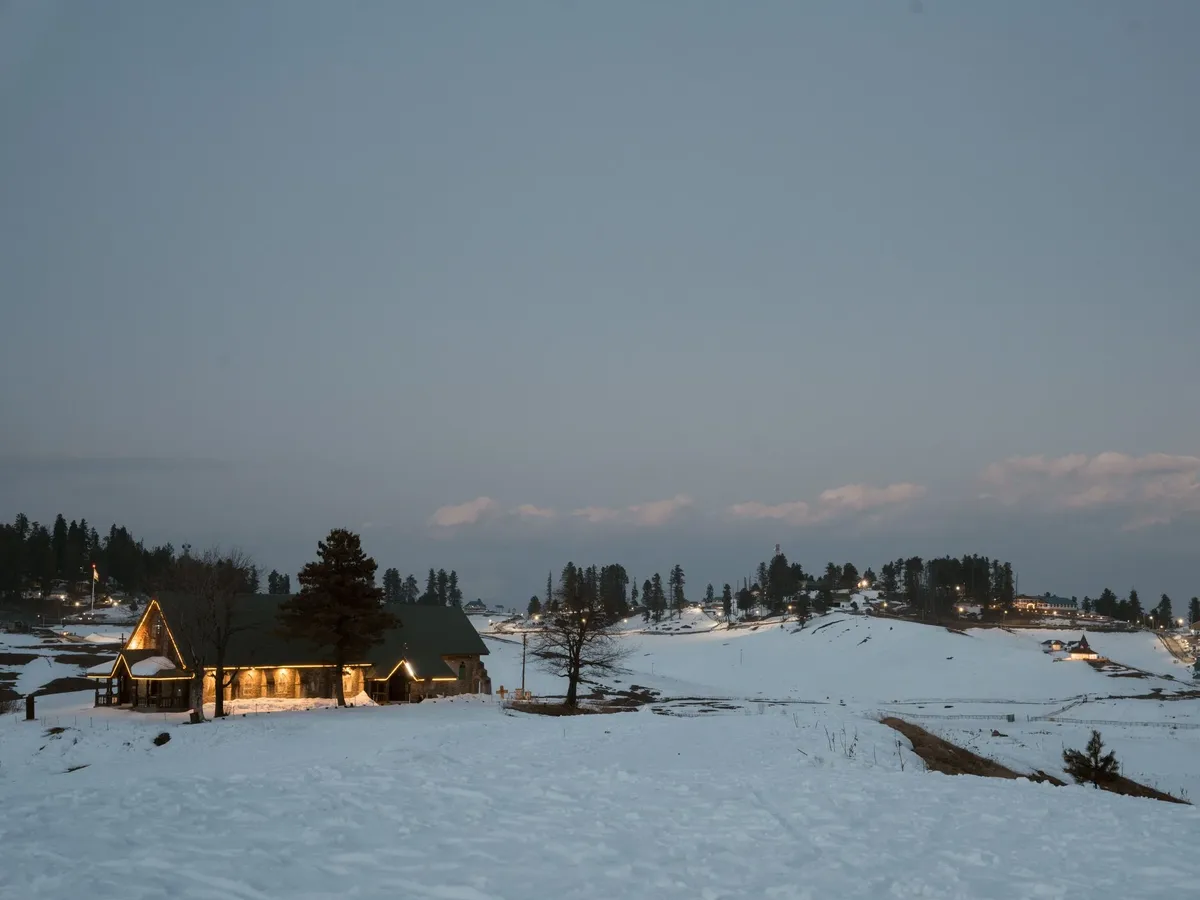
Gulmarg is where the snow is. It sits about 50 km from Srinagar, around two hours by road, so a day trip means four hours in a car and a rushed turn on the gondola. Sleep up there instead, and you get the late afternoon on the meadow and a calm morning before the queues.
If the budget is tight, Tangmarg, 12 km below Gulmarg, has simpler guesthouses and works well as a base. Either way, book refundable rates. Snow often closes the Tangmarg road, and you want to be able to move the night back to Srinagar without losing money.
Plan the gondola first, because it changes how you book everything else. Tickets are sold online only through the J&K Cable Car Corporation, with no counter to walk up to on the day. You must book Phase 1 before you can book Phase 2, and Phase 2 gets only about half the daily tickets, so lock in both as soon as your dates are firm.
Phase 1 takes you up to Kongdoori. Phase 2 climbs on to Apharwat, which can be 10 to 12°C colder than the meadow. Pack an extra layer, gloves and something for your ears, even if the base feels manageable.
The gondola closed from 25 May into June 2026 for a technical fault, so check its status before you pay for the Gulmarg night. Once it's confirmed, book the hotel and the transfer. That way you won't end up in a Gulmarg room with no way up the mountain.
Sledging is the easy option for families, and a snowmobile ride out to Khilanmarg covers ground you'd struggle to reach on foot.
Pahalgam for a day, Sonamarg only if the road allows
From Srinagar, Pahalgam is about three hours away and feels quieter, with pine forests and snow along the Lidder river. Betaab Valley stays open all year, which makes it the dependable part of a winter Pahalgam day. Add sledging or a snow-scooter ride near town, and you have a full, easy day out.
Pahalgam is in 8 of our 10 trips. The Aru and Chandanwari day trips on those trips were summer ones. Both can be closed or hard to reach in winter, so a winter plan leaves them out and keeps the day around Betaab and the river.
Sonamarg is now easier to reach, since the Sonamarg Tunnel bypasses the avalanche-prone stretch around Gagangir. What isn't clear is whether its hotels and local roads run in January and February. Treat it as a weather-dependent swap for the Pahalgam day, and ask your driver to go to Sonamarg itself, since there is no public transport in winter.
On safety, tourism dipped after the 22 April 2025 attack at Baisaran meadow near Pahalgam, and nearly 50 scenic spots were shut. By February 2026, 14 had reopened, with more patrols and rapid response teams in place, and tourists were returning by April 2026. Check the current status of each place, Baisaran included, before planning it, and follow local advisories on the day.
The five-day route
Four bases in five days feels rushed in winter, so this route keeps you to two: Srinagar, with one night in Gulmarg. Pahalgam is a day out, not a move.
- Day 1: Arrive in Srinagar. Shikara on Dal Lake, the Mughal gardens, kahwa in the evening. Night in Srinagar.
- Day 2: Drive to Gulmarg, about two hours. Gondola Phase 1, and Phase 2 if you've booked it. Night in Gulmarg or Tangmarg.
- Day 3: Morning on the snow, skiing or sledging, then back to Srinagar for the night.
- Day 4: Pahalgam for Betaab Valley and snow play, about three hours each way. Sonamarg instead only if the road and weather allow.
- Day 5: A slow morning, harissa in the old city and shopping, then the flight home.
That fifth day is a buffer as much as a plan. After heavy snow, roads can take time to clear, and you want the slack before your flight. Clients have told us they loved the stays, the pace and the excursions, and this shape keeps all three.
Getting in, when to go, and how to decide
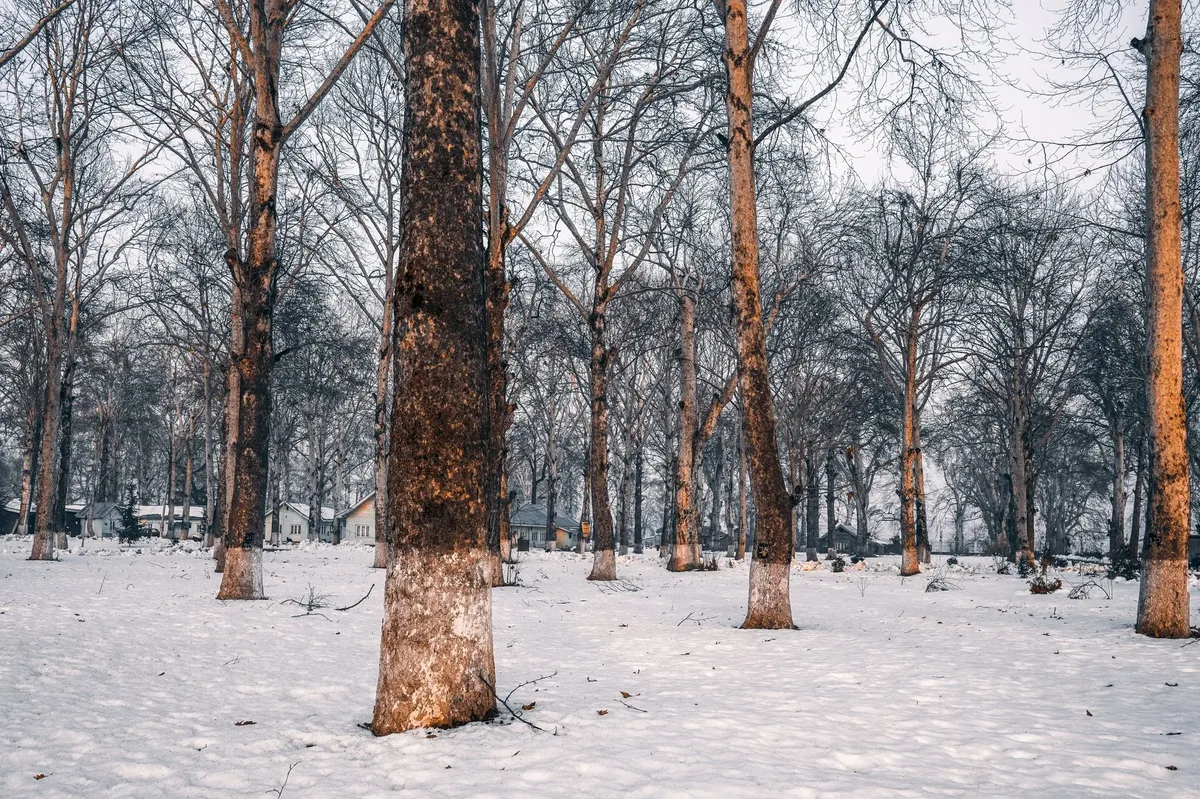
January and February are a good window for snow and low crowds. Early December can leave Srinagar bare, with the chinars leafless and little on the ground. Chillai Kalan, the 40 coldest days from 21 December to late January, brings the deepest cold and the most flight delays, so never make the day before your flight home a snow day.
You can fly straight into Srinagar, with direct flights from Delhi. Booking well ahead can bring a Delhi to Srinagar fare down to around ₹3,500. If you prefer the train, go to Katra and take the Katra to Srinagar Vande Bharat, checking the current timetable and fares before you plan around it.
Carry a government photo ID, and keep your hotel confirmations handy for security checks. Bring a postpaid SIM, since prepaid connections from other states don't work in J&K. Carry cash too, because ATMs can be hard to reach in snow.
Here is how the main costs look, in rupees.
If you have five days and want snow, sleep in Srinagar and book one Gulmarg night, with the gondola tickets secured first. If the gondola is shut or the Tangmarg road closes, make it a second Srinagar day instead. Do the same with Pahalgam if its road is closed.
Questions travellers ask
Is 5 days enough for Kashmir in winter?
Yes, if you keep to two bases: Srinagar with one night in Gulmarg, a day out to Pahalgam and a buffer day before your flight.
Gulmarg or Pahalgam in winter?
Gulmarg is for the deepest snow, skiing and the gondola. Pahalgam is a gentler day trip for pine forest, the river and Betaab Valley, which stays open all year.
Is Kashmir safe for Indian tourists in winter now?
Spots closed after the April 2025 attack have been reopening, and tourists were returning by April 2026. Check each place's current status and follow local advisories.
Are houseboats too cold in winter?
A well-insulated houseboat with working heating is comfortable for a night, so confirm both before booking. For your other Srinagar nights, a heated hotel is the warmer choice.
Destination guidesCulturePlanning tips
Know someone who should read this?
Send on WhatsAppKeep reading
All stories-
 Read
Japan · Destination guides
A 7-Day Japan Itinerary Through Tokyo and Osaka
A seven-day Japan itinerary with three nights each in Tokyo and Osaka, plus Mt. Fuji, Kyoto and Nara as day trips. Two bases mean fewer hotel changes.
Read the story
-
 Read
Vietnam · Destination guides
How Much a Vietnam Trip Costs from India
A comfortable week in Vietnam costs about ₹85,000 to ₹1,10,000 per person from India, return flights included. Flights and the cruise set the budget.
Read the story
-
 Read
Indonesia & Bali · Destination guides
Places to Visit in Bali, from Ubud to the Nusa Islands
Most Bali trips work best with two or three bases: Ubud for the green highlands, a southern beach base and a Nusa island if you have the nights.
Read the story
-
 Read
Thailand & Vietnam · Destination guides
Best Honeymoon Destinations for First-Time Travellers Abroad
Thailand, Vietnam and Dubai compared for a first international honeymoon, with entry rules, trip lengths and month-by-month weather for each.
Read the story
-
 Read
Destination guides
Ladakh Trip Guide: Leh, Nubra and Pangong in 7 or 10 Days
Plan a Ladakh trip in 7 or 10 days: acclimatise in Leh, cross Khardung La to Nubra Valley, and add Pangong Lake with ten days.
Read the story
-
 Read
Vietnam · Destination guides
Vietnam with Kids: 7 and 10-Day Family Route
Pick a few hands-on stops for children, keep transfers short, and leave out overnight legs. Ninh Binh, Hoi An and Hanoi suit a first family trip best.
Read the story
-
 Read
Vietnam · Destination guides
How to plan a Vietnam trip: street food, noisy cities and quiet mornings
Plan a Vietnam trip around street food, noisy cities and quiet early mornings. It covers where to base yourself, when to go, getting around and the visa you need as an Indian passport holder.
Read the story
-
 Read
Vietnam · Destination guides
Vietnam Itinerary: 7, 10 or 14 Days for a First Trip
Choose a 7, 10 or 14-day Vietnam route by the time you have, with a day-by-day plan from Hanoi to Ho Chi Minh City. The guide covers Ha Long Bay, Ninh Binh, Hue, Hoi An and Sapa.
Read the story
-
 Read
Destination guides
Best Places to Visit in India in August and September 2027
Monsoon green and post-monsoon calm: where to go in India in August and September 2027, from Ladakh and Spiti to Meghalaya, Ziro, Hampi and the Andamans.
Read the story



This starts with a conversation.
Tell us where you're headed — we'll take it from there.