
Malaysia · Destination guides
Malaysia in 7 Days: Itinerary, Visa and Budget for Indians
Three cultures. One country. Zero visa hassle. Malaysia is Southeast Asia's most Indian-friendly destination — Little India in every city, vegetarian food everywhere & rupee going further than anywhere in Asia!
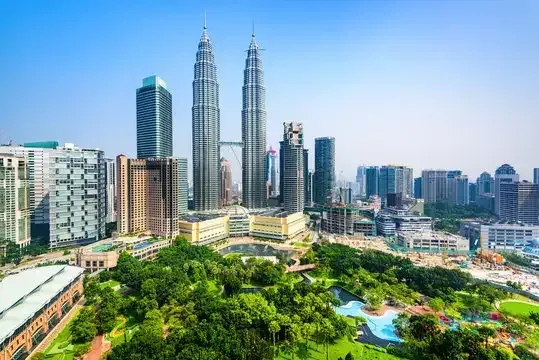
In this story 11
- Why Malaysia Is Worth Visiting
- Malaysia Visa for Indians
- Best Time to Visit Malaysia
- Best Places to Visit and 7-Day Itinerary
- Offbeat Places in Malaysia
- Food, Culture and Local Tips
- Flights from India to Malaysia
- Getting Around Malaysia
- Malaysia Trip Cost from India
- Quick Tips at a Glance
- Questions travellers ask
Visa-Free Entry · Petronas Towers · Penang Street Food · Langkawi Beaches · INR Budget Breakdown
Why Malaysia Is Worth Visiting
Malaysia is one of those rare destinations that seems almost custom-designed for Indian travellers. The food is extraordinary and vegetarian-friendly, Tamil is spoken freely in Little India neighbourhoods across the country, the rupee stretches remarkably far (a satisfying banana-leaf meal costs under ₹200), and entry is currently completely visa-free for Indians. Add the iconic Petronas Twin Towers, the UNESCO-listed George Town in Penang, the ancient rainforests of Taman Negara, and some of Southeast Asia's most beautiful beaches — and you have a destination that delivers world-class experiences at a fraction of what you'd spend in Europe or even the Maldives.
Malaysia is also delightfully diverse: a single trip can take you from the gleaming modern skyline of Kuala Lumpur to British colonial hill stations, from Chinese-heritage shophouse streets to ancient Hindu cave temples to the orangutan sanctuaries of Borneo. For first-time international travellers and seasoned globetrotters alike, Malaysia consistently over-delivers.
This guide covers everything: visa-free entry requirements, the best time to visit, top attractions with a day-by-day itinerary, offbeat gems, vegetarian dining, flight deals, transport tips, and a full INR budget breakdown.
Malaysia Visa for Indians
Excellent news: as of 2026, Indian citizens do not need a visa to visit Malaysia. The Malaysian government has extended its visa waiver for Indian nationals through 31 December 2026, allowing stays of up to 30 days for tourism, business, and transit purposes — completely free of charge.
What You Do Need
- Passport valid for at least 6 months from your arrival date in Malaysia
- Confirmed return flight ticket out of Malaysia
- Confirmed hotel booking or host's address details
- Proof of sufficient funds for your stay
MDAC — The One Mandatory Step
All visitors to Malaysia must complete the Malaysia Digital Arrival Card (MDAC) online before travelling. This is a simple online form (similar to filling an immigration card, but done in advance) and must be submitted within 72 hours before your arrival — no earlier. The MDAC is free and takes about 5 minutes to complete at imigresen-online.imi.gov.my. Do not forget this step — it is checked at immigration.
Longer Stays & Business Visits
If you need to stay beyond 30 days or are travelling for work purposes that go beyond a tourist visit, you'll need to apply for a standard eVisa through the official Malaysian Immigration portal (malaysiavisa.imi.gov.my). The eVisa fee is approximately RM 105 (≈ ₹1,950) and processing takes 3–5 working days.
Tip: The visa waiver is subject to annual review. Always verify the current status at the High Commission of Malaysia website (kln.gov.my) before you travel, as policies can change.
Best Time to Visit Malaysia
Malaysia's tropical climate means it's warm and humid year-round (26–35°C), but the two annual monsoon seasons significantly affect which parts of the country are best to visit at different times.
Best Overall: March to May (Shoulder Season)
March to May is widely considered the sweet spot for visiting Malaysia. The northeast monsoon (which affects the East Coast and Borneo) has ended, the southwest monsoon hasn't arrived in earnest, and both the West Coast (KL, Penang, Langkawi) and East Coast are in good weather. Crowds are manageable and prices are moderate. Ideal for first-time visitors doing the classic KL–Penang–Langkawi circuit.
West Coast (KL, Penang, Langkawi): November to March
The west coast of Peninsular Malaysia — where most Indian tourists concentrate their time — is at its best from November to March during the dry northeast monsoon season. Clear skies, calm seas around Langkawi, and comfortable temperatures make this the peak tourist period. December is particularly busy (and expensive) due to Christmas and school holiday travel from India.
East Coast & Borneo: April to October
If you're heading to Perhentian Islands, Redang, Tioman, or Sabah (Kota Kinabalu, Sepilok), plan your visit between April and October, when the east coast is dry and sea conditions are perfect for diving and snorkelling.
Festivals Worth Planning Around
- Thaipusam (January/February, Batu Caves): One of the most dramatic Hindu festivals in Southeast Asia. Hundreds of thousands of devotees carry kavadi (decorated frames) up 272 steps to the cave temple. Spectacular for Indian travellers and deeply moving.
- Chinese New Year (January/February): George Town and KL's Chinatown come alive with lanterns, lion dances, and street food. Book accommodation well in advance.
- Deepavali (October/November): Brickfields in KL and Little India in Penang transform into brilliant festivals of light — a homecoming for Indian travellers.
- Avoid December peak: School holidays and Christmas see prices spike 30–50%. Book 3 months ahead if travelling then.
Best Places to Visit and 7-Day Itinerary
Malaysia's highlights span a modern capital, a UNESCO world heritage island, duty-free beaches, ancient rainforests, and Hindu cave shrines. Here are the unmissable experiences:
Part A — Top Attractions
Petronas Twin Towers, Kuala Lumpur
For two decades the tallest buildings on Earth, the Petronas Towers remain the defining image of modern Malaysia. The 88-floor steel-and-glass towers are best admired from KLCC Park just below, where they're perfectly reflected in the lake at night. The Skybridge (connecting floors 41–42) and Level 86 Observation Deck offer breathtaking city views. The surrounding KLCC mall is one of Southeast Asia's best shopping complexes.
Batu Caves, Selangor
Perched in a series of limestone caverns 13km north of KL, Batu Caves is both a remarkable geological site and one of the most important Hindu shrines outside India. The 43-metre golden Lord Murugan statue at the base is among the tallest in the world, and the 272 colourful steps leading to the Temple Cave are an iconic image. Visit on a weekday to avoid crowds. During Thaipusam, it becomes one of the most extraordinary spectacles in all of Asia.
George Town, Penang
A UNESCO World Heritage city unlike any other in Southeast Asia, George Town blends Chinese clan houses, British colonial architecture, Hindu temples, Muslim mosques, and some of the region's best street food into a single walkable neighbourhood. The famous street art murals (commissioned from Lithuanian artist Ernest Zacharevic) are the most Instagrammed spots in Malaysia. The food here — especially at the Gurney Drive Hawker Centre and Kimberley Street — is reason enough to visit Penang.
Langkawi
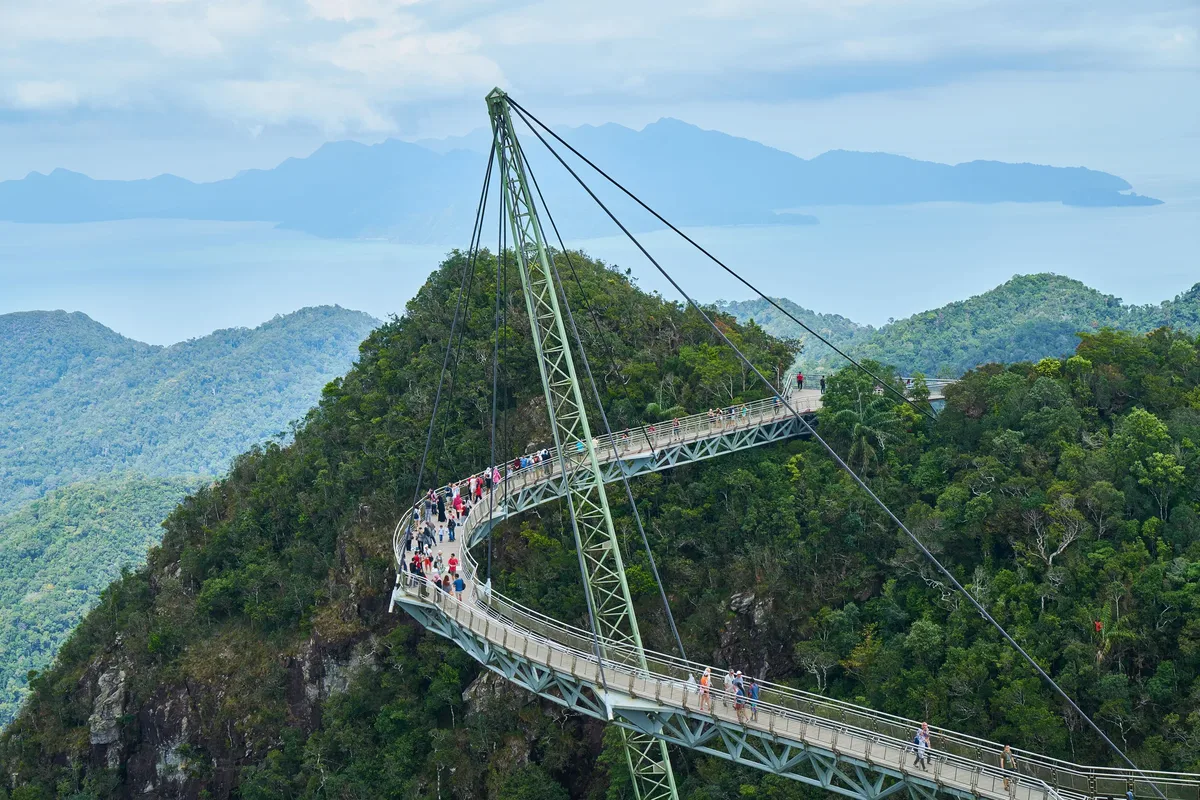
Malaysia's premier beach destination and a duty-free island in the Andaman Sea, Langkawi is known for its pristine beaches (Pantai Cenang, Pantai Tengah), spectacular SkyBridge cable car rising to 700 metres above sea level, eagle watching at Dataran Lang, and the Langkawi Geopark — a UNESCO global geopark of ancient limestone formations and mangrove forests. Shopping here is significantly cheaper than the mainland, with electronics, chocolates, and liquor all duty-free.
Cameron Highlands
Malaysia's most famous hill station sits 1,500 metres above sea level in the Pahang highlands, a 3-hour drive north of KL. Rolling tea plantations, strawberry farms, colonial bungalows, and temperatures that rarely exceed 25°C make it a beloved escape from the tropical heat. For Indian travellers, the misty green landscape feels reminiscent of Munnar or Ooty. Visit the BOH Tea Estate for a factory tour and the most scenic cup of tea you'll ever drink.
Melaka (Malacca)
A 2-hour drive or bus from KL, Melaka is one of Malaysia's most historically rich cities — a UNESCO World Heritage Site where Portuguese, Dutch, and British colonial layers sit alongside Chinese Peranakan heritage and ancient Malay culture. The colourful Jonker Street is lined with antique shops, Nyonya food restaurants, and weekend night markets. The Stadthuys (Dutch administrative building), A Famosa fortress, and the Sri Poyyatha Vinayagar Moorthi Temple (one of the oldest Hindu temples in Malaysia) are highlights.
KL Bird Park & Lake Gardens
Hidden in plain sight in the heart of Kuala Lumpur, the 20-acre KL Bird Park is the world's largest free-flight walk-in aviary, home to over 3,000 birds across 200 species. Adjacent Lake Gardens (now Perdana Botanical Garden) is a beautiful urban park with the National Monument, butterfly park, and orchid gardens. A peaceful half-day away from the city's commercial bustle.
Taman Negara — Ancient Rainforest
Taman Negara is one of the world's oldest tropical rainforests — at 130 million years, it predates the Amazon. A 3.5-hour boat ride from Jerantut (or 4 hours by road from KL), it offers canopy walks 45 metres above the forest floor, night jungle treks, river swimming, and the chance to spot gibbons, hornbills, and wild elephants. A truly extraordinary nature experience with no equivalent in India.
7-Day Malaysia Itinerary
This itinerary covers the classic Malaysia triangle: Kuala Lumpur, Penang, and Langkawi, sequenced to minimise backtracking.
Day 1: Arrival in Kuala Lumpur
Land at KLIA, take the KLIA Ekspres to KL Sentral (28 minutes, ₹500). Check in. Evening walk through Brickfields (Little India) — Sri Mahamariamman Temple, jasmine garlands, and an excellent banana-leaf dinner at Saravanaa Bhavan or MTR. Night walk to the Petronas Towers for the illuminated skyline view.
Day 2: KL City — Batu Caves, Towers & Bukit Bintang
Early morning Grab to Batu Caves (beat the heat and crowds). Return by noon. Lunch at the KLCC food court. Afternoon: Petronas Towers Skybridge ticket (book online in advance), KLCC Park walk. Evening: Bukit Bintang — Jalan Alor night food street for satay, roti canai, and fresh fruit. The most atmospheric street-food experience in KL.
Day 3: KL to Penang — George Town Arrival
Morning ETS train or bus from KL Sentral to Penang (4 hours, ₹650–1,100). Check in to a heritage hotel in George Town. Afternoon: self-guided street art walk (download the George Town Street Art map). Evening: Gurney Drive Hawker Centre for a legendary Penang dinner — char kway teow, assam laksa, and cendol.
Day 4: Penang — Temples, Hill & Little India
Morning: Penang Hill funicular (7 minutes, breathtaking views). Descend and visit Kek Lok Si Temple — the largest Buddhist temple in Malaysia, with its seven-storey pagoda and enormous Kuan Yin statue. Afternoon: Little India (Penang) along Jalan Masjid Kapitan Keling — Sri Mahamariamman Temple, Indian sweet shops, and the Penang Museum. Evening: Armenian Street for Peranakan restaurants.
Day 5: Penang to Langkawi
Morning ferry from Penang Jetty to Langkawi (2.75 hours, ₹1,100) or a 45-minute flight. Check in to a beach resort on Pantai Cenang. Afternoon: beach swim, duty-free shopping (Electronics, chocolates, liquor — all significantly cheaper here). Sunset at the eagle statue at Dataran Lang, Kuah town.
Day 6: Langkawi — SkyBridge & Geopark
Morning: Langkawi Cable Car to the top (686 metres above sea level, ₹1,400 return) and walk across the curved SkyBridge suspended between two peaks. Afternoon: Langkawi Mangrove Geopark boat tour — ancient limestone karsts, eagle feeding, cave exploration. Evening: fresh seafood dinner on the beach at one of Pantai Cenang's beachfront restaurants.
Day 7: Leisure & Departure
Final morning swim and last round of duty-free shopping. Langkawi has a domestic airport with flights to KL (45 minutes) and occasionally direct to India. Alternatively, take the ferry back to Penang and connect from Penang International Airport. Malaysia will leave you already planning a return visit.
Plan this trip
Thinking about Malaysia?
We build every trip from scratch around you. Tell us your dates and we take it from there.
Start Planning WhatsApp us Read the full guide: MalaysiaOffbeat Places in Malaysia
Malaysia is vast, layered, and genuinely rewarding for travellers who venture beyond the KL–Penang–Langkawi triangle. These five picks are beloved by repeat visitors and virtually unknown to first-timers.
Ipoh, Perak — The Coolest Old Town You've Never Heard Of
Two hours north of KL by ETS train, Ipoh is having a quiet renaissance. Its British colonial-era old town — lined with Art Deco shophouses, coffee roasters, and murals — rivals Penang for photogenic beauty at a fraction of the crowds. The food culture is exceptional: Ipoh is famous for its white coffee (a local invention), bean-sprout chicken, and dim sum. But the real draw is just outside town: Sam Poh Tong Cave Temple is a working Buddhist monastery inside a limestone cave, surrounded by turtle ponds — one of the most atmospheric temple complexes in Malaysia. And Banjaran Hot Springs (a thermal resort built around natural hot springs, steam caves, and a geothermal lake within a limestone valley) is simply one of the most extraordinary wellness experiences in Southeast Asia.
Taiping, Perak — Malaysia's Oldest Town
Just 45 minutes from Ipoh and almost completely off the tourist radar, Taiping is arguably the most charming town in Peninsular Malaysia. It was Malaysia's first town, first railway, first museum, and first prison — layers of history at every corner. The Taiping Lake Gardens, landscaped around abandoned tin mining ponds and shaded by enormous rain trees, are among the most beautiful public gardens in the country. The daily rainfall that gives Taiping its name (it is the wettest town in Malaysia) feeds astonishing greenery. A wonderful base for a slow day of heritage walks and excellent Chinese coffee shop breakfasts.
Kuala Selangor — Fireflies & Silver Leaf Monkeys
An hour's drive northwest of Kuala Lumpur, Kuala Selangor is famous for one of Southeast Asia's most magical natural spectacles: the nightly synchronised firefly display along the Selangor River. Thousands of fireflies blink in perfect unison along the riverbank mangroves — a sight that genuinely defies description. The same area hosts a colony of silver leaf monkeys who are so accustomed to humans that they'll walk alongside you on the boardwalk paths. Combine with a visit to the Firefly Park night boat tour (₹650 per person, book in advance) for an unforgettable evening. Take a Grab or self-drive from KL.
Royal Belum State Park, Perak — The Amazon of Malaysia
Royal Belum is one of the world's oldest rainforests (130 million years old) and one of the last places on Earth where elephants, tigers, tapirs, and the massive Rafflesia arnoldii (the world's largest flower) can all be found in the same ecosystem. Access is strictly controlled to protect the forest — all visitors must hire a licensed local guide from Banding Island on Temenggor Lake. The experience involves overnight stays in chalets on the lake, early morning boat safaris, and jungle treks through undergrowth that feels entirely untouched. For Indian travellers who love wildlife, this is Borneo-grade biodiversity without the flight to Sabah.
Taman Negara — Canopy Walk Above the World
While Taman Negara is technically on tourist radars, the vast majority of visitors spend just one night and barely scratch the surface. Staying 2–3 nights at Mutiara Taman Negara Resort or the Nusa Camp floating chalet opens up boat trips to the remote Orang Asli (indigenous) communities, guided night walks where your torch catches the eyeshine of spiders and snakes, multi-day jungle treks, and the world's longest canopy walkway (530 metres, 40 metres above the forest floor). The 3.5-hour boat journey from Kuala Tembeling to the park HQ is itself an experience — gliding through jungle so dense it closes overhead. Getting there: bus from KL to Jerantut (3.5 hours, ₹450), then boat.
Food, Culture and Local Tips
Malaysia is a food paradise. The country's three main cultures — Malay, Chinese, and Indian — have each contributed extraordinary culinary traditions, and where they intersect (in the Nyonya/Peranakan cuisine of Penang and Melaka) the results are extraordinary. For Indian travellers, the food scene is particularly welcoming.
Must-Try Local Dishes
- Roti Canai — The closest thing Malaysia has to a national dish for Indian-Malaysians. Flaky, layered flatbread cooked on a griddle and served with dhal or curry. Available at every mamak (Indian Muslim) restaurant, 24 hours a day. Price: RM1.50–3 (₹28–55).
- Nasi Lemak — Fragrant coconut rice served with sambal, crispy anchovies, cucumber, and a hard-boiled egg. Available in vegetarian versions without the anchovies at Indian-run stalls.
- Penang Assam Laksa — A tangy, fish-based noodle soup that is the pride of Penang. One of the most complex and delicious dishes in Southeast Asia. Non-fish versions are rare; vegetarian travellers can try the Curry Laksa instead (coconut milk base, often available vegetarian).
- Char Kway Teow — Flat rice noodles wok-fried with dark soy sauce, egg, and bean sprouts. Available in vegetarian versions at Chinese vegetarian hawker stalls.
- Teh Tarik — 'Pulled tea': a frothy, sweet milk tea made by pouring the drink between two containers at height. The unofficial national drink of Malaysia. Found at every mamak. RM1.50 (₹28). Essential.
Vegetarian & Jain Options
Malaysia is exceptionally vegetarian-friendly for Indian travellers, especially in Kuala Lumpur's Brickfields (Little India) district:
- Saravanaa Bhavan (Brickfields, KL) — the South Indian vegetarian institution serves 50+ types of dosa, authentic thalis, and superb filter coffee. Meal: RM15–25 (₹280–465).
- MTR Restaurant (Brickfields, KL) — the Bangalore institution has a KL branch. Masala dosa, rava idli, and bisibelebath taste exactly as they should. Meal: RM12–20 (₹225–370).
- Gandhi's (Brickfields, KL) — one of the cheapest vegetarian restaurants in KL; simple South Indian meals from RM6 (₹110). Banana-leaf rice from RM6.80.
- Chat Masala (Brickfields, KL) — excellent North and South Indian vegetarian with good Jain options. Ask staff to confirm Jain preparation.
- Penang's Gurney Drive Hawker Centre has dedicated vegetarian stalls serving Indian and Chinese vegetarian food from RM5 (₹93).
- Every mamak restaurant serves vegetarian roti canai, maggi goreng vegetarian, and mee goreng vegetarian, 24/7. These are the reliable fallback for late nights.
Dining Costs
- Hawker stall / mamak meal: ₹100–400 per person
- Mid-range air-conditioned restaurant: ₹600–1,500 per person
- Fine dining / hotel restaurant: ₹2,500–6,000 per person
Culture & Etiquette
- Malaysia is a Muslim-majority country. Dress modestly when visiting mosques — cover hair (scarves provided at entrances), remove shoes, and avoid shorts.
- Hindu temples: remove shoes before entering. Modest clothing appreciated.
- Photography: Ask permission before photographing people in traditional dress or inside religious spaces.
- Safety: Malaysia is generally very safe for tourists, including solo women travellers. KL, Penang, and Langkawi are all comfortable for solo female Indian travel. Be cautious in crowded areas (pickpockets) and use licensed taxis or Grab rather than unmarked vehicles.
- Common scam: 'Gem scams' where friendly strangers lead tourists to overpriced jewellery shops. Politely decline invitations from strangers in tourist areas.
- Currency: Exchange INR at authorised money changers in shopping malls (better rates than airports). The Masjid India area in KL has excellent money changers.
Flights from India to Malaysia
Malaysia is extremely well-connected to India, with over 238 weekly direct flights from 14 Indian cities. Kuala Lumpur's two airports — KLIA (main) and klia2 (budget airlines) — are both served by flights from India.
Direct Flights from Major Indian Cities
- Delhi (DEL) to Kuala Lumpur (KUL): Air India, Malaysia Airlines, Batik Air, AirAsia X — 10+ daily direct flights. Duration ~5 hours. Return economy: ₹18,000–35,000.
- Mumbai (BOM) to Kuala Lumpur (KUL): Air India, Malaysia Airlines, IndiGo, AirAsia. Duration ~4.5 hours. Return economy: ₹16,000–30,000.
- Bengaluru (BLR) to Kuala Lumpur (KUL): IndiGo, AirAsia, Batik Air. Duration ~4.5 hours. Return economy: ₹15,000–28,000.
- Chennai (MAA) to Kuala Lumpur (KUL): Direct flights by Air India, IndiGo, AirAsia. Duration ~3.5 hours. Return economy: ₹13,000–25,000. Best value route from South India.
- Hyderabad (HYD): Direct IndiGo and AirAsia flights. Duration ~4.5 hours. Return economy: ₹16,000–30,000.
- Kolkata (CCU): Direct Batik Air flights. Duration ~3 hours. Return economy: ₹14,000–28,000.
- Penang (PEN) direct from Chennai: Seasonal direct IndiGo and Batik Air flights — useful for skipping KL if Penang is your first stop.
Best Airlines & Booking Tips
AirAsia (flying into klia2) consistently offers the lowest fares and regularly runs flash sales — sign up for fare alerts. Malaysia Airlines offers the most comfortable full-service experience. IndiGo is the most reliable option for connecting from smaller Indian cities.
- Book 6–8 weeks in advance for regular travel periods; 3 months ahead for December and May–June school holidays.
- Business class return from Delhi or Mumbai (Malaysia Airlines): ₹80,000–1,50,000.
- February is statistically the cheapest month, with return fares averaging ₹21,000 from India.
Getting Around Malaysia
Malaysia has a good transport network for Peninsular Malaysia, though Borneo (Sabah and Sarawak) requires domestic flights. Grab is the dominant ride-hailing app and works brilliantly across all major cities.
Airport to KL City Centre
The KLIA Ekspres train from both KLIA and klia2 to KL Sentral runs every 15 minutes and takes 28–33 minutes. Fare: RM55 one-way (≈₹1,020). This is the fastest and most reliable option. Grab from KLIA to city centre: RM60–90 (≈₹1,110–1,670) depending on traffic. Takes 45–70 minutes.
KL Urban Transport
KL's MRT, LRT, and Monorail network covers all major tourist areas. A single journey costs RM1.20–5 (≈₹22–93). The Touch 'n Go card (prepaid, available at all stations, ≈RM10 deposit) makes travel seamless. The KL TravelPass (unlimited rides, RM15/day ≈₹278) is excellent value if you're moving around a lot. Grab within KL: RM8–25 (≈₹150–465) depending on distance.
Intercity Travel — Peninsular Malaysia
- KL to Penang: ETS train (4 hours, RM65–105 ≈ ₹1,200–1,950) or long-distance bus (5 hours, RM40–60 ≈ ₹740–1,110). Trains are faster and more comfortable.
- KL to Melaka: Bus from TBS (Terminal Bersepadu Selatan, 2.5 hours, RM25 ≈ ₹465).
- KL to Cameron Highlands: Bus from Puduraya terminal (4 hours, RM35 ≈ ₹648).
- Penang to Langkawi: Ferry from Penang Jetty (2.75 hours, RM60 ≈ ₹1,110) or Batik Air/Firefly flight (40 minutes, from RM120 ≈ ₹2,220).
Grab — Reliable Everywhere
Grab is the Uber of Malaysia and works in KL, Penang, Langkawi, Ipoh, Melaka, and most cities. It's more reliable and often cheaper than street taxis. Always use Grab rather than unmarked taxis, especially in tourist areas where overcharging is common.
Driving
Malaysia drives on the left (same as India) and road quality on the main peninsular highways is excellent. An International Driving Permit (IDP) is required. Renting a car (from RM80/day ≈ ₹1,480) makes sense for Cameron Highlands, Taman Negara approaches, or exploring rural Perak. Petrols is very cheap (RM2.05/litre ≈ ₹38).
Malaysia Trip Cost from India
Budget for a 7-day trip per person. Malaysia offers some of the best value for money of any international destination from India.
Budget Category - Mid-Range (INR) - Luxury (INR)
Return Flights (per person) - ₹15,000 – ₹28,000 - ₹35,000 – ₹70,000
Accommodation (per night) - ₹3,000 – ₹6,000 - ₹9,000 – ₹25,000
Meals (per day) - ₹600 – ₹1,500 - ₹2,500 – ₹6,000
Activities & Sightseeing (per day) - ₹1,200 – ₹2,500 - ₹3,500 – ₹7,000
Local Transport (per day) - ₹400 – ₹900 - ₹1,500 – ₹3,500
Miscellaneous (per day) - ₹400 – ₹800 - ₹1,500 – ₹3,000
Estimated Total (7 days, per person) - ₹60,000 – ₹90,000 - ₹1,20,000 – ₹2,00,000
Mid-range note: Staying at comfortable 3-star hotels, eating at hawker centres and mid-range restaurants, and using public transport and Grab gets you a full Malaysia experience for ₹60,000–90,000 per person for 7 days — including flights.
Luxury note: Five-star hotels in KL (Mandarin Oriental, Four Seasons), overwater chalets in Langkawi (The Datai, Four Seasons Langkawi), fine dining, and private transfers push the budget to ₹1,20,000–2,00,000 per person.
Value tip: Malaysia is significantly cheaper than Singapore, Thailand's resort islands, or Bali for comparable quality. The MYR:INR ratio (1 MYR ≈ ₹18.5) means your money goes very far, especially on food and accommodation outside the luxury tier.
Quick Tips at a Glance
Tip Detail
Currency & Exchange - Malaysian Ringgit (MYR); 1 MYR ≈ ₹18.5. Cards accepted widely; carry MYR cash for street food stalls and markets.
Language - Bahasa Malaysia (official); English is widely spoken in cities — zero barrier for Indian travellers. Tamil widely spoken in Little India areas.
Plug Type & Voltage - Type G (same as India — no adaptor needed); 240V, 50Hz.
Emergency Numbers - Police: 999 | Ambulance/Fire: 994 | Tourist Police (KL): +60-3-2149-6590
SIM / Internet - Buy Maxis, Digi or Celcom tourist SIMs at KLIA airport. 14-day data packages from ₹450. Free Wi-Fi widely available in malls and cafes.
Time Zone - UTC+8 (IST +2:30 hours)
Tipping Norms - Not customary. Upscale restaurants add 6% service tax. No obligation to tip, but rounding up is appreciated.
MDAC (Mandatory) - All visitors must complete Malaysia Digital Arrival Card (MDAC) online within 72 hours before arrival. Free at imigresen-online.imi.gov.my.
Alcohol - Freely available at bars, restaurants, and shops. Significantly cheaper than in India — beer from RM8 (₹150) at convenience stores.
Questions travellers ask
Is Malaysia visa-free for Indians?
Yes. Indians can visit visa-free for up to 30 days under a waiver that runs until 31 December 2026. Complete the free Malaysia Digital Arrival Card online within three days before arrival.
What is a good 7-day Malaysia itinerary?
Two days in Kuala Lumpur, two in Penang and two in Langkawi, with a travel day between each by train, ferry or a short flight.
How much does a Malaysia trip cost from India?
About ₹60,000 to ₹90,000 per person for seven days mid-range including flights, and ₹1,20,000 to ₹2,00,000 for luxury.
Is Malaysia good for vegetarian Indian travellers?
Very. Little India areas in Kuala Lumpur and Penang have South Indian and Jain-friendly restaurants, and banana-leaf meals are easy to find.
Know someone who should read this?
Send on WhatsAppKeep reading
All stories-
 Read
Malaysia · Destination guides
Langkawi Travel Guide: Itinerary, Stays and Things to Do
Dreaming of the Langkawi archipelago in Malaysia? Discover the best time to visit, where to stay, what to eat, and a day-wise Langkawi trip itinerary to help you plan the perfect Malaysia trip, with hidden beaches…
Read the story
Read
Malaysia · Destination guides
Langkawi Travel Guide: Itinerary, Stays and Things to Do
Dreaming of the Langkawi archipelago in Malaysia? Discover the best time to visit, where to stay, what to eat, and a day-wise Langkawi trip itinerary to help you plan the perfect Malaysia trip, with hidden beaches…
Read the story
-
 Read
Destination guides
Best Places to Visit in India in August and September 2027
Monsoon green and post-monsoon calm: where to go in India in August and September 2027, from Ladakh and Spiti to Meghalaya, Ziro, Hampi and the Andamans.
Read the story
Read
Destination guides
Best Places to Visit in India in August and September 2027
Monsoon green and post-monsoon calm: where to go in India in August and September 2027, from Ladakh and Spiti to Meghalaya, Ziro, Hampi and the Andamans.
Read the story
-
 Read
Destination guides
Best Places to Visit in India in July 2027
Valley of Flowers, the Hemis festival on 13 and 14 July, Rath Yatra on 5 July and the monsoon Ghats: the best places to visit in India in July 2027.
Read the story
Read
Destination guides
Best Places to Visit in India in July 2027
Valley of Flowers, the Hemis festival on 13 and 14 July, Rath Yatra on 5 July and the monsoon Ghats: the best places to visit in India in July 2027.
Read the story
-
 Read
Destination guides
Best Places to Visit in India in June 2027
Himachal, Ladakh, Kashmir, the Western Ghats and the Northeast: where to go in India in June 2027, and what the monsoon means for each place.
Read the story
Read
Destination guides
Best Places to Visit in India in June 2027
Himachal, Ladakh, Kashmir, the Western Ghats and the Northeast: where to go in India in June 2027, and what the monsoon means for each place.
Read the story
-
 Read
Destination guides
Best Places to Visit in India in May 2027
Escape the May heat: the hill stations, Himalayan valleys, Northeast getaways and islands that are at their best in May 2027, and the places to skip.
Read the story
Read
Destination guides
Best Places to Visit in India in May 2027
Escape the May heat: the hill stations, Himalayan valleys, Northeast getaways and islands that are at their best in May 2027, and the places to skip.
Read the story
-
 Read
Destination guides
Best International Trips from India from March to May 2027
Beat the summer crowds: where to travel abroad from India in March, April and May 2027, from Japan's cherry blossoms and Songkran to Europe in spring, with visa tips.
Read the story
Read
Destination guides
Best International Trips from India from March to May 2027
Beat the summer crowds: where to travel abroad from India in March, April and May 2027, from Japan's cherry blossoms and Songkran to Europe in spring, with visa tips.
Read the story
-
 Read
Destination guides
How to Travel Without Feeling Rushed: Slow Travel Tips
A practical guide to traveling at a comfortable pace without losing the joy of exploration.
Read the story
Read
Destination guides
How to Travel Without Feeling Rushed: Slow Travel Tips
A practical guide to traveling at a comfortable pace without losing the joy of exploration.
Read the story
-
 Read
Destination guides
How to Plan a Trip Like a Pro: From Research to Packing
Plan better trips with clarity, balance, and flexibility.
Read the story
Read
Destination guides
How to Plan a Trip Like a Pro: From Research to Packing
Plan better trips with clarity, balance, and flexibility.
Read the story
-
 Read
Destination guides
China Travel Guide for Indians: Flights, Days and Must-Visit Places
Plan your dream trip to China with our ultimate travel guide, offering essential tips, stunning destinations, and cultural insights for every traveler.
Read the story
Read
Destination guides
China Travel Guide for Indians: Flights, Days and Must-Visit Places
Plan your dream trip to China with our ultimate travel guide, offering essential tips, stunning destinations, and cultural insights for every traveler.
Read the story
This starts with a conversation.
Tell us where you're headed — we'll take it from there.