
Adventure
Tirthan Valley, Himachal: The Best Place to Start Trekking
Tirthan Valley is a dream for anyone craving peaceful trekking in Himachal. Discover serene trails, local homestays, and the best trek in Himachal for slow travelers.
In this story 5
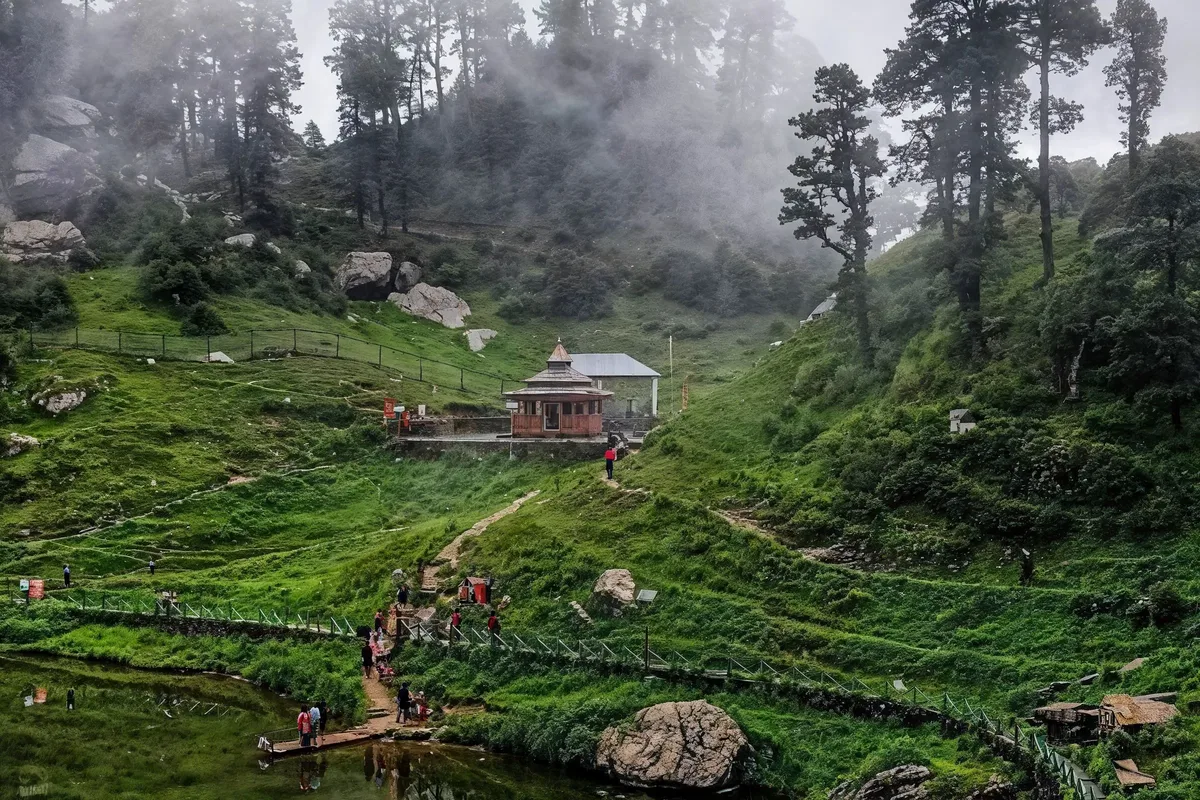
Tirthan Valley sits quietly tucked away in Himachal’s Kullu district, hidden from the usual tourist crowd. It’s named after the Tirthan River that runs right through it — a chilly, clear stream that locals treat like an old friend. You won’t find flashy cafes or fancy resorts here, and that’s exactly what makes it feel special. Just green hills, scattered wooden houses, and the kind of stillness that most places forgot. While it’s not the loudest destination for trekking in Himachal, it might be one of the most soulful. No concrete trails, no checkpoints—just raw paths, riverside silence, and Himalayan air that hits different.
How To Reach Tirthan Valley
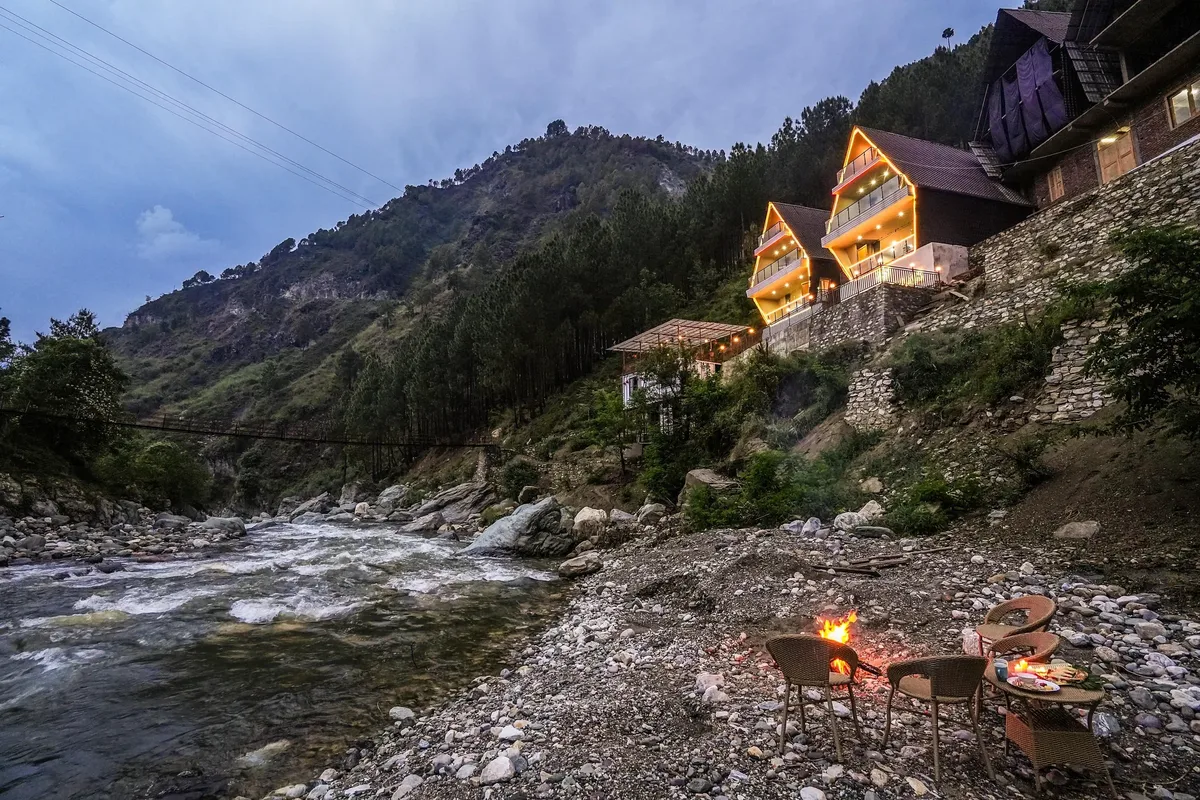
Getting to Tirthan takes a little effort, but those who go say it’s worth every bumpy turn. From Delhi, the drive takes about 12–14 hours, depending on how often you stop to take photos or stretch your legs. You’d take the Delhi–Manali highway until you reach a small town called Aut. That’s where the real journey begins — a turn off the main road leads into the valley, toward villages like Banjar, Gushaini, and Nagini that become your basecamps—quiet, scenic, and ideal for those chasing Himachal trekking packages that go beyond the obvious.
You can get to Aut by taking a Volvo bus from Delhi or Chandigarh. After that, it’s best to hire a cab. The road gets narrower, the views get wider, and somewhere along the way, you realize you’ve left all the noise behind.
Things To Do In Tirthan Valley
There’s no checklist here. No must-see spots. Everything just flows. You wake up to birds instead of alarms, and your biggest decision might be whether to walk toward the river or uphill into the woods.
Village Walks & Slow Trails
Walking in Tirthan is like flipping through a living postcard. Small wooden houses with slate roofs, kids chasing goats, and trails that lead past apple orchards into pine forests. You don’t need a map — just follow the sound of leaves crunching under your feet. Every turn feels like it was waiting for you.
Trout Fishing In The River
The river isn’t just beautiful, it’s full of trout. People from far-off places come just for this. You’ll need a permit, but a lot of homestays help with that. Whether you actually catch something or not, the real joy is standing in the icy water with a line in your hand, surrounded by silence, while the current hums gently past your boots.
The Great Himalayan National Park
This park is no casual stroll — it’s a full-on wilderness zone, GHNP borders the valley and is home to some of the best treks in Himachal. Treks need a permit from the park office at Sai Ropa, and longer ones a registered guide. Treks like the Rolla trek are short and beginner-friendly. Others, like Shilt Hut or Rakhundi, take you deeper into the forest. You might spot Himalayan monals, serows, or — if you’re incredibly lucky — even a snow leopard. But most of the time, it’s just you, the trees, and that quiet that presses gently on your ears.
Hidden Waterfalls & Secret Spots
Locals will sometimes point you toward tiny paths that don’t show up on Google Maps. Follow them. A lot of them lead to hidden waterfalls, the kind you don’t have to share with tourists. There’s one near Sai Ropa, not too far from the main road, but quiet enough that it feels like it was meant only for you. No signboards, no fences — just the rush of water and mossy stones.
Bonfires, Homestays & Stars
Evenings in Tirthan are made for sitting around fires. Most people stay in small wooden homestays run by families who’ve lived in the valley for generations. Much like Kinnaur, the food in Tirthan’s homestays is simple, soulful, and unforgettable.
They’ll serve you hot food — think rajma, rice, and chutneys made with herbs picked from their backyard. And when the lights go out, the stars show up. Not just one or two — thousands. You don’t realize how much of the night sky you’re missing until you see it here.
What’s Famous In Tirthan?
Nothing loud. No big attractions. What Tirthan is known for is its mood — its unshaken calm. The trout fish, the hand-carved Himachali homes, the sound of the river at night, the smell of pine in the morning — that’s the real fame. It’s the kind of place that changes people in small, quiet ways. You don’t come back from Tirthan with souvenirs — you come back a little slower, a little softer.
Best Time To Visit Tirthan Valley
April to June is when the valley wears its best colors — flowers bloom, trails stay dry, and the weather stays kind.
September to November is another great window, especially if you love the golden tones of fall.
July and August aren’t ideal — rain makes the roads tricky and the trails slippery.
Winter? It’s a snowy wonderland, but only if you’re ready for it.
From December to February, some villages like Shoja get snowed in. If you’re the type who loves white mornings and steaming cups by the fire, this might just be your season.
There are grander treks, sure. But not many offer what Tirthan does—peace, flexibility, and that feeling of being far from it all. If you’re someone who believes a good trek isn’t just about the summit but the soul shift it brings, this is where you start.
If you’re looking to escape tourist crowds, Shoja is another peaceful alternative near Tirthan.
Questions travellers ask
How do I reach Tirthan Valley?
Take an overnight bus from Delhi to Aut, then a local taxi (about 1 hour) to Gushaini or Nagini. Driving takes 12 to 14 hours; the nearest airport is Bhuntar (Kullu), about 50 km away.
Do I need a permit to trek in the Great Himalayan National Park?
Yes. Get a permit from the park office at Sai Ropa near Banjar and go with a registered guide for longer treks. Homestays usually help arrange both.
Can you fish in the Tirthan river?
Yes, trout angling is allowed with a fishing licence from the Himachal fisheries department, usually arranged through your homestay. Catch-and-release is encouraged.
What is the best time to visit Tirthan Valley?
March to June and September to November. The monsoon brings landslides, and from December to February higher villages such as Shoja get snow.
Know someone who should read this?
Send on WhatsAppKeep reading
All stories-
 Read
Destination guides
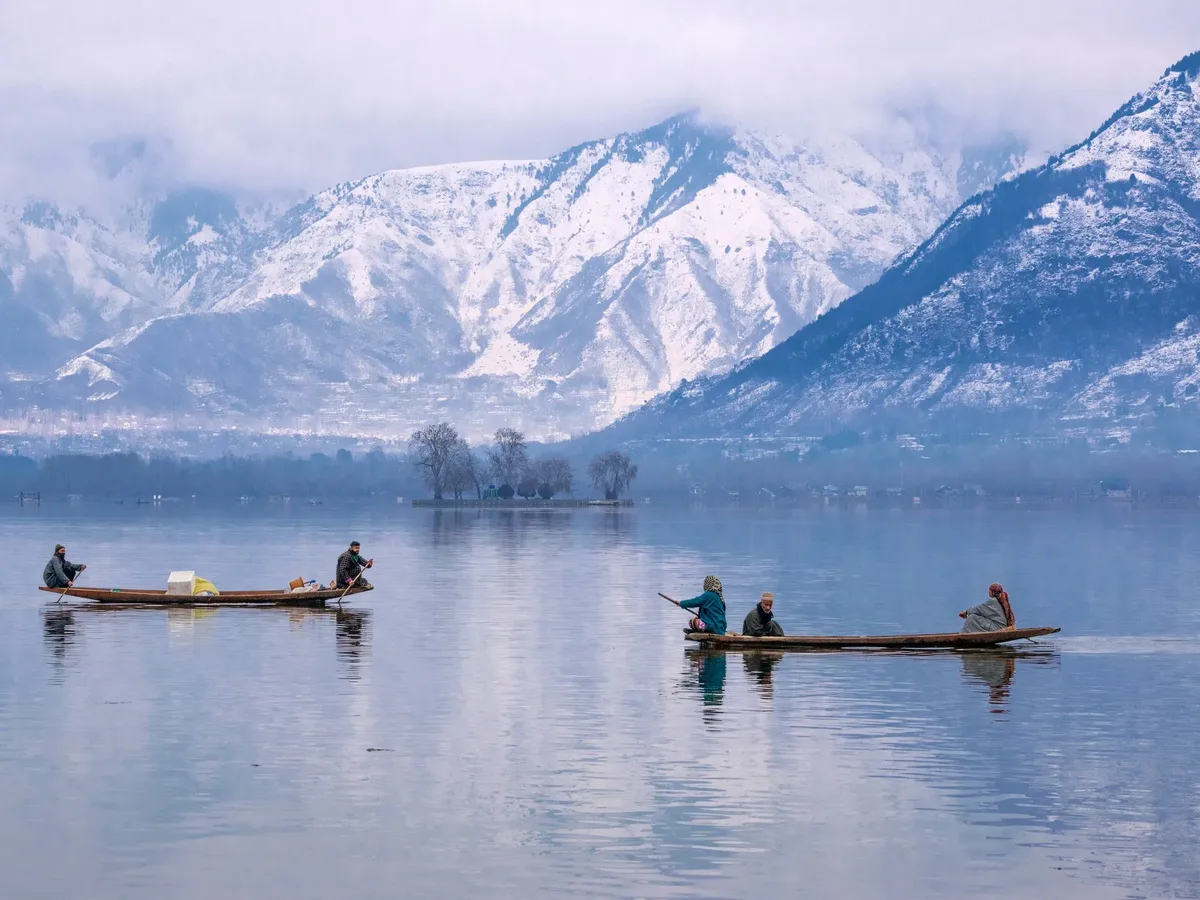
Kashmir in Winter, from Dal Lake to Gulmarg's Snow
Kashmir in winter suits travellers who want real snow, quiet houseboats and lower rates. A five-day plan around Srinagar and Gulmarg suits the season.
Read the story
-
 Read
Destination guides
How to Plan a Trip Like a Pro: From Research to Packing
Plan better trips with clarity, balance, and flexibility.
Read the story
-
 Read
Adventure
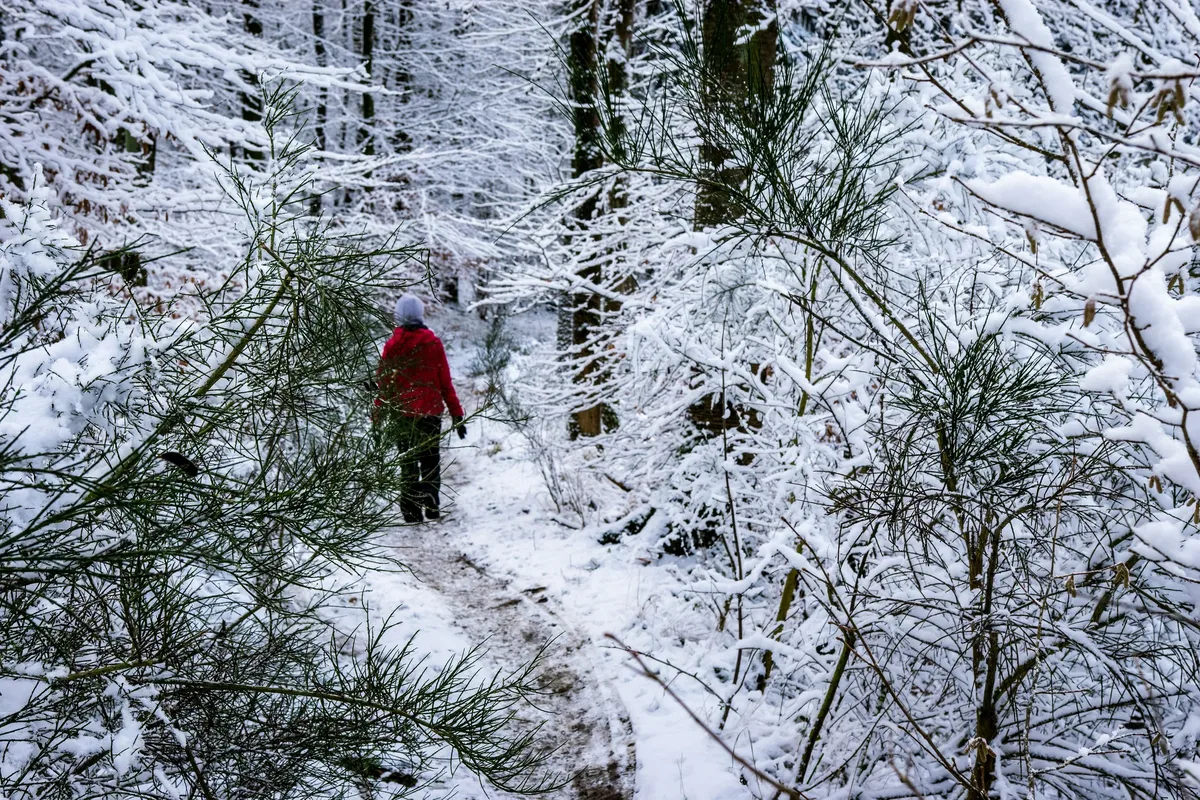
Best Winter Treks in India: Kedarkantha, Brahmatal and More
A curated guide to the best winter treks in India
Read the story
-
 Read
Adventure
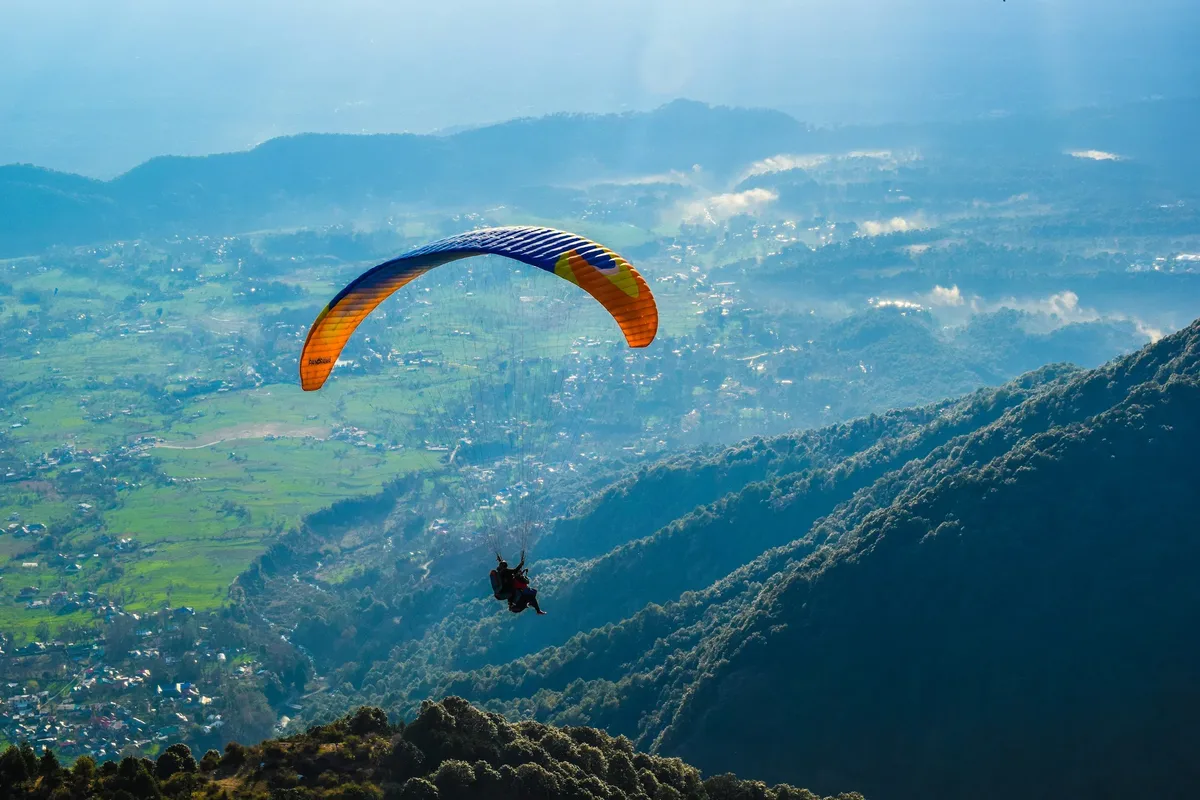
Paragliding in Bir Billing: Everything You Need to Know
Paragliding in Bir Billing is Asia’s highest adventure. Discover Bir Himachal Pradesh paragliding with travel tips, cost info, and safety details.
Read the story
-
 Read
Maldives · Destination guides
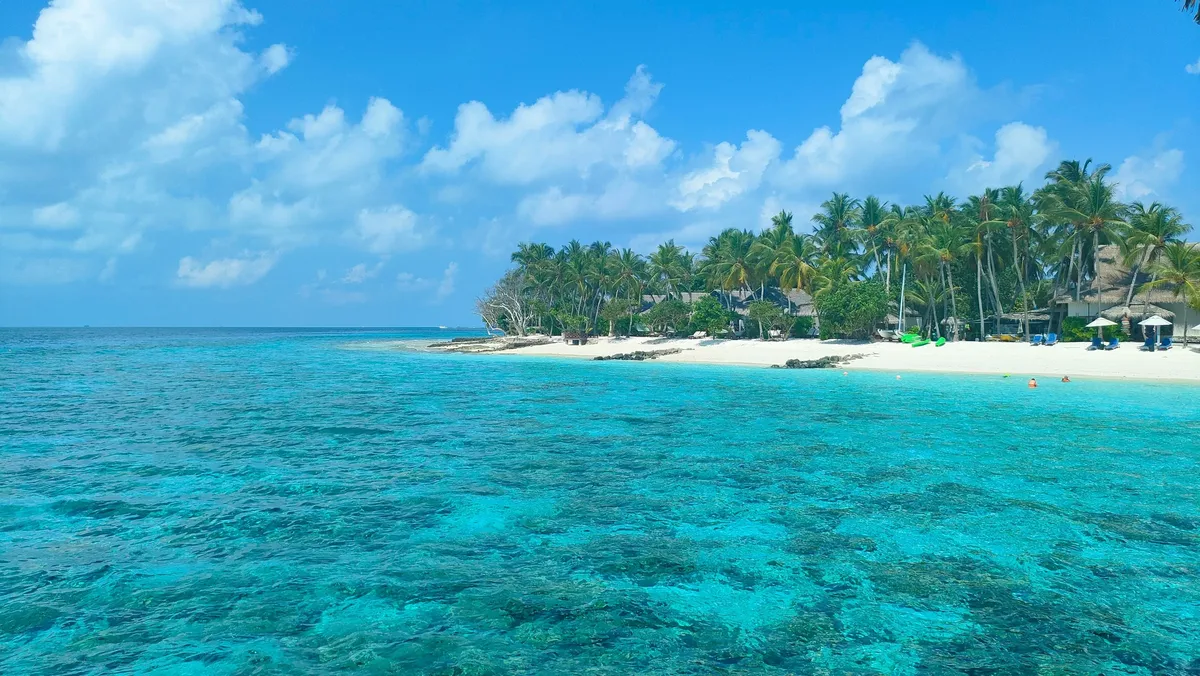
6 Things to Do in the Maldives That Aren't Water Sports
Is a Maldives vacay exclusively about water sports, luxurious villas, and beachside relaxation? Absolutely not! Here's why.
Read the story
-
 Read
Finland · Destination guides
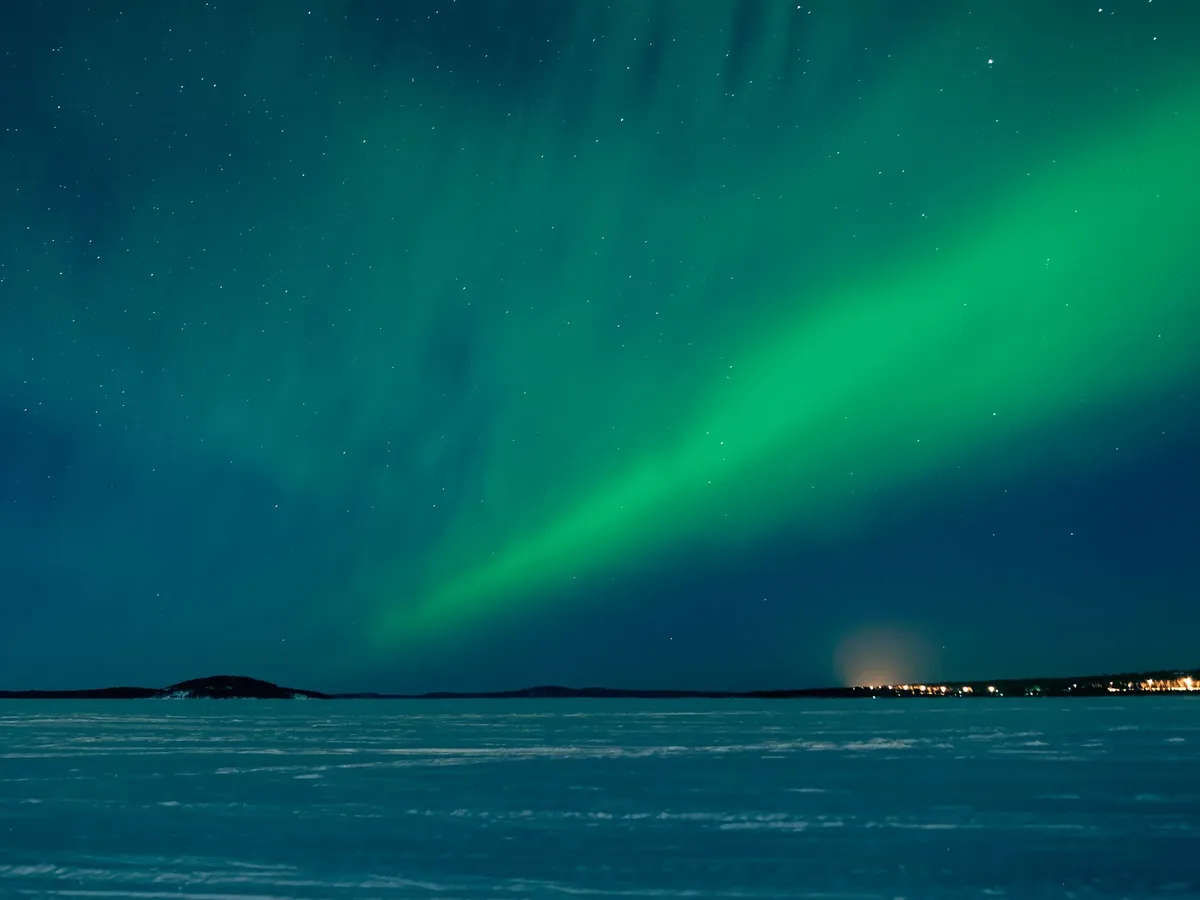
Where to See the Northern Lights in Finnish Lapland
Learn where to base yourself in Finnish Lapland, which months give the clearest skies, and how to plan your nights around the northern lights and clouds.
Read the story
-
 Read
Sri Lanka · Destination guides
What a Sri Lanka Trip Costs from India
A 5-night Sri Lanka beach trip costs about ₹35,000 to ₹55,000 per person on a budget and ₹60,000 to ₹90,000 mid-range, flights included.
Read the story
-
 Read
Japan · Destination guides
A 7-Day Japan Itinerary Through Tokyo and Osaka
A seven-day Japan itinerary with three nights each in Tokyo and Osaka, plus Mt. Fuji, Kyoto and Nara as day trips. Two bases mean fewer hotel changes.
Read the story
-
 Read
Vietnam · Destination guides
How Much a Vietnam Trip Costs from India
A comfortable week in Vietnam costs about ₹85,000 to ₹1,10,000 per person from India, return flights included. Flights and the cruise set the budget.
Read the story


This starts with a conversation.
Tell us where you're headed — we'll take it from there.